How Much Does GHK-Cu Actually Cost in 2026?
Trying to understand the GHK-Cu peptide cost in 2026? We break down the prices for topicals vs. injectables and explain what you'll actually pay.
This content is for informational purposes only and does not constitute medical advice. Consult with a qualified healthcare professional before starting any new treatment.
Understanding the GHK-Cu peptide cost can feel confusing. You might see prices ranging from under fifty dollars to several hundred per month. This guide breaks down what you can expect to pay in 2026. We will cover everything from cash-pay prices for different formulations to what, if anything, insurance might cover. GHK-Cu, first isolated in 1973, is a naturally occurring peptide that has been studied for its ability to influence over 4,000 human genes, making it a point of interest for anti-aging, skin health, and tissue repair (Cenexa Labs).
GHK-Cu Price Summary (2026)
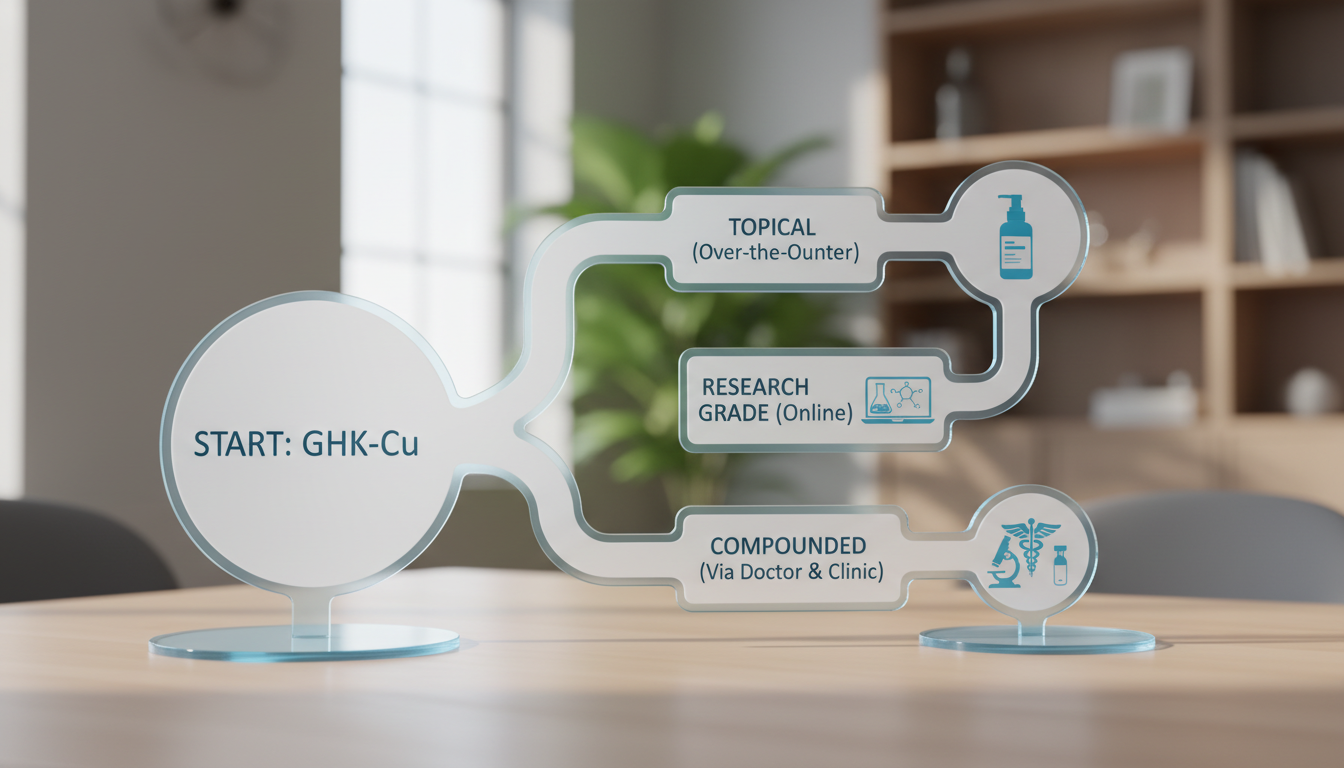
The price of GHK-Cu depends heavily on its form and source. You can find it in topical creams, as a research chemical, or as a prescription from a compounding pharmacy. Here’s a quick overview of the typical costs you’ll encounter.
| Product Type | Average Monthly Cost | Best For |
|---|---|---|
| Topical Serums/Creams | $15 - $150+ | Skin-specific goals like fine lines and texture. |
| "Research Use Only" Vials | $40 - $200+ | Laboratory research (not for human use). |
| Compounded Injectable | $80 - $250 | Systemic effects under a doctor's supervision. |
| Compounded Oral Tablets | $200 - $300 | Non-injectable systemic effects with a prescription. |
| All-Inclusive Clinic Program | $300 - $800 | A guided experience including consultations and supplies. |
Prices are estimates based on market data from 2026 and can vary by provider and location. Research vials are not intended for human consumption.
Will Insurance Cover the GHK-Cu Peptide Cost?
When budgeting for treatment, one of the first questions is about insurance. For GHK-Cu, the answer is straightforward: health insurance does not cover its cost. This applies to nearly all plans, including PPOs, HMOs, and government programs like Medicare.
There are several reasons for the lack of coverage. GHK-Cu is not an FDA-approved drug for any specific medical treatment (Regen Practice Solutions). While it is an approved cosmetic ingredient (INCI name: Copper Tripeptide-1) and has been placed on the FDA's Category 1 list for compounding, it has not gone through the large-scale clinical trials required for drug approval (Cenexa Labs).
Because of this, insurers classify GHK-Cu therapy as experimental, cosmetic, or a wellness product, none of which are typically covered benefits (MyPeptideMatch, PeptideLeads). When a provider submits a claim for GHK-Cu, it is almost certain to be denied. This is a common hurdle for many advanced treatments in the hormone and peptide space, including some forms of testosterone replacement therapy and other anti-aging peptides.
A possible exception involves Health Savings Accounts (HSAs) or Flexible Spending Accounts (FSAs). You might be able to use these pre-tax funds to pay for GHK-Cu, but it usually requires extra documentation. To be eligible, you often need a Letter of Medical Necessity (LMN) from your physician. This letter must detail a specific, qualifying medical condition that GHK-Cu is intended to treat. General wellness or anti-aging purposes typically do not qualify. Because GHK-Cu is primarily used for off-label or research purposes, getting an LMN approved can be difficult. Always check with your HSA/FSA administrator to confirm their specific requirements before making a purchase.
GHK-Cu Peptide Cost Without Insurance (Cash Pay)
Since insurance is not an option, everyone pays for GHK-Cu out-of-pocket. The ghk-cu peptide cost you pay depends entirely on the type of product you choose and where you get it.
Topical GHK-Cu Products
Topical formulations are the most accessible and affordable way to use GHK-Cu, particularly for skin health.
- Price Range: $15 to over $150 per product (The Peptide Effect).
- Details: These are cosmetic-grade products like serums, creams, and lotions. The price varies based on the concentration of GHK-Cu (often 1-3%), the quality of other ingredients, and brand reputation. A single bottle might last one to two months, making the monthly cost relatively low. These are ideal for addressing skin concerns like fine lines, wrinkles, and skin density directly.
"Research Use Only" Injectable Vials
These products are sold by research chemical companies online and are legally intended only for in-vitro laboratory research.
- Price Range: $40 to $200+ per vial (The Peptide Effect).
- Details: Companies like Pepta Labs sell a 50mg vial of GHK-Cu for around $41.79, while Modern Peptides prices a similar vial at $88 (Pepta Labs, Modern Peptides). The price per milligram (mg) can range dramatically from $0.26/mg to over $82/mg depending on the vendor and quantity (PeptideVerdict). These vials come as a lyophilized (freeze-dried) powder and must be reconstituted with bacteriostatic water using a tool like our peptide reconstitution calculator. The lack of FDA oversight for these products means purity and quality can vary significantly.
Compounded GHK-Cu Injections (Prescription)
For those seeking systemic benefits under medical guidance, compounded GHK-Cu is the appropriate choice. As of 2026, GHK-Cu is classified as a Category 1 substance, meaning FDA-registered pharmacies can legally compound it with a valid prescription (PeptideVerdict).
- Price Range: $80 to $250 per month (MyPeptideMatch).
- Details: This is a regulated alternative to "research" vials. The ghk cu peptide injection cost covers a sterile vial of GHK-Cu prepared by a licensed compounding pharmacy. This ensures potency and sterility. This price does not typically include the cost of the doctor's consultation, blood work, or supplies like syringes and alcohol pads. Finding a qualified doctor is key, and our guide on finding a legitimate peptide clinic can help.
Ready to see which GHK-Cu option might be right for you? Take our free quiz to get matched with a vetted provider who can discuss your goals and create a plan.
Online Clinic GHK-Cu Prices Compared
Telehealth has made it easier to access specialized treatments like peptide therapy. Online clinics offer a streamlined process, often bundling the medical consultation, prescription, medication, and supplies into one monthly fee. This convenience comes at a price, but it provides valuable medical oversight.
The total ghk-cu peptide cost through an online program can range from $300 to $800 a month (MyPeptideMatch). The price difference often comes down to the level of support, the type of GHK-Cu provided, and the inclusion of other services.
Here is a comparison of what you might find from different types of online providers in 2026.
| Provider Model | Typical All-Inclusive Monthly Cost | Formulation | What's Included | Best For |
|---|---|---|---|---|
| Invigor Medical | Starts at $230 | Oral (Sublingual) | Medical consultation, GHK-Cu dissolvable tablets, supplies, and shipping. | Individuals seeking a needle-free, all-in-one prescription service. |
| Specialty Peptide Clinic | $350 - $600 | Injectable | Initial and follow-up consultations, compounded GHK-Cu vial, injection supplies, and ongoing provider messaging. | Users who want the highest-potency option with comprehensive medical support. |
| Hormone Optimization Platform | $400 - $700 | Injectable or Topical | Lab work analysis, extensive consultation, GHK-Cu, supplies, and integration with other therapies like TRT. | People looking to combine GHK-Cu with a broader hormone optimization plan. |
| Basic Telehealth Service | $250 - $450 | Injectable | A single consultation to issue a prescription, which is then sent to a partner pharmacy. Medication and supplies are often billed separately. | Cost-conscious individuals who are comfortable managing more of the process themselves. |
When comparing clinics, it's vital to look beyond the sticker price. Ask what is included. Does the fee cover follow-up appointments? Are supplies extra? Is lab work required, and is it part of the cost? Some clinics may offer programs combining GHK-Cu with other peptides like BPC-157 for enhanced recovery, which would also affect the price.
Want to see which options fit your budget and goals? Our free quiz takes 3 minutes and matches you with vetted providers offering transparent pricing.
How to Save Money on GHK-Cu
While GHK-Cu isn't cheap, there are several ways to manage the expense and find a plan that fits your budget.
- Compare Formulations: The most significant cost factor is the type of GHK-Cu. Topical creams are far less expensive than medically supervised injectable programs. If your goals are purely skin-related, a high-quality serum may be all you need, saving you hundreds per month.
- Ask About Pharmacy Pricing: If you get a prescription from a doctor, you don't have to use the pharmacy they recommend. You can shop your prescription around to different compounding pharmacies to compare prices. Check out our guide on the cheapest tirzepatide compounding pharmacies for tips that can also apply here.
- Look for Longer-Term Plans: Many online clinics offer discounts if you commit to a 3-month or 6-month plan instead of paying month-to-month. This provides them with more stability and they often pass the savings on to you.
- Buy in Bulk (Research Vials Only): For those purchasing GHK-Cu for laboratory purposes, buying multiple vials at once can lead to significant savings. Pepta Labs, for instance, offers a single 50mg vial for $41.79, but the price drops to $35.94 per vial if you buy five at a time (Pepta Labs).
- Choose the Right Provider Model: An all-inclusive concierge service is great but expensive. If you are experienced with peptide therapy, a more basic telehealth service that just provides a prescription may be more cost-effective. You would then source your own supplies, saving on marked-up "kits."
- Inquire About Alternative Peptides: Discuss your goals with a provider. Depending on what you want to achieve, there may be other, more affordable peptides that can help, such as CJC-1295 + Ipamorelin for anti-aging or BPC-157 for healing.

Is GHK-Cu Worth the Cost?
Deciding if the GHK-Cu peptide cost is a worthwhile investment depends on your personal goals, budget, and expectations. GHK-Cu has demonstrated some compelling potential in preclinical and small-scale human studies.
Research suggests it may:
- Improve Skin Health: Studies on topical applications have shown measurable improvements in skin density and a reduction in fine lines within 12 weeks (PeptideVerdict).
- Accelerate Wound Healing: GHK-Cu has been shown to speed up the healing process by as much as 30% in animal models (PeptideVerdict).
- Stimulate Hair Growth: Some clinical trials found its effect on hair growth to be comparable to 5% minoxidil, a well-known hair loss treatment (PeptideVerdict).
- Modulate Gene Activity: Its ability to influence thousands of genes linked to tissue repair and antioxidant defense is a key reason for the scientific interest in its systemic effects (PeptideLeads).
However, it's crucial to balance this potential with reality. GHK-Cu lacks the extensive, large-scale human trial data that FDA-approved medications have (Regen Practice Solutions). The benefits seen in before and after photos are promising but can be subjective.
For someone spending hundreds on high-end skincare with limited results, a $230 monthly program for oral GHK-Cu from a provider like Invigor Medical could represent a better value. For an individual focused on recovery and systemic wellness, an investment of $300-$500 per month for a medically supervised injectable program might be justified. Ultimately, the decision is personal. The best approach is to consult with a knowledgeable healthcare provider who can help you weigh the potential benefits against the costs.
Ready to explore your options? Take our free 3-minute quiz to get matched with a licensed provider who can help.
FAQs
What is the average monthly cost of GHK-Cu?
The average monthly cost for GHK-Cu therapy typically ranges from $100 to $400. The final price depends on the form (topical, oral, or injectable), dosage, and whether you are using a full-service online clinic or just purchasing the peptide from a compounding pharmacy.
Is GHK-Cu covered by insurance?
No, GHK-Cu is not covered by health insurance. Insurers consider it an experimental, cosmetic, or wellness product because it is not an FDA-approved drug for any specific medical condition. You should expect to pay for all costs out-of-pocket.
Is injectable GHK-Cu legal?
Yes, when prescribed by a licensed physician and prepared by an FDA-registered compounding pharmacy, injectable GHK-Cu is legal. As of 2026, it is classified as a Category 1 bulk substance, which permits its use in compounding. Purchasing it from "research chemical" websites for personal use is not legal.
Why is there such a big price difference for GHK-Cu?
Prices vary widely based on the source and format. Low-cost "research" vials have no regulatory oversight on purity or sterility. Medically supervised programs from online clinics bundle the cost of the compounded peptide with consultations, supplies, and support, leading to a higher all-inclusive price.
Can I use my HSA or FSA to pay for GHK-Cu?
You might be able to use HSA or FSA funds, but it usually requires a Letter of Medical Necessity (LMN) from a doctor for a specific, qualifying health condition. Using these funds for general anti-aging or cosmetic purposes is typically not allowed. Always check with your plan administrator first.
Contributing to evidence-based peptide education and provider transparency.
Too many clinics, not enough clarity?
We don't sell peptides. Tell us your goals and we'll connect you with a vetted provider who can figure out what actually makes sense for you.
See what's right for youRelated articles
What Does Sermorelin Before And After Face Look Like?
See a real sermorelin before and after face timeline. We break down the changes you can expect in skin quality, fine lines, and texture week by week.
Anti-AgingWhat Are the Science-Backed GHK-Cu Peptide Benefits?
Curious about GHK-Cu? We explore the science-backed ghk-cu peptide benefits for skin repair, hair growth, and anti-aging. Learn how it works & more.
Anti-AgingWhat GHK Cu Peptide Before and After Pictures Really Show
Don't just look at ghk cu peptide before and after pictures. Understand the realistic timeline for results on wrinkles, scars, and hair growth.