What Are the Science-Backed GHK-Cu Peptide Benefits?
Curious about GHK-Cu? We explore the science-backed ghk-cu peptide benefits for skin repair, hair growth, and anti-aging. Learn how it works & more.
This content is for informational purposes only and does not constitute medical advice. Consult with a qualified healthcare professional before starting any new treatment.
If you've spent any time exploring the world of anti-aging and regenerative medicine, you have likely heard about GHK-Cu. This small but powerful peptide has gained significant attention for its wide-ranging effects on the body. This guide breaks down the science-backed ghk-cu peptide benefits, its current legal status in 2026, and what you need to know before considering it.
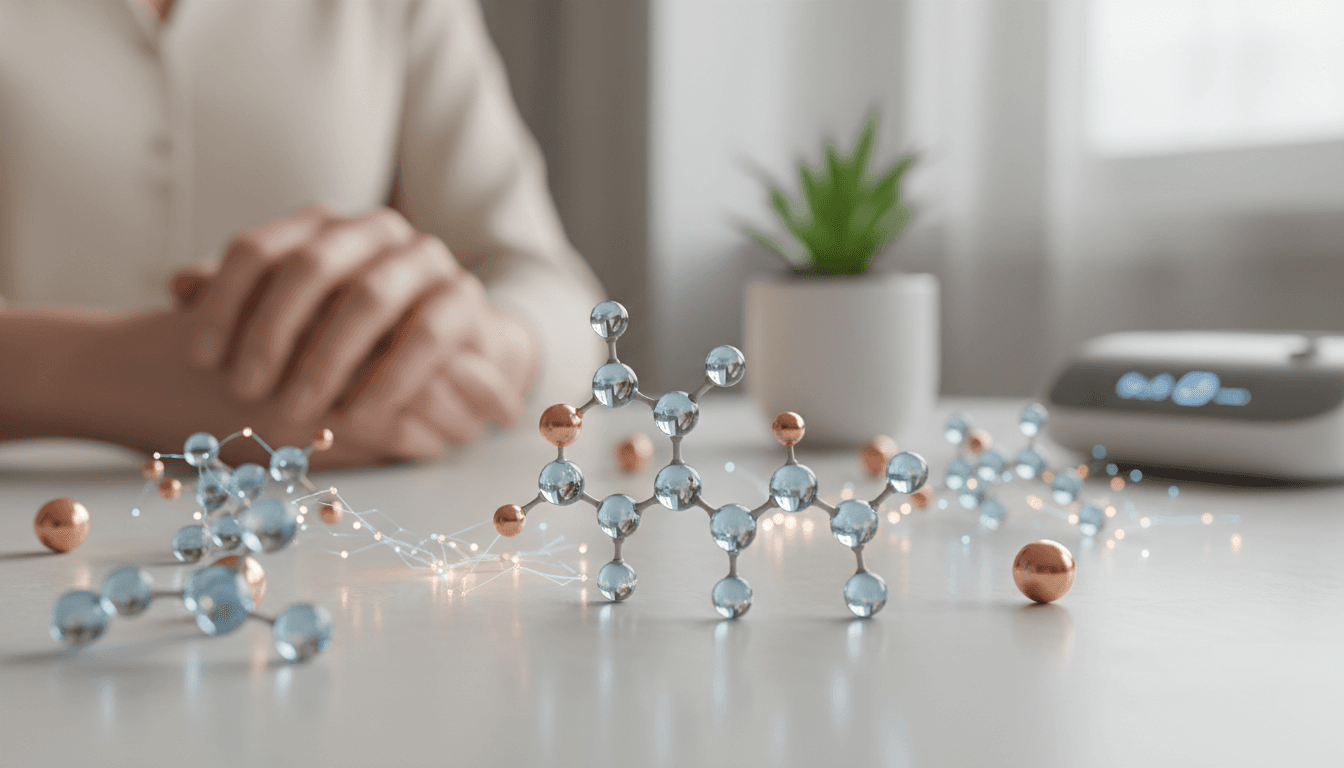
GHK-Cu is a tripeptide, a small protein fragment, bound to a copper ion. Your body produces it naturally. It plays a key role in healing and maintenance. But as we age, its levels drop significantly. Research from BioStrata shows that plasma levels can fall from around 200 ng/mL in your 20s to just 80 ng/mL by age 60. This decline is linked to the body's reduced ability to repair itself. As a result, researchers are studying whether restoring GHK-Cu levels can help counteract some signs of aging.
What is GHK-Cu? A Look at the "Master Switch" Peptide
GHK-Cu, sometimes called a "klow peptide," isn't just another ingredient. It acts like a manager at the genetic level, influencing thousands of your body's processes. Think of it as a master switch for cellular repair.
The primary mechanism that drives the many ghk-cu peptide benefits is its ability to modulate gene expression. According to research highlighted by Tetrapod, this single peptide can influence over 4,000 human genes. That is about 31% of the entire human genome. Instead of just targeting one pathway, GHK-Cu helps reset a wide range of cellular functions back to a more youthful state.
Here’s a simple breakdown of what that means:
- It boosts regeneration: GHK-Cu upregulates, or "turns on," genes responsible for producing crucial structural proteins like Type I collagen and elastin. These proteins are the building blocks of healthy skin, providing firmness and flexibility. You can learn more about how this works by reading about collagen peptides benefits.
- It reduces inflammation and scarring: At the same time, it suppresses, or "turns down," genes linked to inflammation and scar formation, such as TGF-β1 and IL-6. This dual action helps tissues heal cleanly without excessive scarring.
- It fights oxidative stress: The peptide is also a potent antioxidant. Studies show it can reduce harmful reactive oxygen species (ROS) by up to 50% in skin cells exposed to UVB radiation (Tetrapod research). This protects cells from damage that leads to premature aging.
This ability to orchestrate a complex healing response is why GHK-Cu is being studied for everything from wrinkles to wound care. It's not just adding one ingredient. It’s helping the body's own repair systems work more efficiently.
Not sure which treatment is right for you? Different peptides offer unique advantages. Take our free quiz to get matched with a provider who can guide you through the options.
Top GHK-CU Peptide Benefits for Skin Rejuvenation and Scar Repair
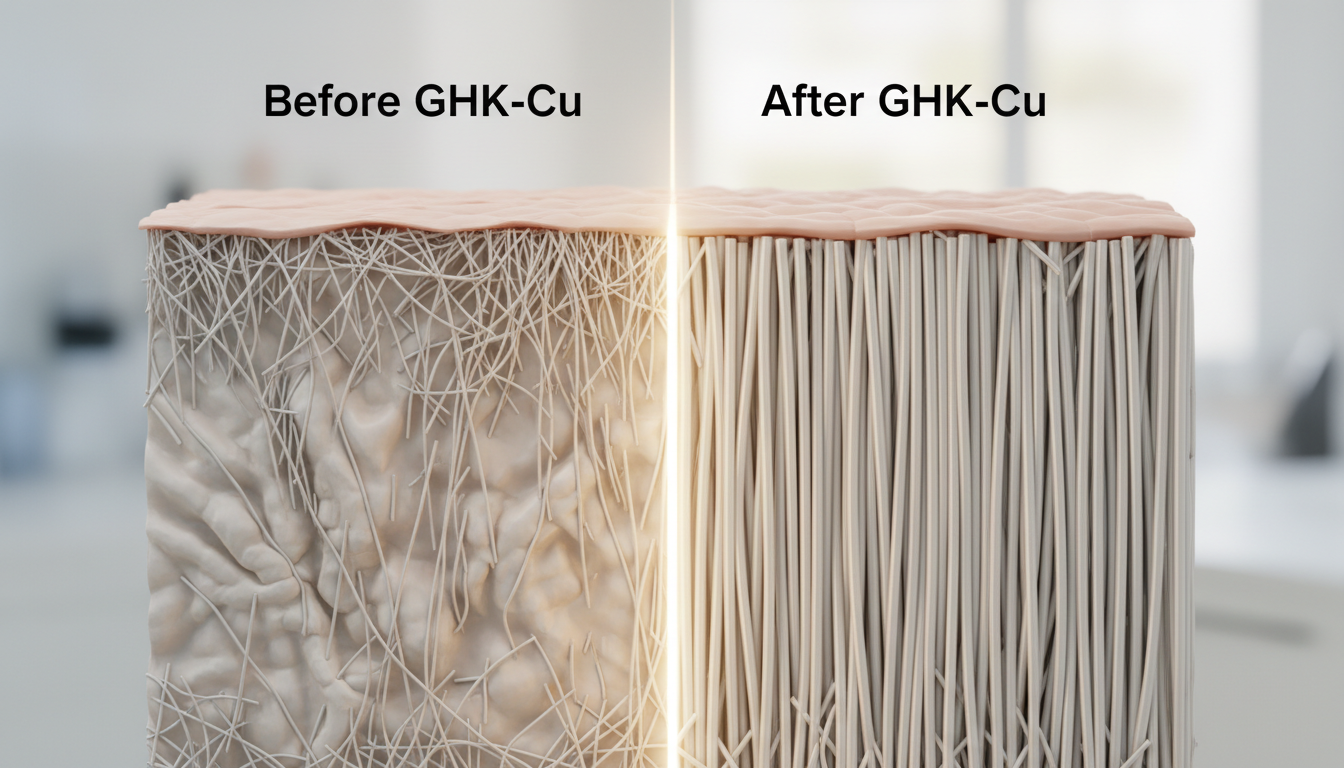
The most well-documented ghk-cu peptide benefits relate to skin health. Because it directly stimulates collagen and elastin while reducing inflammation, it has become a popular ingredient in advanced skincare and a subject of clinical study for dermatological applications. Looking at the research provides a clear picture of what to expect, especially when you see the data from ghk-cu peptide before and after studies.
Wrinkle Reduction and Improved Skin Quality
Multiple studies confirm GHK-Cu’s anti-aging effects when applied topically. It goes beyond surface-level hydration to rebuild the skin's underlying structure.
- Reduces Wrinkles: A 2024 randomized controlled trial (RCT) found that a 0.1% GHK-Cu cream reduced wrinkles by 31% and improved skin elasticity by 28% (Nationwide Peptides). Another study from 2021 reported a 31.6% reduction in wrinkle appearance in just eight weeks.
- Increases Firmness: A 2023 double-blind study noted a 22% increase in skin firmness and a 16% reduction in fine lines over 12 weeks with a 0.05% GHK-Cu serum (Grandingredients).
- Boosts Collagen: Some of the most impressive results come from its direct impact on collagen. A 2023 split-face trial showed a remarkable 70% increase in collagen content after using a 1% GHK-Cu serum.
These improvements make GHK-Cu a powerful tool for those looking for some of the best injectable peptides for skin tightening and topical anti-aging solutions.
Accelerated Wound Healing and Scar Reduction
GHK-Cu’s regenerative power is clearly seen in its ability to heal damaged tissue. Its capacity to manage inflammation and rebuild the extracellular matrix makes it highly effective for wound care and scar management.
- Scar Volume Reduction: A Phase II clinical trial demonstrated that a 0.5% GHK-Cu gel reduced post-surgical scar volume by an average of 35% (Tetrapod, Nationwide Peptides).
- Faster Healing: For difficult-to-heal wounds, GHK-Cu shows significant promise. An RCT involving diabetic foot ulcers found that 85% of wounds treated with GHK-Cu achieved closure, compared to only 55% in the control group (Tetrapod).
- Post-Procedure Recovery: It's also beneficial for healing after cosmetic procedures. A 2024 study on patients who had fractional laser resurfacing found that a 0.05% GHK-Cu gel led to 25% faster epithelial recovery and 30% less redness (Grandingredients).
These findings show that GHK-Cu peptide benefits go far beyond cosmetic improvements, offering real therapeutic potential for tissue repair.
Exploring Other GHK-CU Peptide Benefits: Hair Growth and Systemic Effects
While its skin applications are the most famous, the list of ghk-cu peptide benefits doesn't stop there. Its gene-regulating abilities extend to other tissues, including hair follicles and the immune system, making it a versatile compound in the field of regenerative medicine.
Promoting Hair Growth
Hair loss is a common concern, and GHK-Cu has emerged as a promising alternative to traditional treatments. By improving scalp health and revitalizing hair follicles, it can support new growth.
- Increased Hair Count: Clinical research shows GHK-Cu is highly effective. One study demonstrated that a 0.5% GHK-Cu serum increased hair count by 22% over 16 weeks. In that same study, it even outperformed 3% minoxidil (BioStrata Research, Nationwide Peptides).
- Enhanced by Other Therapies: The effects can be amplified when combined with other treatments. A 2024 RCT that paired microneedling with 5 mg of GHK-Cu reported a 28% increase in hair count, though researchers agree more long-term data is needed.
These results suggest that GHK-Cu helps create a healthier environment for hair follicles to thrive, leading to thicker, fuller hair for some users.
Antioxidant and Anti-inflammatory Action
Many signs of aging and disease are driven by chronic inflammation and oxidative stress. GHK-Cu addresses both of these root causes. By suppressing inflammatory signals like IL-6 and reducing free radical damage from ROS by up to 50%, it provides a protective effect that goes beyond the skin (Tetrapod).
This makes it a valuable compound in the broader category of antioxidant peptides. This systemic effect is part of why researchers are so interested in its potential for overall health and longevity, not just localized cosmetic improvements. The ability to modulate over 4,000 genes suggests GHK-Cu helps restore balance to multiple systems in the body, promoting a healthier state at a fundamental level.
Want to see which options fit your budget and goals? The world of peptides can be confusing. Our free quiz takes 3 minutes and matches you with vetted providers who can help you understand what's available.
Navigating GHK-Cu in 2026: Dosage, Cost, and Legality
Understanding the practical aspects of GHK-Cu is crucial. Its status as a research compound creates a complex landscape for consumers regarding access, safety, and cost. Here is what you need to know in 2026.
GHK-Cu Dosage and Application Methods
How you use GHK-Cu largely depends on your goals and the product form. The evidence strongly supports one method over others.
- Topical (Creams and Serums): This is the most common and well-researched method. A
ghk-cu peptide serum for faceis widely available as a cosmetic ingredient. Studies typically use concentrations between 0.05% and 1%, while many commercial formulations contain 0.1% to 0.3% (Peptidings, Grandingredients). This method is proven effective for skin rejuvenation, scar reduction, and hair growth. - Injectable: You will find discussions of
ghk-cu peptide injection dosagein online biohacking communities. However, it is critical to know that there is zero published human data on the safety or efficacy of injectable GHK-Cu (Peptidings). Aghk-cu peptide injection protocolis not clinically established. Anyone considering this route must do so under the guidance of a qualified medical provider who can explain the risks. For more on this, read our guide to peptide injection therapy.
A ghk-cu peptide dosage chart for injections does not exist in formal medical literature. Dosage is highly speculative and should only be determined with a doctor.
The Cost of GHK-Cu
The price of GHK-Cu varies significantly based on the source and form. Since it is not FDA-approved for medical use, insurance does not cover it.
- Compounded/Research Grade: According to a 2026 price analysis, you can expect to pay $150 to $400 per month for research-grade GHK-Cu. Compounded versions from a pharmacy may cost slightly less, from $80 to $250 per month (MyPeptideMatch).
- Full Program Cost: When factoring in consultations, lab work, and other supplies, a comprehensive research program can range from $300 to $800 monthly. You can find more details in our GHK-Cu peptide cost guide.
Legality and Regulatory Status
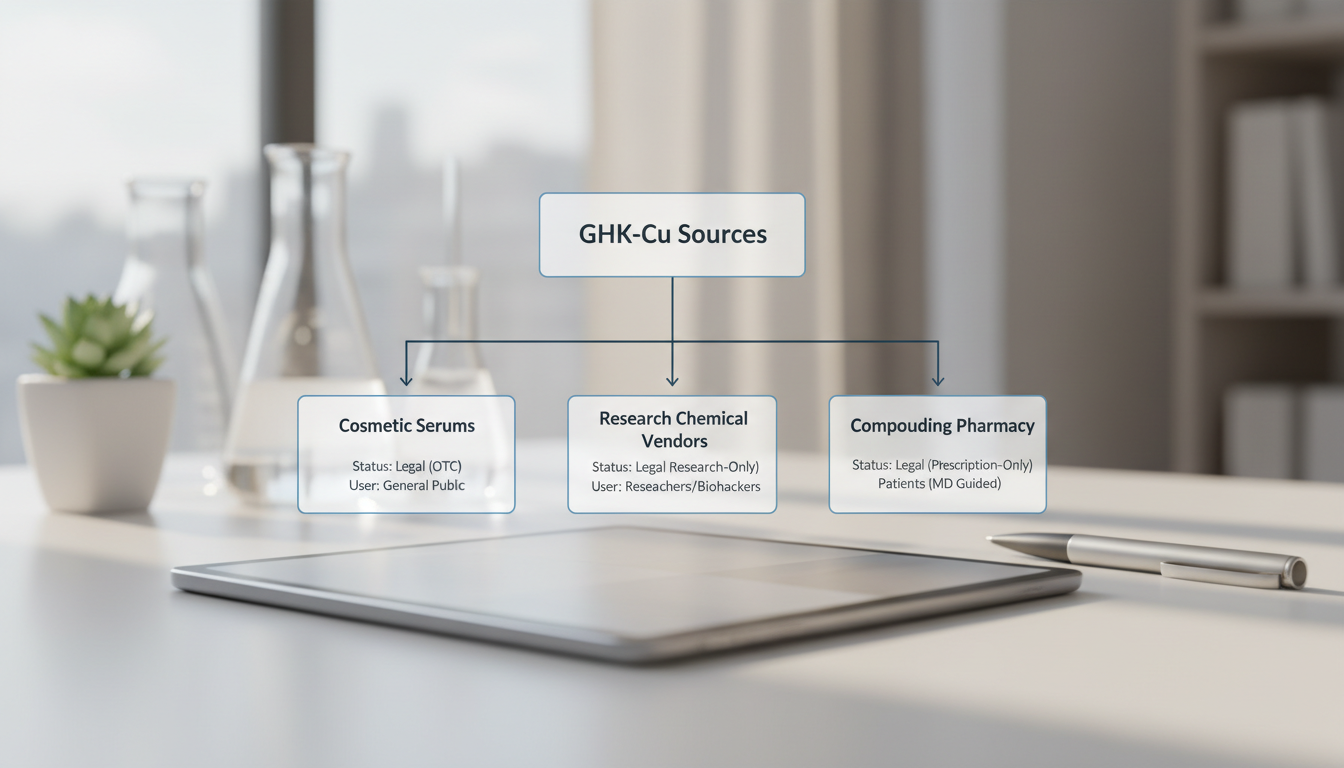
As of April 2026, the legal status of GHK-Cu is nuanced. It is permitted as a cosmetic ingredient in topical products. However, it is not FDA-approved as a drug for any medical condition, meaning it cannot be marketed with therapeutic claims (Nationwide Peptides).
There is good news on the horizon. In February 2026, HHS Secretary Robert F. Kennedy Jr. announced that GHK-Cu is one of 14 peptides being considered for reclassification from the FDA’s restrictive Category 2 list back to Category 1 (Pure Peptide Clinic). If this change is formalized, it would restore legal access for licensed compounding pharmacies to prepare GHK-Cu for medical use under a doctor's prescription. Until then, it remains technically on the Category 2 list for compounding purposes, though it is widely available online as a research chemical.
What to Consider: Safety, Side Effects, and Finding a Provider
Before starting any new compound, it’s vital to weigh the potential ghk-cu benefits against the risks and understand how to proceed safely.
GHK-Cu Peptide Side Effects
GHK-Cu is generally considered safe, especially when used topically. The side effects are typically mild.
- Topical Use: The most common side effects are localized skin irritation, redness, or itching. These effects are more likely with higher concentrations and usually resolve on their own.
- Injectable Use: Since no formal human safety trials exist for injectable GHK-Cu, the side effect profile is not well understood. Anecdotal reports include standard injection site reactions like pain, redness, and swelling. Systemic side effects are unknown, highlighting the importance of medical supervision. For a deeper look, see our article on GHK-Cu side effects.
Finding a Reputable Provider
Given its regulatory status, finding a safe and reliable source for GHK-Cu is key. The search term ghk-cu peptide near me often leads people to online providers. While convenient, it is crucial to ensure you are working with a legitimate clinic.
Look for providers who:
- Require a consultation with a licensed medical doctor.
- Source their peptides from reputable, third-party tested compounding pharmacies.
- Provide clear guidance on dosage and administration.
RxFox connects patients with a network of vetted telehealth clinics. You can search our directory of clinics or get matched directly with a provider who fits your needs.
Ready to explore your options? Take our free 3-minute quiz to get matched with a licensed provider who can help you decide if GHK-Cu is right for your health goals.
FAQs
What are the main benefits of GHK-Cu peptide?
The primary, evidence-backed GHK-CU peptide benefits include improving skin quality by reducing wrinkles and increasing firmness, accelerating wound healing, reducing scar formation, and promoting hair growth. It works by modulating thousands of genes related to regeneration and repair.
Is GHK-Cu peptide legal in 2026?
Yes, GHK-Cu is legal to buy and use as a cosmetic ingredient in topical products like serums and creams. However, it is not FDA-approved for any medical condition. As of early 2026, it is under review to be moved from the FDA's Category 2 list to Category 1, which would make it more accessible through compounding pharmacies with a prescription.
How is GHK-Cu usually administered?
The most researched and common administration method is topical, through creams or serums applied directly to the skin or scalp. While some people use injectable GHK-Cu, this method is considered experimental as there is no published human data on its safety or ideal dosage.
What does GHK-Cu cost?
The cost of GHK-Cu in 2026 typically ranges from $80 to $250 per month for compounded versions and $150 to $400 for research-grade material. A full program including a doctor's consultation and lab work can cost between $300 and $800 monthly.
Are there any major side effects of GHK-Cu?
When used topically, side effects are rare and usually mild, such as skin irritation or redness. The safety profile for injectable GHK-Cu is not well-established due to a lack of formal human studies, but reported side effects include injection site pain and swelling. Always discuss potential risks with your healthcare provider.
Contributing to evidence-based peptide education and provider transparency.
Too many clinics, not enough clarity?
We don't sell peptides. Tell us your goals and we'll connect you with a vetted provider who can figure out what actually makes sense for you.
See what's right for youRelated articles
What Does Sermorelin Before And After Face Look Like?
See a real sermorelin before and after face timeline. We break down the changes you can expect in skin quality, fine lines, and texture week by week.
Anti-AgingWhat GHK Cu Peptide Before and After Pictures Really Show
Don't just look at ghk cu peptide before and after pictures. Understand the realistic timeline for results on wrinkles, scars, and hair growth.
Anti-AgingWhat Are the Real GHK-Cu Copper Peptide Benefits?
Discover the science-backed ghk-cu copper peptide benefits. We explain how this compound works for skin rejuvenation, hair growth, and wound healing.