What to Expect: GHK-Cu Peptide Injection Before and After
Thinking about GHK-Cu? We documented a ghk-cu peptide injection before and after timeline to show you what changes to expect and when you might see them.
This content is for informational purposes only and does not constitute medical advice. Consult with a qualified healthcare provider before starting any new treatment or research protocol.
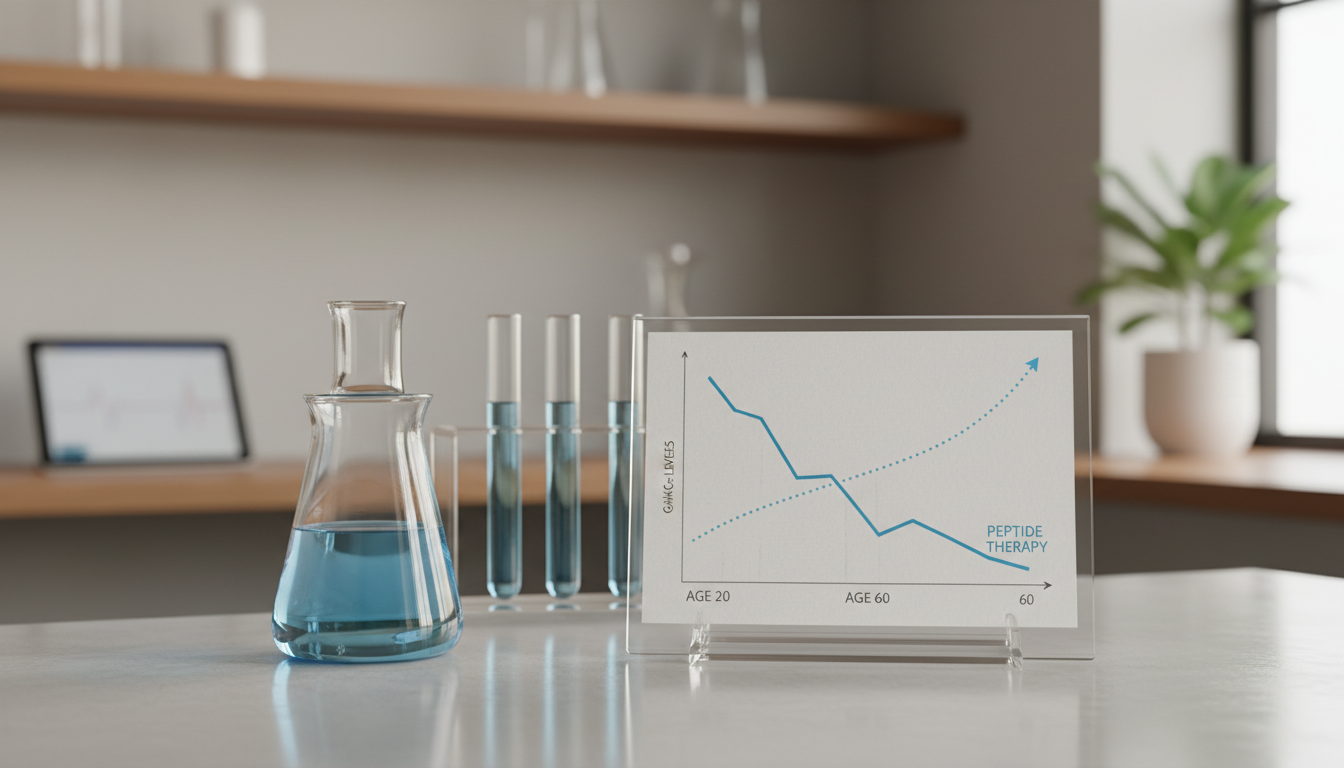
Curiosity around the ghk-cu peptide injection before and after experience is growing, and for good reason. This naturally occurring peptide, known scientifically as glycyl-L-histidyl-L-lysine, plays a key role in wound healing, skin repair, and gene expression. Its levels in our bodies drop significantly as we age, falling by as much as 60% from age 20 to 60 (Peptidings). This decline is linked to slower healing and a visible loss of skin quality. While much of the human data centers on topical GHK-Cu, many researchers and biohackers are exploring its systemic potential through injections. This guide breaks down a realistic timeline of what to expect based on current research and user reports.
GHK-Cu Injection Results: A Quick Overview
While individual results can vary, a GHK-Cu protocol generally follows a phased timeline. Changes start at a cellular level before becoming visible. It's important to remember that as of 2026, injectable GHK-Cu is classified for research use only and is not FDA-approved to treat or cure any condition (Optimal Clinic). The timeline below is based on the peptide's known biochemical mechanisms and anecdotal reports.
| Timeline | Expected Changes & Observations |
|---|---|
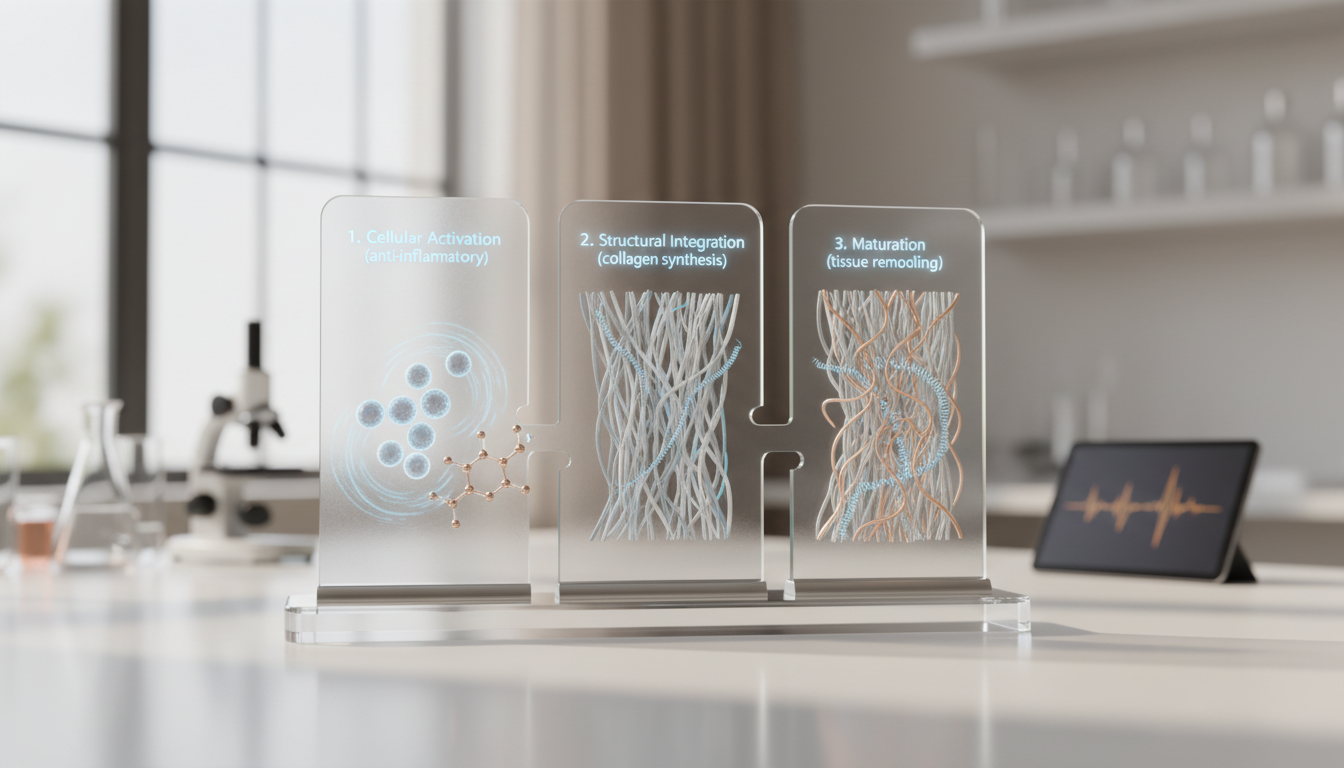
| Week 1-2 | Cellular Activation: Initial biochemical changes begin. May experience improved sleep quality, reduced inflammation, and faster recovery from minor aches. Visible skin changes are unlikely. |
| Week 3-6 | Early Structural Changes: Collagen and elastin synthesis ramps up. Skin may feel more hydrated and appear to have a better texture. Some users report a reduction in blemishes and redness. |
| Month 2-3 | Visible Improvements: Noticeable changes in skin firmness and fine lines may appear. This timeline aligns with topical studies showing wrinkle reduction at 8 weeks (PeptidesExplorer). |
| Month 3-6 | Maturation & Optimization: Cumulative effects of collagen remodeling become more apparent. Skin may look thicker and healthier. Potential for improved hair fullness and accelerated healing from injuries. |
Figuring out if this timeline aligns with your personal health goals is the most important step. If you're exploring different anti-aging or regenerative therapies, getting expert guidance is key. Take our free quiz to get matched with a provider who can help you understand all your options.
Weeks 1-2: The Activation Phase
The first two weeks of a ghk-cu peptide injection before and after protocol are all about what's happening under the surface. You likely won't see dramatic visible changes in the mirror, but significant biological processes are kicking into gear.
GHK-Cu is known to modulate over 4,000 human genes, shifting them toward a state of regeneration and repair (Semaglutide Guide). In this initial phase, the peptide begins its work as a powerful anti-inflammatory and antioxidant agent. Researchers believe this is the first step in creating a better environment for tissue healing.
What you might feel during this period includes:
- Reduced Soreness: Some users report quicker recovery after workouts and less general body aches.
- Improved Sleep: Anecdotal reports often mention deeper, more restorative sleep within the first couple of weeks.
- Faster Healing of Minor Wounds: Small cuts or scratches may seem to heal more quickly than usual.
At the injection site, it's common to experience mild, temporary side effects like redness, slight swelling, or itching (Happy Hormones MD). These reactions typically subside within an hour. This phase is about laying the foundation. Your body is responding to the peptide's signals, initiating the cleanup and repair processes that will lead to more visible results later on. Think of it as preparing the soil before planting seeds.
Months 1-2: Early Signs of Regeneration
This is the period where patience starts to pay off. As you move into the second month of using copper peptides injections before and after a consistent schedule, the foundational work from the first few weeks begins to translate into tangible changes. This stage is defined by "structural integration," where the synthesis of crucial proteins like collagen and elastin increases (Optimal Clinic).
Clinical studies on topical ghk-cu peptide applications provide a valuable benchmark here. Research has shown measurable improvements in skin hydration and texture within three to six weeks of use (FormBlends). While injectable and topical methods differ, the underlying mechanism is the same. During this time, you might notice:
- Improved Skin Hydration: Your skin may feel less dry and have a subtle "plumpness" to it.
- Smoother Texture: The surface of your skin might feel softer and more even.
- Reduced Blemishes: Thanks to its anti-inflammatory properties, some users find that GHK-Cu helps calm skin and reduce the appearance of blemishes and redness.
These effects are often subtle and cumulative. You might not wake up one day to a completely new complexion, but rather notice a gradual improvement in your skin's overall health and radiance. This is also when some of the systemic benefits, like continued improvements in recovery and joint comfort, become more consistent. This phase confirms that the peptide is actively remodeling your tissue at a structural level.
Months 3-6: The Maturation Phase and Visible Results
Between the third and sixth month, the cumulative effects of a ghk-cu peptide injection before and after protocol typically become most apparent. This "maturation and optimization" phase is where the newly synthesized collagen and elastin fibers organize and strengthen, leading to more significant and stable results (Optimal Clinic).
This is when the "after" in ghk-cu peptide injection before and after truly starts to shine. Human studies on topical GHK-Cu found significant improvements around the 12-week mark, including measurable increases in skin thickness and collagen density (FormBlends). While there is "zero published human data" for injectable GHK-Cu (Peptidings), anecdotal reports suggest a similar, if not accelerated, timeline for visible skin benefits.
During this period, potential changes include:
- Reduced Fine Lines and Wrinkles: Topical studies have recorded a 31.6% reduction in wrinkle volume after just 8 weeks (PeptidesExplorer). With systemic injections, users may see a noticeable softening of fine lines, especially around the eyes and mouth.
- Increased Skin Firmness: As collagen density improves, skin can feel tighter and more resilient. Some studies on topical GHK-Cu show collagen increases of up to 40% or more (Semaglutide Guide, Peptides.wiki).
- Improved Hair Health: GHK-Cu is also studied for its effect on hair follicles. One study using a 0.5% topical lotion found that 72% of male participants saw over a 20% increase in hair density (PeptidesExplorer). Users of injectable GHK-Cu sometimes report thicker, fuller-feeling hair.
- Enhanced Wound Healing: For those using the peptide for recovery, its impact on healing deep tissue injuries or post-surgical sites may become very clear during this timeframe.
Sourcing a quality peptide and determining the right protocol are key to achieving these results. Finding a legitimate provider can be a challenge. Our free quiz takes 3 minutes and matches you with vetted clinics that specialize in peptide therapy.
Long-Term Results (Beyond 6 Months)
After six months, the focus of a GHK-Cu protocol shifts from active transformation to maintenance and long-term support. The most dramatic changes have likely already occurred, and continued use helps sustain those results and protect against age-related decline.
Remember, plasma levels of GHK-Cu drop from around 200 ng/mL at age 20 to just 80 ng/mL by age 60 (Peptidings). A long-term protocol is essentially a strategy to replenish this vital signaling molecule, helping your body maintain its regenerative capacity. This is a core concept in modern peptide therapy for anti-aging.
Long-term users often report a new "baseline" for their health. This can include:
- Sustained skin elasticity and thickness.
- Continued resilience against injuries and faster recovery times.
- A general sense of well-being and vitality.
Protocols often involve cycling, where you might use the peptide for 3-6 months and then take a break for 1-2 months. This approach can help maintain the body's sensitivity to the peptide. The goal is not to stop aging, but to support the body's natural repair systems to promote healthier aging. Long-term use should always be done under the guidance of a healthcare provider who can monitor your progress and health markers.
Factors That Affect Your GHK-Cu Results
Not everyone will have the same ghk-cu peptide injection before and after experience. Several factors can influence how quickly you see results and how significant they are. Understanding these variables can help you set realistic expectations.
Dosage, Frequency, and Protocol
The way you use GHK-Cu matters. Standard research protocols for injections often involve a daily dose of 1 to 2 mg, administered five days a week (PeptidesExplorer). Cycles typically last from 4 to 12 weeks. Higher doses (2-3 mg/day) are sometimes used for specific goals like acute wound healing or hair growth. Deviating from a consistent schedule can delay or diminish results. Using a reconstitution calculator can also ensure your dosing is accurate.
Individual Biology and Starting Point
Your age, genetics, and baseline health are huge factors. A person in their 50s with significant sun damage will have a different starting point—and potentially more dramatic results—than a person in their 30s looking for preventative care. Underlying health conditions and metabolic function also play a role in how your body utilizes the peptide.
Lifestyle Choices
Peptides are powerful tools, not magic bullets. They work best when complementing a healthy lifestyle.
- Sun Protection: UV exposure actively breaks down collagen. Failing to use sunscreen will counteract the skin-rebuilding benefits of GHK-Cu.
- Nutrition: Your body needs adequate protein, vitamins, and minerals to build new tissue. A poor diet can limit the raw materials GHK-Cu needs to work with.
- Alcohol and Smoking: Both can increase inflammation and oxidative stress, directly working against the peptide's regenerative mechanisms.
Peptide Quality and Sourcing
This is arguably the most critical factor. As of early 2026, injectable GHK-Cu is not approved by the FDA for human use and remains a "research-only" compound. While it was announced in February 2026 for reclassification to Category 1, which would allow compounding pharmacies to legally produce it, formal FDA action is still pending (Peptide Garden).
This regulatory gray area means quality can vary wildly. Sourcing from an unverified online seller is risky. It's essential to work with a reputable clinic that sources its peptides from legitimate, third-party tested compounding pharmacies. Checking for compliance with state and pharmacy board regulations is non-negotiable. Many clinics also perform lab work to monitor serum copper levels to prevent imbalance (MyPeptideMatch).
Ready to see if GHK-Cu or another peptide therapy could be part of your health strategy? Take our free quiz to connect with a licensed provider and get a professional opinion.
FAQs
Is injectable GHK-Cu safe?
While topical GHK-Cu has a well-established safety profile over four decades, safety data for injectable GHK-Cu is very limited as there are no human clinical trials (Peptide Garden). Reported side effects are generally mild and include temporary injection site redness, headaches, or nausea. The biggest risk comes from using impure products, making sourcing from a vetted provider critical.
How much do GHK-Cu injections cost in 2026?
In 2026, the cost for a research protocol of injectable GHK-Cu typically ranges from $150 to $400 per month for the peptide itself. When you factor in provider consultations and required lab work, a comprehensive program can cost between $300 and $800 per month. It is not covered by insurance (MyPeptideMatch).
Can you use topical GHK-Cu with injections?
Yes, and many people do. Using a topical ghk-cu peptide serum can provide concentrated benefits to the facial skin, while injections offer systemic, whole-body benefits for tissue repair, inflammation reduction, and organ support. They work through different delivery methods and can be a complementary pairing.
How long until you really see results from GHK-Cu injections?
While some users feel benefits like better sleep or reduced soreness within 1-2 weeks, visible skin improvements like better texture and hydration typically begin to show around weeks 3-6. More significant changes, such as the reduction of fine lines and improved firmness, are more common in the 3-to-6-month range.
Is GHK-Cu legal in 2026?
GHK-Cu's status is complex. As a cosmetic ingredient in topical products, it is legal and widely available. The injectable form is designated for research purposes only by the FDA and is not approved as a medical drug. In February 2026, it was announced for reclassification, which would allow compounding pharmacies to legally produce it for prescribed research, but this change is not yet finalized (Peptide Garden). This is why it's crucial to work with a knowledgeable provider through a platform like RxFox.
Contributing to evidence-based peptide education and provider transparency.
Too many clinics, not enough clarity?
We don't sell peptides. Tell us your goals and we'll connect you with a vetted provider who can figure out what actually makes sense for you.
See what's right for youRelated articles
What Does Sermorelin Before And After Face Look Like?
See a real sermorelin before and after face timeline. We break down the changes you can expect in skin quality, fine lines, and texture week by week.
Anti-AgingWhat Are the Science-Backed GHK-Cu Peptide Benefits?
Curious about GHK-Cu? We explore the science-backed ghk-cu peptide benefits for skin repair, hair growth, and anti-aging. Learn how it works & more.
Anti-AgingWhat GHK Cu Peptide Before and After Pictures Really Show
Don't just look at ghk cu peptide before and after pictures. Understand the realistic timeline for results on wrinkles, scars, and hair growth.