How to Use Epitalon Peptide? Dosing & Protocol
Confused about how to use epitalon peptide? This practical article covers reconstitution, dosage calculation, and a sample cycle schedule. No fluff.
This content is for informational purposes only and does not constitute medical advice. Always consult with a qualified healthcare provider before starting any new treatment.
Epitalon is a peptide that generates significant discussion in anti-aging and biohacking circles. As a synthetic version of a substance naturally produced in the pineal gland, its primary focus is on cellular longevity and regulating our internal clocks. But with vials of powder and specific cycle schedules, understanding epitalon peptide how to use can feel intimidating. This guide provides a clear, step-by-step walkthrough for 2026, grounded in the latest research protocols.
Developed by Russian gerontologist Vladimir Khavinson, Epitalon is a tetrapeptide (Ala-Glu-Asp-Gly) studied for its ability to activate telomerase, an enzyme that helps rebuild the protective caps on our DNA called telomeres (The Peptide Guides). As cells divide, telomeres shorten, a key process in biological aging. By potentially slowing this process, Epitalon aims to support cellular health from a fundamental level. While this guide will detail common protocols, all peptide use should be supervised by a medical professional.
What You'll Need
Before you can learn how to use the Epitalon peptide, you must gather the correct supplies. Using sterile, appropriate equipment is non-negotiable for safety and effectiveness. Sourcing these items from a reputable medical supplier or through your prescribing clinic is essential.
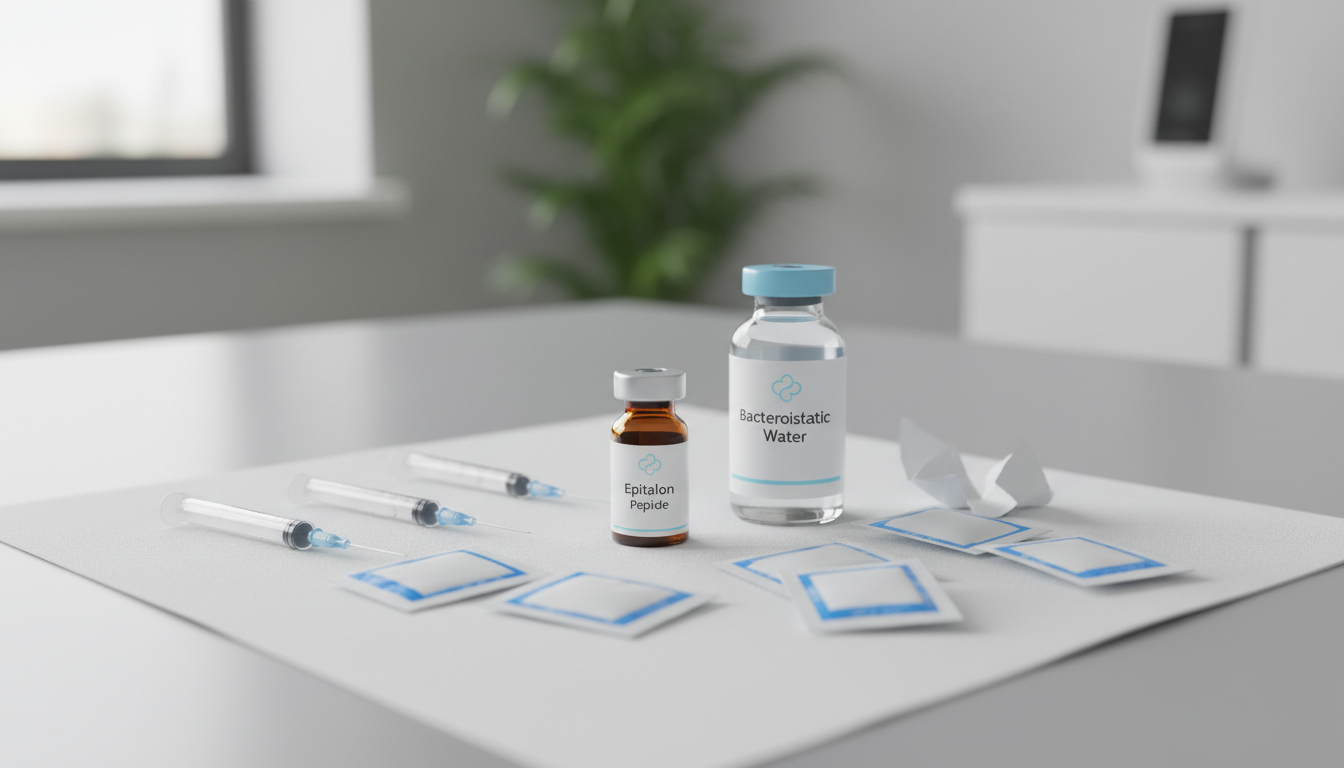
Here is a typical checklist for a standard Epitalon cycle:
- Epitalon Vials: These contain the peptide in a freeze-dried (lyophilized) powder form. Vials commonly come in 10 mg, though larger sizes like 50 mg exist for specific clinic protocols (Perfect B).
- Bacteriostatic Water: This is sterile water containing 0.9% benzyl alcohol, which prevents bacterial growth after a vial has been reconstituted. This is the only liquid you should use for mixing your peptide.
- U-100 Insulin Syringes: These small, fine-gauge syringes are calibrated in units (100 units = 1 mL) and are designed for comfortable subcutaneous injections.
- Alcohol Prep Pads: Used to sterilize the rubber stoppers on your vials and the injection site on your skin to prevent infection.
Before You Start: Important Context
Before handling any materials, it's crucial to understand what Epitalon is and its current regulatory status. Epitalon is a research peptide. In the United States, it is classified as FDA Category 2, which means it cannot be legally compounded by pharmacies for human use (PeptideFox). It is not an FDA-approved drug for any medical condition. This means its long-term safety and efficacy in humans have not been established through the large-scale, independent clinical trials required for approval.
The excitement around Epitalon stems from its mechanism. Research, including a 2025 study from Brunel University, has independently validated its ability to activate telomerase, the enzyme that rebuilds telomeres (PeptideFox). This, combined with its role in restoring melatonin synthesis in the pineal gland, positions it as a unique tool in peptide therapy for anti-aging.
However, many of the human longevity claims originate from Khavinson's original research group and have not been replicated by independent Western studies (Pure Peptide Clinic). While some users explore it for specific goals like sleep enhancement, it's often compared to other sleep-focused peptides. For instance, people often ask how to take DSIP peptide (Delta Sleep-Inducing Peptide) for direct sleep modulation. Epitalon's approach is different, aiming to regulate the entire circadian rhythm via the pineal gland, with better sleep being an early, noticeable effect (Perfect B).
Given its status, working with a qualified provider who understands the research is essential. They can help you weigh the theoretical benefits against the lack of long-term data. Not sure where to start?
Our free quiz can match you with a vetted telemedicine provider who can discuss advanced treatments like peptide therapy. Take the 3-minute quiz to find your provider today.
How to Use Epitalon Peptide: Step-by-Step Instructions
This section breaks down the entire process from mixing the peptide to administration. The most common protocols involve a short cycle followed by a long break. A standard approach is 5-10 mg per day for 10-20 days, repeated 2-3 times per year (The Peptide Guides). We will use a 10 mg dose for 10 days as our primary example.
Step 1: Confirm Your Dosing Protocol with Your Provider
First, you must have a clear protocol from your healthcare provider. Self-prescribing is risky and can lead to improper dosing or negative outcomes. Two protocols are most frequently cited in research and clinical settings:
- 10-Day High-Dose Cycle: 10 mg injected subcutaneously once per day for 10 consecutive days. This is followed by a mandatory 4-6 month break. The Perfect B clinic uses this protocol, recommending a maximum of three cycles per year.
- 20-Day Lower-Dose Cycle: 5 mg injected subcutaneously once per day for 20 consecutive days. This also requires a 4-6 month break between cycles (PeptideDosages.com).
Your provider will recommend a protocol based on your health profile and goals. The first effects are often related to sleep quality, with many users reporting improvements within the first few nights of a cycle (Perfect B). Deeper cellular effects related to telomere support happen over a much longer timeline.
Step 2: Reconstitute the Epitalon Peptide
"Reconstitution" is the process of mixing the freeze-dried peptide powder with bacteriostatic water to prepare it for injection. This must be done carefully to avoid contaminating or damaging the peptide.
- Prepare your vials: Remove the plastic caps from both the Epitalon vial and the bacteriostatic water vial. Use an alcohol prep pad to wipe the rubber stoppers on both vials.
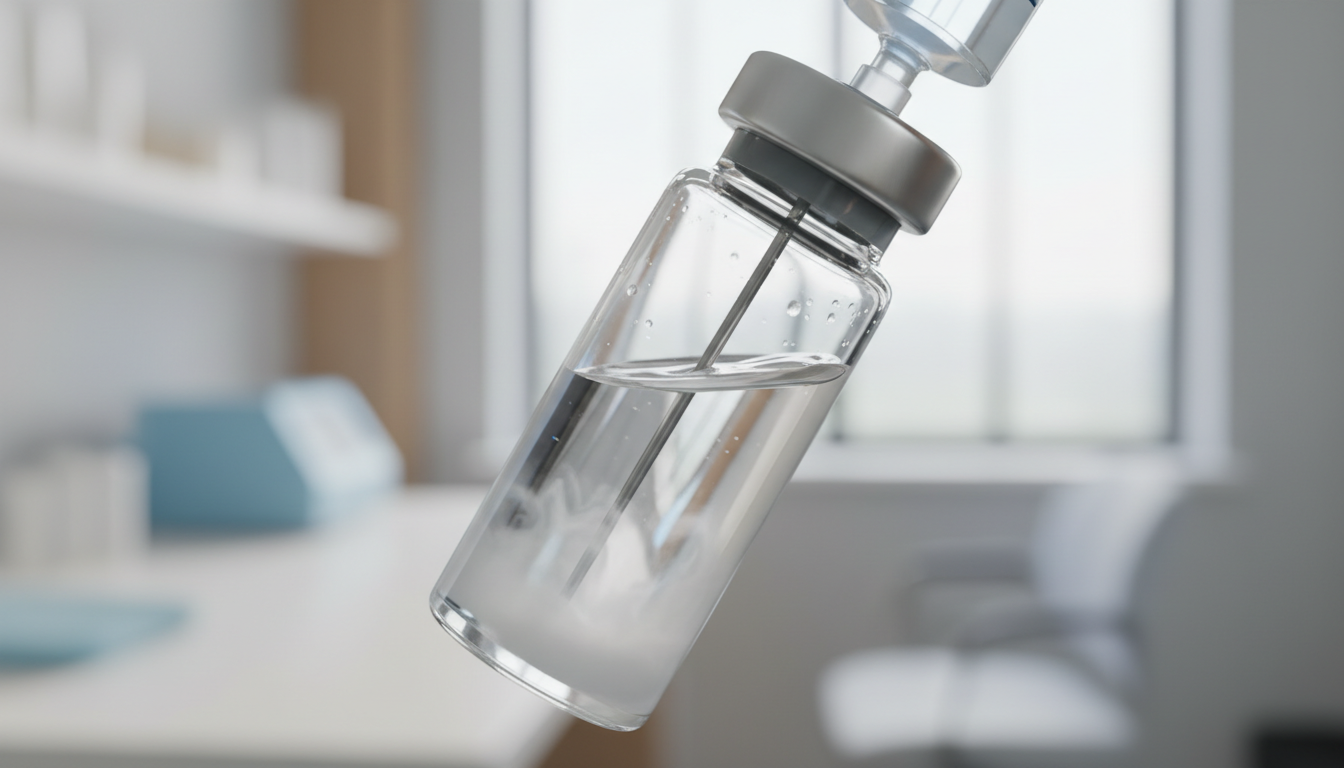
- Draw the water: Take an insulin syringe and pull back the plunger to the amount of water you need. For example, to reconstitute a 10 mg vial of Epitalon, a common practice is to use 1.0 mL (100 units) of bacteriostatic water. Insert the needle into the bacteriostatic water vial and inject the air. Then, turn the vial upside down and draw 1.0 mL of water into the syringe.
- Mix the peptide: Insert the needle of the water-filled syringe into the Epitalon vial. Angle the needle so the water runs down the side of the glass wall instead of spraying directly onto the powder. This gentle approach helps prevent damaging the delicate peptide molecules. Inject the water slowly.
- Gently dissolve: Once all the water is in, remove the syringe. Do not shake the vial. Instead, gently roll it between your fingers or swirl it until the powder is completely dissolved. The final solution should be clear.
For a more detailed walkthrough of this process with any peptide, you can use our free peptide reconstitution calculator to ensure your math is correct.
Step 3: Accurately Calculate and Draw Your Dose
Correct dosing is critical. Your dose in milligrams (mg) or micrograms (mcg) must be converted into units on your insulin syringe. This calculation depends entirely on how you reconstituted the vial in the previous step.
Let's use our example:
- Vial size: 10 mg of Epitalon
- Water added: 1.0 mL of bacteriostatic water
- Concentration: 10 mg per 1.0 mL
If your prescribed dose is 10 mg, you would draw the entire 1.0 mL (100 units) of the solution into your syringe for your injection.
Now, let's consider another common scenario from a clinic like Perfect B, which uses 50 mg vials. Their protocol is 10 mg per day. To make dosing simple, they might reconstitute a 50 mg vial with 2.5 mL of bacteriostatic water.
- Vial size: 50 mg of Epitalon
- Water added: 2.5 mL
- Concentration: 20 mg per 1.0 mL (50 mg / 2.5 mL)
- Your dose: 10 mg
To get a 10 mg dose from this 20 mg/mL solution, you would need 0.5 mL (50 units) in your insulin syringe.
Tip: Always double-check your math with your provider or use a reliable dose calculator. A small error in reconstitution can lead to a large error in your final dose.
Step 4: Prepare the Subcutaneous Injection Site
Epitalon is administered via subcutaneous injection, meaning it's injected into the fatty tissue just beneath the skin. This method provides nearly 100% bioavailability (CalcMyPeptide). The most common and accessible site is the abdomen.
- Choose your spot: Select an area on your abdomen, at least two inches away from your belly button.
- Rotate sites: To avoid irritation, bruising, or scar tissue buildup, rotate your injection site each day. You can move in a clockwise pattern around your navel.
- Clean the area: Take a new alcohol prep pad and wipe the chosen injection site in a circular motion. Let the alcohol air dry completely. Do not blow on it or wipe it dry, as this can reintroduce germs.
While some peptides can be injected intramuscularly, Epitalon protocols specify subcutaneous injection. For a general overview of safe injection practices, you might find our guide on how to inject Semaglutide helpful, as it covers similar principles for subcutaneous administration.
Step 5: Administer the Epitalon Injection
With your dose drawn and site prepared, you are ready to administer the peptide. Most users find the process quick and nearly painless due to the fine needle on an insulin syringe.
- Pinch the skin: Gently pinch about an inch of skin and fat at your cleaned injection site. This lifts the fatty tissue away from the muscle underneath.
- Insert the needle: Hold the syringe like a dart and insert the needle quickly at a 90-degree angle to the skin. If you are very lean, a 45-degree angle may be better to ensure you stay in the subcutaneous layer.
- Inject the peptide: Push the plunger down steadily until all the solution is injected.
- Withdraw and dispose: Pull the needle straight out. Immediately place the used syringe into a designated sharps container. Never recap the needle or throw it in the regular trash.
Tip: The best time for your Epitalon injection is in the evening (PeptideDosages.com). Since the peptide helps regulate the pineal gland and melatonin synthesis, taking it before bed helps align its action with your body's natural circadian rhythm.
Common Mistakes to Avoid
Knowing the right steps is just as important as knowing what not to do. Avoiding these common errors will ensure your protocol is as safe and effective as possible.
- Incorrect Reconstitution: Adding too much or too little water will throw off your concentration, making accurate dosing impossible. Always follow a precise formula.
- Shaking the Vial: Peptides are fragile protein chains. Shaking the vial can break these chains, rendering the peptide useless. Always swirl or roll gently.
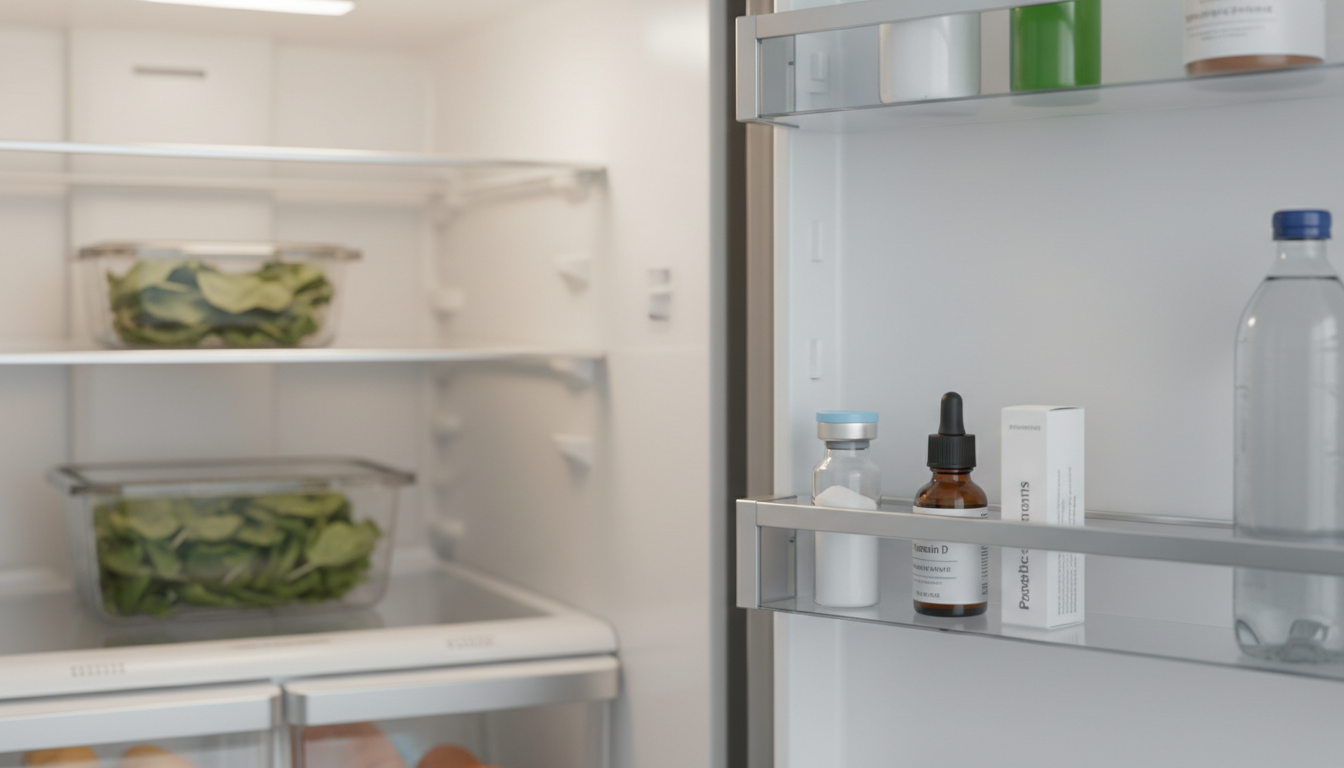
- Improper Storage: Once reconstituted, Epitalon must be stored in a refrigerator (Perfect B). Leaving it at room temperature will cause it to degrade quickly. Unreconstituted vials should be kept in a cool, dark place away from light and heat.
- Ignoring the "Off" Cycle: Epitalon protocols are built around short cycles followed by long breaks of 4-6 months. Continuing use without this rest period is not recommended and goes against established research protocols.
- Unrealistic Expectations: Epitalon works at a cellular level. While sleep may improve quickly, you will not "feel" your telomeres getting longer. Its primary goals are related to long-term preventative health and biological aging, not immediate cosmetic or performance changes.
- Sourcing from Unvetted Websites: The peptide market is largely unregulated. Buying from a questionable source risks receiving a contaminated, under-dosed, or completely different product. Always source through a licensed clinic or provider.
Committing to a peptide protocol means understanding the details. If you're weighing the pros and cons of different anti-aging treatments and their costs, knowing your options is the first step.
Want to see which therapy options fit your budget and personal health goals? Take our free quiz to get matched with a provider who can build a plan for you.
When to Contact Your Doctor
While Epitalon is generally well-tolerated with few reported side effects, you should always be in communication with your healthcare provider throughout your cycle. Contact your doctor immediately if you experience any of the following:
- Signs of an injection site infection: This includes increasing redness, swelling, warmth, pain, or pus at the injection site.
- Allergic reaction: Though rare, signs can include hives, rash, difficulty breathing, or swelling of the face, lips, or tongue. This is a medical emergency.
- Persistent pain or lumps: While minor bruising can happen, persistent pain or hard lumps that don't go away could indicate an issue with your injection technique or an inflammatory reaction.
- Any unexpected or concerning symptoms: Because long-term human data is limited, any new or unusual symptoms should be reported to your provider.
Never hesitate to reach out to your medical team. They are your primary resource for ensuring your peptide therapy is safe. A good provider will want to know how you are responding to the protocol. For help finding a qualified professional, you can browse a directory of peptide clinics or use a matching service.
Ready to start a conversation about your health goals? Take our free 3-minute quiz to get matched with a licensed provider who can determine if a treatment like Epitalon is right for you.
FAQs
What is the best Epitalon dosage?
The most common research-backed protocols are either 10 mg per day for 10 days or 5 mg per day for 20 days. Both are followed by a 4-6 month break. The best dosage for you should be determined by a healthcare provider familiar with peptide therapy.
How long does it take for Epitalon to work?
The first noticeable effects are typically improvements in sleep quality and circadian rhythm, which can occur within the first 1-2 weeks of a cycle (The Peptide Catalog). The deeper cellular effects, such as telomere support, are long-term and not immediately perceptible.
Is Epitalon legal in 2026?
In the U.S., Epitalon is legal for research purposes but is not FDA-approved for human consumption and cannot be legally compounded by pharmacies due to its FDA Category 2 status (PeptideFox). You should only use it under the guidance of a medical professional.
What are the main benefits of Epitalon?
The primary researched benefits of Epitalon are its ability to activate the telomerase enzyme to support telomere length, restore melatonin production for improved sleep and circadian rhythm, and potentially support immune function and cellular renewal.
Can I take Epitalon with other peptides?
Combining peptides, known as "stacking," is common but should only be done under the direction of an experienced provider. They can advise on safe combinations and potential interactions, ensuring your protocol is effective and avoids contraindications. For more information on combining peptides, see guides on topics like BPC-157 vs. TB-500.
Contributing to evidence-based peptide education and provider transparency.
Too many clinics, not enough clarity?
We don't sell peptides. Tell us your goals and we'll connect you with a vetted provider who can figure out what actually makes sense for you.
See what's right for youRelated articles
What Does Sermorelin Before And After Face Look Like?
See a real sermorelin before and after face timeline. We break down the changes you can expect in skin quality, fine lines, and texture week by week.
Anti-AgingWhat Are the Science-Backed GHK-Cu Peptide Benefits?
Curious about GHK-Cu? We explore the science-backed ghk-cu peptide benefits for skin repair, hair growth, and anti-aging. Learn how it works & more.
Anti-AgingWhat GHK Cu Peptide Before and After Pictures Really Show
Don't just look at ghk cu peptide before and after pictures. Understand the realistic timeline for results on wrinkles, scars, and hair growth.