When Do You See GHRP-2 and CJC-1295 Results?
Curious about the timeline for GHRP-2 and CJC-1295 results? We break down what to expect week by week, from initial sleep improvements to long-term fat loss.

This content is for informational purposes only and does not constitute medical advice. Always consult with a qualified healthcare provider before starting any new treatment.
If you're exploring peptide therapy, you’ve likely come across the combination of CJC-1295 and a Growth Hormone Releasing Peptide (GHRP). This stack is popular for its potential effects on body composition, recovery, and anti-aging. Understanding the timeline for GHRP-2 and CJC-1295 results helps set clear expectations for what you might experience.
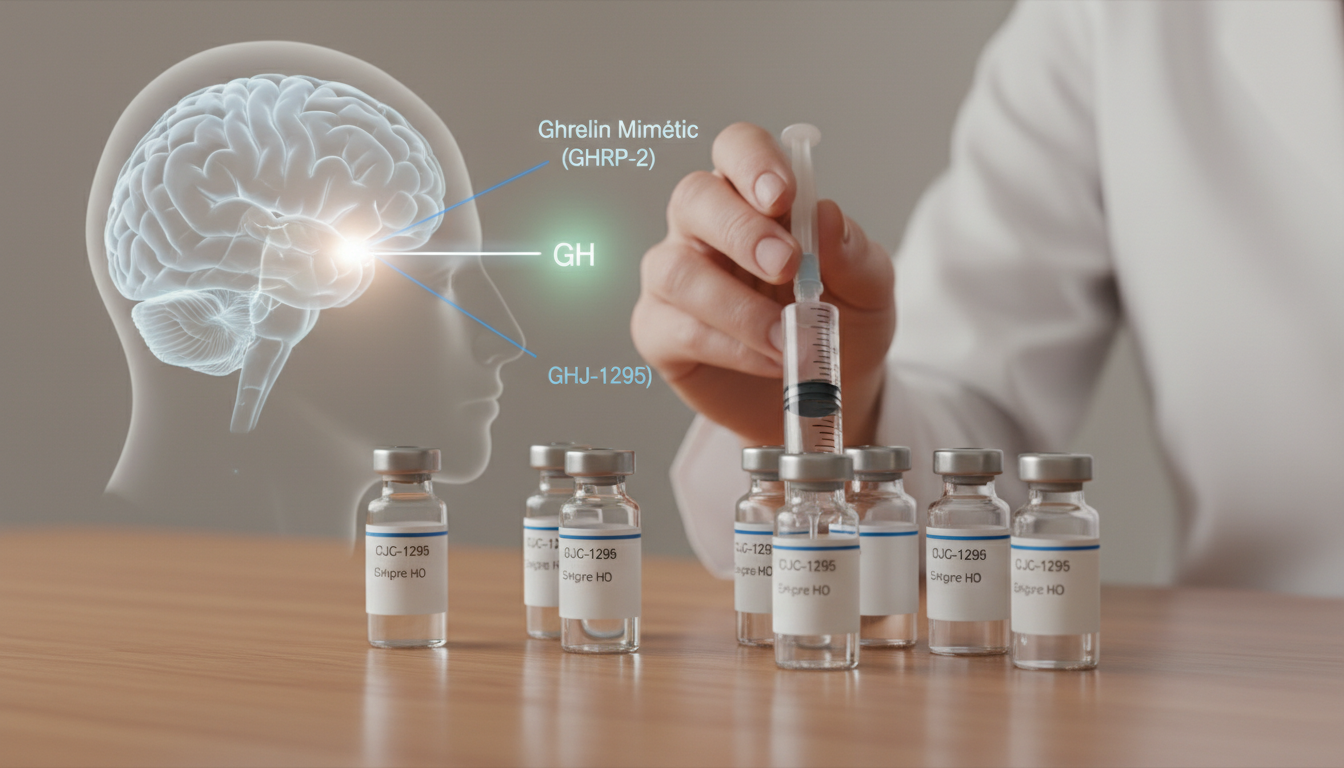
This combination works through a dual-action mechanism. CJC-1295 is a Growth Hormone Releasing Hormone (GHRH) analog, which tells your pituitary gland to produce more growth hormone. GHRP-2 is a ghrelin mimetic, which also signals for a pulse of GH release, but through a different receptor. When used together, they create a synergistic effect, producing a stronger GH pulse than either could alone.
It is important to know that as of 2026, neither CJC-1295 nor GHRP-2 is approved by the FDA for any medical use (PeptideScholar, 2026). While early-phase clinical trials showed promise, development on CJC-1295 was halted. The form most commonly used in clinical settings today is CJC-1295 without DAC (also known as Mod GRF 1-29), which has a short half-life that preserves the body's natural GH pulse pattern (PeptideNerds, 2026). This guide will walk you through the expected results timeline based on clinical data and user experiences.
A Quick Look at GHRP-2 and CJC-1295 Results
For those seeking a quick summary, this table outlines the general timeline of effects. Your individual experience may vary based on dosage, lifestyle, and other factors.
| Timeline | Biological Changes | Common Perceptible Effects |
|---|---|---|
| Week 1-2 | Increased GH pulse frequency and amplitude. | Improved sleep quality, more vivid dreams, potentially faster workout recovery, increased hunger (from GHRP-2). |
| Month 1 | GH and IGF-1 levels begin to stabilize at a higher baseline. | Better energy levels, especially in the afternoon. Noticeably faster muscle recovery post-exercise. Skin may appear more hydrated. |
| Month 2-3 | Sustained elevation of IGF-1 promotes cellular repair and growth. | Visible changes in body composition, including reduced body fat and increased muscle definition. Improved skin elasticity and texture. |
| Month 3-6 | Continued anabolic and lipolytic effects from optimized GH/IGF-1 axis. | More significant improvements in muscle mass and strength. Deeper fat loss, particularly in stubborn areas. Healthier hair and nails. |
| 6+ Months | Potential for pituitary desensitization; protocols often involve cycling. | Maintenance of results. Many users cycle off to allow receptors to reset before potentially starting another course. |
The First Few Weeks: Improved Sleep and Recovery
The initial GHRP-2 and CJC-1295 results are often subtle and internal. During the first one to two weeks, you are unlikely to see dramatic physical changes in the mirror. Instead, the first signs that the peptides are working typically relate to sleep and energy.
Human Growth Hormone is primarily released during deep sleep. By promoting stronger GH pulses, this peptide stack can enhance sleep quality. Many users report falling asleep faster, staying asleep longer, and waking up feeling more rested. Some also experience more vivid or memorable dreams, a common anecdote associated with increased GH activity.
Another early benefit is improved recovery. A 38-year-old user reported that after just a few weeks, their post-workout muscle soreness began to decrease significantly (Semaglutide Guide). While you may still feel the burn from a tough gym session, you might find that the soreness dissipates faster than usual.
However, this initial period can also come with side effects. GHRP-2 is known for stimulating appetite, so you might feel a noticeable increase in hunger shortly after an injection (PeptideScholar, 2026). Other common side effects include mild water retention, temporary headaches, or discomfort at the injection site. These effects are generally mild and often fade as your body adjusts.
If you're starting a new protocol, it's helpful to have guidance. Not sure if what you're feeling is normal? Take our free quiz to get matched with a provider who can answer your questions.
Months One to Two: Tangible Changes in Body Composition
After the first month, the effects start to become more visible. This is where the biologically active changes begin to manifest in your physical appearance. Clinical studies on CJC-1295, though limited, have shown it can increase mean Growth Hormone levels by 2 to 10 times and IGF-1 levels by 1.5 to 3 times (NationwidePeptides, 2026; GLPbase). This sustained elevation is the engine driving the changes you see.
During months one and two, many people report:
- Improved Energy Levels: The initial boost in sleep quality translates into more stable, lasting energy throughout the day. That dreaded afternoon slump may become a thing of the past.
- Reduced Body Fat: Higher GH and IGF-1 levels promote lipolysis, the breakdown of fat for energy. Users often notice a reduction in body fat, particularly stubborn visceral fat around the midsection.
- Increased Muscle Fullness: While you may not be packing on pounds of muscle yet, your muscles might look and feel fuller and more defined. This is often due to increased nitrogen retention and cellular hydration.
- Faster Workout Recovery: The recovery benefits continue to amplify. One user noted that their recovery time from intense workouts dropped from 72 hours down to just 24-36 hours, allowing for more frequent and intense training sessions (Semaglutide Guide).
It's worth noting that the scale might not change dramatically during this period. You could be losing fat while gaining a bit of lean mass and retaining some water, leading to a stable body weight but a visibly improved physique. This is a classic example of body recomposition.
Months Three to Six: The Full Spectrum of GHRP-2 and CJC-1295 Results
The three-to-six-month mark is typically when the most significant and satisfying GHRP-2 and CJC-1295 results appear. By this point, your body has had ample time to respond to the consistently optimized GH and IGF-1 levels. The subtle changes from the first few months compound into a more complete transformation.
During this phase, users often experience:
- Peak Body Composition Changes: Fat loss becomes more pronounced, and lean muscle growth is more apparent. If you've been consistent with resistance training and proper nutrition, you'll likely see clear improvements in muscle size and strength.
- Enhanced Skin and Hair Quality: IGF-1 plays a key role in cellular regeneration. Many users report that their skin appears thicker, firmer, and has better elasticity. Fine lines may seem less noticeable. Hair and nails may also grow faster and stronger. These effects contribute to the "anti-aging" benefits often associated with peptide therapy for anti-aging.
- Sustained High Energy and Mental Clarity: The improvements in sleep and metabolism lead to consistent high energy levels and a sense of well-being.
This is the period where the investment in a peptide protocol really pays off. However, reaching this stage requires consistency with injections, diet, and exercise. The peptides are tools, not magic bullets. They amplify the results of the hard work you put in.
Long-Term Results and Considerations (Beyond 6 Months)
Peptide protocols involving GH secretagogues are not meant to be used indefinitely. Most healthcare providers recommend cycling them, typically for a period of 3 to 6 months, followed by an "off" period of at least one month. There are two main reasons for this.
First, there is a theoretical risk of pituitary desensitization. Constant stimulation could, over time, make the pituitary gland less responsive to the signals. Cycling helps reset these receptors.
Second, and more importantly, the long-term safety of these peptides is not well-studied. Clinical trials for CJC-1295 were discontinued, and although some safety data exists from around 300 participants, it doesn't cover use beyond a few months (NationwidePeptides, 2026). Rare but serious side effects like hypersensitivity reactions were reported in these early trials. Because of these unknowns, working with a knowledgeable peptide doctor is essential for monitoring your health and determining appropriate cycle lengths.
After completing a cycle, you can expect the most pronounced effects to fade gradually. However, the muscle you've built and some of the fat you've lost can be maintained through continued exercise and a healthy diet. Many people find that after a break, they can begin another cycle to continue their progress.
Deciding on a protocol or cycle length can be complex. Want to see which options fit your health profile and goals? Take our free quiz to get matched with a provider who can create a plan for your specific needs.
Factors That Affect Your GHRP-2 and CJC-1295 Results
Not everyone experiences the same results on the same timeline. Several key factors can influence how your body responds to this peptide stack.
- Dosage and Formulation: The form of CJC-1295 used is critical. Most modern protocols use CJC-1295 without DAC (Mod GRF 1-29) because its 30-minute half-life mimics the body's natural GH pulse (PeptideNerds, 2026). The version with DAC has a half-life of 6-8 days, causing a sustained elevation of GH rather than pulses, a state known as a "GH bleed," which is less desirable. A common community protocol for the no-DAC version involves 100-200 mcg injected 2-3 times daily, alongside GHRP-2. Following the protocol prescribed by your provider is crucial.
- Diet and Exercise: Peptides amplify your efforts. To see significant muscle growth, you must engage in regular resistance training and consume adequate protein. For fat loss, maintaining a slight calorie deficit is necessary. These peptides won't override a poor diet or a sedentary lifestyle.
- Age and Baseline Health: Your starting point matters. An individual with clinically low GH levels may experience more dramatic and immediate benefits than a younger person with already healthy GH production.
- Consistency: Missing injections or being inconsistent will blunt your results. These peptides have relatively short half-lives (especially the preferred versions) and require consistent administration to maintain elevated GH and IGF-1 levels.
- Peptide Quality: This cannot be overstated. Since these peptides are not FDA-approved, they are often sourced from compounding pharmacies or research chemical suppliers. As of early 2026, CJC-1295 is classified as a Category 1 substance, which allows it to be legally compounded and prescribed by licensed physicians (PeptideVerdict, 2026). Sourcing from a reputable telehealth clinic or a provider who uses a trusted pharmacy is the only way to ensure purity and safety. You can learn more about finding a trustworthy provider by reading our guide on how to find legitimate peptide clinics.

Ready to see if a peptide protocol is right for you? Our network of vetted providers can help you navigate your options safely and effectively. Take our free 3-minute quiz to connect with a licensed provider and discuss your goals.
FAQs about GHRP-2 and CJC-1295 Results
How long does it take to see results from CJC-1295 and GHRP-2? You may feel subtle effects like improved sleep and recovery within the first one to two weeks. More visible changes in body composition, such as fat loss and muscle definition, typically become apparent after one to two months, with the most significant results appearing between months three and six.
What is the difference between CJC-1295 with DAC and without DAC? CJC-1295 with DAC (Drug Affinity Complex) has a long half-life of about 6-8 days, leading to a sustained elevation of growth hormone. CJC-1295 without DAC (also called Mod GRF 1-29) has a short half-life of about 30 minutes. This preserves the body's natural, healthy pulsatile release of GH and is the form preferred in most modern clinical protocols.
Are the results from CJC-1295 and GHRP-2 permanent? No, the results are not permanent. The benefits are dependent on the peptides actively stimulating your pituitary gland. Once you stop the protocol, your GH and IGF-1 levels will gradually return to your baseline, and the associated benefits will fade over time. Maintaining a healthy lifestyle can help preserve some of the gains.
What are the main side effects of this peptide stack? Common side effects are generally mild and can include reactions at the injection site (redness, itching), temporary water retention, and headaches. GHRP-2 specifically can cause a significant, though temporary, increase in hunger after injection and has been noted to potentially increase cortisol and prolactin (PeptideScholar, 2026).
Why is Ipamorelin often used instead of GHRP-2? Ipamorelin is another peptide in the GHRP family that is often paired with CJC-1295. Many providers prefer it over GHRP-2 because it is more selective. It provides a strong, synergistic GH pulse without significantly increasing appetite or raising levels of other hormones like cortisol and prolactin, making it a "cleaner" option for many users. You can learn more in our detailed CJC-1295 and Ipamorelin guide.
Contributing to evidence-based peptide education and provider transparency.
Too many clinics, not enough clarity?
We don't sell peptides. Tell us your goals and we'll connect you with a vetted provider who can figure out what actually makes sense for you.
See what's right for youRelated articles
Popular Peptides for Men & What They're Used For
From BPC-157 for healing to CJC-1295 for growth, we explain the most common peptides for men and how they could benefit your health and fitness goals.
Growth HormoneDo Peptide Injections for Muscle Growth Actually Work?
Considering peptide injections for muscle growth? We explain the science, the most popular stacks, and the real risks vs. benefits for building lean mass.
Growth HormoneWhat Does Human Growth Hormone Actually Do for You?
Curious about human growth hormone? We explain how this vital hormone works, its role in metabolism, and why it's so debated for anti-aging and performance.