Do Peptide Injections for Muscle Growth Actually Work?
Considering peptide injections for muscle growth? We explain the science, the most popular stacks, and the real risks vs. benefits for building lean mass.
This content is for informational purposes only and does not constitute medical advice. Consult with a qualified healthcare professional before starting any new treatment.
The 2026 Guide to Peptide Injections for Muscle Growth
If you’re serious about fitness, you’ve likely looked for ways to optimize your results. You eat right, train hard, and prioritize recovery. But what if you could support your body's natural processes to build lean mass more effectively? This is where many people start exploring peptide injections for muscle growth. These are not anabolic steroids or synthetic growth hormone. Instead, they are specific chains of amino acids that signal your body to perform certain functions, like increasing its own production of human growth hormone (HGH).
The world of peptides is growing fast. The global market for peptide therapeutics was valued at over $52 billion in 2025 and is projected to climb even higher (Pure Peptide Clinic). This growth is driven by powerful new therapies and a better understanding of how these molecules work. Peptides that support muscle development, often called growth hormone secretagogues (GHSs), are a key part of this conversation. They offer a more nuanced approach compared to direct HGH by working with your body's natural rhythms.
This guide will walk you through exactly how peptides can support muscle development, which ones are most effective, and what you need to know about costs and legality in 2026. If you want to learn more about the fundamental differences between synthetic HGH and growth hormone peptides, our in-depth explainer on HGH vs. HGH peptides is a great place to start.
How Do Peptide Injections for Muscle Growth Work?
To understand how peptide injections for muscle growth work, you first need to understand the body's own system for regulating growth. It all centers around human growth hormone (HGH). Your pituitary gland releases HGH in small bursts, or pulses, throughout the day. This hormone is crucial for cell regeneration, metabolism, and, of course, muscle growth. You can learn more about its functions in our guide on what human growth hormone does.
Peptides used for muscle growth don't replace your HGH. Instead, they encourage your pituitary gland to release more of it. They do this primarily through two pathways:
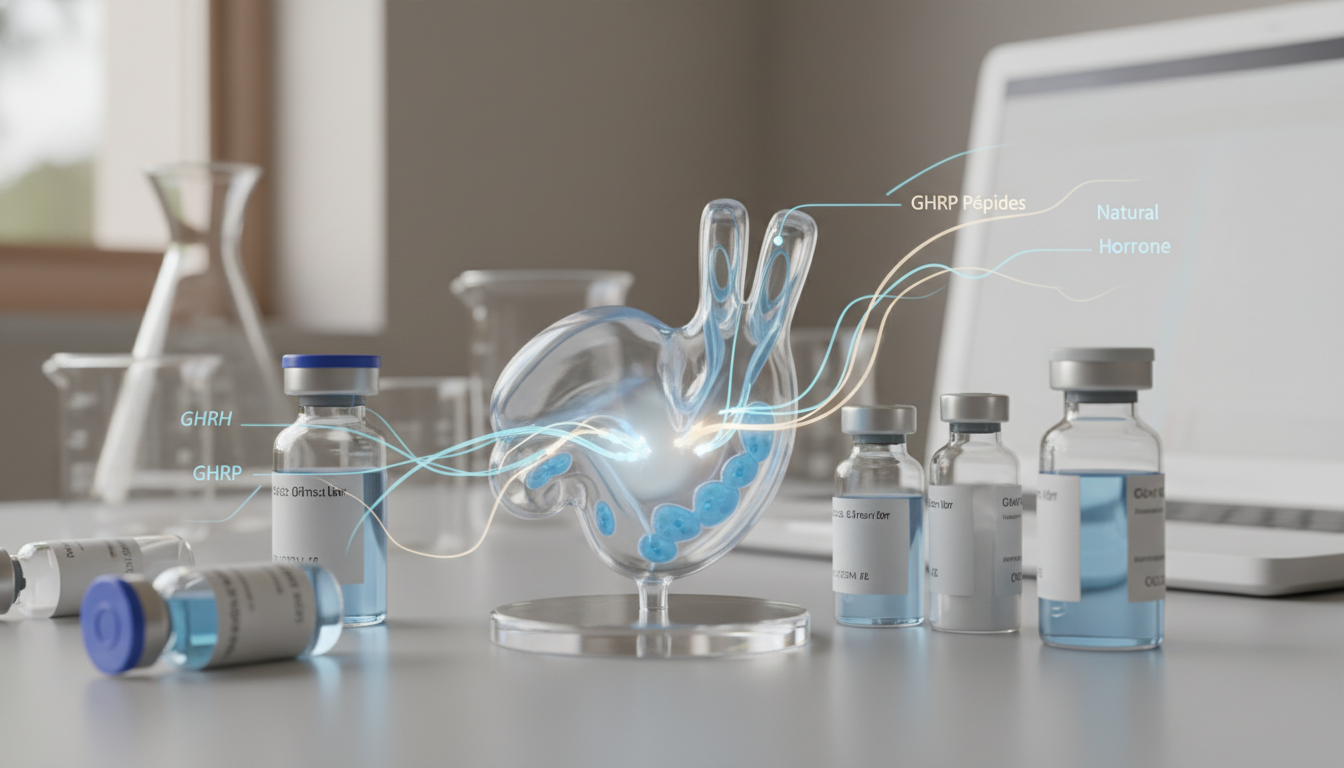
- Growth Hormone-Releasing Hormones (GHRHs): These peptides, like Sermorelin and CJC-1295, mimic the body’s natural GHRH. They tell the pituitary gland to produce and release HGH. Some versions, like CJC-1295 with Drug Affinity Complex (DAC), have a longer-lasting effect, sustaining HGH release for days (The Peptide Catalog).
- Growth Hormone-Releasing Peptides (GHRPs): These peptides, such as Ipamorelin and GHRP-2, work on a different receptor. They also signal the pituitary to release HGH, but they do it by amplifying the natural HGH pulse and suppressing somatostatin, a hormone that inhibits HGH release.
The real power comes from combining a GHRH and a GHRP. Studies show this synergistic approach can amplify the release of HGH by three to ten times more than using either peptide alone (The Peptide Catalog). This is why you often see these peptides prescribed as a blend. The result is a significant increase in your body's natural HGH levels, leading to many of the sought-after growth hormone benefits, such as increased lean muscle mass, improved recovery time, and decreased body fat.
This method contrasts sharply with injecting synthetic HGH directly. Direct HGH introduces a large, unnatural amount of the hormone into your body, which can shut down your own natural production. Peptides, on the other hand, support and enhance your body's existing system, preserving the natural pulsatile release of HGH.
Thinking about which approach might be right for your health goals can be complex. Not sure where to start? Take our free 3-minute quiz to get matched with a provider who can guide you through your options.
Top Peptides for Building Muscle and Aiding Recovery in 2026
When looking into peptide injections for muscle growth, a few names consistently come up due to their effectiveness and growing body of research. As a major regulatory shift in early 2026 has made many of these more accessible through compounding pharmacies, their popularity continues to rise (Peptide Publicus). Here are some of the leading options.
1. CJC-1295 and Ipamorelin: The Power Couple
The combination of CJC-1295 (a GHRH analog) and Ipamorelin (a GHRP) is perhaps the most popular stack for muscle growth, and for good reason. As mentioned, they work together to create a powerful, synergistic release of your body's natural growth hormone.
- CJC-1295 stimulates the pituitary gland to release more GH.
- Ipamorelin is known as a "clean" GHRP because it selectively releases GH without significantly affecting other hormones like cortisol (the stress hormone) or prolactin (The Peptide Catalog).
The peptide injections benefits from this stack are extensive. Users often report increased lean muscle mass, faster recovery after workouts, deeper and more restorative sleep, reduced body fat, and improved skin elasticity. For a complete overview, check out our CJC-1295/Ipamorelin guide.
2. Sermorelin: The Original GHRH
Sermorelin is another GHRH analog that has been studied for decades. It functions similarly to CJC-1295 by stimulating the pituitary gland. While it has a shorter half-life than some newer peptides, it remains a reliable and effective option for peptide hgh therapy. Many individuals notice improvements in energy, body composition, and overall well-being. Its use is common among those new to peptide therapy and in anti-aging protocols. You can even see visual examples of its effects in posts exploring Sermorelin before and after photos.
3. BPC-157 and TB-500: The Recovery Specialists
Building muscle isn't just about stimulation; it's about recovery. You can't train hard enough to grow if you're constantly sidelined by injuries. That's where regenerative peptides like BPC-157 and TB-500 come in. While not direct muscle builders, they are critical for anyone performing intense exercise.
- BPC-157, derived from a protein found in the stomach, is known for its localized healing effects. It promotes the formation of new blood vessels (angiogenesis) and can accelerate the healing of tendons, ligaments, and muscle tissue (CalcMyPeptide). We have a detailed guide comparing BPC-157 vs. TB-500.
- TB-500 works more systemically to promote healing. It helps regulate actin, a protein essential for cell structure and movement, which aids in cell migration to injury sites and reduces inflammation (CalcMyPeptide).
Stacking these two can be particularly effective for recovering from sports injuries, allowing you to get back to training faster and more consistently.
4. Myoki: A New Peptide on the Horizon
Exciting new research is always emerging. A recent 2026 study highlighted a novel peptide called Myoki. In a 12-week human clinical trial, patients with muscle atrophy who took Myoki showed significant improvements in muscle mass, walking speed, and handgrip strength (Frontiers). While still in the early stages of exploration, Myoki represents the next wave of targeted therapies for muscle health and could become a key player in treating age-related muscle loss (sarcopenia) and supporting athletic performance.
The Real Costs and Legal Landscape of Peptide Injections for Muscle Growth
Before starting any therapy, it's essential to understand the financial and legal aspects. The hgh peptide price and accessibility have changed significantly in 2026, making this a more approachable option for many.
What Do Muscle Growth Peptides Cost in 2026?
The cost of peptide therapy can vary widely based on the specific peptide, the dosage, the clinic, and whether the program includes consultations and lab work. Here’s a realistic breakdown based on 2026 data:
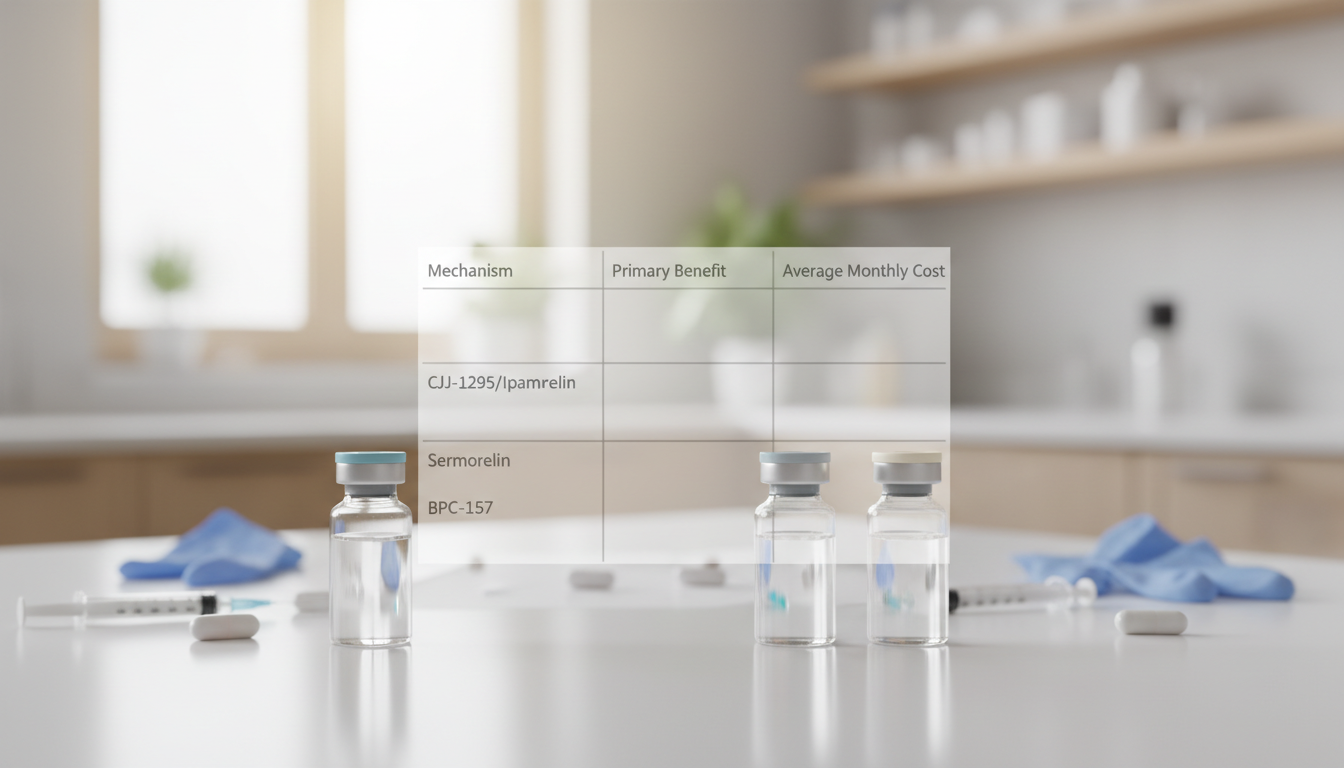
- Sermorelin: A monthly supply of compounded Sermorelin can be as low as $159 (Peptide Injections AI), but comprehensive programs from specialist clinics, including oversight and labs, can range from $750 to over $3,700 for a six-month course (PeakedLabs). Our guide to growth hormone cost provides more detail on these variables.
- CJC-1295 / Ipamorelin Blend: This popular combination is often more cost-effective as a blend. Monthly costs for a compounded version typically fall between $200 and $400. This is significantly less than sourcing the two peptides individually (Peptide Clinic Locator). Some clinics offer this blend for around $199 per month (Peptide Injections AI).
- Insurance Coverage: Most commercial insurance plans do not cover peptide therapy for anti-aging or performance enhancement. However, if prescribed for a recognized medical condition, you may be able to use funds from a Health Savings Account (HSA) or Flexible Spending Account (FSA) with proper documentation (Peptide Clinic Locator).
Want to see which options fit your budget and goals? Our free quiz takes 3 minutes and matches you with vetted providers who offer transparent pricing.
The 2026 Regulatory Shift: Are Peptides Legal?
One of the biggest developments in the peptide space is the recent regulatory clarification. In February 2026, the FDA announced a potential reclassification of 14 peptides, including Sermorelin, BPC-157, and TB-500, moving them from a restrictive category to Category 1 for compounding (Pure Peptide Clinic, Peptide Publicus).
Here’s what that means for you:
- Legal Access with a Prescription: These peptides can be legally prescribed by a licensed healthcare provider and prepared by a U.S. compounding pharmacy that adheres to strict quality standards.
- Not an "FDA-Approved Drug": This reclassification is not the same as being an FDA-approved drug like Ozempic or Mounjaro. It means they are approved for compounding, a process where a pharmacist creates a specific formulation for an individual patient. You can read more about the nuances in our article on whether peptide therapy is FDA approved.
This change has increased legal and safe access to peptides, moving them out of the gray market and into the hands of qualified medical professionals. It has also helped stabilize supply and may lead to more competitive pricing throughout 2026 (PeakedLabs).
What to Consider Before Starting Peptide HGH Therapy
Deciding to start peptide hgh therapy is a significant step toward optimizing your health and fitness. To ensure you do it safely and effectively, here are a few key points to consider.
First, and most importantly, work with a qualified healthcare provider. Peptides are powerful compounds that require medical supervision. A knowledgeable doctor can assess your health, run necessary blood work, and determine if you are a good candidate. They will create a protocol based on your specific needs and goals. Do-it-yourself approaches are risky and can lead to improper dosing or use of contaminated products. You can find a list of vetted providers in our clinics directory.
Second, understand the protocol. Most muscle growth peptides are administered via small, subcutaneous injections, similar to an insulin shot. Common protocols involve one or two daily injections, often taken before bed to align with the body's largest natural GH pulse (Peptide Injections AI). Your provider will give you a specific hgh peptide dosage and teach you how to administer it. Tools like our reconstitution calculator can also help you prepare your doses correctly.
Finally, have realistic expectations. While some peptide injections benefits, like improved sleep quality, may appear within the first few weeks, significant changes in muscle mass and body composition take time. Seeing true hgh peptide therapy before and after results requires consistency with the therapy, a solid nutrition plan, and a challenging training regimen. Peptides are a powerful tool to enhance your efforts, not a replacement for them.
FAQs
Are peptide injections for muscle growth safe? When prescribed and monitored by a qualified healthcare provider and sourced from a reputable compounding pharmacy, peptide therapy is generally considered to have a good safety profile. Side effects can include injection site redness, headache, or fluid retention, but are often mild. It's crucial to discuss your health history with a doctor, as these therapies are not FDA-approved for muscle growth and may not be right for everyone.
How long does it take to see results from muscle growth peptides? Results vary by individual and the specific peptide protocol. Some benefits, such as deeper sleep and improved energy levels, may be noticeable within a few weeks. Visible changes in muscle mass and body fat reduction typically take at least 3-6 months of consistent use, combined with proper diet and exercise.
Are peptides legal for muscle growth in 2026? Yes, when obtained with a prescription from a licensed doctor and filled by a U.S.-based compounding pharmacy. The 2026 reclassification of many peptides has clarified their legal status for compounding, but they cannot be sold over the counter as supplements. Using peptides without a prescription or from an unregulated source is illegal and unsafe.
What is a typical HGH dose for adults using peptides? This is a common point of confusion. With peptide therapy, you are not taking a direct HGH dose for adults. Instead, you are taking a dose of a peptide that stimulates your body's own HGH production. For example, a common starting dose for a CJC-1295/Ipamorelin blend is 100-300 micrograms (mcg) per injection. The exact hgh peptide dosage is determined by your physician based on your individual needs and blood work.
Do I need to inject peptides forever to maintain muscle? No, peptide therapy is typically administered in cycles. A common protocol might be 3 to 6 months of use, followed by a break of one or more months. This cycling strategy helps maintain the pituitary gland's sensitivity to the peptides. Your long-term plan should be developed in consultation with your healthcare provider.
Contributing to evidence-based peptide education and provider transparency.
Too many clinics, not enough clarity?
We don't sell peptides. Tell us your goals and we'll connect you with a vetted provider who can figure out what actually makes sense for you.
See what's right for youRelated articles
Popular Peptides for Men & What They're Used For
From BPC-157 for healing to CJC-1295 for growth, we explain the most common peptides for men and how they could benefit your health and fitness goals.
Growth HormoneWhat Does Human Growth Hormone Actually Do for You?
Curious about human growth hormone? We explain how this vital hormone works, its role in metabolism, and why it's so debated for anti-aging and performance.
Growth HormoneWhat Are the Human Growth Hormone Bodybuilding Side Effects?
Thinking of using HGH? We cover the real human growth hormone bodybuilding side effects, from common issues like joint pain to serious long-term risks.