What Does Human Growth Hormone Actually Do for You?
Curious about human growth hormone? We explain how this vital hormone works, its role in metabolism, and why it's so debated for anti-aging and performance.
This content is for informational purposes only and does not constitute medical advice. Always consult with a qualified healthcare provider before starting any new treatment.
You’ve likely heard about it in discussions about anti-aging, athletic performance, or childhood growth. But what exactly is human growth hormone? This powerful protein, often shorthanded as HGH, plays a vital role in everything from your height as a child to your metabolism as an adult. As our understanding of hormones deepens, so does the interest in HGH therapy for treating specific medical conditions.
This guide is your definitive resource for 2026. We'll break down the science, explore the real-world benefits and risks, and cover the latest advancements, like new once-weekly injections that are changing the treatment landscape. We'll look at the human growth hormone hgh connection, its medical uses, and what you need to know before talking to a doctor.
What is Human Growth Hormone?
Human growth hormone is a small protein made by your pituitary gland and released into the bloodstream. It's essential for growth during childhood and adolescence. In adults, it helps maintain normal body structure and metabolism, supporting cell repair, muscle growth, and bone density.
The "hgh meaning" is simply the acronym for this critical hormone, which is medically known as somatropin when produced synthetically for therapy. Your body doesn't produce HGH at a steady rate. It's released in pulses, mostly during deep sleep and after intense exercise. Production peaks during puberty and begins a slow decline around age 30.
When the pituitary gland doesn't produce enough HGH, a person can develop growth hormone deficiency (GHD). In children, this leads to slow growth and short stature. In adults, GHD can cause a range of symptoms, including:
- Increased body fat, especially around the waist
- Decreased muscle mass and strength
- Low bone density (osteoporosis)
- Fatigue and low energy levels
- Reduced sense of well-being and mood changes
For individuals with a confirmed deficiency, a licensed medical provider can prescribe HGH therapy to restore levels to a healthy range.
Feeling tired or noticing changes in your body composition? It could be related to your hormone levels. Not sure where to start? Take our free quiz to see if a consultation with a hormone specialist could be right for you. Get matched with a provider at /find-provider.
How Does Human Growth Hormone Work?
The mechanism behind human growth hormone involves a coordinated effort between your brain, pituitary gland, and liver. Think of it as a communication system designed to manage growth and repair throughout your body.
The process begins in the hypothalamus, a region of the brain that acts as a control center. It releases two key hormones:
- Growth Hormone-Releasing Hormone (GHRH): This tells the pituitary gland to produce and release HGH.
- Somatostatin: This tells the pituitary gland to stop releasing HGH.
This on-and-off signaling creates the pulsed release of HGH into your bloodstream. Once circulating, HGH has two main ways of acting on your body.
1. Direct Effects: HGH can bind directly to receptors on certain cells. For example, it binds to fat cells (adipocytes) and can trigger them to break down triglycerides, a process called lipolysis. This helps your body use fat for energy. However, most of its significant effects are indirect.
2. Indirect Effects (Mediated by IGF-1): The most powerful effects of HGH happen when it travels to the liver. There, it stimulates the production of another hormone called Insulin-like Growth Factor 1 (IGF-1). IGF-1 is the primary driver of the anabolic, or building, effects associated with HGH.
IGF-1 circulates throughout the body and is responsible for many of the classic human growth hormone benefits. It promotes cell growth and division (hyperplasia) and an increase in cell size (hypertrophy), especially in muscle and bone cells. This is what fuels linear growth in children's long bones and helps adults maintain lean body mass and strong bones.
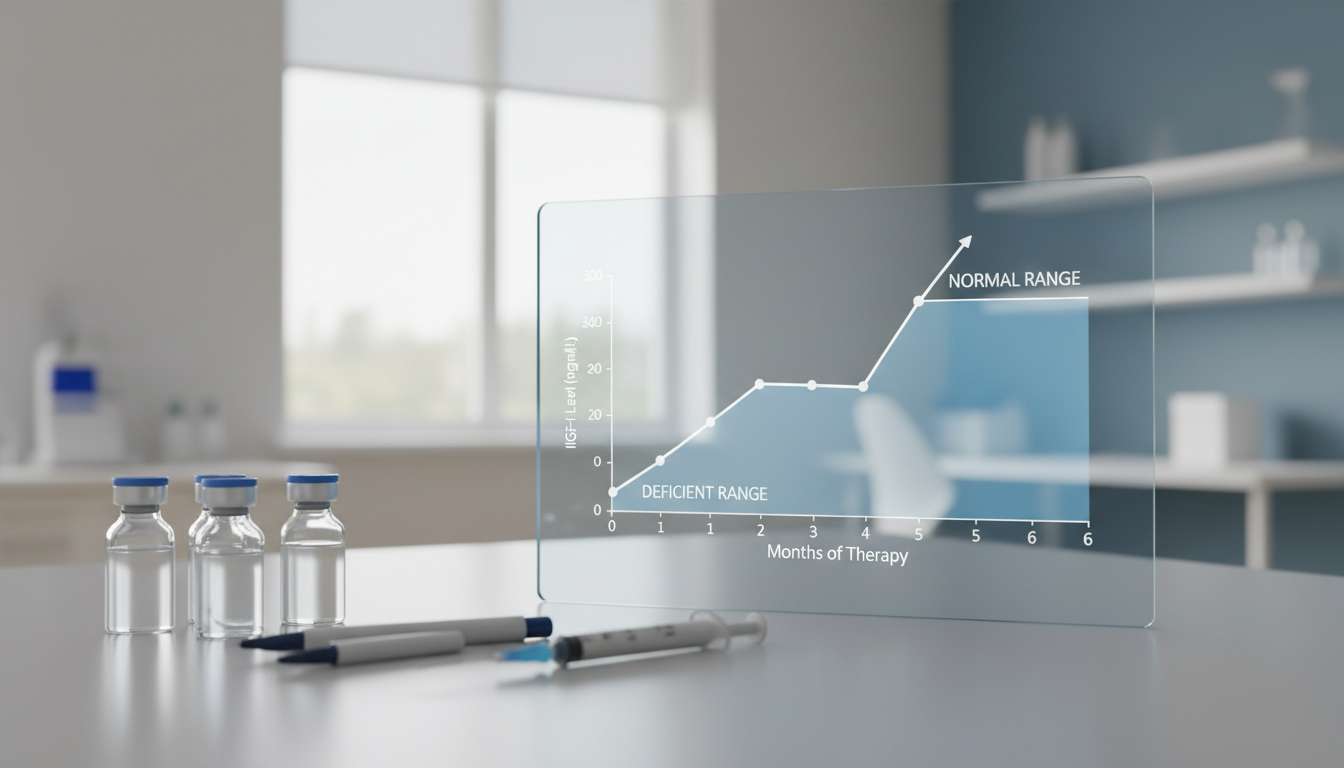
This HGH-to-IGF-1 pathway is a tightly regulated system. High levels of IGF-1 in the blood send a negative feedback signal back to the pituitary gland and hypothalamus, telling them to stop producing HGH. This feedback loop prevents levels from getting too high. In HGH therapy, doctors monitor IGF-1 levels to ensure the dosage is correct and effective.
Alternatives to direct HGH, like HGH peptides, are designed to work within this natural system. They act as GHRHs, stimulating your pituitary to produce its own HGH, which can help preserve this important feedback loop.
The Benefits of Human Growth Hormone Therapy
When prescribed by a doctor for a diagnosed deficiency or another approved condition, human growth hormone therapy can offer significant, evidence-backed benefits. Research continues to refine its use, leading to better outcomes and more convenient treatments.
Increased Lean Body Mass and Improved Body Composition
One of the most well-documented benefits for adults with GHD is a change in body composition. HGH therapy helps shift the body from storing fat to building lean tissue. A recent Phase 3 study published in the journal Pituitary looked at once-weekly somatrogon for adults with GHD. While it didn't significantly reduce trunk fat compared to a placebo, it did lead to significant improvements in lean body mass and other body composition markers. This confirms that HGH helps build and maintain metabolically active muscle tissue, which is often lost in adults with deficiency (Springer Nature, 2026). This can lead to increased strength and physical capacity, improving overall quality of life.
Enhanced Bone Density
HGH and its partner, IGF-1, are critical for bone health. They stimulate the activity of osteoblasts, the cells responsible for building new bone. For adults with GHD, who are at a higher risk of fractures and osteoporosis, HGH therapy can increase bone mineral density over time. This process is gradual, often taking over a year of treatment to see significant changes, but it can be crucial for long-term skeletal health. It's one of the key reasons therapy is continued in adults, not just used for childhood growth. For more on optimizing health as you age, explore some of the top anti-aging supplements.
Improved Growth in Children with Specific Conditions
The original and most known use for HGH is to treat children who are not growing properly. This includes pediatric GHD, but in 2026, the approved uses are much broader.
A major development came on February 27, 2026, when the FDA approved Novo Nordisk’s Sogroya® (somapacitan-beco) for three new pediatric uses. As reported by PR Newswire, these include Idiopathic Short Stature (ISS), short stature in children born Small for Gestational Age (SGA), and growth failure due to Noonan Syndrome. This is significant because Sogroya is a once-weekly growth hormone injection, a major improvement over the traditional daily shots. The approval was based on the REAL8 study, which showed that once-weekly Sogroya was just as effective as daily somatropin at increasing height, achieving an impressive 10.2 cm/year growth velocity in children with ISS (PR Newswire, 2026).
Similarly, the enliGHten trial showed that another once-weekly HGH, lonapegsomatropin, provided sustained height improvements for up to six years in children with GHD, with many reaching or exceeding their expected adult height based on their parents (PubMed, 2024). These long-acting formulas are making therapy much more manageable for children and their families.
Boosted Metabolism and Fat Loss
As mentioned in the mechanism of action, HGH directly encourages lipolysis, the breakdown of fat for energy. For adults with GHD, this can lead to a notable reduction in body fat, particularly visceral fat, which is the dangerous fat stored around internal organs. This metabolic boost not only improves body composition but can also have positive effects on cholesterol levels and cardiovascular health markers.
Risks and Negative Effects of Human Growth Hormone
While the benefits are clear for those with a medical need, HGH is a powerful hormone, and therapy is not without risks. The negative effects of human growth hormone are most common when doses are too high or when it's used off-label without medical supervision.
Common side effects of prescribed HGH therapy can include:
- Joint and muscle pain (arthralgia): Aching in the joints is one of the most frequently reported side effects.
- Swelling in the arms and legs (edema): This is caused by fluid retention.
- Carpal tunnel syndrome: Fluid retention can put pressure on the median nerve in the wrist.
- Increased insulin resistance: HGH can raise blood sugar levels. This requires careful monitoring, especially for individuals who are prediabetic or have diabetes.
Most of these side effects are dose-dependent and can often be managed by adjusting the dosage with your doctor.
Long-term safety is a common concern. A major post-marketing surveillance study called PATRO Adults provided valuable real-world data on the biosimilar HGH Omnitrope®. The final data, published in late 2024, followed over 1,500 adults with GHD for a median of 4.4 years. The study was reassuring, confirming that long-term use was not associated with unexpected safety issues. The rate of treatment-related adverse events was 9.4%, with joint pain being the most common. Importantly, the risk of developing diabetes (1.1%) or cancer (0.3%) was low and consistent with previous studies, showing no increased risk (Dovepress, 2024).
The greatest risks come from using HGH obtained without a prescription. Black market or illicitly sourced HGH may not be pure, could be counterfeit, or may not contain the advertised dose, leading to serious hgh human growth hormone side effects. Using HGH for unapproved purposes like bodybuilding or anti-aging at high doses significantly increases the risk of side effects, including acromegaly, a condition characterized by the overgrowth of bones in the hands, feet, and face.
Weighing the pros and cons of any therapy can be complex. To see if FDA-approved hormone optimization options might fit your health profile, consider getting personalized guidance. Our free quiz takes 3 minutes and matches you with a vetted provider who can answer your questions.
Getting Started with HGH Therapy and How It’s Administered
If you suspect you have symptoms of adult GHD, the first step is to consult a qualified healthcare provider, typically an endocrinologist. You cannot and should not buy human growth hormone online without a prescription.
The process for getting started with legitimate HGH therapy involves several steps:
- Initial Consultation: You will discuss your symptoms, medical history, and concerns with a doctor. You can find a legitimate peptide and hormone clinic through trusted resources.
- Hormone Testing: To confirm a diagnosis of GHD, blood tests are required. Because HGH is released in pulses, a single measurement is not reliable. Instead, doctors usually measure IGF-1 levels, as they are stable throughout the day and reflect average HGH production. Sometimes, a "stimulation test" is needed, where you are given a substance to provoke HGH release, and your blood is drawn multiple times to measure the response. A similar detailed process is used when you get your testosterone tested.
- Prescription and Dosing: If a deficiency is confirmed, your provider will prescribe recombinant human growth hormone. The dose is carefully calculated based on your weight, age, and IGF-1 levels, and it's typically started low and adjusted over time.
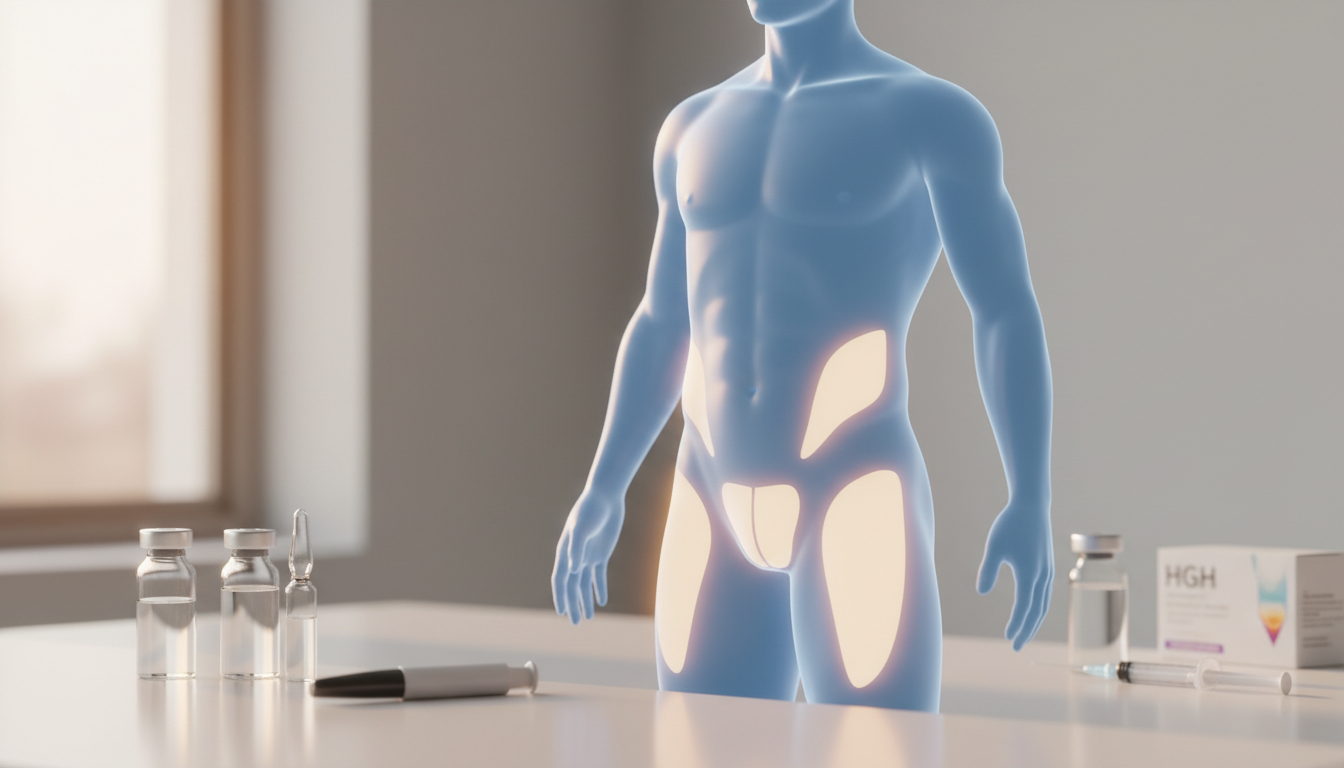
- Administration: The standard method of administration is a subcutaneous growth hormone injection, meaning it's injected into the fat layer just under the skin. As of 2026, there are two main cadences for this:
- Daily Injections: The traditional method involves small, daily injections using a pen device or a needle and syringe.
- Weekly Injections: The newest advancement in HGH therapy is long-acting formulas. Drugs like Sogroya® (somapacitan-beco) and somatrogon are FDA-approved and only require one injection per week. This has been a major quality-of-life improvement, especially for pediatric patients, by reducing the burden of daily shots.
Your provider or a nurse will teach you how to properly administer the injections at home.
Human Growth Hormone Cost, Legal Status, and FDA Approval
Understanding the financial and legal aspects of human growth hormone is critical before considering it as a treatment option.
Human Growth Hormone Cost
The cost is one of the most significant factors for patients. Because it is a biologic drug that is complex to manufacture, HGH is expensive. According to a 2026 market analysis from Peptide Publicus, the monthly human growth hormone cost for therapy can range from $800 to over $3,000. The final price depends on the brand, dosage, and your insurance coverage.
This is a stark contrast to a popular alternative, HGH-stimulating peptides, which are also known as secretagogues. These compounds, like CJC-1295/Ipamorelin, work by stimulating your own pituitary gland to produce more HGH. The cost for these peptides is significantly lower, typically ranging from $150 to $350 per month. For individuals seeking general hormone optimization rather than treating severe, diagnosed GHD, peptides can be a more accessible starting point. You can learn more about the cost of peptide therapy here.
Legal Status and FDA Approval
Recombinant human growth hormone is a tightly controlled substance in the United States. It is only legal to prescribe and use for a list of specific, FDA-approved medical conditions.
FDA-approved uses include:
- Adult Growth Hormone Deficiency (aGHD)
- Pediatric Growth Hormone Deficiency (pGHD)
- Turner Syndrome
- Prader-Willi Syndrome
- Chronic Kidney Disease
- Idiopathic Short Stature (ISS)
- Children born Small for Gestational Age (SGA)
- Short stature associated with Noonan Syndrome
As of early 2026, Sogroya® is noted as the long-acting growth hormone with the broadest range of approved indications, covering many of these conditions (PR Newswire, 2026).
It is a federal offense to prescribe or distribute HGH for unapproved, "off-label" uses such as anti-aging, bodybuilding, or general wellness. This is why you cannot legally buy HGH over the counter or from online pharmacies without a valid prescription for an approved condition. Any website offering HGH without a prescription is operating illegally. It's important to understand the regulatory landscape, which you can read more about in our post on whether peptide therapy is FDA approved.
Ready to explore your options with a qualified professional? Take our free 3-minute quiz to get matched with a licensed provider who can guide you on the right path for your health goals.
FAQs about Human Growth Hormone
Can you increase human growth hormone naturally?
Yes, certain lifestyle habits can help optimize your body's natural production of HGH. The most effective methods include getting at least 7-8 hours of quality deep sleep (where HGH is primarily released), engaging in high-intensity interval training (HIIT), maintaining a healthy body weight, and reducing sugar intake. While these methods support healthy levels, they cannot correct a true clinical deficiency.
What is the main function of HGH?
The main function of human growth hormone is to stimulate growth, cell reproduction, and cell regeneration. In children, it's essential for growing taller. In adults, it plays a key role in maintaining muscle mass, bone density, and a healthy metabolism, as well as helping to repair tissues throughout the body.
Is HGH a steroid?
No, HGH is not a steroid. HGH is a protein-based peptide hormone. Anabolic steroids, like testosterone, are synthetic hormones derived from cholesterol that primarily promote muscle growth by binding to androgen receptors. While both can have anabolic effects, they are different classes of hormones with different mechanisms of action and side effect profiles.
How long does it take to see results from HGH therapy?
Results from HGH therapy are gradual. Some patients report improvements in energy and mood within the first few weeks. Noticeable changes in body composition, such as decreased fat and increased muscle mass, typically take 2-3 months to become apparent. Improvements in bone density can take a year or more of consistent treatment.
Are there over-the-counter HGH supplements?
True recombinant human growth hormone is a biologic drug available by prescription only. The "HGH boosters" or "secretagogues" sold over the counter are typically supplement blends of amino acids like arginine, ornithine, and glutamine. While these amino acids are building blocks for proteins and may play a minor role in hormone health, they do not contain HGH and have not been clinically proven to significantly increase HGH levels in the way that prescribed medications do.
What are the latest advancements in HGH therapy in 2026?
The biggest advancement in 2026 is the growing adoption of once-weekly, long-acting growth hormone injections. Medications like Sogroya® (somapacitan-beco), somatrogon, and lonapegsomatropin have been shown to be as effective as daily injections. This reduces the treatment burden from 365 injections per year to just 52, significantly improving convenience and adherence for both children and adults. Sogroya's expanded FDA approval in February 2026 for several pediatric conditions marks a major step forward in making this more convenient option available to more patients.
Contributing to evidence-based peptide education and provider transparency.
Too many clinics, not enough clarity?
We don't sell peptides. Tell us your goals and we'll connect you with a vetted provider who can figure out what actually makes sense for you.
See what's right for youRelated articles
Popular Peptides for Men & What They're Used For
From BPC-157 for healing to CJC-1295 for growth, we explain the most common peptides for men and how they could benefit your health and fitness goals.
Growth HormoneDo Peptide Injections for Muscle Growth Actually Work?
Considering peptide injections for muscle growth? We explain the science, the most popular stacks, and the real risks vs. benefits for building lean mass.
Growth HormoneWhat Are the Human Growth Hormone Bodybuilding Side Effects?
Thinking of using HGH? We cover the real human growth hormone bodybuilding side effects, from common issues like joint pain to serious long-term risks.