Ipamorelin Oral vs Injection: Which One Works Better?
Confused about ipamorelin oral vs injection? We dive into bioavailability, effectiveness, cost, and side effects to help you decide which form is right.
This content is for informational purposes only and does not constitute medical advice. Consult with a qualified healthcare provider before starting any new treatment or therapy.
When exploring peptide therapies for anti-aging, recovery, or body composition, you’ll quickly encounter Ipamorelin. But the discussion around how to take it can be confusing. The choice between ipamorelin oral vs injection is a common point of contention for many individuals researching growth hormone secretagogues in 2026. While injections are the clinically studied and established method of administration, the appeal of a simple oral pill is undeniable. This guide provides a clear, evidence-based breakdown to help you understand the real differences and determine which path, if any, aligns with your health goals.
Quick Comparison: Ipamorelin Oral vs. Injection
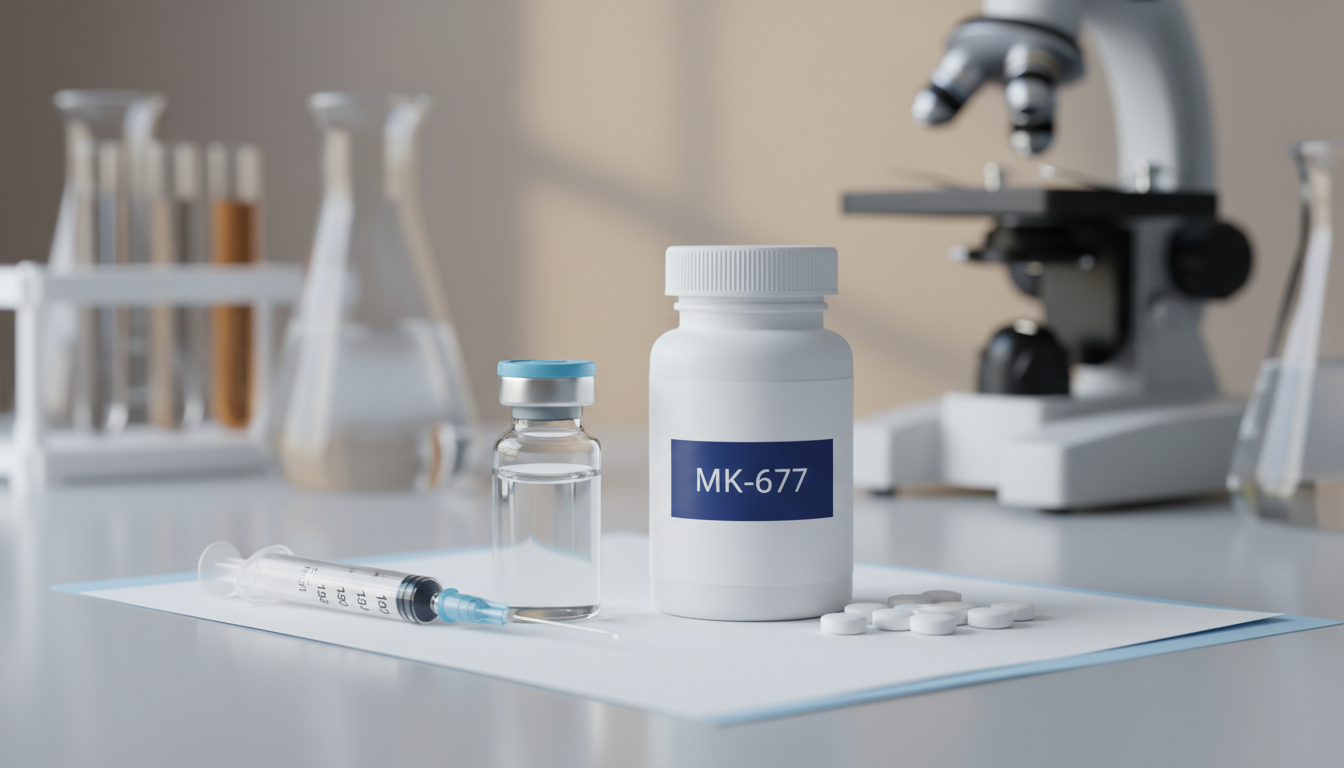
Before we dive deep, it's crucial to clarify one thing. A true "oral ipamorelin" formulation is not widely available for clinical use because peptides like Ipamorelin are poorly absorbed when swallowed. When people search for an oral option, they are almost always referring to MK-677 (Ibutamoren), another popular oral growth hormone secretagogue. This table compares the standard injectable Ipamorelin to its most common oral alternative, MK-677.
| Feature | Injectable Ipamorelin | "Oral Ipamorelin" (MK-677) |
|---|---|---|
| Administration | Subcutaneous injection, 1-3 times daily | Oral pill or liquid, 1-2 times daily |
| Mechanism | Selective ghrelin receptor agonist, pulsatile GH release | Ghrelin receptor agonist, sustained GH release |
| Effectiveness | Strong, clean pulse of Growth Hormone (GH) | Modest, sustained elevation of GH and IGF-1 |
| Impact on Cortisol | None. Very selective for GH. | Can significantly increase cortisol levels. |
| Impact on Blood Sugar | Minimal to no effect on insulin or glucose. | May increase blood sugar and cause insulin resistance. |
| Appetite Stimulation | Minimal to none. | Significant increase in appetite is very common. |
| Primary Side Effects | Mild injection site reactions (redness, itching). | Water retention, lethargy, increased hunger. |
| Convenience | Requires mixing, storing, and self-administering injections. | High. Easy to take as a pill. |
| Typical Monthly Cost | $200 - $400 | $50 - $100 (from research sites, quality varies) |
Confused about which approach to GH stimulation aligns with your health goals and safety concerns? The path isn't always clear, and what works for one person may not be right for another. To get clarity, take our free 3-minute quiz to get matched with a provider who can offer guidance based on your specific needs.
What is Injectable Ipamorelin?
Injectable Ipamorelin is a synthetic peptide that belongs to a class of drugs called Growth Hormone Releasing Peptides (GHRPs). It's known for being highly selective, meaning it stimulates your body to produce more growth hormone with minimal effects on other hormones.
According to a comprehensive guide, Ipamorelin works by binding to ghrelin receptors in the pituitary gland (Formblends, "Ipamorelin Complete Guide"). This action triggers the release of growth hormone in a pulsatile manner, mimicking the body's natural rhythm. This is a key distinction from other secretagogues that can cause a constant, unnatural flood of GH.
The benefits of this controlled release are significant. Research shows injectable Ipamorelin:
- Boosts GH and IGF-1: Clinical studies indicate it can increase growth hormone levels by 5 to 10 times and IGF-1 levels by 30-40% over a period of 3 to 6 months.
- Maintains Hormonal Balance: It stimulates GH production without significantly raising cortisol or prolactin levels, which helps avoid unwanted side effects like stress, water retention, or metabolic issues.
- Improves Skin and Recovery: A 2007 human pilot study found that Ipamorelin increased dermal Type I collagen by 38% and improved skin elasticity by 31% (PeptideMark, "Ipamorelin Research Timeline"). This makes it popular for anti-aging peptide therapy.
As of 2026, Ipamorelin's regulatory status is complex. It is available through compounding pharmacies for qualified patients with a prescription and is on the FDA's bulk drug substance nomination list (Peptide Injections AI, "Ipamorelin Peptide Therapy"). However, other sources note that its legal compounding status is in question, and outside a clinical trial, it's primarily obtained through a licensed provider who can assess its suitability for off-label use (PeptideSearch, "How to Get Ipamorelin").
Typical Ipamorelin dosage per day is 200-300 mcg administered 1-3 times daily via subcutaneous injection. It often comes in a lyophilized (freeze-dried) powder that must be reconstituted with bacteriostatic water.
What is "Oral Ipamorelin"? The Truth About Oral Alternatives
The term "oral Ipamorelin" is mostly a misnomer. Peptides are strings of amino acids, and when taken orally, they are typically broken down by stomach acid and digestive enzymes before they can be absorbed into the bloodstream. This makes most oral peptides ineffective.
So, what are people referring to? In nearly all cases, the compound being discussed is MK-677, also known as Ibutamoren. MK-677 is not a peptide; it's a small molecule, non-peptide drug that is orally active. Like Ipamorelin, it acts as a potent ghrelin receptor agonist, effectively telling the pituitary gland to secrete more growth hormone.
Because it serves a similar function but can be taken as a pill, MK-677 has become the de facto "oral Ipamorelin" in many online discussions. Its primary advantage is convenience. Instead of multiple daily injections, a user can take a single daily pill.
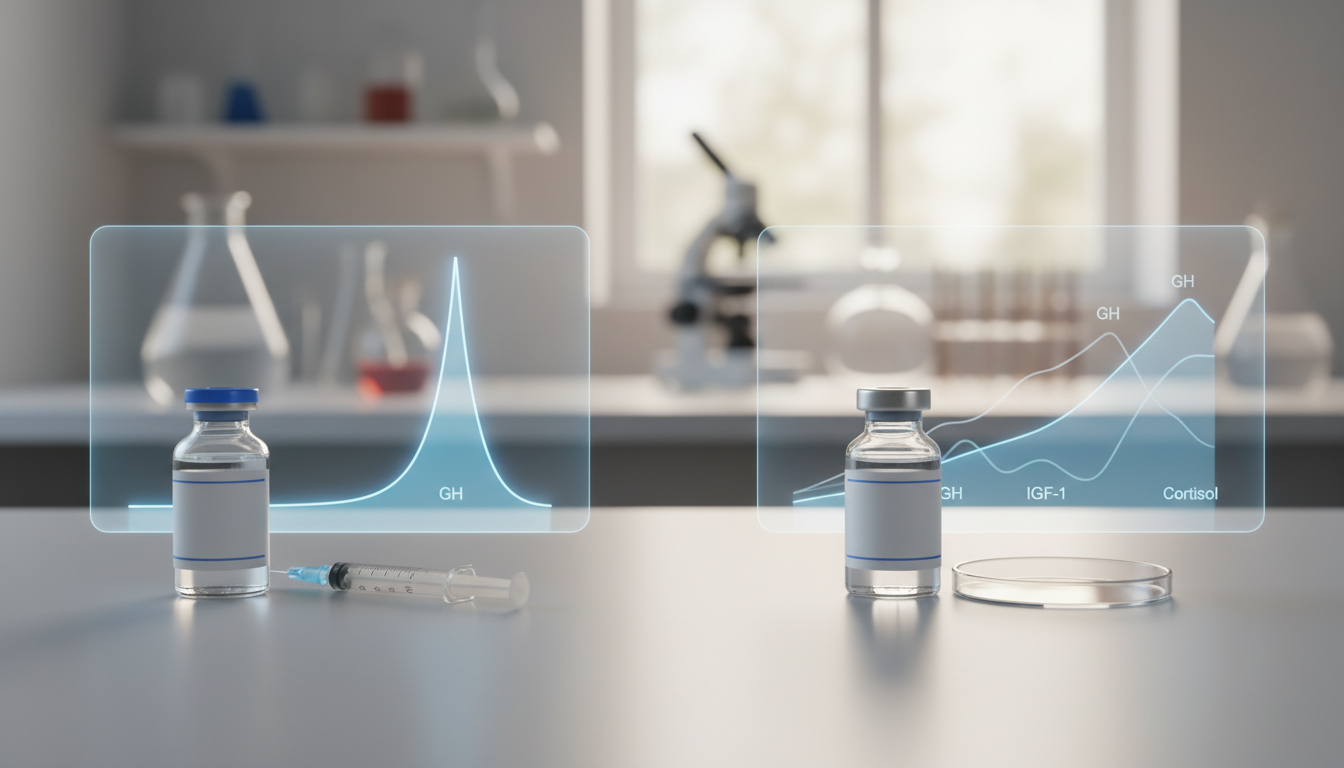
However, its mechanism is different. While Ipamorelin creates short, clean pulses of GH, MK-677 has a much longer half-life. This results in a sustained elevation of both GH and IGF-1 levels throughout the day (PeptideMark, "MK-677 vs Ipamorelin"). While this may sound good, this constant stimulation is less like the body's natural process and is responsible for many of its distinct side effects.
Key Differences: Ipamorelin Oral vs. Injection
Understanding the debate of Ipamorelin oral vs. injection requires a closer look at how injectable Ipamorelin and its oral alternative, MK-677, truly differ in their effects on the body. The choice goes far beyond just a needle versus a pill.
Mechanism and Hormonal Impact
The most critical difference lies in selectivity and duration.
- Injectable Ipamorelin: As a selective GHRP, Ipamorelin's action is precise. It targets the ghrelin receptor to stimulate a clean pulse of growth hormone that lasts for about one to two hours (PeptideMark, "MK-677 vs Ipamorelin"). It does not significantly raise levels of cortisol (the stress hormone) or prolactin. This precision minimizes the risk of metabolic side effects, making it a "cleaner" option for GH stimulation. The pulsatile release mimics the body's natural production, which is considered safer for long-term use.
- Oral Alternative (MK-677): MK-677 also targets the ghrelin receptor but causes a sustained release of GH that can last for many hours. This constant stimulation also leads to less desirable hormonal changes. Research shows MK-677 can significantly increase cortisol levels and is associated with a high incidence of insulin resistance, affecting 20-40% of users in some studies (PeptideMark, "MK-677 vs Ipamorelin"). This broader hormonal impact is a major trade-off for its oral convenience.
Effectiveness and Results
Both compounds increase growth hormone, but the quality and quantity of that increase differ.
- Injectable Ipamorelin: Ipamorelin is known for producing powerful, sharp peaks in GH levels, sometimes raising them by 200-400% above baseline per dose (PeptideMark, "MK-677 vs Ipamorelin"). This can lead to a 15-30% increase in IGF-1 levels. Clinical evidence also points to specific, measurable benefits. A three-year trial on males with traumatic brain injury found that Ipamorelin treatment significantly improved functional independence and cognitive scores while reducing brain atrophy (Testosterone.me, "Ipamorelin Boosts TBI Recovery"). It's often used in combination with another peptide, CJC-1295, to maximize these results, which you can read about in our CJC-1295 Ipamorelin guide.
- Oral Alternative (MK-677): MK-677 increases the average 24-hour GH secretion by about 50-100% and IGF-1 levels by 10-20% (PeptideMark, "MK-677 vs Ipamorelin"). While effective, these increases are more of a gentle, constant rise rather than the sharp peaks seen with Ipamorelin. The lack of published human trials for goals like fat loss or muscle gain for Ipamorelin makes direct comparisons difficult (Peptide Garden, "Ipamorelin: Evidence, Safety"). However, the targeted action of Ipamorelin is generally preferred by clinicians for its better safety profile.
Administration and Dosing
This is the most straightforward difference and the primary reason for the Ipamorelin oral vs. injection debate.
- Injectable Ipamorelin: This requires subcutaneous injections, typically into the abdominal fat, using a small insulin syringe. The standard protocol involves reconstituting a lyophilized powder with bacteriostatic water, drawing a precise dose, and injecting it one to three times per day. For many, this is a significant barrier.
- Oral Alternative (MK-677): MK-677 is far more convenient. It comes as a pill or a liquid that is swallowed once a day, usually before bed to mitigate potential lethargy. There are no needles, no mixing, and no special storage required.
Side Effects Compared: Analyzing the Safety of Ipamorelin Oral vs. Injection
When deciding between peptide therapies, the side effect profile is just as important as the potential benefits. The different mechanisms of injectable Ipamorelin and its oral counterpart, MK-677, lead to very distinct safety considerations. The pharmaceutical industry is constantly moving toward formulations with better safety profiles, as seen with AMGEN's new subcutaneous TEPEZZA, which offers comparable efficacy to the IV version but with more manageable injection site reactions (AMGEN, PR Newswire). This trend highlights the importance of choosing a therapy with the fewest possible adverse events.
Here’s a direct comparison of the most common side effects:
| Side Effect | Injectable Ipamorelin | Oral Alternative (MK-677) |
|---|---|---|
| Water Retention | Minimal to none. | Common, can be mild to moderate. |
| Increased Appetite | Rare and very mild. | Very common and often intense. |
| Insulin Sensitivity | No significant negative impact. | Significant concern; may increase glucose and cause insulin resistance. |
| Cortisol Levels | No increase. | Can be significantly elevated. |
| Lethargy/Tiredness | Can occur post-injection but is usually mild and short-lived. | Can cause significant lethargy, especially in the initial weeks. |
| Numbness/Tingling | Rare. | Can occur, often described as a carpal tunnel-like feeling. |
| Injection Site Reactions | Common (mild pain, redness, itching). | Not applicable. |
For injectable Ipamorelin, the side effects are generally mild and localized. The biggest complaint is the temporary discomfort at the injection site. A long-term safety study showed that 91% of subjects remained free of adverse events over 12 months, underscoring its favorable safety profile (PeptideMark, "Ipamorelin Research Timeline"). This makes it a preferred choice for those who are sensitive to hormonal fluctuations or have pre-existing metabolic concerns. The potential for CJC-1295 side effects when stacked with Ipamorelin are also generally considered mild.
MK-677, on the other hand, presents a more systemic set of side effects due to its non-selective and sustained action. The intense hunger can be problematic for those trying to manage their weight. The water retention can cause puffiness and temporary weight gain. Most concerning is its impact on glucose metabolism. The risk of developing insulin resistance makes it a poor choice for individuals who are prediabetic, diabetic, or otherwise concerned about their metabolic health.
Weighing the pros and cons of different side effect profiles can be overwhelming. Each person's body reacts differently, and a provider can help you assess your personal risk factors. Get personalized guidance by taking our free quiz to connect with a professional who can help you make an informed decision.
Cost Compared
Cost is a practical factor that heavily influences any healthcare decision. When comparing injectable Ipamorelin to its oral alternatives, the price difference can be substantial, but so is what you get for your money.
Injectable Ipamorelin: The cost for a monthly supply of injectable Ipamorelin, prescribed through a legitimate telehealth platform or peptide clinic, typically ranges from $200 to $400. This price often includes the peptide itself, supplies like syringes and alcohol swabs, and sometimes consultations with the provider.
Many users stack Ipamorelin with CJC-1295 for a synergistic effect. A common offering is a blended vial of Ipamorelin/CJC-1295, with some providers pricing a one-month supply at approximately $199 (Peptide Injections AI, "Ipamorelin Peptide Therapy"). You can learn more about the specific pricing of these protocols on our CJC-1295 Ipamorelin cost per month page. While the upfront cost is higher, you are paying for a medication that has been sourced from a regulated compounding pharmacy, ensuring its purity, potency, and sterility. This price also reflects the medical oversight required for safe and effective treatment.
Oral Alternative (MK-677): The price for MK-677 is generally much lower. When purchased from online "research chemical" suppliers, a one-month supply can cost anywhere from $50 to $100. This lower price is a major draw for many people.
However, this cost comes with significant caveats. These products are sold "for research purposes only" and are not intended for human consumption. They do not undergo the same rigorous quality control and testing as medications from a compounding pharmacy. There is a real risk of receiving a product that is under-dosed, contaminated, or a completely different substance. Because you are not under the care of a doctor, you also lack the necessary blood work and monitoring to use the compound safely. The low price reflects a high-risk, unregulated market.
Who Should Choose Which?
The decision between injectable Ipamorelin and an oral alternative like MK-677 ultimately comes down to your personal priorities regarding safety, effectiveness, and convenience.
You should consider injectable Ipamorelin if:
- Safety is your top priority. You want a targeted GH boost without disrupting other critical hormones like cortisol or insulin.
- You are concerned about metabolic health. If you have or are at risk for blood sugar issues, Ipamorelin's clean profile is the far superior choice.
- You prefer a medically supervised approach. You want the assurance of a prescription from a licensed provider and a product from a regulated pharmacy.
- You are not deterred by daily injections. If you can handle the process of self-injecting, the benefits in safety and precision are worth it.
You might be tempted by an oral alternative like MK-677 if:
- Convenience is your only concern. You are completely averse to needles and want the simplest possible administration method.
- You are seeking appetite stimulation. For individuals on a "bulking" protocol trying to gain mass, the intense hunger may be seen as a benefit, though it comes with risks.
It is critical to understand that choosing an oral alternative like MK-677 means accepting a higher-risk profile for side effects, especially concerning water retention and insulin resistance. For most people pursuing health optimization and anti-aging, the precision and superior safety of injectable Ipamorelin make it the clear winner, despite the inconvenience of injections.
Ready to explore your options with a professional? The world of peptides can be complex, but you don't have to figure it out alone. Take our free 3-minute quiz to get matched with a licensed provider who can help you determine the best and safest path forward for your health goals.
FAQs
Is oral Ipamorelin real?
A true, effective oral Ipamorelin peptide is not commonly available for clinical use because peptides are broken down by the digestive system. The term "oral Ipamorelin" almost always refers to MK-677 (Ibutamoren), an orally active non-peptide drug that also stimulates growth hormone.
Which is more effective, injectable Ipamorelin or oral MK-677?
Injectable Ipamorelin is more effective at creating a strong, clean, and natural-like pulse of growth hormone. Oral MK-677 provides a more modest, sustained elevation of GH but comes with a higher risk of side effects like increased cortisol and insulin resistance. The "better" option depends on whether you prioritize a powerful, targeted effect (Ipamorelin) or convenience (MK-677).
Can you get Ipamorelin over the counter in 2026?
No. For human use, Ipamorelin requires a prescription from a licensed healthcare provider and must be sourced from a legitimate compounding pharmacy. Products sold online without a prescription are labeled "for research purposes only" and are not regulated for safety, purity, or potency.
What are the main benefits of injectable Ipamorelin?
The primary benefits, supported by research and clinical use, include increased lean body mass, reduced body fat, improved sleep quality, faster recovery from exercise, enhanced skin quality and collagen production, and potential cognitive benefits. Its high selectivity means it delivers these benefits with a very low risk of side effects.
Contributing to evidence-based peptide education and provider transparency.
Too many clinics, not enough clarity?
We don't sell peptides. Tell us your goals and we'll connect you with a vetted provider who can figure out what actually makes sense for you.
See what's right for youRelated articles
How Protein and Muscle Growth Actually Work
It's not just about eating more. Understand the real science of protein and muscle growth to learn how much you need and the best timing to see results.
Peptide ScienceWhat are the best peptides for muscle growth and fat loss?
Exploring peptides for muscle growth and fat loss? Discover the most effective options for body recomposition, how they actually work, and what to expect.
Peptide ScienceThe Key L-Lysine Benefits for Skin, Immunity & Stress
Discover the science-backed l-lysine benefits. Our guide covers how this essential amino acid may boost collagen, fight viruses, and aid calcium absorption.