What's a Realistic Peptide Price to Pay in 2026?
The peptide price can range from under $100 to over $1,000. Learn what factors drive cost, how to spot a fair price, and what you can expect to pay.

This content is for informational purposes only and does not constitute medical advice. Consult with a qualified healthcare provider before starting any new treatment.
Understanding the peptide price can feel confusing. You see prices ranging from under a hundred dollars to over a thousand per month, and it’s hard to know what you should actually expect to pay. With a market valued at over $52.6 billion in 2025 and projected to grow, peptides are clearly becoming a major part of modern health (Pure Peptide Clinic, 2026). This guide breaks down the real costs for 2026 so you can make an informed decision.
Whether you're interested in GLP-1 agonists for weight loss, healing peptides like BPC-157, or anti-aging compounds, we'll cover the specific numbers. We will look at costs with and without insurance, compare online providers, and show you how to save money.
A Quick Summary of 2026 Peptide Prices
Let's get straight to the numbers. The peptide price varies widely based on the type of peptide, whether it's a brand name or compounded, and where you get it. Here is a quick look at typical monthly cash-pay costs you can expect in 2026.
| Peptide Category | Common Examples | Typical Monthly Cost (Without Insurance) |
|---|---|---|
| Brand-Name GLP-1 Agonists | Zepbound (tirzepatide), Wegovy (semaglutide) | $900 – $1,400+ |
| Compounded GLP-1 Agonists | Compounded Semaglutide, Compounded Tirzepatide | $200 – $500 |
| Healing & Recovery Peptides | BPC-157, TB-500 | $150 – $400 |
| Growth Hormone Releasing Peptides | CJC-1295 + Ipamorelin, Sermorelin | $250 – $400 |
| Libido & Sexual Health Peptides | PT-141 (Bremelanotide) | $200 – $400 |
| General Wellness & Nootropic Peptides | Dihexa, Selank, Semax | $100 – $300 |
Note: These are estimates for informational purposes. Your actual costs will depend on your provider, dosage, and location.

Peptide Price with Insurance Coverage
Navigating insurance for peptide therapy can be complex. The simple answer is that most insurance plans do not cover most peptides. Coverage almost always depends on two factors: FDA approval and your specific medical diagnosis.
According to a 2026 report, insurance primarily covers the 49 FDA-approved peptide ingredients for their specific, on-label indications (Pure Peptide Clinic, 2026).
- Commercial Plans (PPO & HMO): If you have a commercial insurance plan, coverage for peptides is most likely for FDA-approved GLP-1 medications like Zepbound or Wegovy for diagnosed type 2 diabetes or obesity. Even then, coverage is not guaranteed. Many plans have strict criteria and require a "prior authorization" from your doctor, which can be a lengthy process. If your plan does cover it, your out-of-pocket cost is determined by your co-pay, co-insurance, and deductible. For those with good commercial coverage, manufacturer savings cards can sometimes lower the monthly cost to as little as $25, but this is only for brand-name drugs from companies like Eli Lilly (PeptideDeck, 2026). Peptides used for anti-aging, healing, or general wellness are almost never covered.
- Medicare & Medicaid: Government-sponsored plans like Medicare and Medicaid have even stricter guidelines. They generally do not cover medications for weight loss, and they will not cover peptides that are not FDA-approved or are prescribed for off-label uses. This means that if you are interested in protocols involving BPC-157 or CJC-1295/Ipamorelin, you should expect to pay out-of-pocket. There are some exceptions, but they are rare. You can learn more about Tirzepatide costs with Medicare.
- Using Your HSA or FSA: A Health Savings Account (HSA) or Flexible Spending Account (FSA) can be a great way to pay for peptide therapy with pre-tax dollars. Even if your insurance won't cover the peptide itself, you can often get reimbursed from your HSA/FSA. To do this, you typically need a Letter of Medical Necessity (LMN) from your prescribing doctor. This letter justifies the treatment for a diagnosed condition. One 2026 source noted that for peptides like KPV, reimbursement approval rates can exceed 85% when a case is well-documented by a physician (MyPeptideMatch, 2026).
Not sure if your condition qualifies or which peptide might be right for you? A licensed provider can help assess your situation. Take our free 3-minute quiz to get matched with a clinic that fits your needs.
Peptide Price Without Insurance (Cash Pay)
For the vast majority of people exploring peptide therapy, paying out-of-pocket is the standard. This route offers more freedom in choosing your peptide and provider, without needing to fight for insurance approval. The cash peptide price can vary dramatically, so it's critical to know the landscape.
Brand-Name FDA-Approved Peptides
These are the most expensive options. For example, the list price for a one-month supply of a GLP-1 agonist like Wegovy is around $1,349, and Zepbound can be over $1,100 (The Peptide Effect, 2026). However, there are direct-pay programs that can significantly lower this cost. Eli Lilly’s LillyDirect program, for instance, offers Zepbound vials to uninsured patients for $299 per month for starter doses and up to $449 for higher doses as of March 2026 (Telehealth Ally, 2026). For those who meet income requirements, patient assistance programs like Lilly Cares may provide the medication at very low or no cost.
Compounded Peptides
This is where peptide therapy becomes much more accessible for cash-pay patients. Compounding pharmacies can create specific peptide formulations under the guidance of a physician. These are not brand-name drugs but contain the same active medicinal ingredient.
- Compounded GLP-1s: While brand-name semaglutide costs over $1,300, a compounded version can range from $200 to $500 per month (The Peptide Effect, 2026). Similarly, compounded tirzepatide is often available for a fraction of the Zepbound list price.
- Healing and Anti-Aging Peptides: Peptides that are not yet commercially available as FDA-approved drugs are primarily sourced through compounding pharmacies for therapeutic use. For example, BPC-157, sought for its potential in helping with healing and inflammation, typically costs between $150 and $350 per month (Formulabs, 2026). Growth hormone-releasing peptides like a CJC-1295 and Ipamorelin blend fall into a similar range of $250 to $400 monthly.
- Sexual Health Peptides: The PT-141 peptide cost is another common query. This peptide, used for sexual arousal, typically runs between $200 and $400 for a month’s supply, depending on the dosage and provider. Discussing "how to use PT-141 peptide" with your doctor is crucial for safety and effectiveness.
Over-the-Counter Options
It's also worth mentioning over-the-counter options like collagen. The collagen peptide tablets price is much lower, often between $20 and $50 per month. While beneficial for skin and joint health, these oral supplements are fundamentally different from therapeutic injectable peptides and offer more general, less targeted effects.
Online Clinic Peptide Price Compared
Online telehealth clinics have made peptide therapy more accessible and affordable than ever. They can offer significant savings, sometimes 30-50% lower than traditional in-person clinics, by reducing overhead (The Peptide Effect, 2026). However, their pricing structures can vary.
Here’s a comparison of what you might see from different types of online providers in 2026 for a compounded tirzepatide program:
| Provider | Initial Consult | Monthly Program Cost (Tirzepatide) | What's Included |
|---|---|---|---|
| Fountain TRT | ~$99 (often waived) | $499 - $799+ | Medication, all supplies, provider check-ins |
| Evolve Health | $250 | $500 - $800 | Medication, some supplies, tiered support levels |
| RegenMed Online | $199 | $399 - $699 | Medication only, supplies and labs extra |
| Apex Wellness | $0 (with subscription) | $550+ (all-inclusive) | Medication, supplies, labs, health coaching |
Disclaimer: These are representative examples. Actual prices and offerings from providers like Fountain TRT can and will vary. Always verify costs directly with the clinic.
When comparing online clinics, look beyond the monthly price tag. Ask these questions:
- Are lab tests included? Initial blood work can cost $200 to $600 if not included in your program fee (The Peptide Effect, 2026).
- Are supplies included? The cost of needles, alcohol swabs, and other supplies can add $15 to $40 per month.
- Is shipping included?
- What level of provider access do you get? Some plans include unlimited messaging, while others charge for follow-up consultations.
- Is it a subscription? Many clinics use a subscription model, which offers convenience but may require a commitment.
Want to compare real prices from vetted providers based on your health goals? Our free quiz matches you with licensed clinics that serve your area.
How to Save Money on Peptide Therapy
While the peptide price can seem high, there are several effective strategies to make therapy more affordable.
- Choose Compounded Peptides: As highlighted, this is the single biggest way to save. Opting for a compounded version of a peptide like semaglutide or tirzepatide from a reputable 503A pharmacy can save you over $1,000 per month compared to brand-name options.
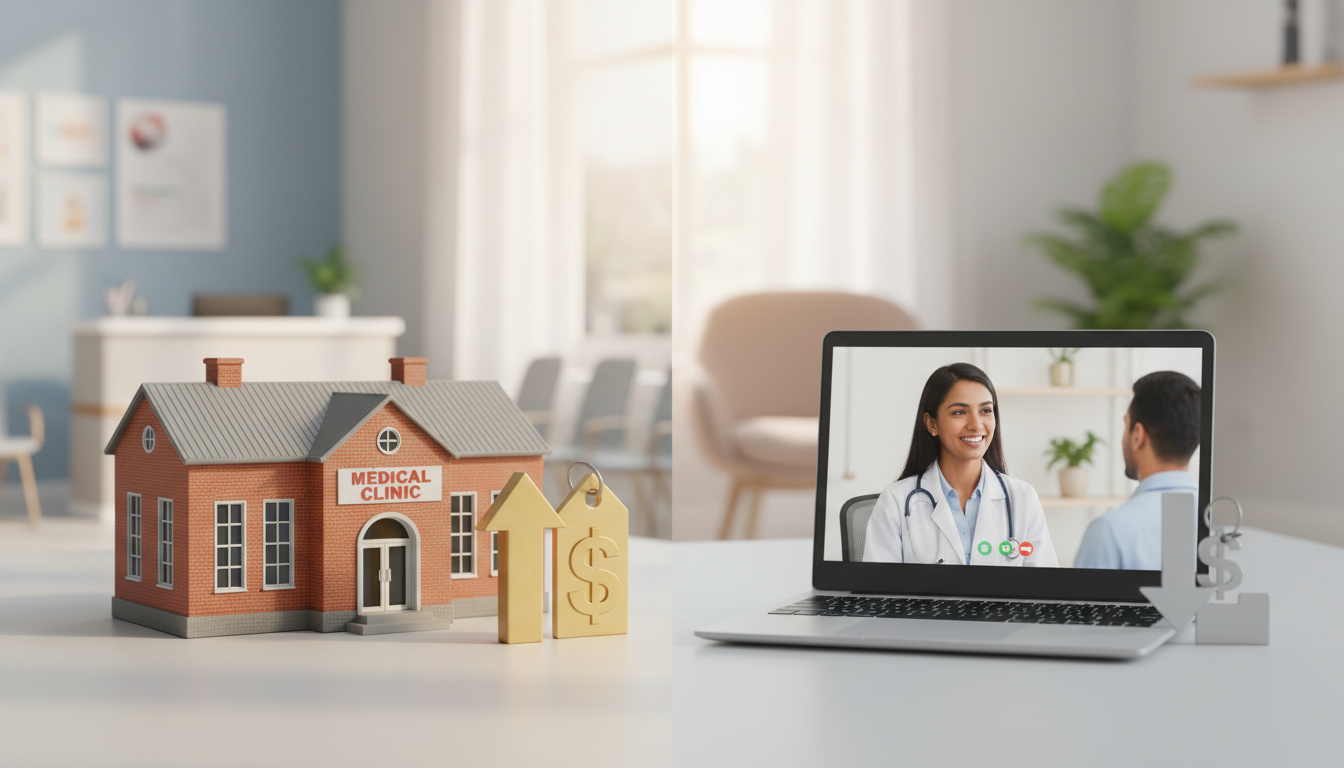
- Use an Online Telehealth Provider: Online clinics almost always offer lower prices than local, in-person clinics due to lower overhead. Telehealth providers can offer savings of 15% to 25% or more on consultations and monthly programs (Formulabs, 2026).
- Buy in Bulk or Choose Longer Plans: Many clinics offer discounts for purchasing a 3-month or 6-month supply at once. This can reduce the monthly cost by 15-25%. Ask your provider if they offer package deals.
- Use Your HSA or FSA: Don't forget this option. Paying with pre-tax dollars from your Health Savings Account or Flexible Spending Account is like getting an immediate discount equal to your tax rate. Just be sure to get a Letter of Medical Necessity from your doctor.
- Look for Patient Assistance Programs (PAPs): For brand-name drugs, these are lifesavers. If you're uninsured or have a low income, programs like Lilly Cares can provide medications like Zepbound for little to no cost (Telehealth Ally, 2026).
- Use Cost-Calculating Tools: Before committing, use online tools to estimate your expenses. Our free GLP-1 Cost Calculator can help you budget for weight loss peptides. When determining your dose, it's also helpful to use a precise tool. While some search for a "peptide calculator from Jay Campbell" or browse "peptide calculator.com," RxFox offers a free, easy-to-use Reconstitution Calculator to ensure you're preparing your doses accurately and not wasting expensive medication.
- Discuss Your Protocol With Your Doctor: Your provider can help you find the most cost-effective protocol. This might mean adjusting your dose, using a different peptide with a similar effect, or changing the frequency of administration to optimize value.
Is the Peptide Price Worth the Investment?
With monthly costs ranging from a couple hundred to over a thousand dollars, it’s fair to ask if the investment is worthwhile. The answer depends entirely on your personal health goals and the value you place on the potential outcomes.
For someone struggling with obesity, the cost of compounded tirzepatide (around $300-$600/month) may be a sound investment when compared to the long-term medical costs associated with conditions like heart disease, diabetes, and joint problems. It's an investment in future health.
For an athlete or individual recovering from injury, the cost of using a peptide for bone healing or soft tissue repair can also be a clear win. The primary benefit of using BPC-157 peptide for healing is its potential to speed up recovery. If a $250 monthly cost for a BPC-157 protocol helps you get back to work or your sport weeks or months sooner, the return on investment is obvious. The use of BPC-157 peptide for inflammation is also a key factor, potentially reducing pain and improving function. Some protocols even explore BPC-157 TB-500 peptide benefits by combining peptides for a synergistic effect.
For those focused on vitality and anti-aging, the benefits are about quality of life. The potential GHRP 6 peptide benefits, or those from a CJC-1295/Ipamorelin blend, include improved sleep, better energy levels, enhanced body composition, and healthier skin. For many, paying $300 a month for these improvements is a small price for feeling younger and more vibrant.
The rapid growth of the peptide market, projected to hit $87.2 billion by 2035, shows that millions of people are finding the cost-benefit analysis to be in their favor (Pure Peptide Clinic, 2026).
Ready to see if peptides are a good investment for your health goals? Take our free 3-minute quiz to get matched with a licensed provider who can help.

FAQs
What is the average monthly peptide price? The average monthly peptide price varies greatly but typically falls between $200 and $600 for commonly used compounded peptides like BPC-157, CJC-1295/Ipamorelin, or compounded GLP-1s. Brand-name FDA-approved drugs like Zepbound or Wegovy can cost over $1,200 per month without insurance or direct-pay programs.
Does insurance cover peptide therapy? Generally, no. Insurance typically only covers peptides that are FDA-approved for a specific, diagnosed medical condition, such as Zepbound for obesity. Most peptides used for healing, anti-aging, or general wellness are not covered and must be paid for out-of-pocket.
Why are some peptides so expensive? The price is influenced by several factors. Brand-name drugs have high costs due to research, development, and marketing. Some peptides, like the experimental Retatrutide, are incredibly complex to synthesize, featuring 39 amino acids and special modifications, driving up their price even at the research level to $25-$75 per milligram (Palmetto Peptides, 2026).
How much is PT-141 peptide cost? The typical PT-141 peptide cost for a month's supply ranges from $200 to $400. The final price depends on your required dosage, the concentration of the vial, and the pharmacy or clinic you use.
What is the peptides Australia cost? The peptides Australia cost is regulated differently by the Therapeutic Goods Administration (TGA). Prices may be similar for some compounds available through compounding pharmacies, but access and regulations differ from the US. Australians should consult with local doctors and telehealth platforms that specialize in peptide therapy within the country to understand exact pricing and availability.
Contributing to evidence-based peptide education and provider transparency.
Too many clinics, not enough clarity?
We don't sell peptides. Tell us your goals and we'll connect you with a vetted provider who can figure out what actually makes sense for you.
See what's right for youRelated articles
How to Actually Find Peptide Therapy Near Me
Don't just Google "peptide therapy near me." Learn how to vet clinics, what questions to ask your doctor, and how to spot a trustworthy provider.
Provider GuideSigns of a Quality Peptide Compounding Pharmacy
Worried about quality? Learn the critical questions to ask any peptide compounding pharmacy, plus the red flags that signal you should stay away.
Provider GuideFinding Legit Peptide Clinics in the UK
Don't just Google 'peptide clinics uk'. Our guide shows you how to find a qualified provider, what to ask in a consult, and how to avoid scams.