TRT in Fresno: Where to Get Testosterone Therapy
Looking for TRT in Fresno? Compare local clinics, telehealth options, costs, and what to expect from testosterone therapy in the Fresno area.
This content is for informational purposes only and does not constitute medical advice.
Feeling like you've lost your edge? If you’re dealing with constant fatigue, a lagging libido, or find it harder to build muscle and lose fat, you might be facing the effects of low testosterone. For many men, this decline is a frustrating part of aging, but it doesn’t have to be the final word. Testosterone Replacement Therapy (TRT) is a medical treatment designed to restore hormone levels and help you feel like yourself again. If you're looking for information on TRT Fresno, you've come to the right place. This guide will walk you through what low testosterone is, how treatment works, and what to expect from providers in the Fresno area.
Understanding Low Testosterone and Its Symptoms
Low testosterone, medically known as male hypogonadism, occurs when the body doesn't produce enough of this key hormone. Testosterone is crucial for regulating numerous functions in the male body, including sex drive, muscle mass, fat distribution, bone density, and mood. When levels drop below the normal range, the effects can be felt physically, mentally, and emotionally.
The symptoms of low testosterone can be subtle at first and are often mistaken for normal signs of aging. However, they can significantly impact your quality of life. Common symptoms include:
- Persistent Fatigue: A deep, lasting tiredness that isn't relieved by rest.
- Reduced Libido: A noticeable decrease in your interest in sex.
- Muscle Mass Loss: Difficulty maintaining or building muscle, even with regular exercise.
- Increased Body Fat: Especially around the abdomen.
- Mood Swings or Irritability: Feeling more down, anxious, or easily agitated.
- Brain Fog: Trouble with concentration, memory, and mental clarity.
- Poor Sleep Quality: Difficulty falling asleep or staying asleep.
These symptoms can be caused by several factors. The most common cause is natural aging. After age 30, a man's testosterone levels typically decline by about 1% per year. Other causes can include chronic stress, underlying medical conditions like obesity or type 2 diabetes, or injury to the testes.
Because these symptoms overlap with many other health issues, self-diagnosis is not reliable. The only way to confirm low testosterone is through a medical evaluation and blood tests. If you suspect your hormones are off, you can use a hormone symptom checker as a first step before speaking with a healthcare professional.
The Process of Getting Started with TRT in Fresno
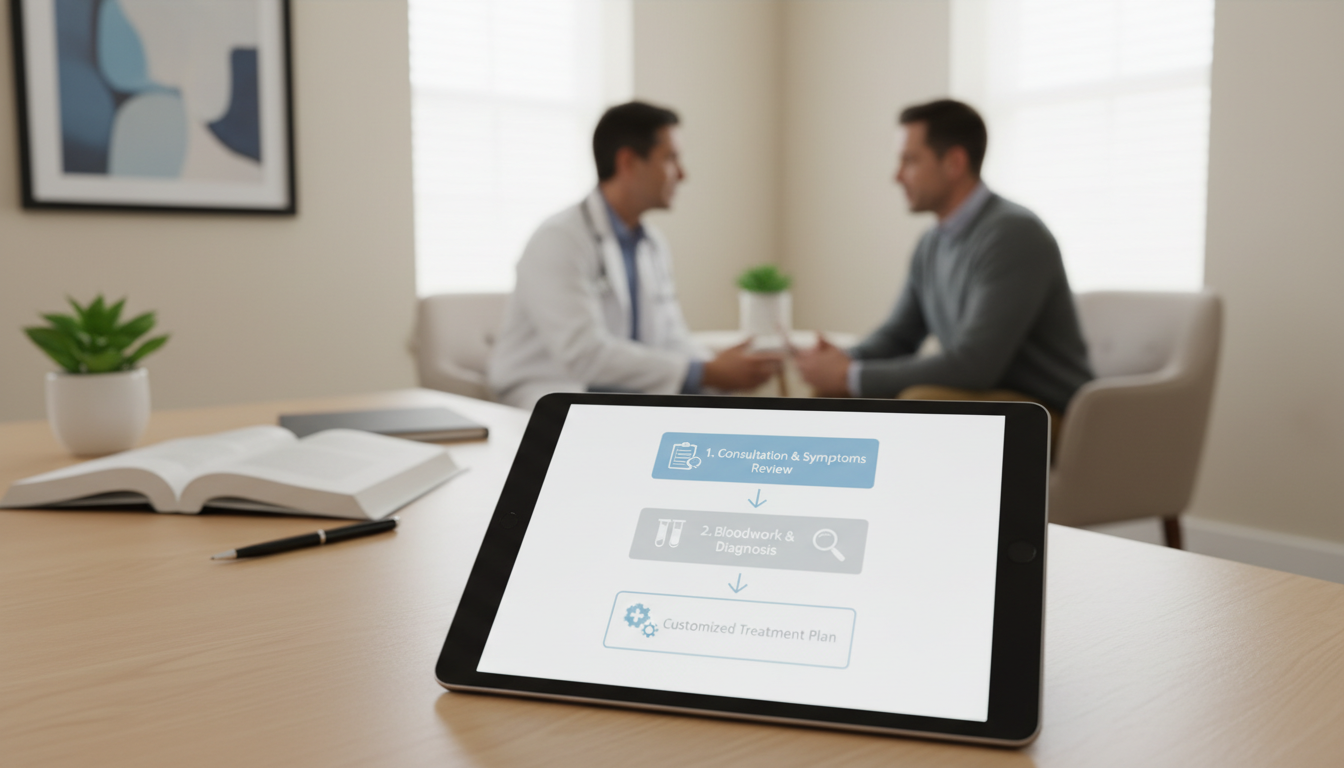
Beginning your path with TRT Fresno involves a structured medical process to ensure the treatment is both safe and effective for you. Whether you choose a local clinic or a telehealth provider serving the Fresno area, the core steps are generally the same. The goal is to confirm a diagnosis of hypogonadism and create a treatment plan that fits your specific needs.
Here’s a breakdown of what you can expect:
1. Initial Consultation and Evaluation Your first step is a consultation with a healthcare provider. During this meeting, you will discuss your symptoms, medical history, lifestyle, and goals. This is a critical part of the process, as a provider needs to rule out other potential causes for your symptoms. For example, as some physicians caution, midlife malaise can often be attributed to chronic conditions or lifestyle factors rather than just low testosterone (California Healthline). A thorough evaluation ensures TRT is the appropriate course of action.
2. Comprehensive Blood Testing If your provider suspects low testosterone based on your symptoms and history, they will order a panel of blood tests. This is non-negotiable. Treatment should never begin without confirming a clinical need through lab work. Your blood will be tested for:
- Total Testosterone: Measures all the testosterone in your blood.
- Free Testosterone: Measures the testosterone that is unbound and available for your body to use.
- Other hormones like Estradiol and markers for red blood cell count (hematocrit) to establish a baseline for safety monitoring.
3. Diagnosis and Treatment Plan Once your lab results are in, your provider will review them with you. If your levels are clinically low and you have corresponding symptoms, you will likely receive a diagnosis of hypogonadism. From there, the provider will develop a treatment plan.
According to providers serving the Fresno area, these plans are customized to the individual. Treatment methods may include:
- Testosterone Injections: The most common form, typically administered weekly or bi-weekly.
- Topical Gels or Creams: Applied daily to the skin.
- Patches: Worn on the skin and changed daily.
The plan will also outline the dosage and a schedule for ongoing monitoring to adjust dosages as needed. This ensures your hormone levels stay within an optimal range without causing unwanted side effects.
Not sure where to begin or which type of provider is right for you? It can be a lot to sort through on your own. Take our free 3-minute quiz to get matched with a vetted provider who can guide you through the evaluation process.
Weighing the Benefits and Risks of Testosterone Therapy
When considering any medical treatment, it's essential to look at both the potential upsides and the possible downsides. TRT can offer significant improvements for men with clinically diagnosed low testosterone, but it also comes with risks and controversies that require careful consideration and discussion with a doctor.
Potential Benefits of TRT For men who are good candidates, the benefits of restoring testosterone to healthy levels can be life-changing. Providers like Klinic, which offers online TRT in Fresno, report that patients often see tangible improvements, sometimes within just a few weeks. According to reports from clinics serving the Fresno and Madera areas, patients on TRT frequently experience:
- Increased Energy and Stamina: A reduction in fatigue and an overall boost in vitality.
- Enhanced Libido and Sexual Function: A renewed interest in sex and improved performance.
- Muscle Reinvigoration: Easier to build and maintain lean muscle mass.
- Accelerated Fat Loss: Particularly when combined with diet and exercise.
- Improved Mood and Mental Clarity: A reduction in irritability and brain fog.
- Better Sleep Quality: More restful and restorative sleep.
These benefits can lead to a profound improvement in overall well-being and confidence.
Risks, Cautions, and Ongoing Research Despite the benefits, TRT is not without risks. The U.S. Food and Drug Administration (FDA) has warned about the potential for an increased risk of heart attack and stroke in men using testosterone. The agency has also cracked down on clinics advertising testosterone as a cure for "male menopause" or age-related malaise, as these symptoms can have other root causes (California Healthline).
It's also important to be aware of the business side of TRT. The market for testosterone supplements was valued at $1.85 billion in 2023, and some online dispensaries have been criticized for overplaying the "low T" angle to sell highly profitable injectable drugs at a significant markup (California Healthline). This makes choosing a reputable provider essential.
Historically, TRT was considered unsafe for men with prostate cancer. However, this is an area of active research. A major Phase IV clinical trial (NCT06733350) sponsored by the Roswell Park Cancer Institute is currently studying the effects of TRT in men with low-grade prostate cancer who are under active surveillance. The study, which is actively recruiting, aims to provide clearer data on the safety and quality-of-life impacts of TRT in this population.
Furthermore, top institutions in California continue to study TRT. University of California Health lists several ongoing clinical trials, including studies at UC Irvine on testosterone's effect on endothelial dysfunction and a study at UCLA on its use in kidney transplant patients. This ongoing research shows that the medical community is still working to fully understand the long-term effects of testosterone therapy.
Deciding if the benefits outweigh the risks is a personal decision that must be made with a qualified medical provider. Want help understanding your options and connecting with a professional? Our free quiz can match you with a provider who can offer guidance based on your health profile.
Choosing a Provider for TRT in Fresno
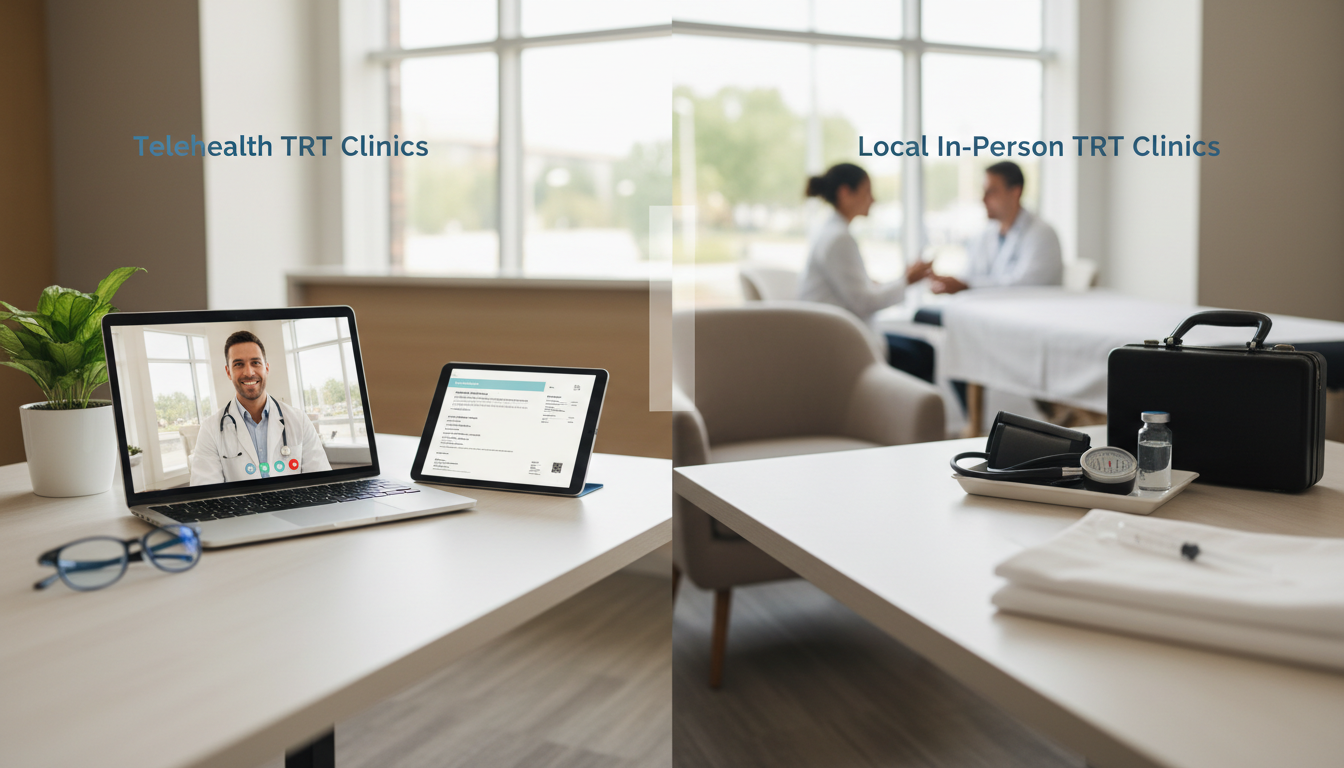
Once you’ve decided to explore testosterone therapy, the next step is finding the right provider. For those seeking TRT in Fresno, you have options ranging from local, in-person clinics to specialized telehealth platforms that serve California residents. Each has its own set of advantages.
Telehealth Providers Online TRT clinics have become increasingly popular due to their convenience and accessibility.
- Pros: You can complete your consultations, follow-ups, and even have your medication shipped directly to your home in Fresno. This saves time and offers more privacy. Companies like Klinic offer a structured online program that includes evaluation, treatment adjustment, and ongoing support.
- Cons: You won't have in-person interaction, which some patients prefer. It is also critical to vet online providers carefully, as the quality can vary significantly. Some online services have been criticized for aggressive marketing and high prices (California Healthline).
Local In-Person Clinics Traditional brick-and-mortar clinics offer a more conventional healthcare experience.
- Pros: You get to meet your provider face-to-face, which can help build a stronger patient-doctor relationship. All appointments and lab draws are handled at a physical location, which some find more straightforward.
- Cons: This option is generally less convenient, requiring you to take time off work for appointments. There may be fewer specialized hormone optimization clinics in a given area compared to the broad reach of telehealth.
What to Look for in a Provider Whether you choose an online or local option, here are key things to look for to ensure you're receiving quality care:
- Requires Comprehensive Blood Work: A legitimate provider will never prescribe testosterone without a full blood panel to confirm a diagnosis.
- Provides Ongoing Monitoring: Your provider should schedule regular follow-up appointments and blood tests to monitor your hormone levels and check for side effects.
- Transparent Pricing: Costs should be explained clearly upfront. Be wary of providers with hidden fees. You can learn more about typical costs in our guides on how much TRT is per month and the price of testosterone cypionate without insurance.
- Licensed Medical Professionals: Ensure the clinic is run by licensed doctors or nurse practitioners with experience in hormone therapy.
- Avoids "Cure-All" Claims: Be skeptical of any provider that promises miracle results or pushes TRT as a solution for everything without a proper diagnosis.
For more tips on vetting your options, check out our guide on how to find a legitimate peptide and hormone clinic.
What to Consider and Next Steps
Embarking on testosterone replacement therapy is a significant decision. The potential to regain your energy, strength, and vitality is compelling, but it must be balanced with a clear understanding of the process and potential risks.
The most important takeaway is that TRT is a medical treatment, not a lifestyle supplement. It requires a confirmed diagnosis of hypogonadism from a qualified healthcare provider based on both your symptoms and specific blood test results. A one-size-fits-all approach does not work, and ongoing medical supervision is necessary to ensure the treatment is both effective and safe.
As you consider your options for TRT in Fresno, think about what matters most to you. Do you value the convenience of telehealth, or do you prefer the in-person connection of a local clinic? Are you prepared for the financial investment and the commitment to regular monitoring? Answering these questions will help you find the right path forward.
Your next step should be to have an open conversation with a healthcare professional who can properly evaluate your health and determine if you are a candidate for TRT.
Ready to explore your options with a professional? Take our free 3-minute quiz to get matched with a licensed provider who can assess your needs and help you decide if TRT is right for you.
FAQs about TRT in Fresno
How quickly can I see results from TRT? Some men report feeling benefits like increased energy and improved mood within the first few weeks of treatment. However, more significant changes, such as increased muscle mass and fat loss, typically take several months to become apparent. Results vary from person to person.
What are the different types of TRT available? The most common forms of testosterone administration are intramuscular injections (usually testosterone cypionate), topical gels, and transdermal patches. Your provider will help you decide which method is best for you based on your lifestyle, preference, and how your body responds to treatment.
Is TRT safe? When prescribed for a confirmed diagnosis of hypogonadism and monitored by a qualified medical professional, TRT can be administered safely. However, it does carry risks, including an FDA warning about a potential increase in heart attack and stroke. It is not safe for everyone, and a thorough medical evaluation is required to determine if you are a suitable candidate.
How do I know if I have low testosterone? The only way to know for sure is through a combination of a symptom review with a doctor and a blood test that measures your testosterone levels. Common symptoms like fatigue, low libido, and mood changes can have many causes, so a proper medical diagnosis is essential before considering treatment.
Contributing to evidence-based peptide education and provider transparency.
Too many clinics, not enough clarity?
We don't sell peptides. Tell us your goals and we'll connect you with a vetted provider who can figure out what actually makes sense for you.
See what's right for youRelated articles
Which Protein Supplements for Muscle Growth Actually Work?
Tired of the hype? Find out which protein supplements for muscle growth are backed by science and learn how to pick the right one for your goals.
Hormone TherapyWhat Are the Real Magnesium Glycinate Benefits?
Uncover the science-backed magnesium glycinate benefits. We explore its effects on sleep, stress, and muscle function and explain why it's a top choice.
Hormone TherapyWhat B12 Shot Benefits Can You Actually Expect?
B12 shots are often hyped for energy, but the real b12 shot benefits are more specific. Learn who is a true candidate and what results to expect.