What Is TRT and Who Is It Actually For?
Confused about testosterone replacement therapy? We cut through the noise to explain what TRT is, how the treatment works, and who is a good candidate.

This content is for informational purposes only and does not constitute medical advice. Always consult with a qualified healthcare provider for any health concerns or before making any decisions related to your health or treatment.
Testosterone replacement therapy is one of the most discussed topics in men's health today. But with so much information, it can be tough to know what's true. So, what is TRT? Simply put, TRT is a medical treatment that helps restore testosterone levels to a normal, healthy range in men with clinically low levels of the hormone, a condition known as hypogonadism. It's not about creating superhuman strength, but about alleviating symptoms like fatigue, low libido, and brain fog to improve your quality of life. As of 2026, our understanding and application of TRT have evolved significantly.
What is TRT (Testosterone Replacement Therapy)?
What is TRT? Testosterone replacement therapy (TRT) is a medical treatment prescribed by a doctor to restore a man's testosterone levels to a normal range. It's used to treat hypogonadism, or "Low T," a condition where the body does not produce enough testosterone on its own, confirmed through blood tests and a review of symptoms.
Men with low testosterone often experience a range of difficult symptoms, including persistent fatigue, low sex drive, erectile dysfunction, loss of muscle mass, increased body fat, and mood problems like irritability or depression. TRT aims to reverse these issues by supplementing the body's natural production, bringing hormone levels back to an optimal state.
The use of TRT has grown dramatically. Between 2018 and 2022 alone, its use surged by 120% among men aged 24 and younger and 86% among those aged 25 to 34, according to a 2026 guide from VidaVital MD. This shows that more men are recognizing the symptoms of Low T and seeking effective treatment. The goal isn't just about hormones; it's about regaining energy, vitality, and an overall sense of well-being.
Think you might be dealing with symptoms of low testosterone? Take our free 3-minute quiz to get matched with a provider who can help you understand your options.
What Does TRT Do? The Science Behind It
So, what does TRT do inside your body? It works by reintroducing testosterone to your system to make up for what your body is failing to produce. Testosterone is the primary male sex hormone, but it does much more than just regulate libido. It's a key player in many of the body's core functions.
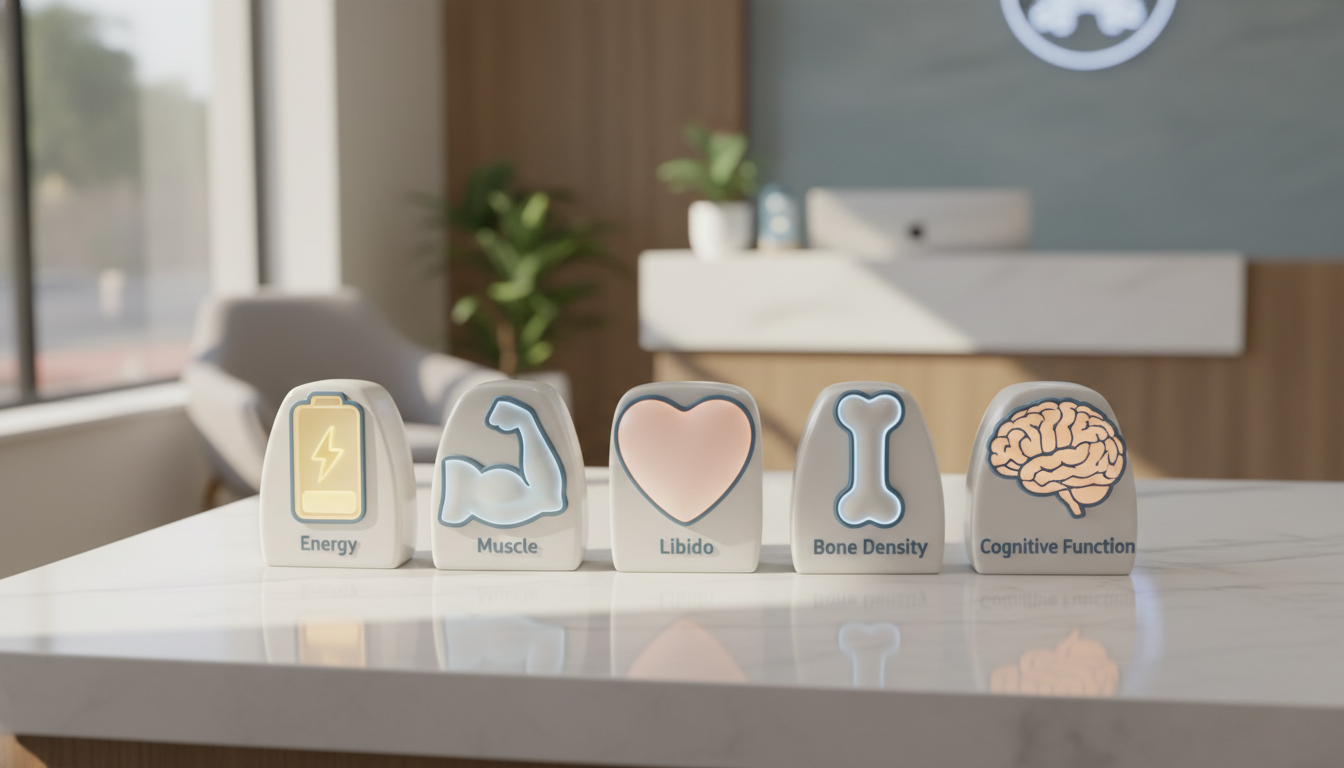
This vital hormone helps maintain:
- Muscle mass and strength
- Bone density
- Fat distribution
- Red blood cell production
- Sex drive (libido)
- Sperm production
- Mood and cognitive function
When your testosterone levels are low, all of these systems can be thrown out of balance. You might feel tired all the time, find it harder to stay lean, lose interest in sex, or feel mentally foggy.
TRT addresses this by providing your body with an external source of testosterone. Once administered, whether through an injection, gel, or oral pill, the testosterone enters your bloodstream and travels to androgen receptors located in cells throughout your body. By binding to these receptors, the supplemental testosterone effectively mimics the action of your natural hormones, signaling your cells to perform their normal functions.
The goal of a well-managed TRT protocol is to create stable hormone levels that stay within the optimal physiological range. It's about restoration, not enhancement beyond natural limits. A doctor will monitor your blood work to ensure your treatment is keeping you in that healthy sweet spot, helping you feel like yourself again. This is why working with a qualified provider is essential; they can tailor the dose and delivery method to your specific needs. You can learn more about combining TRT with other treatments like peptides in our post on TRT and peptides.
The Benefits of TRT: What the Evidence Shows
When properly administered under medical supervision, the benefits of TRT can be significant. By restoring testosterone to a healthy range, many men report a substantial improvement in their physical and mental health. Here are some of the evidence-based benefits.
Improved Energy and Mood
One of the first things men on TRT often notice is a return of their energy levels. The persistent fatigue that plagues many with Low T can lift, replaced by a renewed sense of vitality. This is because testosterone plays a role in energy metabolism and red blood cell production, which helps carry oxygen throughout the body. Additionally, low testosterone is linked to irritability, depression, and a lack of motivation. Normalizing these levels can lead to a more stable mood and an improved outlook on life.
Increased Muscle Mass and Decreased Body Fat
Testosterone is anabolic, meaning it helps build tissue, particularly muscle. It directly stimulates muscle protein synthesis. Men on TRT, especially when combined with resistance training and a healthy diet, often find it easier to build and maintain lean muscle mass. At the same time, testosterone influences fat metabolism. Restoring levels can help reduce visceral body fat, the dangerous fat stored around your organs.
Enhanced Libido and Sexual Function
A decline in sex drive is a hallmark symptom of hypogonadism. What does TRT do for your sex life? For many, it brings back a healthy interest in sex. Along with improving libido, TRT can also improve the quality of erections and overall sexual satisfaction. While other factors can contribute to erectile dysfunction, low testosterone is often a major piece of the puzzle.
Stronger Bones
Testosterone is critical for maintaining bone mineral density. As men age and testosterone levels decline, their risk of developing osteoporosis and fractures increases. TRT can help slow or even reverse this bone loss, leading to stronger, healthier bones and reducing long-term fracture risk.
Better Cognitive Function
Some men with Low T complain of "brain fog," difficulty concentrating, and memory issues. Research suggests a link between healthy testosterone levels and cognitive functions like spatial awareness, mathematical reasoning, and verbal memory. While not a cure-all, many patients on TRT report feeling mentally sharper and more focused. For those interested in a broader approach to wellness, exploring options like peptide therapy for anti-aging can complement a hormone optimization plan.
Understanding TRT Side Effects and Risks in 2026
For years, a major concern surrounding TRT was its potential impact on heart health. However, the medical view on this has shifted significantly. This section breaks down what are the side effects of TRT based on the latest 2026 data.
A landmark study called the TRAVERSE trial, led by the Cleveland Clinic and published in 2023, provided much-needed clarity. This large-scale study involved over 5,200 men and found that TRT was "noninferior to placebo" regarding major adverse cardiac events (MACE), like heart attacks and strokes. As a direct result, in February 2025, the FDA officially removed the "Boxed Warning" about increased cardiovascular risk from testosterone product labels.
However, the TRAVERSE trial also highlighted other potential risks. The FDA added a new class-wide warning for an increase in blood pressure associated with testosterone use. Furthermore, the trial noted a higher incidence of other issues in the TRT group compared to the placebo group:
- Atrial Fibrillation (AFib): 3.5% in the TRT group vs. 2.4% in the placebo group.
- Pulmonary Embolism (Blood Clot in Lungs): 0.9% vs. 0.5%.
- Acute Kidney Injury: A higher rate was also observed.
These findings underscore why medically supervised treatment is crucial. Beyond the TRAVERSE trial findings, other potential side effects of taking TRT include:
- Infertility: Exogenous testosterone tells your brain to stop signaling for natural production, which also shuts down sperm production. This is a major concern for men who wish to have children. Alternatives like enclomiphene therapy or emerging research on oral TRT forms like Kyzatrex aim to address this. A pilot study is currently underway to see if oral testosterone undecanoate affects spermatogenesis differently than injections.
- Erythrocytosis: TRT can increase your red blood cell count. If your hematocrit (the percentage of red blood cells) gets too high, it thickens your blood and increases the risk of clotting, which relates to the pulmonary embolism risk seen in the TRAVERSE trial. Regular blood work is necessary to monitor this.
- Acne and Oily Skin: An increase in testosterone can stimulate the sebaceous glands in your skin, leading to breakouts, similar to what happens during puberty.
- Gynecomastia: In some men, excess testosterone can be converted into estrogen, which may lead to the development of breast tissue. This can often be managed with adjunctive medications.
Feeling unsure about the risks and benefits? A qualified medical provider can help you create a safe and effective plan. Find a vetted TRT specialist by taking our free quiz.
Is TRT Oral or Injection? How Treatment Is Administered
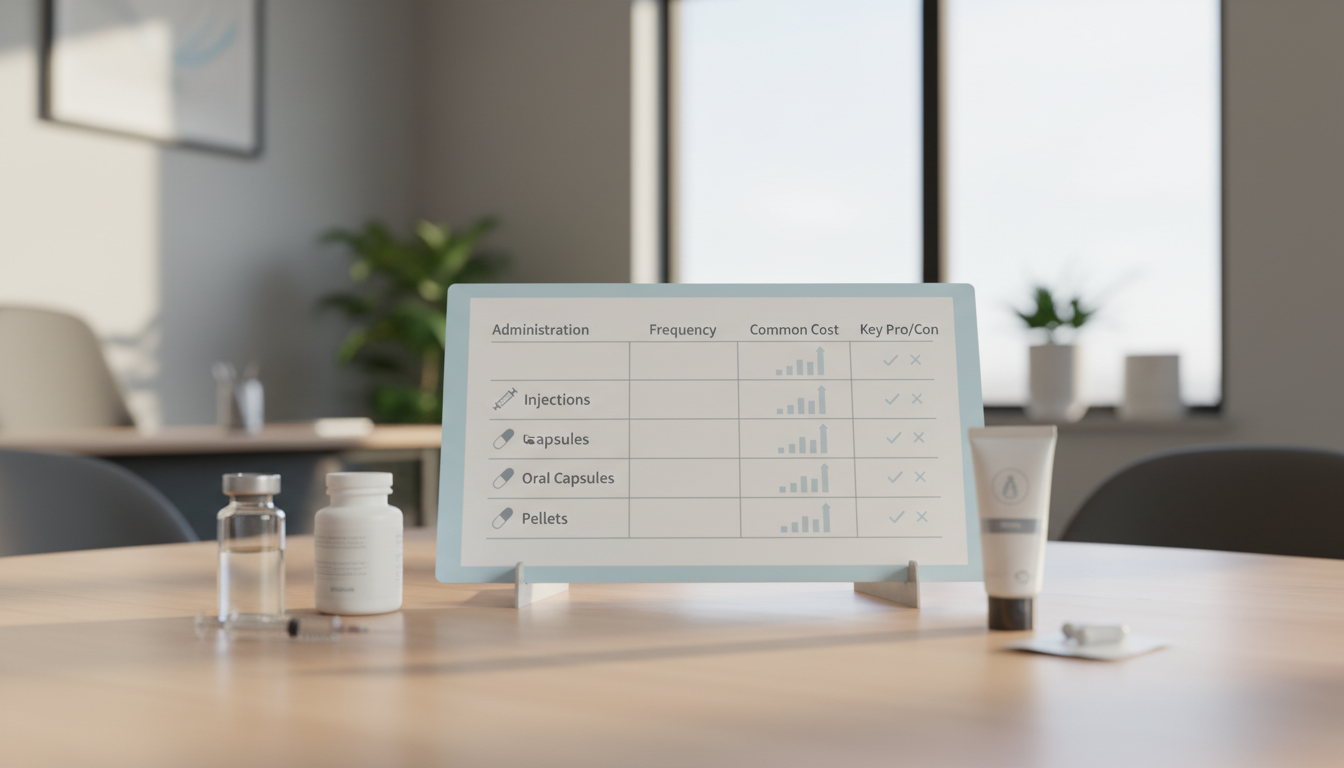
One of the most common questions is about the delivery method: is TRT oral or injection? The answer in 2026 is both, and more. There are several effective ways to administer TRT, and the best one for you depends on your lifestyle, budget, and doctor's recommendation.
-
Injections: This is the most traditional and often most cost-effective method. Testosterone cypionate is typically injected into a muscle (intramuscular) or into the fat layer under the skin (subcutaneous) once or twice a week. This method is highly effective but requires you to be comfortable with self-administering needles. For more on cost, see our guide on the price of testosterone cypionate 200mg without insurance.
-
Oral Capsules: A major advancement is the wider availability of effective oral TRT. The FDA-approved KYZATREX® is a testosterone undecanoate pill taken twice daily. A 2026 report from Testosterone Boost noted that it successfully restores testosterone levels in 96% of men. This is a great option for those who want to avoid needles, though it is often more expensive. You can learn more about testosterone tablets for men here.
-
Transdermal Gels and Creams: These are applied to the skin daily, usually on the shoulders or upper arms. They provide a steady absorption of testosterone throughout the day. The main downside is the risk of transferring the medication to others, such as a partner or children, through skin-to-skin contact.
-
Pellets: Testosterone pellets are tiny implants, about the size of a grain of rice, that are inserted under the skin in your hip area during a minor in-office procedure. They slowly release the hormone over three to six months, offering a "set it and forget it" approach that many find convenient.
-
Enclomiphene: While not technically TRT, enclomiphene is an oral medication that works differently. It stimulates your brain to produce more of its own natural testosterone. Its key benefit is that it does not shut down sperm production, making it a preferred choice for men concerned about fertility.
How to Get Started with TRT: Costs and Legal Status
Starting TRT is a medical process that requires professional guidance. You cannot and should not buy testosterone without a doctor's prescription.
The Legal Status of Testosterone In the United States, testosterone is classified as a Schedule III controlled substance. This means it has an accepted medical use but also a potential for abuse and dependence. It is illegal to possess or use it without a valid prescription from a licensed healthcare provider. Reputable telehealth platforms like Taurus Meds connect patients with providers for legitimate consultations but emphasize that this does not guarantee a prescription, as it depends on a thorough medical evaluation.
Steps to Get Started
- Symptom Assessment & Consultation: The process begins with discussing your symptoms with a doctor. You can do this at a local clinic or through a telehealth service specializing in hormone optimization. You can find online doctors that prescribe testosterone through many platforms.
- Blood Work: To confirm a diagnosis of hypogonadism, you will need a comprehensive blood test. This will measure your total and free testosterone levels, along with other key health markers like estradiol, PSA (for prostate health), and a complete blood count.
- Diagnosis and Treatment Plan: If your blood work and symptoms indicate clinically low testosterone, your provider will discuss a treatment plan with you. This includes choosing the right administration method and dosage based on your needs and health profile.
What Does TRT Cost in 2026? The monthly cost of TRT can vary widely. Here's a breakdown of typical 2026 prices based on recent analyses:
- Initial Costs: Expect to pay between $200 and $500 for your initial consultation and comprehensive lab work (VidaVital MD).
- Follow-Up Monitoring: Quarterly follow-up labs and consultations usually cost $50 to $150.
- Medication Costs:
- Injectable Testosterone (Compounded): The most affordable option, often priced between $30 and $100 per month. Online platforms frequently bundle this into monthly packages starting around $99 per month (Telehealth Ally).
- Oral TRT (KYZATREX®): This brand-name pill is more expensive, typically costing $200 to $400 per month (VidaVital MD).
- Testosterone Pellets: Costs usually fall between $100 and $200 per month, though you pay for the procedure every few months.
- Enclomiphene Therapy: A fertility-sparing alternative, it generally costs $100 to $200 per month (VidaVital MD).
What is TRT for Women?
While testosterone is known as the male hormone, women also produce it in smaller amounts in their ovaries and adrenal glands. It plays a crucial role in a woman's libido, energy, mood, and bone and muscle health. So, what is TRT for women?
TRT for women involves using very small, carefully calculated doses of testosterone to treat symptoms associated with low levels, particularly after menopause or a hysterectomy. These symptoms can include:
- Low sexual desire (hypoactive sexual desire disorder)
- Persistent fatigue
- Loss of muscle mass
- Depression or low mood
- Difficulty concentrating
It's important to understand that testosterone is not FDA-approved for use in women, so its use is considered "off-label." This treatment requires a provider who specializes in female hormone replacement and understands the delicate balance required. The doses used for women are a small fraction of what men receive.
So, what happens if a woman takes testosterone supplements designed for men? The results can be severe and may include permanent virilization effects, such as:
- Deepening of the voice
- Enlargement of the clitoris
- Male-pattern baldness or body hair growth (hirsutism)
- Severe acne
- Menstrual irregularities
For these reasons, women should never use testosterone products intended for men and must only consider this therapy under the strict guidance of a knowledgeable hormone specialist.
Ready to explore if TRT or another hormone therapy is right for you? Take our free 3-minute quiz to get matched with a licensed telemedicine provider who can create a plan for your unique needs.
Frequently Asked Questions About TRT
How long does it take for TRT to work?
Some benefits, like improved libido, mood, and energy levels, can appear within the first 3 to 6 weeks. Physical changes, such as increased muscle mass and decreased body fat, typically take longer, often becoming noticeable after 3 to 6 months of consistent treatment combined with diet and exercise.
Will TRT make me infertile?
Traditional forms of TRT, like injections and gels, usually suppress the body's natural testosterone and sperm production, leading to temporary infertility. For men who want to preserve their fertility, enclomiphene therapy is a common alternative. Additionally, a 2026 pilot study is exploring whether the oral TRT drug Kyzatrex might be an option that doesn't impair sperm production.
Do I have to stay on TRT forever?
Generally, yes. TRT treats the symptoms of hypogonadism, but it does not cure the underlying cause. It works by supplementing a hormone your body isn't making enough of. If you stop treatment, your testosterone levels will likely return to their previously low state, and your symptoms will reappear.
How many men are on TRT?
Exact numbers are difficult to track, but use has been rising steadily for years. Data shows a particularly sharp increase in younger demographics. According to a 2026 report by VidaVital MD, TRT use among men 24 and younger increased by 120% between 2018 and 2022, highlighting a growing awareness of and willingness to treat Low T symptoms.
Is TRT safe after the TRAVERSE trial?
The TRAVERSE trial provided significant reassurance that TRT does not increase the risk of major heart attacks or strokes in men with pre-existing or high risk of cardiovascular disease. However, it also confirmed other risks. The FDA's subsequent label changes in 2025 reflect this new understanding: the major heart risk warning was removed, but a new warning for increased blood pressure was added. The trial also found a higher incidence of AFib and blood clots, confirming that TRT requires careful medical monitoring.
Can you get TRT online?
Yes, it is entirely possible to get TRT legally and safely through an online telehealth clinic. Reputable online providers connect you with licensed doctors who conduct consultations via video, order blood work at a local lab, and, if appropriate, prescribe medication that is shipped to your home. You can start by checking our guide to online doctors that prescribe testosterone.
Contributing to evidence-based peptide education and provider transparency.
Too many clinics, not enough clarity?
We don't sell peptides. Tell us your goals and we'll connect you with a vetted provider who can figure out what actually makes sense for you.
See what's right for youRelated articles
Which Protein Supplements for Muscle Growth Actually Work?
Tired of the hype? Find out which protein supplements for muscle growth are backed by science and learn how to pick the right one for your goals.
Hormone TherapyWhat Are the Real Magnesium Glycinate Benefits?
Uncover the science-backed magnesium glycinate benefits. We explore its effects on sleep, stress, and muscle function and explain why it's a top choice.
Hormone TherapyWhat B12 Shot Benefits Can You Actually Expect?
B12 shots are often hyped for energy, but the real b12 shot benefits are more specific. Learn who is a true candidate and what results to expect.