What Is the Best Testosterone Injection for Muscle Gain?
Searching for the best testosterone injection for muscle gain? We rank the most common esters like cypionate and enanthate to see which is best.
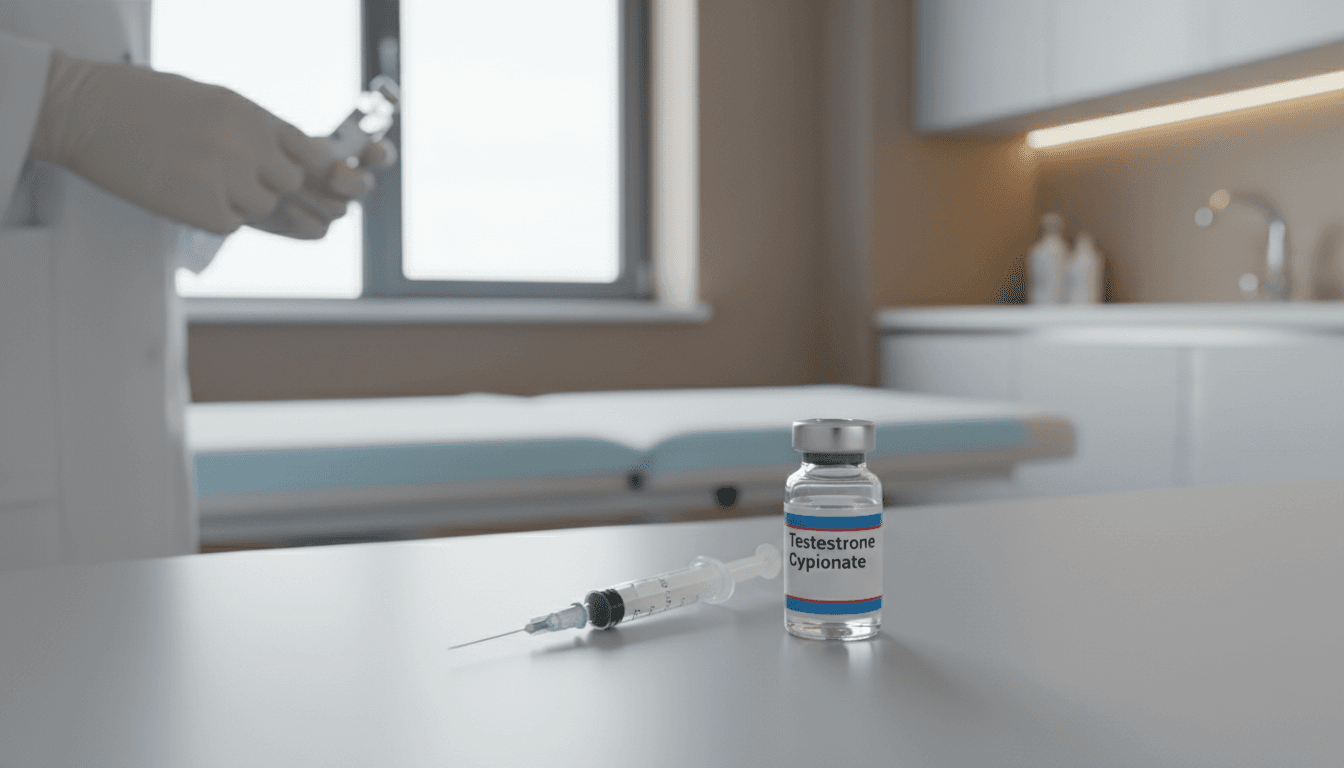
This content is for informational purposes only and does not constitute medical advice. The use of testosterone requires a prescription and supervision from a licensed medical professional for diagnosed hypogonadism.
If you’re looking for the best testosterone injection for muscle gain, you’re trying to answer a simple question with a surprisingly complex answer. Building muscle isn’t just about hitting the gym; it’s about creating the right internal environment for growth. For men with clinically low testosterone, hormone optimization is a critical piece of that puzzle. Testosterone replacement therapy (TRT) is a medical treatment, not a supplement, that can restore hormone levels, leading to significant improvements in lean body mass, energy, and overall well-being.
According to major clinical studies like the TTrial and TRAVERSE trial, TRT is proven to increase lean mass and reduce fat in men with confirmed low testosterone (GlobeNewswire, 2025). But not all testosterone injections are created equal. They differ in cost, injection frequency, and how they feel. This guide breaks down the top options for 2026 to help you have an informed discussion with your provider.
How We Evaluated the Best Testosterone Injection for Muscle Gain
Choosing the right testosterone ester isn't a one-size-fits-all decision. We analyzed the most common prescription options based on the factors that matter most to patients seeking to optimize their hormones for better body composition and health.
Here’s what we looked at:
- Clinical Effectiveness: We focused on formulations proven to raise and maintain serum testosterone levels within the optimal range for muscle growth. This involves esters that promote nitrogen retention and protein synthesis, the direct mechanisms for building lean tissue. Research shows that certain esters can increase lean mass by 1-3 kg over just a few weeks (Optimal Clinic, 2026).
- Half-Life and Dosing: The half-life of a testosterone ester determines how often you need to inject to maintain stable hormone levels. Options range from every other day (propionate) to every 10 weeks (undecanoate). Stable levels are key to feeling good and minimizing side effects, so we evaluated each option's real-world injection schedule.
- Cost and Accessibility: Price and availability are practical concerns. We compared the out-of-pocket costs of generic options versus expensive brand-name auto-injectors. For example, a vial of generic testosterone cypionate might cost $30-$80, while a month's supply of a brand-name auto-injector could be over $400 without insurance (PeakedLabs, 2026).
- Side Effect Profile: All testosterone can convert to estrogen and DHT, and can increase red blood cell count (hematocrit). However, some formulations and injection methods may offer a better safety profile. We looked at studies comparing how different esters and delivery methods affect estradiol and hematocrit levels.
1. Testosterone Cypionate
Testosterone Cypionate is the most prescribed form of injectable testosterone in the United States, and for good reason. It has become the workhorse of TRT due to its balanced profile of effectiveness, cost, and a user-friendly injection schedule.
What It Is
Testosterone Cypionate is a slow-acting, oil-based injectable. The "cypionate" is an ester chain attached to the testosterone molecule. This ester slows down the release of the hormone into your bloodstream. It has a half-life of about eight days, which allows for stable blood serum levels with a once-weekly injection schedule. Most commercial preparations in the US use cottonseed oil as the carrier, which is generally thinner and less viscous than the sesame oil used in some other formulations (PeakedLabs, 2026).
Not sure if Testosterone Cypionate is the right choice for you? The first step is getting your levels tested and speaking with a qualified provider. Take our free quiz to get matched with a vetted TRT clinic that can help.
Pros & Cons
Pros:
- Stable Levels: The 8-day half-life is ideal for weekly injections, providing smooth and consistent testosterone levels without major peaks and troughs. This helps avoid mood swings and other side effects related to hormonal fluctuations.
- Highly Affordable: As a widely available generic drug, testosterone cypionate is one of the most budget-friendly TRT options. A 10 mL vial can cost as little as $30-$80 out-of-pocket, making it accessible for most patients (PeakedLabs, 2026). You can learn more about costs in our guide to how much TRT is per month.
- Flexible Dosing: Because it's drawn from a multi-use vial, your provider can easily adjust your dose to find the exact amount that works for you. This is a major advantage over fixed-dose auto-injectors.
Cons:
- Potential for Shortages: Its popularity can sometimes lead to supply chain issues. A 2023 intermittent shortage made it difficult for some patients to find, though production has since stabilized (PeakedLabs, 2026).
- Requires Self-Injection: Most patients on cypionate learn to self-inject, which can be a barrier for those with a fear of needles.
Who It's Best For
Testosterone cypionate is an excellent starting point for most men beginning TRT. It's particularly well-suited for individuals looking for a simple, effective, and affordable weekly protocol. Its dosing flexibility makes it ideal for working with a provider to dial in the perfect protocol for your body and goals.
2. Testosterone Enanthate
Testosterone Enanthate is often seen as Testosterone Cypionate’s twin brother. For decades, the two have been used almost interchangeably in clinical practice. While they are very similar, some subtle differences in their carrier oil, half-life, and available formats might make one a better choice for you.
What It Is
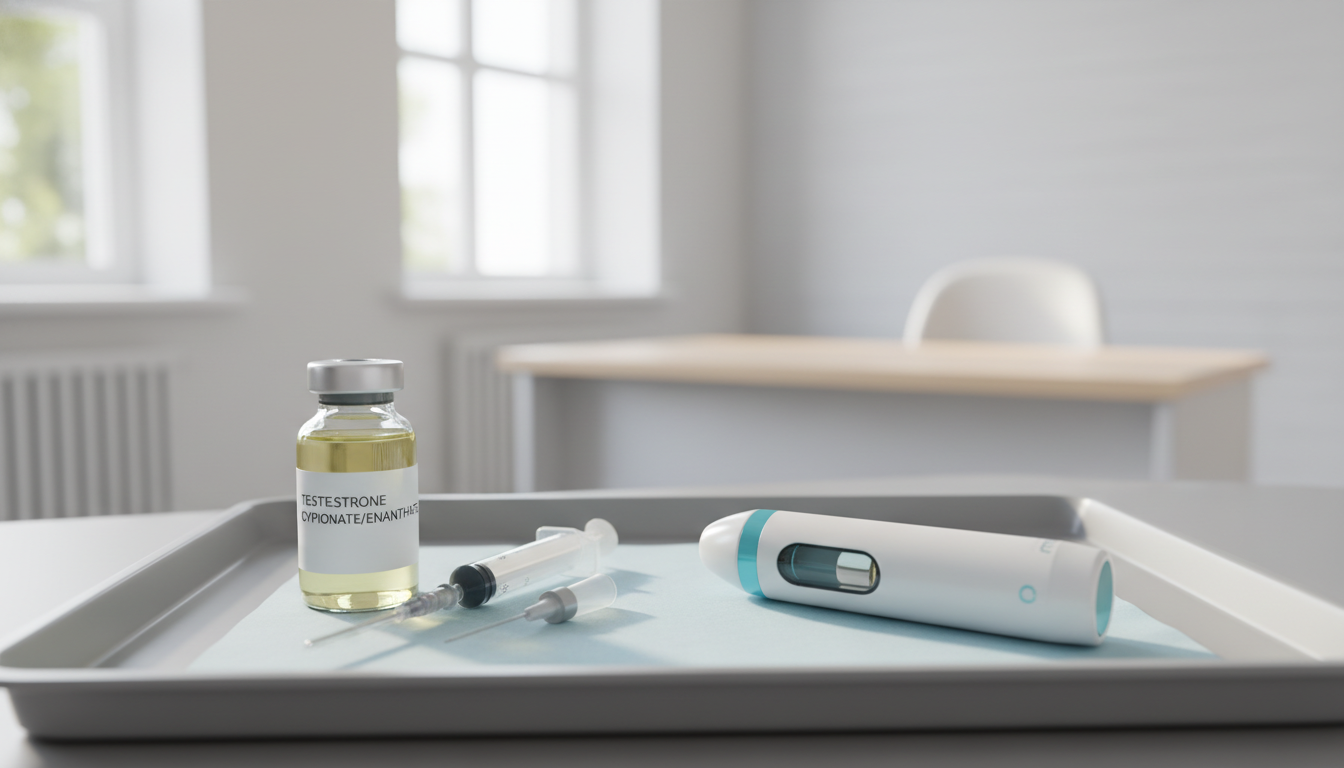
Like cypionate, testosterone enanthate is a slow-acting ester suspended in an oil carrier. Its half-life is slightly shorter, typically around five to seven days (PeakedLabs, 2026). This means it clears the body a little faster, but on a weekly injection schedule, the difference for most men is negligible. A key distinction is the carrier oil; commercial testosterone enanthate often uses sesame oil, which is thicker than the cottonseed oil in cypionate. This can sometimes lead to more post-injection pain for sensitive individuals. It's also available in a subcutaneous auto-injector format, such as Xyosted.
Pros & Cons
Pros:
- Functionally Interchangeable with Cypionate: If your pharmacy has a cypionate shortage, you can typically switch to enanthate at the same dose without any issues. A 2025 study confirmed there were no significant differences in clinical outcomes between enanthate and another long-acting ester over a year (PubMed, 2025).
- Subcutaneous Auto-Injector Option: The availability of products like Xyosted allows for subcutaneous injections. A study in the Journal of Urology found that subcutaneous testosterone enanthate was associated with lower post-therapy estradiol and hematocrit levels compared to intramuscular cypionate, suggesting a better side effect profile.
- Reliable Alternative: Because cypionate is prescribed more often, enanthate can sometimes be more readily available.
Cons:
- Potentially More Post-Injection Pain: The thicker sesame oil carrier can be more uncomfortable for some users compared to cottonseed oil.
- Expensive Brand-Name Options: While generic vials are affordable, auto-injectors like Xyosted can cost $400-$600 per month without good insurance coverage (PeakedLabs, 2026), making them inaccessible for many.
Who It's Best For
Testosterone enanthate is a great option for anyone who responds well to a weekly schedule but may be having trouble sourcing cypionate. It's also the go-to for men who prefer a subcutaneous injection and whose insurance covers an auto-injector. If you're sensitive to side effects like high estradiol or hematocrit, discussing the subcutaneous enanthate option with your provider could be beneficial.
3. Testosterone Propionate
If cypionate and enanthate are the marathon runners of the testosterone world, testosterone propionate is the sprinter. It is a much faster-acting ester that gets in and out of your system quickly, which comes with a unique set of benefits and drawbacks.
What It Is
Testosterone Propionate has a very short half-life of only two to three days. This rapid release and clearance from the body necessitates a much more frequent injection schedule. To maintain stable hormone levels and avoid a hormonal roller coaster, patients must inject smaller doses, typically 50-100 mg, every two to three days (Optimal Clinic, 2026).
Pros & Cons
Pros:
- Fast-Acting Results: Because it acts so quickly, many men report feeling improvements in energy, mood, and recovery within the first week. Research shows it can raise testosterone from an average of 250 ng/dL to 600-700 ng/dL after the first injection (Optimal Clinic, 2026). For building muscle, this quick action can ramp up protein synthesis and nitrogen retention by 15-20% in a short time.
- Quick Clearance: If you experience negative side effects, you don't have to wait long for the hormone to clear your system after stopping. This makes it useful for short-term protocols or for those testing their response.
- Precise Control: The short half-life allows for very quick and precise dose adjustments. Your provider can make a change, and you'll see the effects within days, not weeks.
Cons:
- Frequent, often Painful Injections: The need to inject every other day is a significant lifestyle burden for many. Propionate is also known for causing more post-injection pain (PIP) than longer esters.
- Hormonal Instability: If you miss an injection, your testosterone levels will crash quickly, leading to fatigue, low mood, and other symptoms of low T. This makes adherence to the schedule critical.
Who It's Best For
Testosterone propionate is generally not recommended for beginners or for long-term TRT. It is best suited for experienced users who understand hormone management and want granular control over their levels. It might also be used by a provider for a short "front-loading" period at the beginning of therapy to achieve faster initial results before switching to a longer ester. If you're interested in dramatic TRT before and after changes, propionate can deliver them quickly, but at the cost of convenience.
4. Testosterone Undecanoate (Injectable)
For the man who wants to "set it and forget it," testosterone undecanoate represents the ultimate in convenience. This ultra-long-acting ester requires the fewest injections of any available option, but that convenience comes with significant trade-offs in flexibility and cost.
What It Is
Testosterone Undecanoate (TU), sold under brand names like Aveed and Nebido, is a very long-acting testosterone ester. It has an exceptionally long half-life, ranging from 20 to 34 days (FitGoLife, 2026). After an initial loading dose, it is typically administered just once every 10 weeks. The injection itself is a large volume (750 mg) and must be administered slowly into a large muscle by a healthcare professional in a clinical setting.
Pros & Cons
Pros:
- Maximum Convenience: An injection every 10 weeks is a massive lifestyle benefit compared to weekly or daily schedules. A 2025 study found that patients preferred TU over TE specifically because it required only 6 injections per year versus 18 (PubMed, 2025).
- Extremely Stable Serum Levels: The slow release of testosterone provides very steady hormone levels, minimizing peaks and troughs. Clinical data for Aveed shows that 94% of men maintained average testosterone levels in the normal range for the full 10-week dosing interval (AveedUSA.com).
Cons:
- Inflexible Dosing: Once injected, it's in your system for months. If the dose is too high or too low, or if you experience side effects, you cannot make adjustments easily. This lack of flexibility is a major drawback for fine-tuning therapy for muscle gain (TRTClinicGuide, 2026).
- Requires In-Office Administration: You cannot self-inject Aveed. It must be given by a provider due to a risk of serious side effects, including pulmonary oil microembolism (POME) and anaphylaxis. Patients must be observed for 30 minutes post-injection under a mandatory REMS safety program.
- High Cost: As a specialty brand-name drug, testosterone undecanoate is very expensive without insurance and may not be covered by all plans.
Who It's Best For
Testosterone undecanoate is for the patient who values convenience above all else. It's ideal for men who travel frequently, have a severe aversion to self-injection, or who have already established a stable response on another ester and want a lower-maintenance protocol. It is not a good choice for those just starting TRT or for individuals who want the ability to adjust their dose to optimize results.
The Best Testosterone Injection for Muscle Gain Can Depend on Your Method
Beyond choosing the right ester, how you inject it can significantly impact your results and side effect profile. The two primary methods are intramuscular (IM) and subcutaneous (SubQ). While both effectively deliver testosterone, research suggests one may have a slight edge in managing side effects.
Intramuscular (IM) vs. Subcutaneous (SubQ)
- Intramuscular (IM): This is the traditional method. The needle goes deep into a muscle, typically the glute, deltoid, or ventrogluteal. IM injections allow for larger volumes of oil and have been the standard of practice for decades.
- Subcutaneous (SubQ): This method involves injecting into the fatty layer just beneath the skin using a much smaller needle (like an insulin needle). Common sites include the abdomen and love handles. SubQ injections are generally less painful and create a small depot of testosterone that absorbs more slowly.
What the Research Says
A key study published in the Journal of Urology directly compared men using intramuscular testosterone cypionate (IM-TC) with men using a subcutaneous testosterone enanthate (SCTE-AI) auto-injector. While both methods were effective at raising testosterone levels, the study found that the subcutaneous method was independently associated with lower post-therapy estradiol and hematocrit levels.
This is a critical finding. High estradiol can lead to side effects like water retention and moodiness, while high hematocrit (erythrocytosis) is a more serious concern that can increase blood viscosity and the risk of blood clots. The steadier absorption from SubQ injections appears to cause a lower peak in testosterone, which may lead to less conversion into these metabolites.
Deciding between injection methods and testosterone types can be confusing. Want to see which options fit your specific health profile and goals? Our free quiz takes just 3 minutes and matches you with vetted providers who can create a plan for you.
Optimizing Your Dosing Frequency
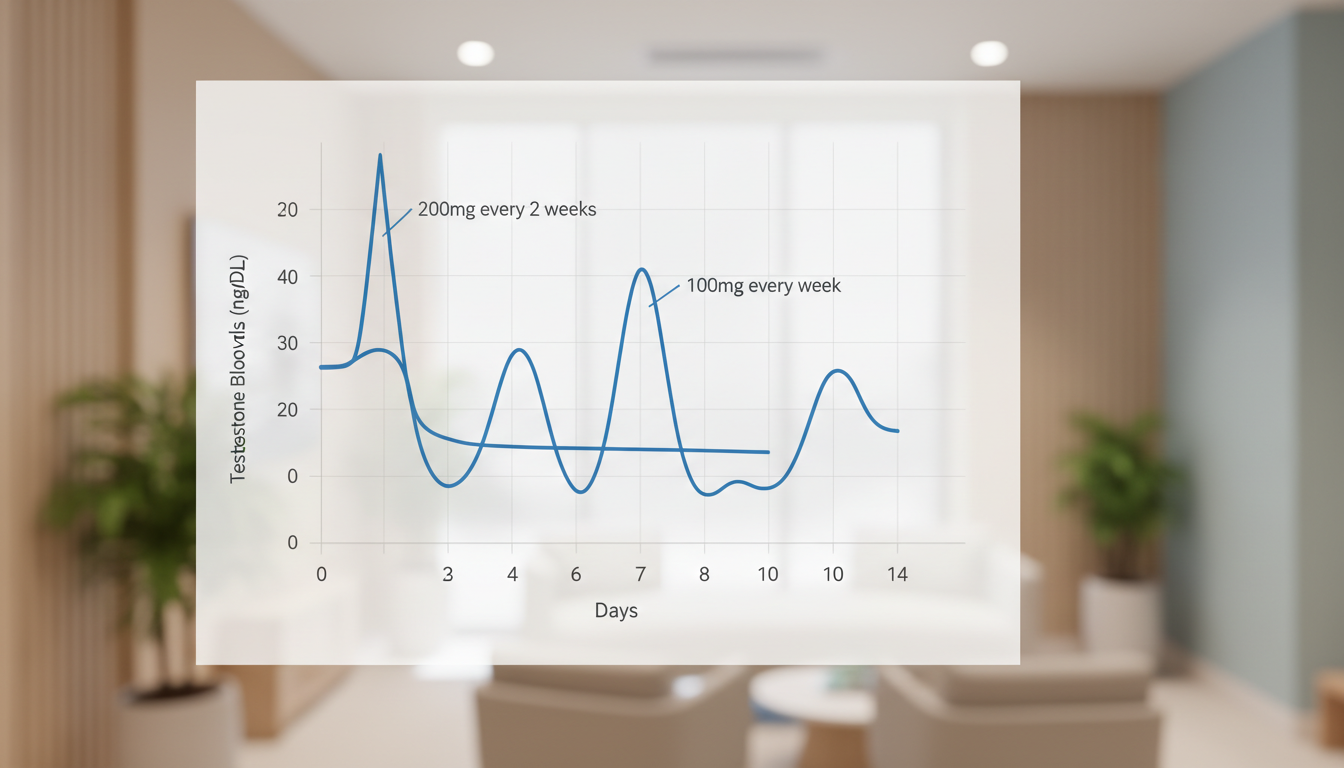
The final piece of the puzzle is your dosing schedule. For years, the standard protocol was often a large injection of 200 mg every two weeks. However, modern clinical practice and recent research suggest that more frequent, smaller injections are superior for managing side effects, which is crucial for long-term health and consistent muscle gain.
What the Research Says
A study in the International Journal of Impotence Research compared two common protocols: 100 mg of testosterone injected weekly versus 200 mg injected every two weeks. The total monthly dose was the same for both groups.
The results were telling. While there were no significant differences in total or free testosterone levels between the groups, men on the 200 mg bi-weekly schedule had a much higher risk of side effects. Specifically, men receiving injections every two weeks had a higher average testosterone peak and were significantly more likely to see their hematocrit rise above the safe level of 54% (8% of men in the bi-weekly group vs. just 1% in the weekly group).
This highlights that a more frequent injection schedule can provide the same benefits with a better safety profile. Many providers now recommend splitting a weekly dose into two smaller, twice-weekly injections to maintain even more stable blood levels and further minimize side effects. Discussing your dosing frequency is a key part of creating a TRT dosage chart with your doctor.
How to Choose the Best Testosterone Injection for Muscle Gain
With all this information, how do you make a final decision? The best testosterone injection for muscle gain is the one that allows you to maintain optimal and stable testosterone levels safely, consistently, and within your budget.
Here’s a simple framework to guide your conversation with your doctor:
- Consult a Qualified Provider: This is non-negotiable. TRT is a medical therapy for men with clinically diagnosed hypogonadism, confirmed through blood work. You can find licensed providers through telehealth platforms like those listed on our clinics page or by searching for online doctors that prescribe testosterone in the US. Your provider will determine if you are a candidate and recommend a starting point.
- Consider Your Lifestyle and Convenience: Be realistic about how often you're willing to inject. If a weekly schedule seems manageable, cypionate or enanthate are excellent choices. If you want the ultimate convenience and can handle the cost and administration requirements, undecanoate might work. If you need precise control, propionate could be an option, but only if you can commit to the demanding schedule.
- Evaluate Your Budget: If you're paying out-of-pocket, generic testosterone cypionate is almost always the most cost-effective solution. Brand-name auto-injectors and long-acting esters like Aveed are significantly more expensive and often require robust insurance coverage.
- Prioritize Side Effect Management: Based on research, a weekly or twice-weekly injection schedule with subcutaneous enanthate or cypionate may offer the best balance of benefits and a lower risk of side effects like high hematocrit and estradiol.
Ready to explore your options with a professional? Take our free 3-minute quiz to get matched with a licensed provider who can review your symptoms, order lab work, and design a treatment plan that fits your goals.
FAQs
How quickly will I see muscle gain from testosterone injections?
While individual results vary, many men on TRT notice improvements in energy, mood, and gym recovery within the first few weeks. According to clinical data on fast-acting esters, you can see measurable increases in lean muscle mass of 1-3 kg (2.2 to 6.6 lbs) and reductions in fat mass within 4-8 weeks of starting treatment (Optimal Clinic, 2026).
What is a typical starting dose of testosterone for muscle gain?
A typical starting TRT dose for diagnosed hypogonadism is often between 100 mg and 200 mg per week, usually administered as testosterone cypionate or enanthate. However, the goal of TRT is to restore hormones to a healthy, normal range, not to achieve supraphysiological levels for bodybuilding. Your doctor will determine the appropriate starting dose based on your baseline lab work, age, and symptoms.
Is TRT legal for muscle gain?
Testosterone is a Schedule III controlled substance. It is legal to use with a valid prescription from a licensed medical provider to treat a diagnosed medical condition like hypogonadism (low testosterone). Using testosterone without a prescription for the sole purpose of athletic enhancement or bodybuilding is illegal.
Can I get testosterone injections online?
Yes, you can legally obtain a prescription for testosterone injections online through a licensed telehealth clinic. Reputable platforms like the ones RxFox reviews connect you with doctors who will evaluate your symptoms, order blood tests from a local lab, and, if you qualify, prescribe a treatment plan. Your medication is then shipped to you from a licensed pharmacy.
Contributing to evidence-based peptide education and provider transparency.
Too many clinics, not enough clarity?
We don't sell peptides. Tell us your goals and we'll connect you with a vetted provider who can figure out what actually makes sense for you.
See what's right for youRelated articles
Which Protein Supplements for Muscle Growth Actually Work?
Tired of the hype? Find out which protein supplements for muscle growth are backed by science and learn how to pick the right one for your goals.
Hormone TherapyWhat Are the Real Magnesium Glycinate Benefits?
Uncover the science-backed magnesium glycinate benefits. We explore its effects on sleep, stress, and muscle function and explain why it's a top choice.
Hormone TherapyWhat B12 Shot Benefits Can You Actually Expect?
B12 shots are often hyped for energy, but the real b12 shot benefits are more specific. Learn who is a true candidate and what results to expect.