What do TRT before and after results really look like?
See a realistic TRT before and after timeline. We break down the changes you can expect in your body, mind, and sex drive from week 1 to year 1.

This content is for informational purposes only and does not constitute medical advice. Always consult a qualified healthcare provider for diagnosis and treatment of any health condition.
If you’re looking into Testosterone Replacement Therapy (TRT), you probably have one big question: "What will my TRT before and after results actually look like?" You've likely heard stories of men feeling like they’re 20 again, with more energy, a better physique, and a revived sex drive. But you also want a realistic timeline, not just hype.
This guide breaks down the TRT experience week by week and month by month, using the latest 2026 clinical data. We’ll show you what to expect, from the first subtle shifts in mood to the more noticeable physical changes down the line. Understanding this timeline is the first step in deciding if this treatment is the right path for you.
For a deeper dive into what TRT is and who it's for, you can read our complete guide on what is TRT and who is it actually for?.
TRT Results: A Quick Timeline Overview
Every man's body responds differently, but clinical studies give us a reliable map of what to expect. Below is a general timeline for the benefits of TRT.
| Timeline | Expected Changes & Improvements |
|---|---|
| Weeks 1-4 | Initial increases in energy levels and mood. Libido and morning erections often return. Some men report better focus. |
| Months 1-3 | More consistent positive mood and motivation. Libido is noticeably higher. Early signs of fat reduction may appear. |
| Months 3-6 | Significant changes in body composition. Increased muscle mass and strength, especially with regular exercise. Noticeable reduction in body fat, particularly around the midsection. |
| Months 6-12 | Maximum benefits are typically reached. Continued improvements in muscle mass and fat loss. Bone density begins to improve. Sustained mental and sexual health benefits. |
The First Few Weeks: The Initial Shift (Weeks 1-4)
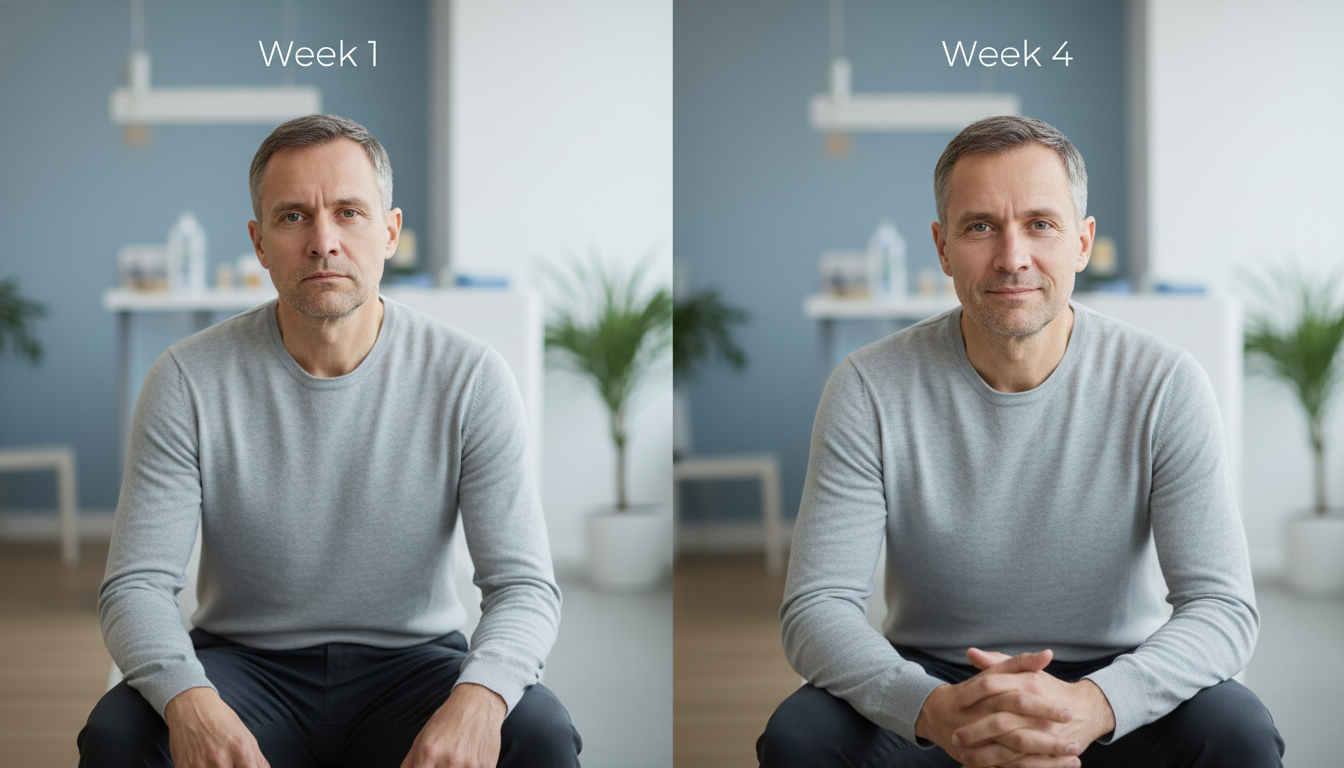
The first month of TRT is often about a return of things you didn't realize were gone. The changes are more internal than external. Don't expect to look in the mirror after two weeks and see a completely different person. Instead, you’ll start to feel different.
According to research, some of the earliest benefits to appear are improvements in energy and libido, often within the first two to four weeks (Highland Longevity, 2026). Many men describe this as a fog lifting. You might find it easier to get out of bed in the morning or have more stamina to get through a long workday without needing that third cup of coffee.
What you might experience in your TRT before and after 1 month look:
- Improved Mood and Outlook: A general sense of well-being can be one of the first things to return.
- Increased Libido: You may notice a renewed interest in sex and an increase in morning erections. For many men, this is one of the most welcome and obvious early signs that the therapy is working.
- Better Energy Levels: That constant feeling of being drained may start to fade, replaced by more consistent energy throughout the day.
Physically, not much will have changed yet. Your body is still adjusting to the new, optimized hormone levels. This initial period is critical for establishing a baseline and ensuring your body is responding well to the treatment. Your provider will be monitoring you to make sure your protocol is on the right track. If you are experiencing symptoms of low testosterone, you can use our free hormone symptom checker to better understand your situation before speaking with a doctor.
TRT Before and After 3 Months: Gaining Momentum
By the three-month mark, the changes from TRT start to become more consistent and noticeable. The initial "honeymoon" phase, where everything feels new and exciting, settles into a new, more stable normal. This is often the point where you truly start to believe the treatment is making a lasting difference.
During this period, the mental benefits solidify. Libido and energy improvements, which started in the first month, are now more reliable. Mental clarity and focus often sharpen, helping you feel more productive and engaged in daily life. According to data from ShotFreeTRT, libido and energy typically see solid improvements within 3-6 weeks, so by month three, these benefits should be well-established.
This is also when early physical changes may begin to show up. While you won't have a complete body transformation yet, you might notice:
- Improved Gym Performance: Lifts may feel a little easier, and you might recover faster between workouts.
- Reduced Bloating: Some men report less water retention and a slightly leaner appearance.
- Early Fat Reduction: You might see the first signs of fat loss, especially if you’ve paired your treatment with a healthy diet and exercise.
Around the TRT before and after 3 months point, your provider will likely schedule follow-up blood work. This is done to check your testosterone levels, along with other important markers like estradiol and red blood cell count, to ensure your dose is optimized and safe.
Not sure which treatment protocol is right for you? It can feel complicated, but you don't have to figure it out alone. Take our free quiz to get matched with a qualified provider who can create a plan based on your specific needs and goals.
TRT Before and After 6 Months: Visible Physical Changes
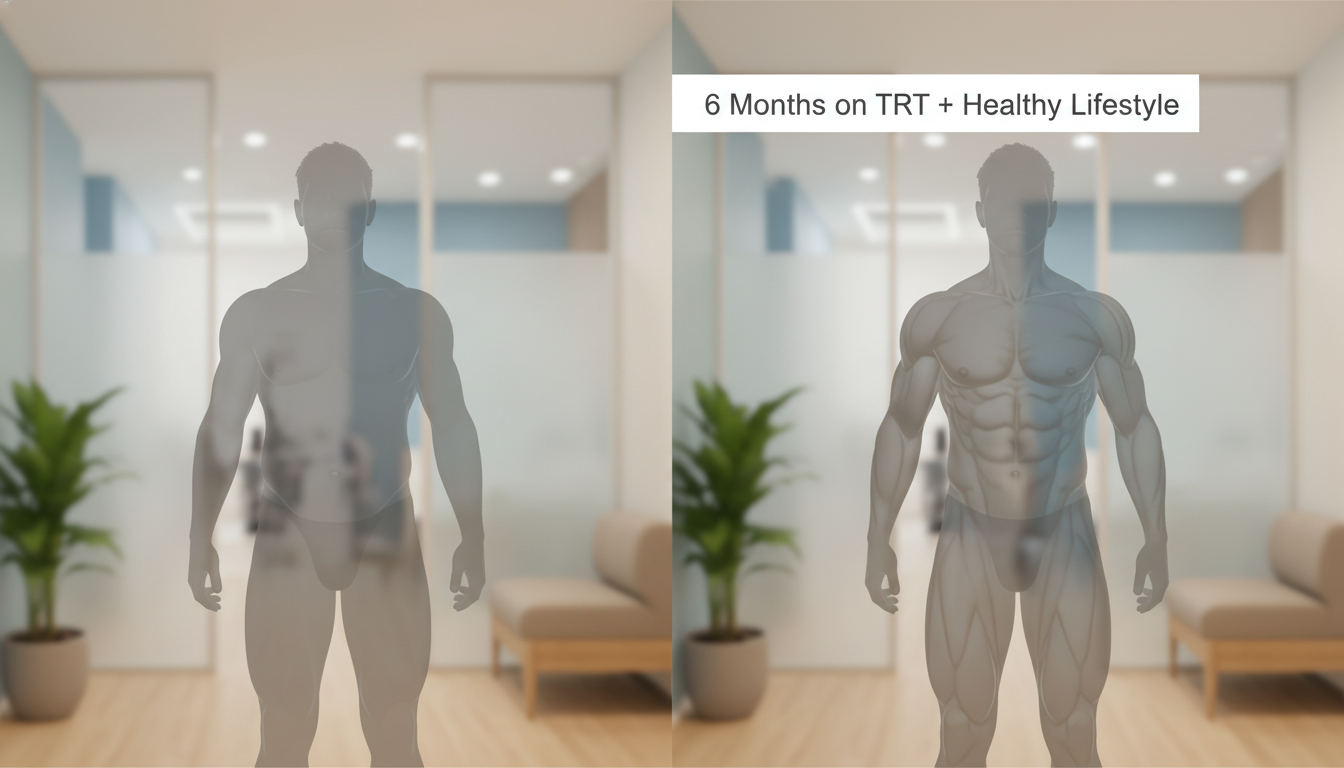
Six months is a major milestone for anyone on TRT. This is when the most talked-about physical "before and after" results really start to shine. While the mental and sexual health benefits are life-changing, the physical transformation is what often motivates men to stick with the therapy. By this point, if you are also putting in work at the gym and in the kitchen, the results can be dramatic.
Clinical studies show that TRT can lead to an average increase of 2-5 kg (about 4.4 to 11 pounds) of lean muscle mass, with maximum benefits often achieved within 6-12 months (Highland Longevity, 2026). This is also the timeframe where fat distribution begins to change significantly. Studies note that it takes around 12-16 weeks to see a major impact on fat, especially with consistent resistance training (ShotFreeTRT, 2026).
This is also when you may notice a TRT before and after face change. As your body sheds excess fat and reduces water retention, your facial features can become sharper and more defined. Many men report losing the "puffy" look associated with low testosterone and poor metabolic health.
At the six-month mark, you can expect:
- Noticeable Muscle Growth: Your shirts might feel a little tighter around the shoulders and arms.
- Significant Fat Loss: You should see a reduction in belly fat and an overall leaner physique.
- Increased Strength: You'll be lifting heavier and pushing yourself further during workouts.
These visible changes are a direct result of your body operating with optimal hormone levels. Testosterone plays a key role in protein synthesis and metabolism, making it easier to build muscle and burn fat.
Long-Term Results & Benefits (1 Year and Beyond)
After a year on TRT, the focus shifts from transformation to maintenance. The dramatic changes of the first 6-12 months have stabilized, and you’ve established a new, healthier baseline. Your body has fully adapted to optimized hormone levels, and the long-term benefits are now in full effect.
One of the most important long-term benefits is the improvement in bone mineral density. Low testosterone is a risk factor for osteoporosis in men, and TRT helps reverse this by promoting bone-building activity. This is a silent benefit you won’t see in the mirror, but it's crucial for your health as you age.
At this stage, you've likely integrated a healthy lifestyle with your therapy. You understand that TRT is a powerful tool, but not a magic pill. Sustained results depend on consistent exercise, a balanced diet, and good sleep hygiene. Highland Longevity notes that lifestyle factors heavily influence results, and proper monitoring for at least 6-12 months is essential for optimal outcomes.
Living with optimized testosterone long-term is about feeling consistently good. It's about having the energy to play with your kids, the focus to excel at work, and the vitality to enjoy your life to the fullest. Regular check-ins with your provider at one of the many available clinics ensure your protocol remains safe and effective for years to come.
Factors That Affect Your TRT Before and After Results
Your TRT results are not just about the testosterone itself. Several factors play a huge role in how quickly you see changes and how significant they are.
- Protocol and Dosing: The type of TRT (injections, gels, or oral pills) and the dose will impact your results. For example, in 2026, new FDA-approved oral testosterone like KYZATREX® can restore levels in up to 96% of men, offering an alternative to injections for $200-400 a month (VidaVital MD, 2026). You can learn more about testosterone tablets for men in our detailed guide. The goal is to reach a physiological dose, typically between 350-700 ng/dL, not a supraphysiologic one (Dr. T S Didwal, 2026). The
average trt doseis tailored to your individual blood work. - Lifestyle: This is perhaps the biggest factor. TRT combined with consistent resistance training and a protein-rich diet will produce incredible physical changes. TRT alone will not. Sleep quality is also critical, as your body produces growth hormone and repairs muscle during deep sleep.
- Consistency: Skipping doses or being inconsistent with your protocol will lead to hormonal fluctuations and subpar results. Adhering to the schedule your provider sets is key.
- Starting Point: A man starting with very low testosterone levels (e.g., 150 ng/dL) may experience a more dramatic initial improvement than someone starting at a borderline level (e.g., 320 ng/dL).
- Other Health Conditions: Issues like insulin resistance, thyroid problems, or high stress can blunt the effects of TRT. A good provider will assess your overall health, not just your testosterone.
Want to see which options fit your budget and goals? Finding the right approach can be confusing with so many choices. Our free quiz takes 3 minutes and matches you with vetted providers who can design a plan that works for you.
Understanding the Side Effects and TRT Risks in 2026
For years, a cloud of uncertainty hung over TRT regarding heart health. However, the medical view has changed significantly. In a major update, the FDA removed the class-wide black box warning about increased cardiovascular risk from testosterone products in 2025 (FDA.gov, 2025).
This decision was driven by the results of the TRAVERSE trial, a large-scale study involving over 5,000 men with pre-existing cardiovascular disease or high risk. The trial found that TRT was non-inferior to placebo for major adverse cardiac events (MACE) like heart attack and stroke (Urology Times, 2026). The MACE rate was nearly identical at 7.0% in the testosterone group and 7.3% in the placebo group over a 33-month median follow-up (Dr. T S Didwal, 2026).
However, this doesn't mean TRT is without risks. The same TRAVERSE trial highlighted a few important side effects of trt in males:
- Does TRT raise blood pressure? Yes, it can. Postmarket studies confirmed this, and the FDA added a new warning about increased blood pressure to all testosterone products (Urology Times, 2026).
- Atrial Fibrillation: There was a higher rate of A-fib in the testosterone group (3.5%) compared to the placebo group (2.4%) (ShotFreeTRT, 2026).
- Pulmonary Embolism: A similar increase was seen for blood clots in the lungs (0.9% vs. 0.5%).
The most common side effect of trt is erythrocytosis, an increase in red blood cell count. This can thicken the blood and increase clotting risk if not monitored and managed through blood donations or dose adjustments. Other potential side effects include acne, oily skin, and testicular shrinkage.
For men concerned about fertility, an alternative like Enclomiphene therapy is gaining popularity. It stimulates your body's own testosterone production without shutting down sperm production and is more affordable at $100-200 per month (VidaVital MD, 2026). This is just one of many options a qualified provider can discuss with you. You can easily connect with online doctors that prescribe testosterone in the US to get a professional opinion.
Ready to explore your options with a medical professional? Take our free 3-minute quiz to get matched with a licensed provider who can help you weigh the benefits and risks.
FAQs
How long does it take to see results from TRT?
You will likely feel initial results like improved mood, energy, and libido within 2-4 weeks. More significant physical changes, such as increased muscle mass and fat loss, typically become noticeable between 3 and 6 months, with maximum benefits achieved around the one-year mark.
Does TRT change your face?
Yes, TRT can change your face. Many men experience a leaner and more defined facial appearance. This is due to a combination of reduced body fat, less water retention, and a decrease in the "puffy" look often associated with low testosterone and poor metabolic health.
Is TRT safe for your heart in 2026?
Based on the landmark TRAVERSE trial, the FDA removed its primary cardiovascular warning from testosterone products in 2025. The trial showed no increased risk of heart attack or stroke. However, it did find a slightly higher risk of atrial fibrillation and pulmonary embolism, and a new warning for increased blood pressure was added. Proper patient screening and monitoring are essential.
What is a typical monthly cost for TRT?
The cost of men's TRT varies by type and provider. Injections are often the most affordable, ranging from $50 to $150 per month. Gels can cost $200-$500, and newer oral options like KYZATREX® fall in the $200-$400 range. You can see a full breakdown in our post on how much TRT costs per month.
Can you build muscle on TRT without working out?
You may see a slight increase in lean mass without exercise, but you will not achieve significant muscle growth. TRT enhances your body's ability to build muscle in response to stimulus. To see the dramatic physical changes often shown in before-and-after photos, a consistent resistance training program is necessary.
Contributing to evidence-based peptide education and provider transparency.
Too many clinics, not enough clarity?
We don't sell peptides. Tell us your goals and we'll connect you with a vetted provider who can figure out what actually makes sense for you.
See what's right for youRelated articles
Which Protein Supplements for Muscle Growth Actually Work?
Tired of the hype? Find out which protein supplements for muscle growth are backed by science and learn how to pick the right one for your goals.
Hormone TherapyWhat Are the Real Magnesium Glycinate Benefits?
Uncover the science-backed magnesium glycinate benefits. We explore its effects on sleep, stress, and muscle function and explain why it's a top choice.
Hormone TherapyWhat B12 Shot Benefits Can You Actually Expect?
B12 shots are often hyped for energy, but the real b12 shot benefits are more specific. Learn who is a true candidate and what results to expect.