What Are the Human Growth Hormone Bodybuilding Side Effects?
Thinking of using HGH? We cover the real human growth hormone bodybuilding side effects, from common issues like joint pain to serious long-term risks.
This content is for informational purposes only and does not constitute medical advice. Always consult with a qualified healthcare provider for any health concerns or before starting a new treatment.
Human Growth Hormone (HGH) has a reputation in gyms and online forums for building muscle and shedding fat. While it has legitimate medical uses, many people wonder about the human growth hormone bodybuilding side effects that come with using it for performance enhancement. The reality is that using HGH outside of a doctor's care is not only risky but illegal. In the United States, HGH (somatropin) is a Schedule III controlled substance, and its distribution for bodybuilding is a federal crime (GLPbase). Even in approved medical settings, side effects are a significant concern. This risk is much higher with the supraphysiologic doses often used in bodybuilding.
This guide breaks down the science-backed side effects, from common issues to serious health risks, based on clinical trials and prescribing information. While HGH is a powerful hormone, understanding its full effects is critical. For those exploring hormone optimization, it's often more effective and safer to work with a provider on alternatives like growth hormone-releasing peptides. You can learn more about the distinction in our guide to HGH vs. HGH peptides.
Common Human Growth Hormone Bodybuilding Side Effects
When used at doses higher than medically recommended, the risk of human growth hormone bodybuilding side effects increases substantially. Even in clinical studies with healthy older adults using modest doses, side effects are frequent. A major 2007 systematic review found that while HGH did increase lean body mass, it was also associated with a much higher likelihood of adverse events (Liu et al., 2007).
Here are some of the most common side effects reported in clinical trials and on drug labels for products like Omnitrope and Genotropin.
| Side Effect | Description | Frequency/Risk Indicator |
|---|---|---|
| Fluid Retention (Edema) | Swelling caused by excess fluid trapped in your body's tissues, often in the hands, ankles, and feet. | Patients were over 8 times more likely to experience edema compared to placebo (Liu et al., 2007). |
| Joint Pain (Arthralgia) | Aches, stiffness, and pain in the joints, which can feel similar to arthritis. | Patients were nearly 6 times more likely to have joint pain than those on placebo (Liu et al., 2007). |
| Carpal Tunnel Syndrome | Numbness, tingling, and weakness in the hand and arm caused by a pinched nerve in the wrist, often due to fluid retention. | Patients were over 3 times more likely to develop carpal tunnel syndrome (Liu et al., 2007). |
| Injection Site Reactions | Redness, pain, itching, or rash at the site of injection. Long-acting formulas may cause this more frequently (Discover Medicine, 2025). | Common adverse reaction noted on Omnitrope and Genotropin labels. Can include lipoatrophy, or localized loss of fat tissue. |
| Headaches | A common, non-specific side effect reported by users. | Listed as a common adverse reaction in prescribing information for most somatropin products (Omnitrope, Genotropin). |
| Muscle Pain (Myalgia) | General aches and pains in the muscles, separate from post-workout soreness. | Often occurs alongside joint pain as a result of inflammation and fluid shifts. |
It's clear that even at therapeutic doses, side effects are not rare. For bodybuilders using much larger amounts, these common issues can become more severe and harder to manage. If you're considering hormone therapy, understanding the risks is the first step.
Feeling overwhelmed by the options and risks? You're not alone. Our free quiz can help you find clarity by matching you with a vetted provider who can discuss safer, medically-supervised options. Take the 3-minute quiz to get started.
Serious Side Effects of HGH in Bodybuilding to Watch For
Beyond the common aches and pains, using high-dose HGH for bodybuilding presents a risk of serious, long-term health problems. The very properties that make HGH appealing for physique changes also put major organ systems under stress. A comprehensive 2025 review of over 90 studies confirmed that recombinant human growth hormone (rhGH) therapy is linked to significant cardiovascular and metabolic disorders, requiring careful monitoring (Discover Medicine, 2025).
Here are some of the most critical hgh side effects in bodybuilding to be aware of:
1. Increased Risk of Type 2 Diabetes: HGH has direct insulin-antagonizing effects. This means it can make your body's cells less responsive to insulin, a condition known as insulin resistance. Prescribing information for both Genotropin and Omnitrope explicitly warns about impaired glucose tolerance and the risk of developing diabetes mellitus. In bodybuilding, where supraphysiologic doses are common, this effect can be very pronounced, potentially leading to chronically high blood sugar and full-blown type 2 diabetes (GLPbase).
2. Cardiovascular Complications: The link between HGH and heart health is complex. Some studies associate long-term, high-dose use with increased cardiovascular risk, including cardiac dysfunction and cerebrovascular disease (Discover Medicine, 2025). Fluid retention can increase blood pressure, putting extra strain on the heart and blood vessels. An ongoing FDA review of the French SAGhE study also noted a possible increased risk of death from cardiovascular diseases in adults who were treated with higher doses of HGH during childhood, though the FDA currently states the benefits for approved uses still outweigh the risks (FDA, 2011).
3. Acromegaly and Unwanted Growth: Acromegaly is a hormonal disorder that results from too much growth hormone in the body. While a natural disease is caused by a pituitary tumor, using high-dose HGH can create an artificial state of acromegaly. This leads to the slow, progressive enlargement of bones in the hands, feet, and face (jaw, forehead). These changes are often irreversible. You can't control what grows on HGH, and this includes internal organs, a condition called organomegaly, which can interfere with their function.
4. Intracranial Hypertension: This is a rare but serious side effect involving increased pressure inside the skull. Both Omnitrope and Genotropin labels warn of this risk. Symptoms can include severe headaches, vision problems, and nausea or vomiting. If left untreated, it can lead to permanent vision loss.
5. Potential Cancer Risk: The relationship between HGH and cancer is a subject of ongoing research. Because GH is a growth factor, there is a theoretical concern that it could promote the growth of existing tumors. The FDA's review of the French SAGhE study highlighted a potential link between childhood HGH treatment and an increased risk of death from bone tumors later in life (FDA, 2011). Drug labels for somatropin advise monitoring patients with pre-existing tumors for any progression or recurrence. For bodybuilders using HGH without medical oversight, this risk is completely unmonitored.
Who Should Not Take HGH?
Even under strict medical supervision for FDA-approved conditions, HGH is not suitable for everyone. These contraindications are listed on official prescribing information for a reason, and ignoring them can lead to severe health consequences.
According to the FDA-approved labels for somatropin products like Genotropin and Omnitrope, you should not take HGH if you have:
- An Active Malignancy (Cancer): Because HGH stimulates cell growth, it is strictly forbidden for anyone with an active tumor. The concern is that it could accelerate cancer progression.
- Acute Critical Illness: Patients who have complications following open heart surgery, abdominal surgery, multiple accidental traumas, or those with acute respiratory failure should not be treated with HGH. High doses in this population have been linked to increased mortality.
- Known Hypersensitivity: If you have a known allergy to somatropin or any of the other ingredients in the formulation, you should not use it.
- Diabetic Retinopathy: HGH is contraindicated in patients with active proliferative or severe non-proliferative diabetic retinopathy, a condition involving damage to the blood vessels of the retina.
- Prader-Willi Syndrome (in certain conditions): For pediatric patients with Prader-Willi syndrome, HGH is contraindicated if they are severely obese, have a history of upper airway obstruction or sleep apnea, or have severe respiratory impairment. There have been reports of sudden death in these patients.
These contraindications are for medically necessary treatments. For individuals considering HGH for bodybuilding, this list underscores the powerful and potentially dangerous nature of the hormone when used in an untested or vulnerable system.
Drug Interactions
HGH does not operate in a vacuum. It can interact with other medications, altering their effects or increasing the risk of adverse events. Because bodybuilders may be taking other substances, understanding these interactions is crucial for harm reduction.
Here are some key drug interactions listed in prescribing information for somatropin:
- Corticosteroids (e.g., prednisone): Glucocorticoids can inhibit the growth-promoting effects of HGH. If you require ongoing steroid treatment, your provider may need to adjust your HGH dose.
- Insulin and/or Oral Anti-Diabetic Drugs: As mentioned, HGH can cause insulin resistance. Patients with diabetes who start HGH therapy may need to increase their insulin or medication dosage to maintain blood sugar control.
- Oral Estrogen: Women taking oral estrogen may require higher doses of HGH to achieve the same therapeutic effect. Oral estrogen is known to reduce IGF-1 levels, which is the primary mediator of HGH's effects. Monitoring IGF-1 levels is critical in this group.
- Cytochrome P450-Metabolized Drugs: HGH may alter the clearance of drugs metabolized by the CYP450 enzyme system, such as anticonvulsants and cyclosporine. This could potentially change the effective dose of those medications.
Managing these interactions requires careful medical oversight. Trying to balance HGH with other drugs or performance enhancers without a doctor's guidance is a high-risk gamble.
If you're looking for a way to optimize your hormones safely, it starts with professional guidance. Find a qualified provider near you by taking our free matchmaking quiz. They can help you understand your options, including costs and benefits.
How to Manage HGH Side Effects
If someone is using HGH under a doctor's care for a legitimate deficiency, managing side effects is a collaborative process. For those using it illicitly for bodybuilding, the only truly safe advice is to stop and consult a healthcare professional. However, for informational purposes, here are the strategies clinicians use to manage common HGH side effects.
For Fluid Retention, Joint Pain, and Carpal Tunnel Syndrome: These side effects are highly dose-dependent. The primary management strategy is to reduce the dose. A healthcare provider will often lower the dose and then slowly titrate it back up to a level that provides benefits without causing significant discomfort. Symptoms like joint pain and swelling typically improve within a few weeks of a dose reduction. For carpal tunnel, wrist splints worn at night can provide some relief while the underlying fluid retention is addressed.
For Injection Site Reactions: To prevent injection site reactions and the localized loss of fat tissue known as lipoatrophy, proper injection technique is key. This involves:
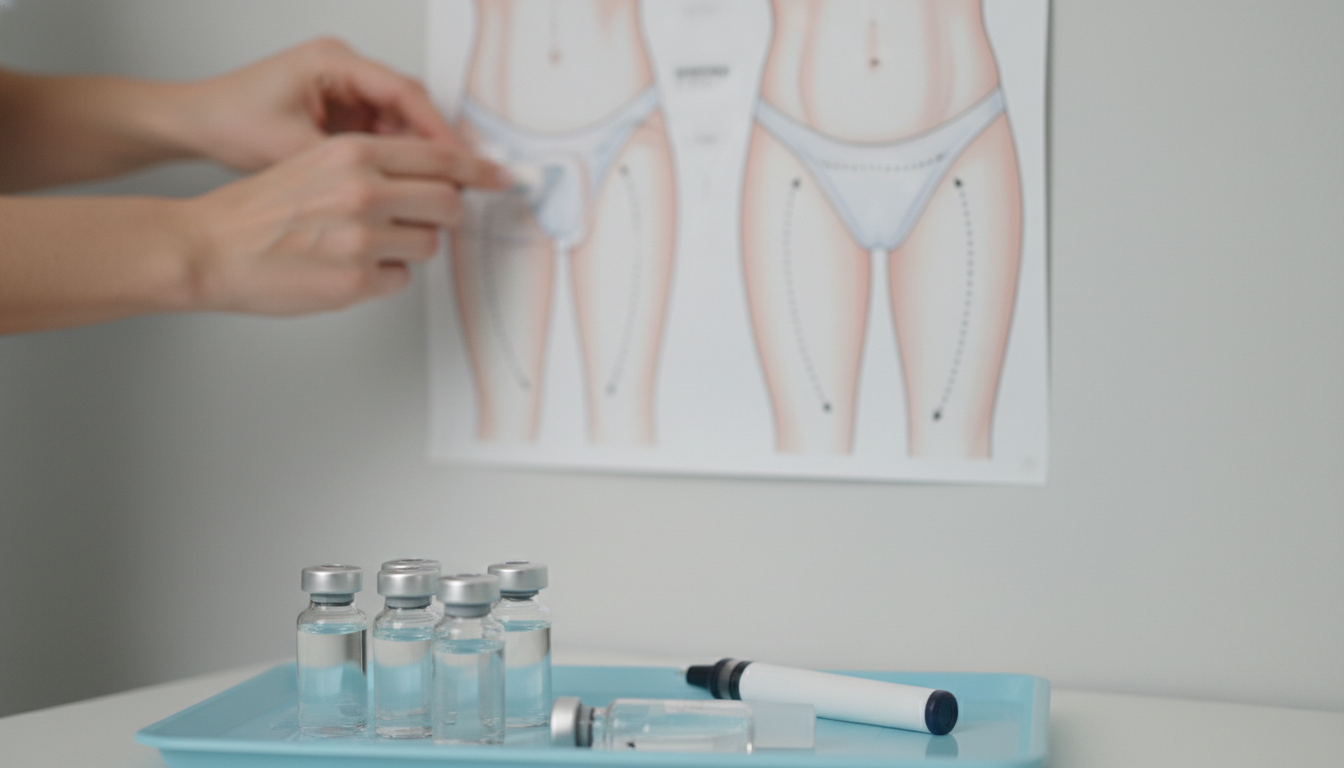
- Rotating injection sites: Avoid injecting into the same spot every time. Common sites include the abdomen, thighs, and buttocks.
- Using proper hygiene: Always clean the vial top and injection site with an alcohol swab.
- Allowing the alcohol to dry: Injecting through wet alcohol can cause stinging.
A 2025 review noted that while long-acting HGH formulations have a similar overall side effect profile to daily injections, they may have a higher frequency of transient injection site reactions (Discover Medicine, 2025).
For Headaches: Occasional, mild headaches may be managed with over-the-counter pain relievers, but it's essential to discuss this with a provider. Persistent or severe headaches should never be ignored, as they can be a symptom of intracranial hypertension and require immediate medical evaluation.
For Impaired Glucose Tolerance: This is one of the more serious metabolic side effects. Management requires regular monitoring of blood glucose and HbA1c levels. A provider may recommend dietary changes, increased physical activity, and, if necessary, a dose reduction of HGH. Anyone using HGH, especially at high doses, should be vigilant for symptoms of high blood sugar such as increased thirst, frequent urination, and unexplained fatigue.
When to See a Doctor
When using a powerful hormone like HGH, knowing when to seek medical help is critical, whether you're on a prescribed therapy or using it without supervision. Some symptoms are warning signs of serious complications.
Consult a healthcare provider immediately if you experience any of the following:
- Severe or persistent headaches, especially when accompanied by vision changes, nausea, or vomiting. These are hallmark signs of intracranial hypertension.
- Symptoms of hyperglycemia (high blood sugar), including excessive thirst, frequent urination, blurred vision, or unusual fatigue.
- Significant swelling in your hands and feet that doesn't resolve, or numbness and tingling in your fingers. This could indicate severe fluid retention or carpal tunnel syndrome that needs intervention.
- Any noticeable changes in the size or shape of your hands, feet, or facial features. This may be a sign of acromegaly.
- Chest pain, shortness of breath, or heart palpitations. These symptoms could point to serious cardiovascular strain.
- The appearance of a new mole or changes in an existing mole. This is important due to the theoretical risk of HGH's effect on cell growth.
Ignoring these symptoms can lead to irreversible damage. If you are using HGH without a prescription, being honest with a doctor about what you are taking is the only way to get the help you need to protect your long-term health.
Ready to Explore Safer Alternatives?
The allure of quick results can be powerful, but the human growth hormone bodybuilding side effects are significant and potentially permanent. The safest and most effective way to optimize your hormones is by working with a licensed medical provider who can create a plan based on your unique biology and goals.
Ready to take the next step? Take our free 3-minute quiz to get matched with a top telehealth clinic specializing in hormone optimization.
FAQs
Can HGH side effects be permanent? Some HGH side effects can be permanent, especially those related to high-dose, long-term use. Bony changes associated with acromegaly, such as an enlarged jaw or thicker fingers, are generally irreversible. Organ enlargement can also be permanent. However, many common side effects like fluid retention, joint pain, and carpal tunnel syndrome are often dose-dependent and may resolve after stopping HGH or reducing the dose.
What are the first signs of HGH side effects? The earliest and most common signs of HGH side effects are often related to fluid retention. This can manifest as swollen hands and ankles (edema), joint stiffness and pain (arthralgia), and tingling or numbness in the hands, which is a symptom of carpal tunnel syndrome.
Does lowering the HGH dose reduce side effects? Yes, in most cases. Many of the most common HGH side effects are directly related to the dose. Reducing the dosage is the primary strategy used by clinicians to manage adverse effects like edema, joint pain, and carpal tunnel syndrome.
Is using HGH for bodybuilding safe? No, using HGH for bodybuilding is not considered safe. It is illegal to distribute or possess HGH for this purpose in the United States. The supraphysiologic doses used in bodybuilding are far higher than what is studied in clinical trials and carry a significant risk of serious side effects, including diabetes, heart problems, and irreversible bone growth. For more details on what growth hormone actually does, see our guide on human growth hormone.
Are there safer alternatives to HGH for muscle growth? Yes, there are medically supervised options that may help optimize your body's own hormone production. These include peptides like CJC-1295 and Ipamorelin, which stimulate your pituitary gland to release its own growth hormone. These are often considered a more sustainable approach with a lower risk profile than synthetic HGH injections. You can learn more about peptide injections for muscle growth from one of our related articles.
Contributing to evidence-based peptide education and provider transparency.
Too many clinics, not enough clarity?
We don't sell peptides. Tell us your goals and we'll connect you with a vetted provider who can figure out what actually makes sense for you.
See what's right for youRelated articles
Popular Peptides for Men & What They're Used For
From BPC-157 for healing to CJC-1295 for growth, we explain the most common peptides for men and how they could benefit your health and fitness goals.
Growth HormoneDo Peptide Injections for Muscle Growth Actually Work?
Considering peptide injections for muscle growth? We explain the science, the most popular stacks, and the real risks vs. benefits for building lean mass.
Growth HormoneWhat Does Human Growth Hormone Actually Do for You?
Curious about human growth hormone? We explain how this vital hormone works, its role in metabolism, and why it's so debated for anti-aging and performance.