What's the Difference Between HGH and HGH Peptides?
Curious about HGH peptides? Learn how they differ from synthetic HGH, the science behind their benefits for muscle and recovery, and important safety info.
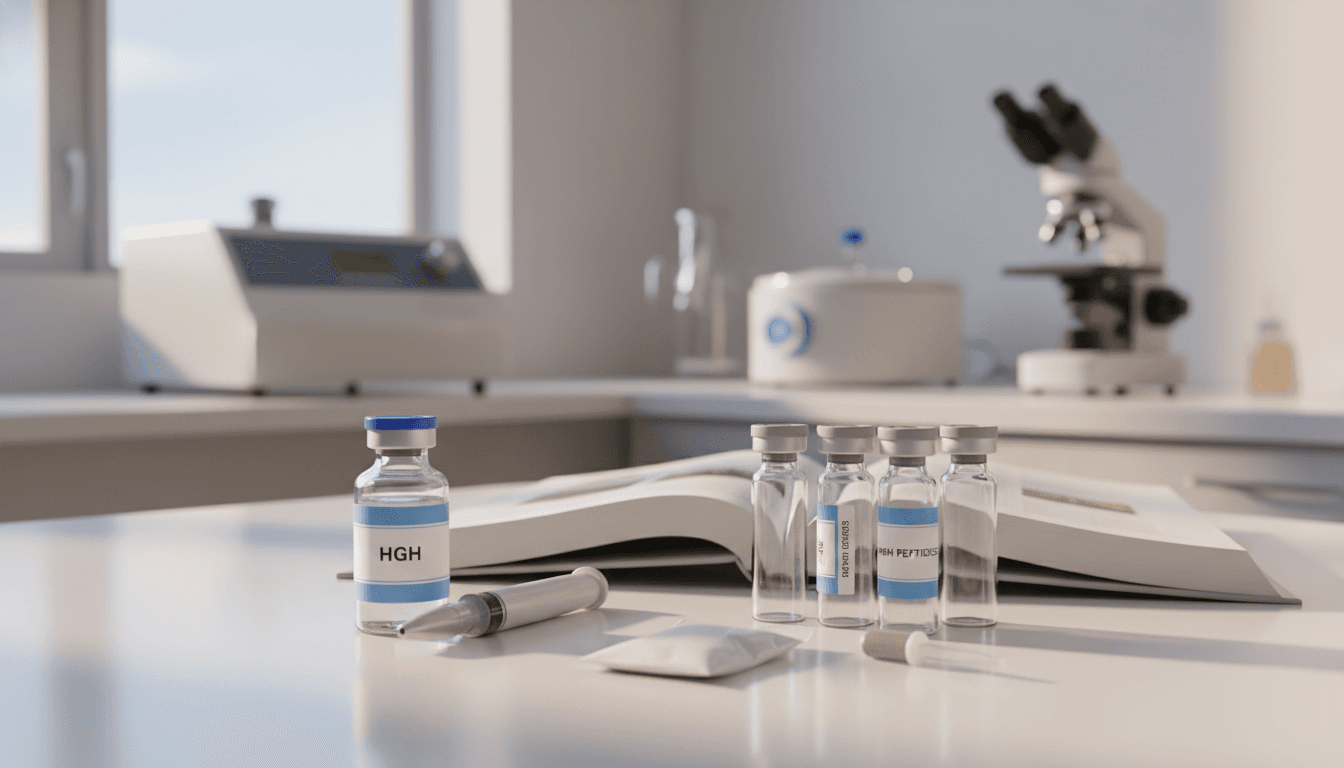
This content is for informational purposes only and does not constitute medical advice. Always consult with a qualified healthcare provider for any health concerns or before starting a new treatment.
If you are exploring ways to enhance your body's natural vitality, you have likely come across HGH peptides. These compounds have gained significant attention for their potential to support everything from muscle growth and fat loss to improved recovery and skin health. Unlike synthetic HGH growth hormone, which involves injecting a finished hormone directly into your body, these specialized peptides work by signaling your own pituitary gland to produce and release more of its own growth hormone. This guide will explain exactly what HGH peptides are, how they work, their benefits, risks, and the complex legal landscape in 2026.
What Are HGH Peptides?
HGH peptides are short chains of amino acids that act as secretagogues, meaning they signal the body to secrete its own Human Growth Hormone (HGH). They do not contain HGH itself. Instead, they stimulate the pituitary gland in a way that mimics the body's natural patterns of hormone release.
To understand this, it's helpful to answer a common question: is HGH a peptide? Yes, technically, Human Growth Hormone is a very large polypeptide chain of 191 amino acids. However, in the context of therapy, a clear distinction is made. "HGH" almost always refers to synthetic, recombinant HGH, a drug known as somatropin. This is a bioidentical, full-sized hormone that directly replaces what your body isn't making.
The "HGH peptides" used in therapy are much smaller and are not the hormone itself. They fall into two main categories:
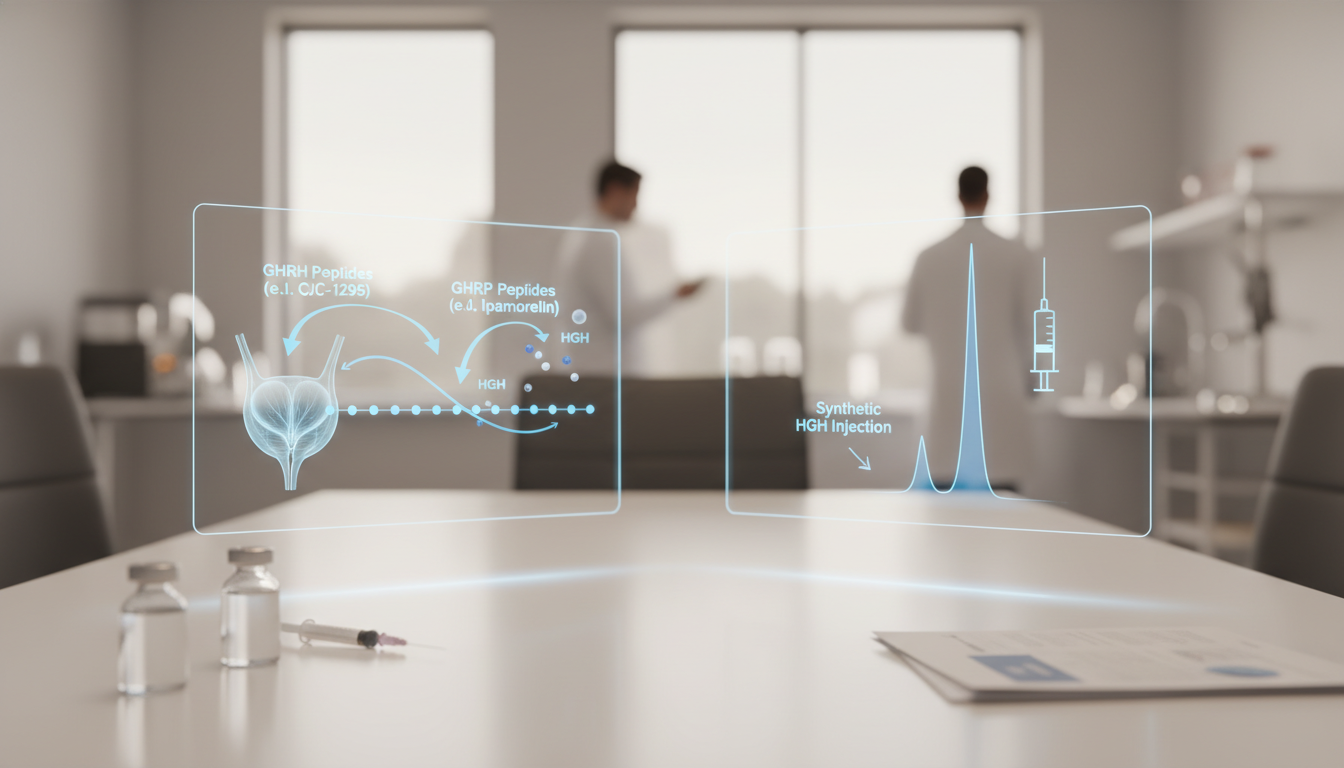
- Growth Hormone-Releasing Hormones (GHRHs): These peptides, like Sermorelin and CJC-1295, mimic the body's natural GHRH. They bind to receptors in the pituitary gland and prompt it to produce and release a pulse of growth hormone.
- Growth Hormone Releasing Peptides (GHRPs): These peptides, such as Ipamorelin and GHRP-2, also stimulate HGH release but through a different receptor called the ghrelin receptor. They often have a synergistic effect when used with GHRHs, leading to a more significant release of growth hormone.
By using these signaling peptides, the goal is to increase overall GH levels without shutting down the body’s natural production, a risk associated with direct somatropin HGH therapy. For a broader overview of peptides, check out our complete guide to what peptides are.
How Do HGH Peptides Work?
The mechanism behind HGH peptides centers on the hypothalamic-pituitary-somatic axis, the body's natural system for regulating growth hormone. This is a delicate feedback loop that ensures your body has the right amount of GH at the right times.
Here is a simplified step-by-step of the natural process:
- The hypothalamus (a region in your brain) releases Growth Hormone-Releasing Hormone (GHRH).
- GHRH travels to the pituitary gland and tells it to produce and release Human Growth Hormone (HGH).
- HGH enters the bloodstream and travels to the liver and other tissues.
- In the liver, HGH stimulates the production of Insulin-Like Growth Factor 1 (IGF-1). IGF-1 is responsible for many of HGH's benefits, like cell growth and repair.
- When levels of HGH and IGF-1 get high enough, they signal the hypothalamus to stop producing GHRH and to release another hormone called somatostatin, which tells the pituitary to stop releasing HGH.
This creates a natural, pulsatile release of HGH, with several peaks throughout the day and the largest pulse occurring shortly after you fall asleep.
HGH peptides tap into this existing system.
- GHRH analogs (like Sermorelin or CJC-1295) act just like your body's own GHRH, triggering step 2.
- GHRPs (like Ipamorelin) also trigger step 2, but they do so by acting on a different receptor and by suppressing somatostatin. This dual action can lead to a more robust release of HGH.
The key advantage here is that these peptides preserve the feedback loop. If GH and IGF-1 levels get too high, the body can still use somatostatin to apply the brakes. This is a stark contrast to injecting synthetic HGH growth hormone (somatropin HGH). A direct HGH injection introduces a large, non-pulsatile amount of the hormone, which can suppress the pituitary's natural function over time. The body sees the high levels of HGH and thinks it no longer needs to make its own. According to a 2026 analysis from Peptide Publicus, this preservation of the natural pulse is a primary reason many prefer peptides over direct HGH, especially for age-related decline rather than diagnosed deficiency.
Deciding between therapy options can be complex. Not sure which treatment is right for you? Take our free quiz to get matched with a provider who can review your health goals and biomarkers.
HGH Benefits: What Does the Evidence Say?
The potential benefits of optimizing growth hormone levels are extensive, as GH and its downstream factor, IGF-1, influence nearly every cell in the body. While direct HGH has more established research for deficiency, studies and clinical experience with HGH peptides point to similar outcomes, often with a better safety profile.
H3: Improved Body Composition (Less Fat, More Muscle)
One of the most sought-after HGH benefits is its effect on body composition. Growth hormone is lipolytic, meaning it helps break down fat, particularly stubborn visceral fat around the organs. A prominent example is Tesamorelin, an FDA-approved GHRH analog. Research cited by Palmetto Peptides shows Tesamorelin can reduce visceral adipose tissue (VAT) by 15-18% over 26 weeks in specific populations. While this fat can return upon stopping treatment, it demonstrates the powerful effect GHRH analogs can have on fat loss.
Simultaneously, GH is anabolic, promoting the growth of lean muscle mass. A 2018 study on Somatrogon, a long-acting form of HGH, found that while it didn't significantly reduce trunk fat in adults with GHD, it did lead to significant improvements in lean body mass and other body composition markers (Pituitary | Springer Nature Link). Users of peptide combinations like CJC-1295 and Ipamorelin often report similar results over several months of consistent use.
H3: Enhanced Recovery and Tissue Repair
Growth hormone is fundamental to cellular repair and regeneration. This is why it's so critical during childhood and adolescence, but it remains vital for maintaining tissues throughout life. Peptides that increase GH can accelerate recovery from injuries and intense exercise.
Many users turn to peptides for this reason. While more research is needed specifically on GHRH/GHRP combinations, the basic science is clear. Higher IGF-1 levels support the repair of muscle, tendons, and ligaments. This is an area where peptides like BPC-157 are famous, but the systemic effects of HGH also play a major role in overall healing.
H3: Anti-Aging and Skin Health
Declining growth hormone levels are a hallmark of aging. This decline is linked to thinner skin, wrinkles, and reduced skin elasticity. By increasing GH levels, HGH peptides may help counteract these changes.
Growth hormone stimulates collagen synthesis, the protein that gives skin its firmness and structure. Users often report thicker, healthier-looking skin and hair after several months of therapy. While often considered a cosmetic benefit, it reflects improved cellular health from the inside out. For those interested in this area, you might also explore our guide on the best injectable peptides for skin tightening.
H3: Increased Bone Density
Osteoporosis and osteopenia (low bone mass) become more common with age, increasing the risk of fractures. Growth hormone plays a role in bone remodeling by stimulating the activity of osteoblasts, the cells that build new bone. By increasing GH and IGF-1, peptide therapy may help improve bone mineral density over the long term, making bones stronger and more resilient. This is one of the well-documented benefits of long-term HGH therapy in deficient adults.
H3: Are HGH Peptides Worth It? A 2026 Comparison
This is a critical question for anyone considering hormone optimization. The answer often comes down to a comparison between HGH peptides and synthetic HGH (somatropin).
| Feature | HGH Peptides (e.g., Sermorelin, Ipamorelin) | Synthetic HGH (Somatropin) |
|---|---|---|
| Mechanism | Stimulates own pituitary for pulsatile release | Direct hormone replacement (bolus dose) |
| Feedback Loop | Preserved; body can self-regulate | Negative feedback loop is suppressed |
| Monthly Cost | $150 – $400 | $800 – $3,000+ |
| Common Side Effects | Mild headache, flushing, injection site reaction | Joint pain, carpal tunnel, edema, insulin resistance |
| Primary Use Case | Age-related GH decline, wellness, body comp | Medically diagnosed Growth Hormone Deficiency |
| Legal Status | Varies; some available via compounding pharmacy | DEA-monitored; illegal for off-label anti-aging use |
Data compiled from Peptide Publicus and PeptideClinicLocator reports, April 2026.
As the table shows, HGH peptides injections are significantly more affordable. The HGH injection price for somatropin is often prohibitive for many, running into thousands per month. For those seeking general wellness and optimization, the favorable cost and safety profile make peptides an attractive starting point. Therefore, for many individuals who are not suffering from severe, clinically-diagnosed GHD, the answer to "are hgh peptides worth it" is often yes.
Want to see which options fit your budget and goals? Our free quiz takes 3 minutes and matches you with vetted providers who can provide pricing and treatment plans.
Risks and HGH Side Effects
No therapy is without risks, and it's essential to understand the potential side effects of both HGH peptides and synthetic HGH.
The side effects associated with HGH peptides are generally mild and transient. Because they work with your body's natural systems, the risk of serious issues is lower when used at appropriate dosages under medical supervision. Common side effects include:
- Flushing or a warm sensation after injection
- Mild headache or dizziness
- Tingling in the hands or feet
- Injection site redness or irritation
A more significant concern is the potential for increased hunger, particularly with peptides like GHRP-6, which is one reason it's less commonly used now than Ipamorelin. The body's feedback loops generally prevent GH and IGF-1 levels from becoming excessively high, minimizing the risks seen with synthetic HGH.
In contrast, the HGH side effects from direct somatropin injections can be more pronounced. Because you are overriding the body's natural regulation, you can push GH levels higher than is safe. This can lead to:
- Edema: Water retention, causing swelling in the hands and feet.
- Joint Pain (Arthralgia): A common complaint from high HGH levels.
- Carpal Tunnel Syndrome: Swelling can compress the median nerve in the wrist.
- Insulin Resistance: High levels of HGH can interfere with insulin's function, potentially increasing blood sugar. This is a significant risk with long-term, high-dose use.
- Pituitary Suppression: As mentioned, long-term use can signal your pituitary to stop making its own GH.
For those in the bodybuilding community who might use a high hgh dosage iu bodybuilding protocol, these risks are magnified. While some might report positive 2 iu hgh per day results for body composition, even this dose can cause side effects in sensitive individuals. Using HGH without a medical diagnosis and prescription is not only illegal but also carries substantial health risks.
How to Get HGH Peptides and How They're Administered
Getting started with hormone optimization requires a partnership with a qualified healthcare provider. The process for obtaining HGH peptides is straightforward but requires medical oversight.
- Find a Qualified Provider: The first step is to connect with a doctor or clinic specializing in hormone therapy or peptide medicine. These providers understand the nuances of treatment and can determine if you are a good candidate. You can use online platforms to find legitimate peptide clinics.
- Initial Consultation and Blood Work: Your provider will discuss your health goals, symptoms, and medical history. They will order a comprehensive blood panel to measure your baseline hormone levels, including IGF-1 (a proxy for GH), and other key health markers. This is essential for safety and for tracking progress.
- Prescription and Administration: If you are a good candidate, your provider will write a prescription for a specific peptide or blend, such as CJC-1295 with Ipamorelin. This prescription is sent to a licensed compounding pharmacy that prepares the medication.
HGH peptides injections are the most common and effective method of administration. The peptides are delivered via a small subcutaneous injection, typically into the abdominal fat, using a tiny insulin syringe. Most protocols involve injecting 5-7 nights per week, usually before bed, to mimic the body's largest natural pulse of growth hormone. Your provider will give you detailed instructions on proper injection technique.
Learning how to get HGH itself is a different and much more restrictive process. Synthetic somatropin HGH is a controlled substance. A doctor can only legally prescribe it for a few FDA-approved conditions, such as adult or pediatric GHD, HIV-related muscle wasting, or short bowel syndrome. Prescribing it for general anti-aging or bodybuilding is illegal in the United States.
Legal Status and FDA Approval in 2026
The legal landscape for peptides is dynamic and has been a source of confusion. As of April 2026, the situation has seen significant developments.
In 2023 and 2024, the FDA initiated a regulatory review that moved many popular peptides to a "Category 2" list, effectively restricting their use by compounding pharmacies. This caused widespread concern among patients and providers.
However, on February 27, 2026, the Department of Health and Human Services (HHS), under Secretary Robert F. Kennedy Jr., announced a major policy shift. This announcement indicated that approximately 14 of the 19 peptides on the restricted list were expected to be moved back to "Category 1." This change would once again allow them to be legally compounded by licensed 503A and 503B pharmacies with a valid patient-specific prescription (Peptide Publicus, 2026).
According to an April 2026 update from the FDA Peptide Regulatory Tracker, key peptides expected to return to legal compounding access include Ipamorelin, AOD-9604, BPC-157, and Thymosin Alpha-1. However, some peptides like GHRP-2, GHRP-6, and Melanotan II are likely to remain restricted due to safety concerns.
One point of conflicting information involves CJC-1295. While PeptideMark's March 2026 update suggested it was among those expected to return, the FDA Peptide Regulatory Tracker indicates it may remain on the restricted list. This discrepancy highlights that the situation is still fluid. As of late April 2026, the FDA has not yet published its formal, updated list, creating a period of uncertainty for pharmacies and providers (PeptideMark, 2026).
It is critical to understand that being available for compounding is not the same as being "FDA-approved." FDA approval is a long and expensive process reserved for patented drugs. Tesamorelin (brand name Egrifta) is the only FDA-approved GHRH analog, specifically for HIV-associated lipodystrophy. Sermorelin was never placed on the restricted list and remains legally available for compounding.
In contrast, synthetic HGH (somatropin) is fully FDA-approved but is also a DEA-monitored drug with strict prohibitions against off-label use for anti-aging. This makes GHRH peptides like Sermorelin an important and legally distinct option for physicians helping patients with age-related decline (PeptideClinicLocator.com, 2026). For more information, you can read our deep dive on whether peptide therapy is FDA approved.
Ready to explore your options with a licensed professional who understands the latest regulations? Take our free 3-minute quiz to get matched with a licensed provider who can help guide you.
FAQs
What is the difference between HGH and HGH peptides?
Human Growth Hormone (HGH, or somatropin) is a full, 191-amino acid hormone that directly replaces what the body isn't producing. HGH peptides (like Sermorelin or Ipamorelin) are much smaller protein chains that act as signals, telling your own pituitary gland to produce and release more of its own natural HGH. Peptides work with your body's systems, while HGH replaces them.
How much do HGH peptides cost in 2026?
The monthly cost for HGH peptide therapy typically ranges from $150 to $400. This is significantly less than the cost of synthetic HGH injections, which can range from $800 to over $3,000 per month. The exact cost depends on the specific peptides used, the dosage, and the pharmacy. For a detailed breakdown of Ipamorelin and CJC-1295 pricing, you can check our guide to CJC-1295/Ipamorelin cost per month.
Are HGH peptides safer than HGH?
Generally, HGH peptides are considered to have a more favorable safety profile than synthetic HGH for wellness and anti-aging purposes. Because they preserve the body's natural feedback loops, the risk of overdosing and experiencing side effects like joint pain, edema, and insulin resistance is much lower. Side effects from peptides are typically mild, such as temporary flushing or injection site irritation.
How long does it take to see results from HGH peptides?
Results from HGH peptides are gradual and accumulate over time. Some users report improved sleep and energy within the first few weeks. Noticeable changes in body composition, such as fat loss and increased muscle definition, typically take 3 to 6 months of consistent use. Skin health and recovery improvements also follow a similar timeline.
Is it legal to use HGH peptides?
As of April 2026, many HGH peptides like Sermorelin and Ipamorelin can be legally prescribed by a licensed physician and filled by a compounding pharmacy for off-label use. Following a major policy announcement in February 2026, many previously restricted peptides are expected to return to legal compounding access, though the final FDA list is still pending. It is not legal to purchase these peptides from unregulated research chemical sites for self-use.
Can HGH peptides help with the gut?
The term "growth hormone gut" typically refers to the distended abdomen seen in some professional bodybuilders who abuse extremely high doses of synthetic HGH and insulin. This is caused by visceral fat accumulation and potential organ growth. HGH peptides, when used correctly, do not cause this condition. In fact, peptides like Tesamorelin are specifically shown to reduce visceral fat. Furthermore, other peptides like BPC-157 are widely studied for their gut-healing properties, though they work through different mechanisms than HGH stimulation.
Contributing to evidence-based peptide education and provider transparency.
Too many clinics, not enough clarity?
We don't sell peptides. Tell us your goals and we'll connect you with a vetted provider who can figure out what actually makes sense for you.
See what's right for youRelated articles
Popular Peptides for Men & What They're Used For
From BPC-157 for healing to CJC-1295 for growth, we explain the most common peptides for men and how they could benefit your health and fitness goals.
Growth HormoneDo Peptide Injections for Muscle Growth Actually Work?
Considering peptide injections for muscle growth? We explain the science, the most popular stacks, and the real risks vs. benefits for building lean mass.
Growth HormoneWhat Does Human Growth Hormone Actually Do for You?
Curious about human growth hormone? We explain how this vital hormone works, its role in metabolism, and why it's so debated for anti-aging and performance.