Tirzepatide (Mounjaro & Zepbound): What You Need to Know in 2026
How tirzepatide works, what it costs in 2026, side effects, and how it compares to semaglutide. A straight guide to Mounjaro and Zepbound for weight loss.
What Is Tirzepatide?
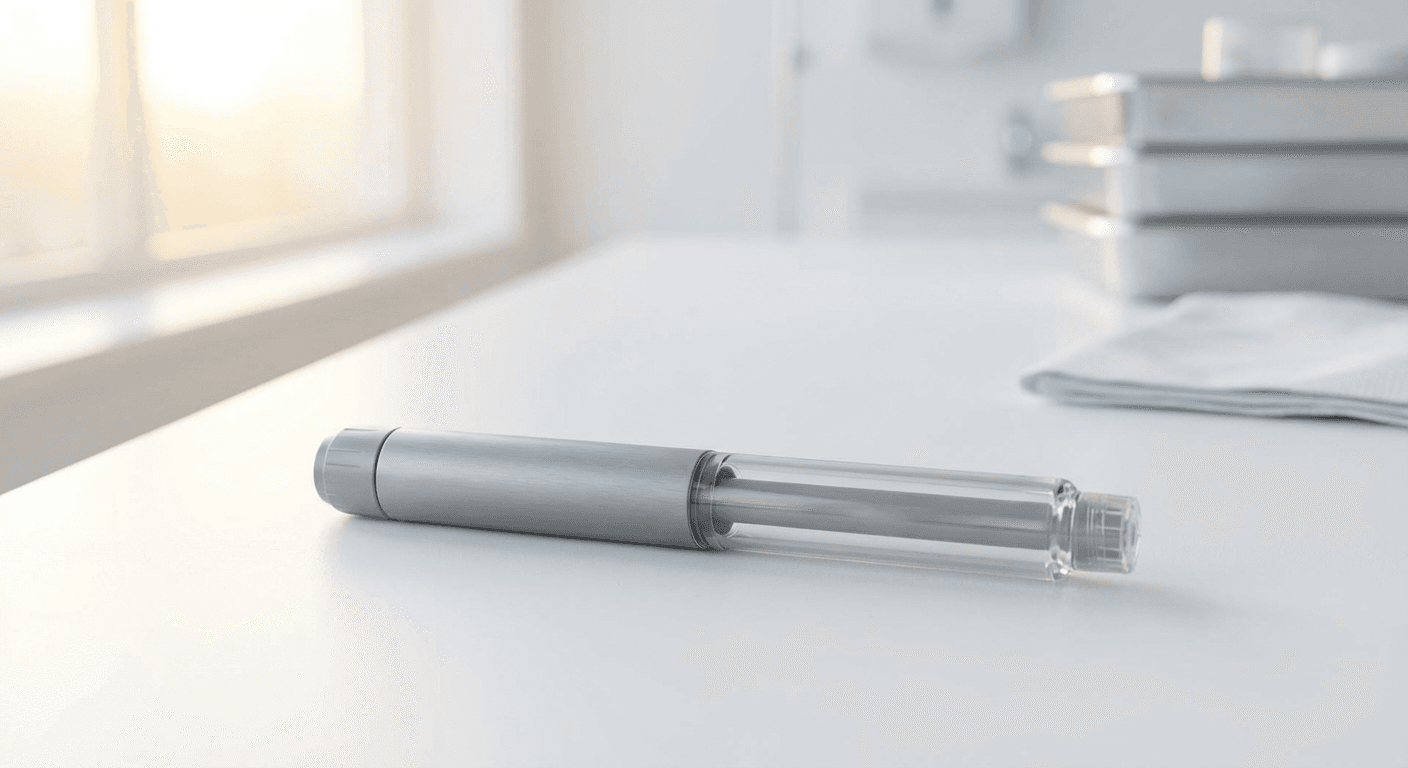
Tirzepatide is a once-weekly injectable peptide made by Eli Lilly. It targets two gut hormones instead of one, which is what separates it from the semaglutide drugs you've probably already heard about.
Like semaglutide, it comes under two brand names for two different FDA approvals. Mounjaro is the type 2 diabetes version. Zepbound is approved for chronic weight management and for moderate-to-severe obstructive sleep apnea in adults with obesity. Same drug, different label on the box. Both are subcutaneous injections you take once a week. Zepbound was the most prescribed weight management medication in 2025, and in February 2026 the FDA approved a multi-dose KwikPen that delivers a full month of treatment in one device.
The clinical results for tirzepatide weight loss have been striking, even compared to semaglutide. In the SURMOUNT-1 trial, participants lost an average of 15.0% (5mg), 19.5% (10mg), and 20.9% (15mg) of their body weight over 72 weeks. At the highest dose, that's roughly 50+ pounds for someone starting at 230.
How Does Tirzepatide Work?
Here's the key difference. Semaglutide activates one receptor: GLP-1. Tirzepatide activates two: GLP-1 and GIP.
GLP-1 (glucagon-like peptide-1) suppresses appetite, slows stomach emptying, and improves insulin secretion after meals. You already know this from the Ozempic conversation.
GIP (glucose-dependent insulinotropic polypeptide) is the less-talked-about hormone. It also enhances insulin response, but it does something GLP-1 doesn't do well on its own: it appears to improve how your body handles fat. GIP receptors are found in adipose tissue, and early research suggests GIP signaling may help the body burn stored fat more efficiently.
Together, the dual mechanism hits hunger, blood sugar, and fat metabolism from multiple angles. Whether the GIP piece is the reason tirzepatide outperforms semaglutide in head-to-head trials, or whether it's something about the overall molecular design, researchers are still sorting out. But the clinical numbers are hard to argue with.
Tirzepatide vs Semaglutide
This is the question everyone asks. Both drugs work. Both produce significant weight loss and A1C improvements. But the data gives tirzepatide an edge on raw numbers — and now we have a direct head-to-head weight loss trial to prove it.
SURMOUNT-5, published in May 2025, compared tirzepatide against semaglutide head-to-head for weight loss. The results were clear: tirzepatide produced 20.2% body weight loss versus 13.7% for semaglutide. That's not a marginal difference.
The earlier SURPASS-2 trial had compared the two in people with type 2 diabetes, where all three tirzepatide dose levels beat semaglutide 1mg on both weight loss and blood sugar control. SURMOUNT-5 confirmed the gap holds for obesity treatment specifically.
A few other differences worth knowing about:
Semaglutide has been on the market longer, so there's more long-term safety data. It also has a cardiovascular risk reduction indication for Wegovy. Tirzepatide's cardiovascular outcomes trial (SURPASS-CVOT) is ongoing but hasn't reported final results yet. Zepbound does have an additional FDA approval that Wegovy lacks: moderate-to-severe obstructive sleep apnea in adults with obesity.
On tolerability, some patients who couldn't handle semaglutide's GI side effects report doing better on tirzepatide, and vice versa. There's no reliable way to predict which one your body will prefer. If one doesn't work, the other is worth discussing with a provider.
Cost is roughly comparable between the two at brand-name prices, though insurance coverage varies by plan and by which drug your insurer prefers.
What Does Tirzepatide Cost?
The cost picture has changed substantially heading into 2026. Here's where things stand.
Self-pay through LillyDirect starts at $299/month for the 2.5mg dose. This is Eli Lilly's direct-to-patient program, no insurance required. Higher doses cost more, but this is a real option for people paying out of pocket.
Medicare: Starting April 1, 2026, Medicare beneficiaries will pay no more than $50/month for Zepbound. This is a major shift — Medicare coverage for weight management drugs was essentially nonexistent until recently.
Medicaid: States can expand access to Zepbound through Medicaid programs. Coverage varies by state, so check with your state's Medicaid office or your provider.
Commercial insurance copays still range from $25 to several hundred dollars depending on formulary placement. Some plans cover Mounjaro for diabetes but won't cover Zepbound for weight loss. Others cover both. There's no consistency across insurers.
Compounded tirzepatide is effectively unavailable through legal channels. The FDA ended its enforcement discretion for tirzepatide compounding in March 2025 after the drug shortage resolved. If someone is still offering you compounded tirzepatide, ask hard questions about where it's coming from.
If cost is a barrier, LillyDirect and the new Medicare cap are the two biggest changes worth looking into. Ask your provider about which path fits your situation.
Common Side Effects
The side effect profile looks similar to semaglutide. Most issues are gastrointestinal and dose-dependent:
- Nausea (most common, reported by 12-33% depending on dose)
- Diarrhea
- Decreased appetite (this one's doing double duty as both a side effect and the point)
- Vomiting
- Constipation
- Abdominal pain
- Injection site reactions
For most people, nausea is worst during the first few weeks at each new dose level and fades as the body adjusts. This is why slow dose titration matters. Jumping straight to a high dose is a recipe for spending a week on the couch.
On the serious side, tirzepatide carries the same boxed warning as semaglutide about thyroid C-cell tumors observed in rodent studies. This hasn't been confirmed in humans, but people with a personal or family history of medullary thyroid carcinoma or MEN2 syndrome should not use it. Pancreatitis is another rare but known risk. Gallbladder problems have been reported at higher rates in clinical trials compared to placebo.
How to Get Tirzepatide Safely
Start with a licensed provider who will actually evaluate your medical history before writing a prescription. A proper workup includes baseline bloodwork: metabolic panel, A1C, thyroid function, lipid panel. Your provider should also ask about your history with gallbladder disease, pancreatitis, and eating disorders.
Dose titration follows a specific schedule. Tirzepatide starts at 2.5mg weekly for four weeks, then moves to 5mg. From there, increases happen in 2.5mg increments (7.5mg, 10mg, 12.5mg, 15mg) at minimum four-week intervals based on tolerability and response. Skipping steps or accelerating the schedule leads to worse side effects with no faster results.
Stay away from unverified online sellers, "research grade" peptides, or anything that arrives without proper pharmaceutical labeling. The demand for these drugs has created a thriving gray market, and contaminated or mislabeled product is a genuine safety concern.
Tirzepatide FAQs
Is tirzepatide better than semaglutide for weight loss?
Yes, based on the data we have now. The SURMOUNT-5 trial (published May 2025) compared the two head-to-head for weight loss: tirzepatide produced 20.2% body weight loss versus 13.7% for semaglutide. Earlier trials showed similar gaps. That said, averages don't tell the whole story. Some people respond better to one drug than the other. If you're choosing between them, talk to a provider about which fits your medical profile and insurance situation.
Can you get tirzepatide without insurance?
Yes. Self-pay through LillyDirect starts at $299/month for the 2.5mg dose, which is far more accessible than the list price. Medicare beneficiaries will pay no more than $50/month starting April 1, 2026. Compounded tirzepatide is no longer legally available — the FDA ended compounding discretion in March 2025. A provider or clinic that specializes in weight management can walk you through the most current options for your situation.
How fast do you lose weight on tirzepatide?
In the SURMOUNT-1 trial, most of the weight loss happened during the first 40 weeks, with the curve flattening after that. You'll spend the first month at the lowest dose (2.5mg), which is really a tolerability dose, not a weight-loss dose. Meaningful results usually start showing up once you hit 5mg or higher. Most people notice real changes within 8 to 12 weeks of starting. The full effect builds over 9 to 12 months as the dose increases.
What is the difference between Mounjaro and Zepbound?
Same exact molecule. Mounjaro is tirzepatide approved for type 2 diabetes. Zepbound is tirzepatide approved for chronic weight management in adults with a BMI of 30 or higher (or 27+ with at least one weight-related condition), and also for moderate-to-severe obstructive sleep apnea in adults with obesity. The dosing is identical. The difference is the FDA indication on the label, which affects what insurance will cover and what your provider prescribes it for.
Does tirzepatide need to be refrigerated?
Unopened pens should be stored in the refrigerator at 36°F to 46°F (2°C to 8°C). Once you start using a pen, you can keep it at room temperature (up to 86°F / 30°C) for up to 21 days. Don't freeze it, and don't use it if it's been frozen. Keep it out of direct sunlight. If you're traveling, a small insulated pouch with a cool pack works fine for keeping it in range.
Contributing to evidence-based peptide education and provider transparency.
Too many clinics, not enough clarity?
We don't sell peptides. Tell us your goals and we'll connect you with a vetted provider who can figure out what actually makes sense for you.
See what's right for youRelated articles
A Step-by-Step Gelatin Recipe for Weight Loss
Seen the viral "pink trick"? We break down the simple gelatin recipe for weight loss. Learn our step-by-step method to help manage hunger and feel full.
GLP-1 Weight LossOzempic Cost in 2026: What You'll Actually Pay
The 2026 Ozempic cost can be anywhere from $25 to over $1,400 a month. Discover why and learn how to find savings with or without insurance coverage.
GLP-1 Weight LossHow Zep Weight Loss Works and What to Expect
Thinking about zep weight loss? We cover how this drug works, what realistic results look like, common side effects, and how it compares to Ozempic.