A Step-by-Step Gelatin Recipe for Weight Loss
Seen the viral "pink trick"? We break down the simple gelatin recipe for weight loss. Learn our step-by-step method to help manage hunger and feel full.
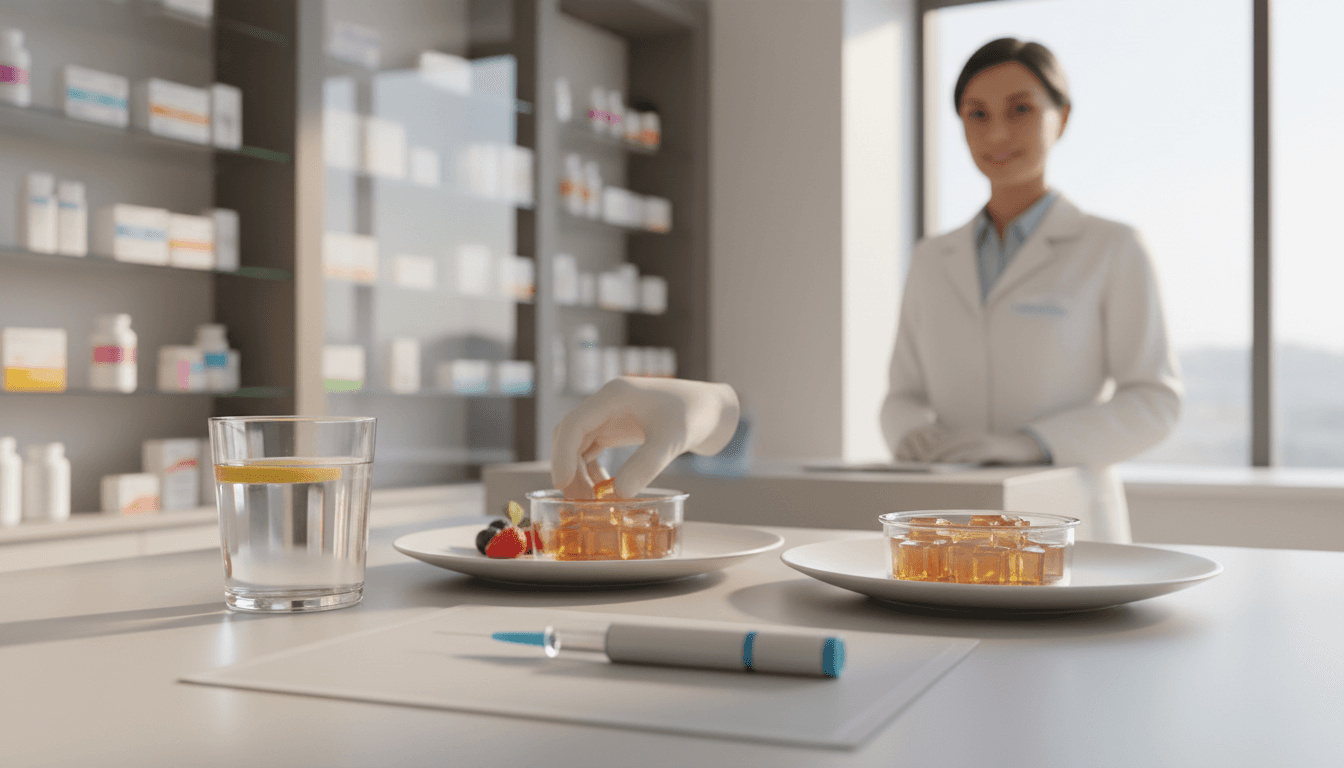
This content is for informational purposes only and does not constitute medical advice.
You’ve likely seen it on social media in 2026, a simple "pink gelatin trick" that promises to help with weight management. This guide breaks down the science and provides a practical, step-by-step method for the viral gelatin recipe for weight loss. Unlike crash diets, this strategy focuses on managing hunger and promoting satiety. It involves consuming a simple, low-calorie gelatin mixture before meals to help you feel fuller, naturally reducing your overall calorie intake. This article will explain exactly what you need, how to make it, and the science behind why it works.
According to a report from Thirsty Bear published in April 2026, this simple habit can help reduce daily calorie intake by 150 to 250 calories. It is not a magic solution, but a tool to support healthier eating habits and better portion control, a sentiment echoed across online communities.
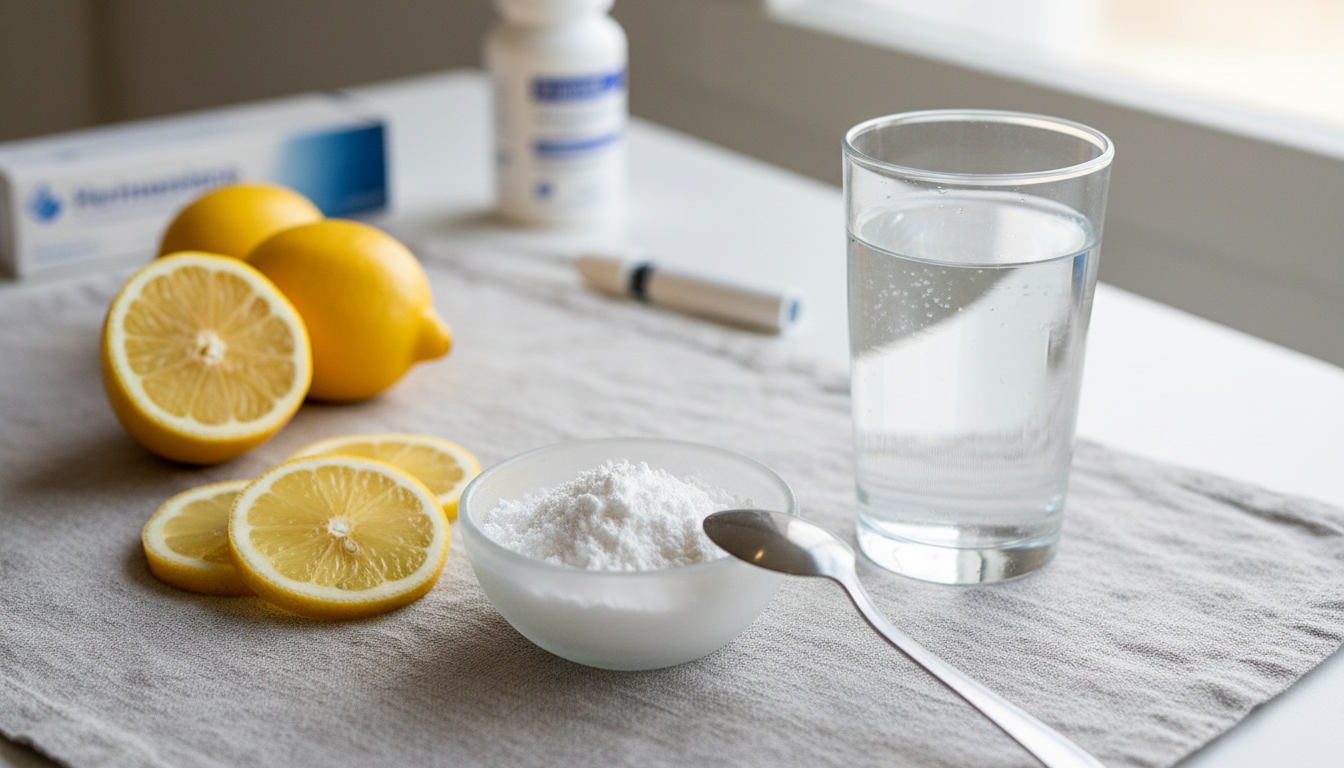
What You'll Need
The beauty of the gelatin recipe for weight loss is its simplicity and affordability. You only need three core ingredients, and the total cost is often under $10 (LoseFastEats, January 2026).
- Unflavored Gelatin Powder: This is the star of the recipe. Look for unflavored, unsweetened gelatin, preferably from grass-fed sources. A single tablespoon contains about 6-7 grams of pure protein for around 25 calories (Eat Treats Recipes, 2026). Gelatin is derived from collagen and is what gives the mixture its unique texture that promotes fullness. Some people also add collagen peptides for an extra protein boost.
- Liquid: You will need both cold and hot water. Cold water is used to "bloom" the gelatin, a crucial step for a smooth texture. Hot water is then used to fully dissolve it. You can use filtered water, or for added benefits, electrolyte-infused water to support hydration (MealLightly, 2026).
- Natural Flavoring: Since you're using unflavored gelatin, you need to add something for taste. Popular options include a squeeze of fresh lemon juice, a splash of apple cider vinegar, or a small amount of unsweetened fruit juice. For a sweeter taste without sugar, you can use a stevia-based drink mix or a few drops of monk fruit sweetener. Avoid sugar and mixes with maltodextrin, which can impact your blood sugar (Fast Flavor Bites, 2026).
Not sure if this approach fits your specific health goals or if another strategy might be better? Take our free 3-minute quiz to get matched with a provider who can guide you.
Before You Start: How It Actually Works
Before you start mixing, it’s important to understand the mechanisms behind this method. The gelatin recipe is not a "fat burner" or a metabolic accelerator. Its effectiveness comes from three main principles supported by nutritional science.
First, it promotes satiety through protein content. Gelatin is nearly 90% protein by weight (TDEEcal). A single serving provides 5 to 10 grams of protein for only 20 to 40 calories (Thirsty Bear, April 2026). Protein is well-known for its ability to make you feel full. A 2016 study published in the journal Appetite confirmed that high-protein snacks increase satiety more than high-fat snacks. While gelatin isn't necessarily superior to other proteins like whey or casein, it offers a low-calorie way to activate those fullness signals right before a meal. Our bodies need protein to build and repair tissues, including muscle. For a deeper dive into this, check out our guide on how protein and muscle growth actually work.
Second, it works through texture and volume. When you consume gelatin, it absorbs liquid and expands in your stomach, forming a soft gel matrix (Eat Treats Recipes, 2026). This physical volume takes up space, contributing to a feeling of fullness and slowing down digestion. This process, known as delayed gastric emptying, keeps you feeling satisfied for longer, which can help prevent overeating during your meal (EatLikeFit). This is why timing is key; consuming it 15 to 30 minutes before a meal gives it time to start working.
Finally, it introduces a "behavioral pause." The ritual of preparing and consuming the gelatin mixture before a meal forces you to slow down and be more mindful about eating. This simple act can help break patterns of mindless snacking or rushing through meals, which is a powerful tool for long-term weight management.
A Simple Gelatin Recipe for Weight Loss: Step-by-Step Instructions
Ready to try it? This recipe is simple and takes less than 10 minutes to prepare. This version makes small, chilled "gummies," but you can also consume the mixture warm as a drink.
Step 1: Gather and Measure Your Ingredients
First, get your three components ready. Precision isn't critical, but starting with a standard ratio will help you find what you like.
- Unflavored Gelatin: 1 to 2 tablespoons. One tablespoon provides around 6-7 grams of protein, so you can adjust based on your goals. Using a quality grass-fed beef gelatin is a popular choice.
- Cold Water: 1/4 cup. This is strictly for blooming the gelatin. It must be cold to prevent clumping.
- Hot Liquid: 1 cup. This can be hot water or a brewed herbal tea for extra flavor. Do not use boiling water, as it can sometimes affect the gelatin's setting ability. Just hot to the touch is perfect.
- Flavoring: 1-2 tablespoons of lemon juice, or 1 teaspoon of a sugar-free drink mix. Adjust to your taste preference.
Tip: Lay everything out on the counter before you start. This "mise en place" technique ensures you don't miss a step and makes the process smooth and quick. Active prep time is only about two minutes (LoseFastEats, February 2026).
Step 2: 'Bloom' the Gelatin
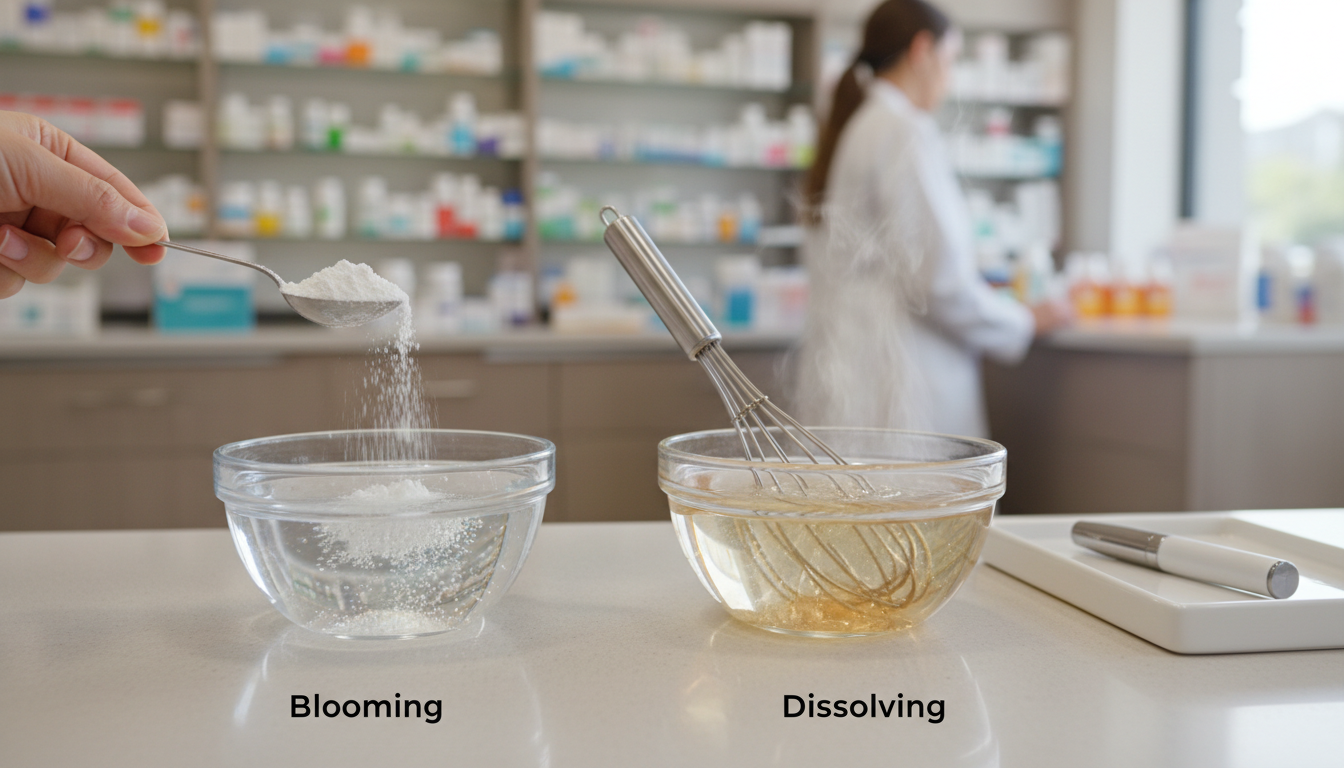
This is the most important step for achieving a smooth, pleasant texture. Skipping it can result in a gritty, clumpy final product. "Blooming" means hydrating and softening the gelatin granules before dissolving them.
- Pour the 1/4 cup of cold water into a small bowl or measuring cup.
- Sprinkle the 1 to 2 tablespoons of unflavored gelatin powder evenly over the surface of the water. Do not dump it in one pile.
- Let it sit undisturbed for 3 to 5 minutes. You will see the powder absorb the water and become a thick, translucent, gel-like substance. This is exactly what you want.
Tip: A guide from Fast Flavor Bites (2026) emphasizes this blooming technique as essential for a great texture. If you see dry powder after 5 minutes, you may need to add a tiny bit more cold water. The goal is to have all the powder fully hydrated.
Step 3: Dissolve the Bloomed Gelatin
Once your gelatin has bloomed, it's ready to be dissolved. This step turns the semi-solid gel into a liquid that you can mix with flavorings.
- Heat your main liquid (1 cup of water or herbal tea) until it's very warm but not boiling. A microwave or a small pot on the stove works well.
- Add the bloomed gelatin mixture to the hot liquid.
- Whisk or stir continuously for about 60 seconds, or until the gelatin is completely dissolved. The liquid should be clear, with no visible granules or strings of gelatin remaining.
Tip: If you have trouble getting it to dissolve completely, you can gently heat the entire mixture over low heat on the stove, stirring constantly. Be careful not to let it boil.
Step 4: Add Flavor and Mix Thoroughly
Now that you have your base liquid, it’s time to make it taste good. This is where you can customize the recipe to your liking.
- Remove the mixture from the heat if you used the stovetop.
- Stir in your chosen flavoring. Add 1-2 tablespoons of lemon juice, a splash of apple cider vinegar, or your preferred amount of stevia or monk fruit sweetener. If using a powdered drink mix, add it now and whisk well to ensure it's fully incorporated.
- Taste the mixture. If it's not to your liking, adjust the flavoring now. Remember, the taste may be slightly less intense once chilled.
Tip: Using herbal teas like hibiscus or berry as your hot liquid can add flavor without any extra calories or sweeteners. This creates a more complex and enjoyable taste.
Step 5: Chill to Set (or Drink Warm)
You have two options for consumption. You can drink the mixture warm, or you can chill it to create gelatin cubes or gummies.
- To Drink Warm: Simply pour the mixture into a mug and drink it 15-20 minutes before your meal. This method is fast and efficient.
- To Chill: Pour the liquid into a small glass container, a silicone mold, or an ice cube tray. Place it in the refrigerator for at least 2-3 hours, or until completely firm. The resulting gelatin cubes can be eaten as a quick, pre-meal snack.
Tip: Chilling the mixture can enhance the feeling of fullness for some people due to the solid texture. According to research from the National Institutes of Health cited by LoseFastEats, the glycine in gelatin can support glucose regulation, an important part of metabolic health and weight management.
Common Mistakes to Avoid
While the gelatin recipe is simple, a few common errors can make it less effective or unpleasant. Here’s what to watch out for.
- Using the Wrong Gelatin: Grabbing a box of sugary, flavored Jell-O from the store will defeat the purpose. These products are loaded with sugar, artificial colors, and artificial flavors, adding unnecessary calories and working against your health goals. Always use unflavored, unsweetened gelatin.
- Skipping the Blooming Step: As mentioned, dumping gelatin powder directly into hot water causes it to clump. These clumps will not dissolve properly, resulting in a gritty texture that is difficult to consume. Taking 3-5 minutes to bloom it in cold water is non-negotiable for a good result.
- Treating it as a Meal Replacement: A serving of this gelatin recipe contains only 25-40 calories and is an incomplete protein, meaning it lacks all the essential amino acids your body needs (TDEEcal). It is a tool for appetite control, not a source of balanced nutrition. You must still eat balanced meals.
- Adding High-Calorie Mix-Ins: Mixing your gelatin with large amounts of fruit juice, honey, or sugar will turn this low-calorie tool into a high-calorie snack, negating its purpose. Stick to zero-calorie or very low-calorie flavorings like lemon juice or approved sweeteners.
- Inconsistent Timing: The strategy works best when consumed 15 to 30 minutes before a meal. Eating it right as you start your meal or several hours before won't provide the same appetite-suppressing effect. Consistency is key to forming the habit and seeing results.
Deciding on the right weight management strategy can be confusing. There are many options, from dietary tools like this one to prescription medications like GLP-1 agonists. If you want to compare your options, our free quiz can match you with a provider who can offer guidance based on your profile.
When to Contact Your Doctor
This gelatin recipe is generally safe for most healthy individuals, but it's wise to consult a healthcare provider before making any significant changes to your diet. This is especially important in certain situations.
If you have a history of digestive issues, such as IBS or food sensitivities, discuss using gelatin first. While some research suggests glycine from gelatin can support intestinal health, a sudden increase could also cause bloating or discomfort for some (Scientific Reports, 2016).
Additionally, if you are pregnant, breastfeeding, or have any pre-existing medical conditions like kidney or liver disease, speaking with your doctor is essential. They can help you understand if this dietary tool is appropriate for you.
Finally, if you are currently taking any medications, including weight loss drugs like semaglutide or tirzepatide, you should discuss adding this to your routine. While gelatin is a food product, your doctor can ensure it aligns with your overall treatment plan and won't interfere with your progress.
FAQs
Is the gelatin recipe for weight loss better than a protein shake?
It serves a different purpose. A protein shake is typically used for muscle repair and to meet daily protein macros, often containing 20-30 grams of complete protein and over 100 calories. The gelatin recipe is a low-calorie, pre-meal tool specifically for satiety. They can be used together in a healthy diet. You can learn more about protein supplements for muscle growth here.
How long does it take for the gelatin trick to work?
You should feel the immediate effect of increased fullness at your very next meal. For long-term results like reduced snacking and better portion control, consistent use for 2-3 weeks is often needed to establish the habit and see a measurable impact on your eating patterns (LoseFastEats, January 2026).
Can this recipe cause weight gain?
It is highly unlikely. A serving is only 20-40 calories. Weight gain would only occur if you add high-calorie ingredients like sugar or large amounts of juice, or if you use it to justify eating larger meals, which defeats the purpose.
How do you use GHK-Cu for hair growth alongside dietary changes?
While the gelatin recipe supports overall health, specific concerns like thinning hair may benefit from targeted treatments. Many people explore peptide therapies for this. To how to use GHK-Cu for hair growth, people typically use it as a topical serum applied directly to the scalp or through subcutaneous injections. This peptide works by stimulating collagen production and improving blood flow to hair follicles. It's a completely different mechanism from the gelatin recipe, but both can be part of a broader approach to wellness. Always discuss peptide use with a qualified provider; you can find more detail in our guide to using GHK-Cu peptide.
Can I use this if I'm on a GLP-1 medication like Ozempic?
You should discuss this with your doctor. GLP-1 medications already work by slowing digestion and promoting satiety. Adding gelatin could potentially amplify these effects, which might be helpful or could lead to discomfort. Your provider can offer the best guidance. For context, these medications lead to an average weight loss of 10 to 17 pounds over several months, so their effect is much more pronounced than this dietary trick (Telehealth Ally).
Ready to take the next step in your health and weight management? Take our free 3-minute quiz to get matched with a licensed provider who can help create a plan that works for you.
Contributing to evidence-based peptide education and provider transparency.
Too many clinics, not enough clarity?
We don't sell peptides. Tell us your goals and we'll connect you with a vetted provider who can figure out what actually makes sense for you.
See what's right for youRelated articles
Ozempic Cost in 2026: What You'll Actually Pay
The 2026 Ozempic cost can be anywhere from $25 to over $1,400 a month. Discover why and learn how to find savings with or without insurance coverage.
GLP-1 Weight LossHow Zep Weight Loss Works and What to Expect
Thinking about zep weight loss? We cover how this drug works, what realistic results look like, common side effects, and how it compares to Ozempic.
GLP-1 Weight LossWhich GLP 1 Is The Best For Weight Loss? We Ranked Them
Trying to figure out which GLP 1 is the best for weight loss? We compare Ozempic, Mounjaro, and newer drugs by total weight loss, side effects & cost.