How Zep Weight Loss Works and What to Expect
Thinking about zep weight loss? We cover how this drug works, what realistic results look like, common side effects, and how it compares to Ozempic.
This content is for informational purposes only and does not constitute medical advice. Always consult with a qualified healthcare provider before making any decisions about your health or treatment.
Achieving and maintaining significant weight loss is a challenge many people face. While diet and exercise are fundamental, they aren't always enough to overcome the complex biological factors that regulate body weight. In recent years, a new class of medications has offered powerful support. One of the most talked-about is Zepbound. This guide offers a complete look at Zep weight loss, explaining how this medication works, what the 2026 data shows, and what you need to know before talking to a provider.
What is Zepbound?
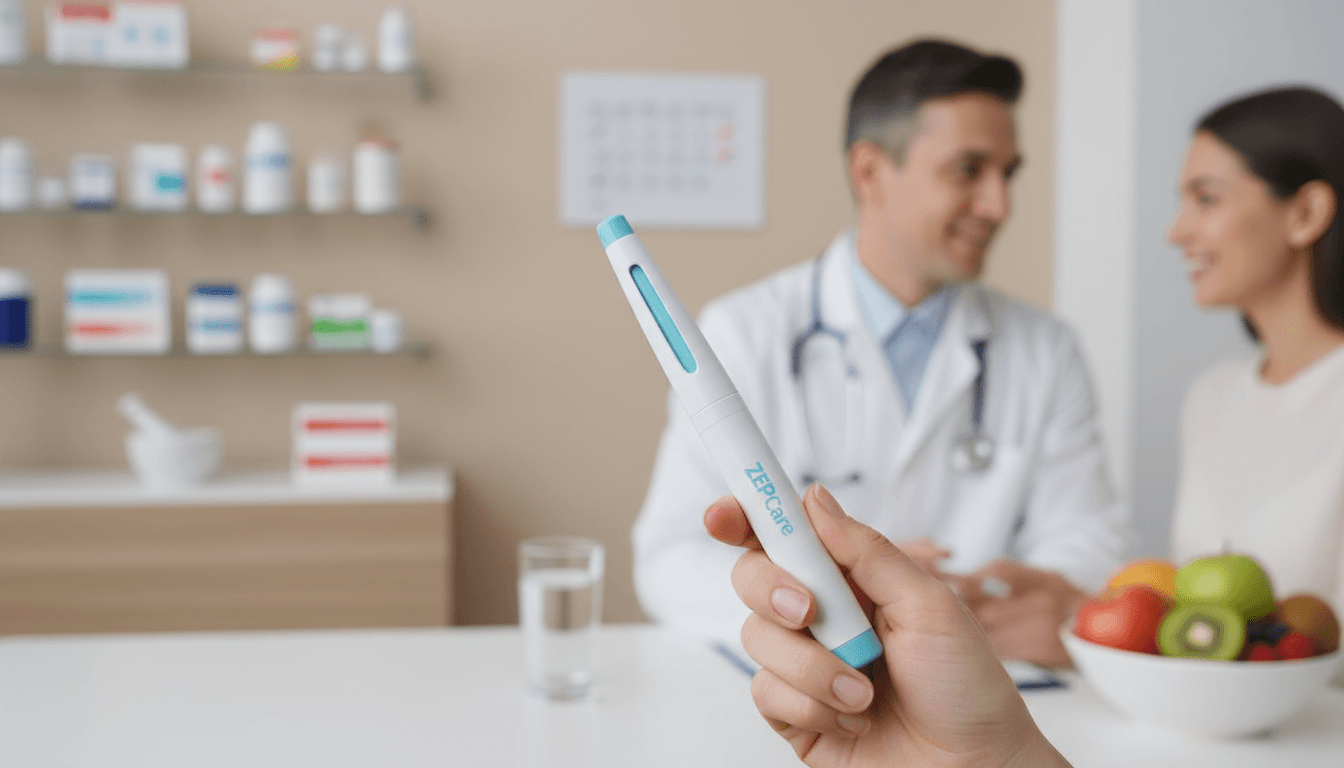
Zepbound is the brand name for tirzepatide, an FDA-approved injectable medication for chronic weight management. It helps adults with obesity, or those who are overweight and have a weight-related health condition, lose weight and keep it off. Zepbound works by mimicking two key gut hormones, GIP and GLP-1, to reduce appetite and improve how the body handles sugar.
Unlike some weight loss drugs of the past, Zepbound is not a stimulant or a short-term diet pill. It is intended for long-term use as part of a comprehensive weight management plan that includes a reduced-calorie diet and increased physical activity. The active ingredient, tirzepatide, is the same one found in the medication Mounjaro, which is approved for treating type 2 diabetes. The key difference is their branding and indicated use. You can learn more about the differences between Mounjaro and Zepbound here.
Zepbound belongs to a class of medications that act on incretin hormone pathways, which are a major focus in modern metabolic health. While it's often grouped with GLP-1 medications, its dual-action formula sets it apart, making it one of the most effective options currently available.
How Does Zepbound Weight Loss Work?
The impressive Zepbound weight loss results come from its unique dual-action mechanism. The drug is a GIP and GLP-1 receptor agonist. This means it activates the cellular receptors for two different hormones that your gut naturally releases after a meal.
Let's break down what these two hormones do:
- GLP-1 (Glucagon-Like Peptide-1): This hormone plays a few important roles. It signals your pancreas to release insulin when your blood sugar is high, helping to manage glucose levels. It also works on your brain to reduce hunger and on your stomach to slow down the speed at which food empties. This delayed gastric emptying is why many people on GLP-1 medications feel full faster and stay full for much longer.
- GIP (Glucose-Dependent Insulinotropic Polypeptide): This hormone also helps with insulin release after you eat. Research suggests it may also contribute to how your body regulates fat storage and works with GLP-1 to enhance appetite suppression in the brain.
By activating both of these pathways, Zepbound creates a powerful, combined effect on your appetite and metabolism. Think of it as sending multiple signals to your body's weight-control center. The medication tells your brain you're not hungry, tells your stomach you're full, and helps your body process the food you do eat more efficiently. This leads to a natural reduction in calorie intake because you simply feel less desire to eat, helping you stick to a lower-calorie diet without the constant battle against hunger.
Curious if this dual-action approach is right for your goals? Take our free quiz to get matched with a licensed provider who can create a plan for you.
The Benefits of Zepbound
The primary benefit of Zepbound is substantial and sustained weight loss, but its positive effects extend to other areas of health. The results are supported by extensive clinical data.
Impressive Weight Loss Results
The clinical trials for Zepbound, known as the SURMOUNT program, have shown remarkable outcomes. In the key SURMOUNT-1 trial, adults without diabetes taking the highest dose (15 mg) of Zepbound achieved an average body weight reduction of 20.9% after 72 weeks (Zepbound.lilly.com). For a person weighing 230 pounds, that translates to a loss of about 48 pounds. In the same study, the group taking a placebo only lost 3.1%.
The data also shows that a huge majority of people respond to the treatment. An incredible 91% of individuals on the 15 mg dose lost at least 5% of their body weight, a threshold considered clinically significant for improving health. Even more impressively, more than half of them (56.7%) lost 20% or more of their starting weight.
Superiority Over Other Medications
One of the biggest questions in weight management is how the newest drugs stack up against each other. In a head-to-head study called SURMOUNT-5, Zepbound was directly compared to Wegovy (semaglutide), another popular weight loss injection.
The results were clear. After 72 weeks, participants on Zepbound lost an average of 20.2% of their body weight, while those on Wegovy lost 13.7% (The Educated Patient). This represents a nearly 47% greater relative weight loss with Zepbound (Pharmacy Times). The study also highlighted that almost half of the Zepbound group lost over 20% of their body weight, compared to just over a quarter of the Wegovy group. If you're weighing your options, our guide on semaglutide vs. tirzepatide provides a deeper comparison.

Improvement in Weight-Related Health Conditions
Losing a significant amount of weight has a ripple effect on overall health, and Zepbound's benefits reflect this. In 2024, the FDA granted Zepbound an additional approval to treat moderate to severe obstructive sleep apnea (OSA) in adults with obesity (Solvhealth). This was a major development, as it was the first medication approved for this obesity-related condition.
Beyond OSA, the weight loss achieved with Zepbound often leads to improvements in other comorbidities, including:
- High blood pressure
- Elevated cholesterol levels
- Poor blood sugar control (pre-diabetes)
Even in patients who already have type 2 diabetes, Zepbound has proven effective for weight loss. The SURMOUNT-2 trial, which studied this population, showed an average weight loss of 15.7% on the highest dose (Telehealth Ally).
Long-Term Weight Management
Zepbound is designed as a tool for long-term chronic weight management, not a quick fix. Follow-up data indicates that the weight loss results can be sustained for up to three years, provided the individual continues taking the medication (BodySpec).
However, it's crucial to understand that stopping the medication often leads to weight regain. The SURMOUNT-4 study found that participants who stopped taking tirzepatide regained about two-thirds of their lost weight within one year (Telehealth Ally). This reinforces the idea that obesity is a chronic condition that may require ongoing treatment, much like high blood pressure or diabetes. For more information, you can read about the long-term effects of weight loss drugs.
Zepbound Risks and Side Effects
While Zepbound offers significant benefits, it's important to be aware of the potential risks and side effects. For most people, side effects are manageable, but there are serious risks to discuss with a healthcare provider.
Common Side Effects
The most frequently reported side effects of Zepbound are gastrointestinal. These are a direct result of the medication's action on the digestive system, particularly the slowing of gastric emptying. They include:
- Nausea
- Diarrhea
- Constipation
- Vomiting
- Indigestion or heartburn
- Stomach pain
These side effects are most common when first starting the medication or after a dose increase. They tend to be mild to moderate in severity and often decrease over time as your body adjusts (Solvhealth). You can learn more about what to expect in our general guide to GLP-1 side effects.
Serious Risks and Boxed Warning
Zepbound has a boxed warning, the FDA's most serious type, regarding the risk of thyroid C-cell tumors. This warning is based on studies in rats where tirzepatide caused an increase in these tumors. It is not known whether Zepbound causes similar tumors in humans (HIGHLIGHTS OF PRESCRIBING INFORMATION).
Because of this potential risk, Zepbound is contraindicated (should not be used) for individuals with:
- A personal or family history of medullary thyroid carcinoma (MTC).
- A condition called Multiple Endocrine Neoplasia syndrome type 2 (MEN 2).
Other serious but less common risks include pancreatitis (inflammation of the pancreas), gallbladder problems (like gallstones), acute kidney injury, and severe allergic reactions. It is essential to discuss your full medical history with your doctor before starting treatment.
Understanding the full picture of benefits and risks is key. To get guidance tailored to your health history, take our free 3-minute quiz and connect with a provider who can assess if Zepbound is a safe option for you.
How to Get Started with Zepbound
If you are considering Zepbound, the process begins with a consultation with a healthcare provider. They will determine if you are a suitable candidate for the treatment.
Who is Eligible?
Zepbound is a prescription-only medication. It is FDA-approved for adults who meet one of the following criteria:
- A Body Mass Index (BMI) of 30 or higher (classified as obesity).
- A BMI of 27 or higher (classified as overweight) plus at least one weight-related health condition, such as high blood pressure, type 2 diabetes, or high cholesterol.
You can find qualified providers through our clinics portal or by using our matching service.
Administration and Dosing
Zepbound is administered as a once-weekly subcutaneous (under the skin) injection. You can inject it yourself in your abdomen, thigh, or the back of your upper arm. In early 2026, the FDA approved the Zepbound KwikPen, a multi-dose device that contains a four-week supply, making administration more convenient than the original single-dose pens (Biotech Reality).
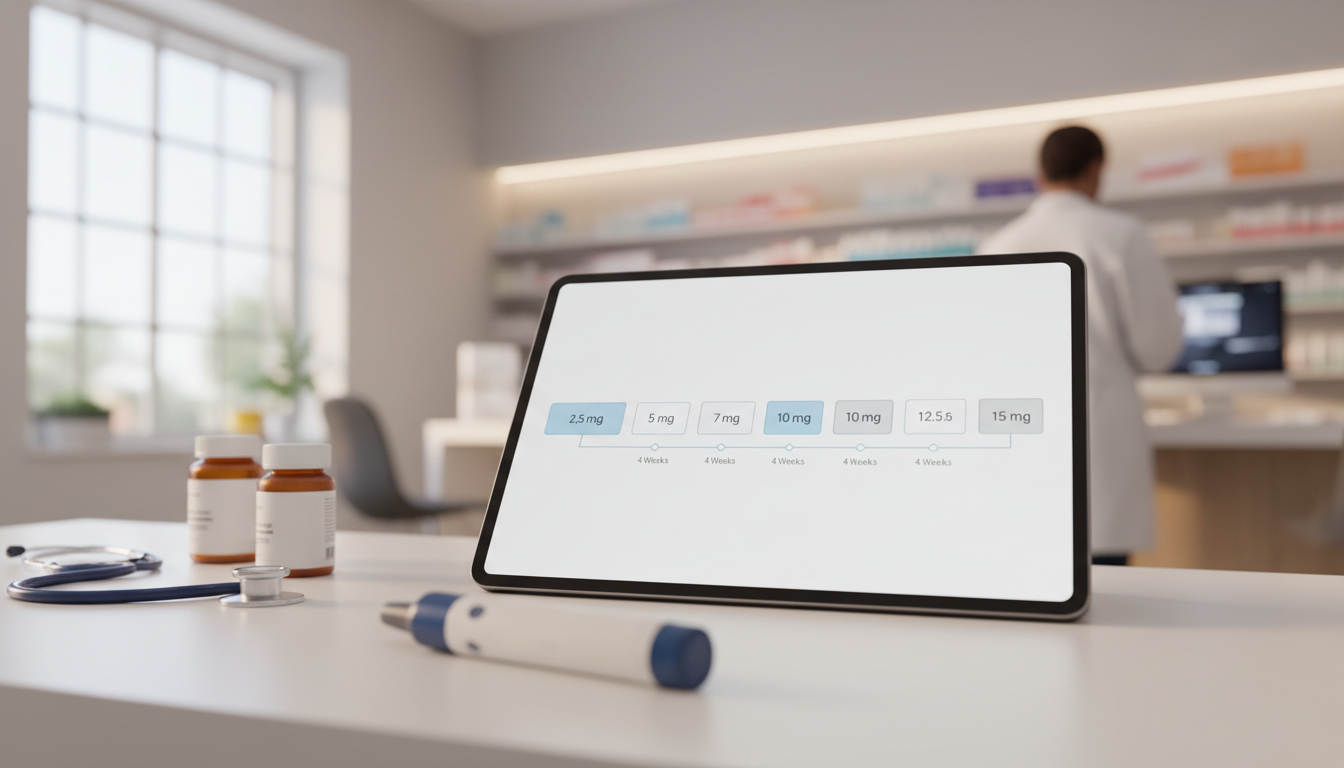
The dosing schedule is designed to minimize side effects by starting low and increasing gradually. The standard titration schedule is:
- Weeks 1-4: 2.5 mg once weekly
- Weeks 5-8: 5 mg once weekly
- After Week 8: The dose may be increased in 2.5 mg increments every four weeks, as needed and tolerated.
- Maintenance Doses: The target maintenance doses for weight management are 5 mg, 10 mg, or 15 mg once weekly. The maximum recommended dose is 15 mg per week.
Cost and Access
The cost of Zepbound can vary significantly. Manufacturer Eli Lilly offers the medication through its LillyDirect platform, with a self-pay price starting around $299 per month for the lowest dose (Biotech Reality). However, this price can increase with higher doses. Insurance coverage is inconsistent and depends on your specific plan. Check out our guide on the cost of tirzepatide for a more detailed breakdown. You can also use our GLP-1 cost calculator to estimate your expenses. For those facing high out-of-pocket costs, discussing options like a reputable compounded tirzepatide pharmacy with a provider may be an alternative.
Zepbound's Legal Status and FDA Approval
Tirzepatide has a clear and recent history of regulatory approvals that have made it a leading treatment in metabolic health.
The journey began in May 2022, when the FDA first approved tirzepatide under the brand name Mounjaro for the treatment of type 2 diabetes. The remarkable weight loss seen in those trials paved the way for its second act.
On November 8, 2023, the FDA officially approved the same molecule under the new brand name, Zepbound, specifically for chronic weight management in adults without diabetes (BodySpec). This landmark approval gave millions of Americans access to a powerful new tool.
The approvals didn't stop there. In 2024, Zepbound's label was expanded to include the treatment of moderate to severe obstructive sleep apnea (OSA) in adults with obesity, marking a significant step in treating obesity-related conditions directly (Solvhealth). By 2025, Zepbound had become the number-one prescribed injectable medication for obesity management. The latest development came in early 2026 with the approval of the multi-dose KwikPen, further improving convenience for patients (Biotech Reality).
FAQs about Zepbound Weight Loss
How much weight can you really lose with Zepbound?
Clinical trials show that people taking the highest 15 mg dose of Zepbound lose an average of around 21% of their starting body weight after 72 weeks. For a 230-pound person, this is about a 48-pound loss.
How long does it take to see Zepbound weight loss results?
While some people notice changes within the first four weeks, the most significant weight loss typically happens between the third and sixth months. This is because the dose is gradually increased over time to reach an effective maintenance level.
Is Zepbound better than Wegovy for weight loss?
A direct comparison study (SURMOUNT-5) found that Zepbound led to more weight loss than Wegovy. On average, Zepbound users lost 20.2% of their body weight compared to 13.7% for Wegovy users over 72 weeks.
What happens if I stop taking Zepbound?
Zepbound is intended for long-term use. Clinical data shows that if you stop the medication, you are likely to regain a large portion of the weight you lost. One study found that patients regained about two-thirds of their lost weight within a year of stopping the drug.
Can I get Zepbound if I don't have diabetes?
Yes. Zepbound is specifically approved by the FDA for chronic weight management in adults with obesity (BMI of 30 or more) or who are overweight (BMI of 27 or more) and have a weight-related health issue. You do not need to have diabetes to be prescribed Zepbound.
Is tirzepatide a peptide?
Yes, tirzepatide is a synthetic peptide. It's a lab-engineered molecule designed to act like the natural GIP and GLP-1 hormones in your body, but with a longer-lasting effect. You can learn more about whether tirzepatide is a GLP-1 or peptide here.
Ready to see if Zepbound is the right option for your weight loss plan? Take our free 3-minute quiz to get matched with a licensed provider in your area who can guide you through the next steps.
Contributing to evidence-based peptide education and provider transparency.
Too many clinics, not enough clarity?
We don't sell peptides. Tell us your goals and we'll connect you with a vetted provider who can figure out what actually makes sense for you.
See what's right for youRelated articles
A Step-by-Step Gelatin Recipe for Weight Loss
Seen the viral "pink trick"? We break down the simple gelatin recipe for weight loss. Learn our step-by-step method to help manage hunger and feel full.
GLP-1 Weight LossOzempic Cost in 2026: What You'll Actually Pay
The 2026 Ozempic cost can be anywhere from $25 to over $1,400 a month. Discover why and learn how to find savings with or without insurance coverage.
GLP-1 Weight LossWhich GLP 1 Is The Best For Weight Loss? We Ranked Them
Trying to figure out which GLP 1 is the best for weight loss? We compare Ozempic, Mounjaro, and newer drugs by total weight loss, side effects & cost.