Ozempic Cost in 2026: What You'll Actually Pay
The 2026 Ozempic cost can be anywhere from $25 to over $1,400 a month. Discover why and learn how to find savings with or without insurance coverage.
This content is for informational purposes only and does not constitute medical advice. Always consult a licensed healthcare provider for diagnosis and treatment.
Ozempic has become one of the most talked-about medications for blood sugar control and, increasingly, for weight loss. But with its popularity comes a big question on everyone's mind: what is the actual ozempic cost? In 2026, the price you pay can swing wildly, from as little as $25 a month to over $1,400. The final number depends on your insurance plan, where you buy it, and whether you're open to alternative forms of its active ingredient, semaglutide. This guide breaks down the real numbers so you can understand what to expect.
Ozempic 2026 Price Summary at a Glance
Navigating the costs of GLP-1 medications can be confusing. Here’s a quick overview of what you can expect to pay per month for Ozempic and its popular alternatives in 2026.
| Medication Option | Type | Estimated Monthly Cost (2026) | Notes |
|---|---|---|---|
| Ozempic (Brand Name) | Injectable | $890 - $1,100+ | Cash price without insurance. |
| Ozempic (with Insurance) | Injectable | $25 - $150 | With commercial insurance, varies by plan. |
| Wegovy (Oral Pill) | Oral | $149 - $349 | FDA-approved for weight loss, cash-pay price. |
| Zepbound (Brand Name) | Injectable | $349+ | Cash price through programs like LillyDirect. |
| Compounded Semaglutide | Injectable | $149 - $499 | Cash price from online clinics or compounding pharmacies. |
Seeing all these options can feel overwhelming. If you want to find out which medication and provider best fit your health goals and budget, our quick quiz can help.
Not sure which treatment is right for you? Take our free 3-minute quiz to get matched with a provider.
What's the Ozempic Cost With Insurance?
For those with insurance, the ozempic cost can be much more manageable, but it’s rarely a simple, flat fee. The amount you pay is determined by your specific plan's formulary, your deductible, and whether your provider will approve the medication for your condition.
Most commercial insurance plans list Ozempic on their formulary, but almost exclusively for its FDA-approved use: treating type 2 diabetes. If you have a documented diagnosis of type 2 diabetes, your insurance is likely to cover a significant portion of the cost after you meet your deductible. In these cases, copays typically range from $25 to $150 per month (FormBlends, 2026). Some patients may find their costs even lower. Novo Nordisk, the manufacturer of Ozempic, offers a savings card for commercially insured patients that can bring the monthly copay down to as little as $25 for a one, two, or three-month supply.
However, things get more complicated if you’re seeking Ozempic for off-label weight loss. Many insurance plans will deny coverage for this use, considering it cosmetic or not medically necessary without a diabetes diagnosis. This often requires a "prior authorization" from your doctor, which is a formal request to the insurance company explaining why the medication is needed. Even with a prior authorization, approval is not guaranteed.
For those on government-funded plans like Medicare, coverage is also specific. Medicare Part D generally covers Ozempic for its approved use in treating type 2 diabetes. Copays can range from $25 to $150, but the manufacturer's savings card cannot be used with government insurance (UT Cardiothoracic Surgery, 2026). An exciting development for 2026 is a new Medicare Bridge program starting in July. This program will allow eligible Part D enrollees to get certain GLP-1 medications specifically for weight loss, like Wegovy and Zepbound, for an estimated copay of $35 to $50 per month (GLP-1 Watchdog, 2026). It's important to remember this new coverage is for specific weight loss drugs and does not automatically extend to Ozempic for off-label use.
To fully understand your insurance coverage for GLP-1s, you should contact your insurance provider directly and ask about their policy on semaglutide and your specific plan details.
What's the Ozempic Cost Without Insurance?
If you don't have insurance or your plan won't cover Ozempic for your needs, you'll be faced with the cash price. The ozempic cost without insurance is steep and can be a major barrier for many people.
In 2026, the list price for a one-month supply of Ozempic is around $998 to $1,028, depending on the source (GLP-1 Guidebook, 2026; GLP-1 Watchdog, 2026). The list price is the official price set by the manufacturer. However, the price you actually pay at the pharmacy counter can vary. Major pharmacy chains like CVS and Walmart often charge between $935 and $1,100 per month for a single pre-filled pen (FormBlends, 2026). Some reports indicate that Costco may offer one of the lowest retail cash prices, often falling between $890 and $950 (GLP-1 Watchdog, 2026). These prices are for the same medication, regardless of the dose.
Paying nearly $1,000 a month is not realistic for most people. Thankfully, the explosion in popularity of GLP-1 medications has led to several more affordable, FDA-approved alternatives becoming available for cash-pay patients.
- Oral Wegovy: This is a tablet version of semaglutide, the same active ingredient in Ozempic. Approved for weight loss, it launched with an introductory cash price starting around $149 per month for certain doses (UT Cardiothoracic Surgery, 2026). This makes it one of the most affordable brand-name options available. You can learn more about this medication in our guide to the oral Wegovy pill.
- Zepbound (Tirzepatide): This is another powerful GLP-1 medication from Eli Lilly. Through the LillyDirect program, cash-pay patients can access Zepbound for approximately $349 per month, a significant saving compared to Ozempic's cash price (GLP-1 Watchdog, 2026).
These alternatives provide a crucial pathway for individuals without insurance coverage to access effective weight loss treatments without paying the full brand-name price for Ozempic.
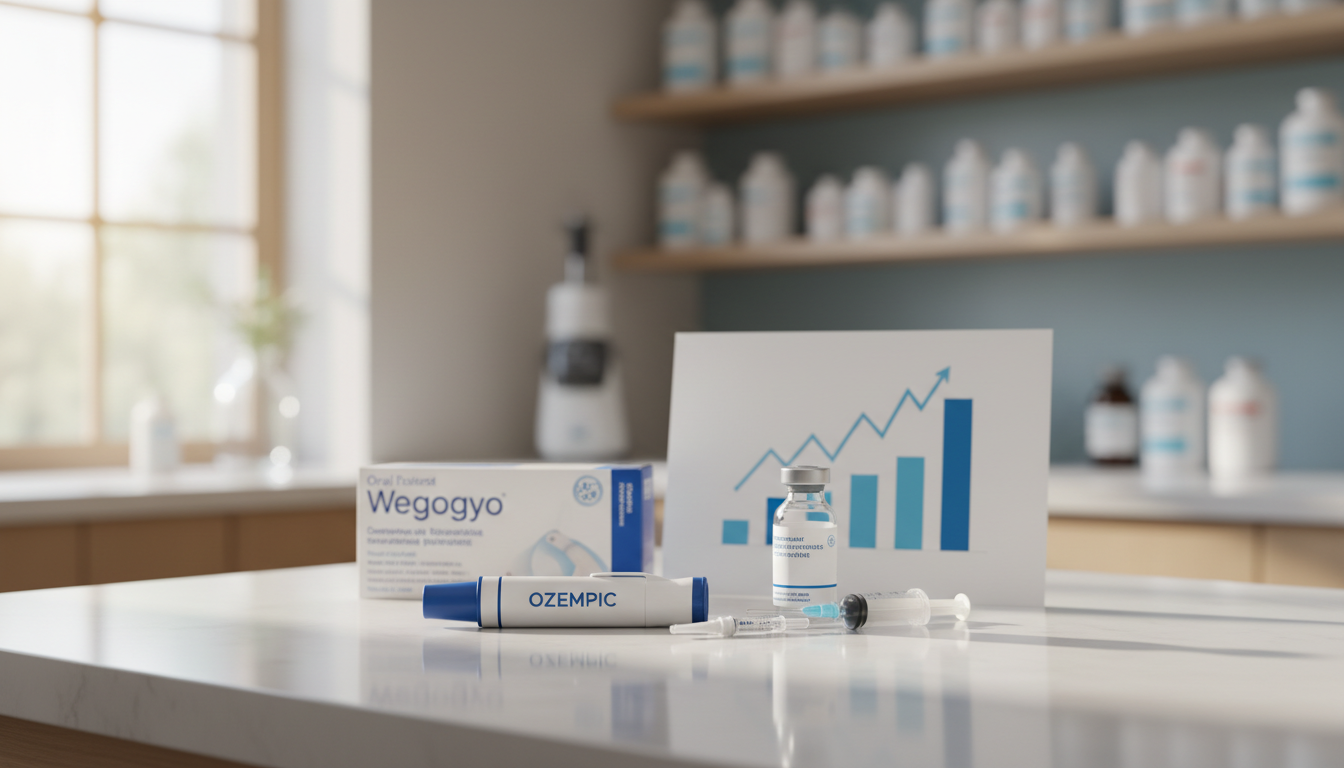
Online Clinic Prices for Semaglutide: Ozempic Cost vs. Alternatives
Beyond the traditional pharmacy, online telehealth clinics have become a primary source for accessing GLP-1 medications, especially for those paying out-of-pocket. These platforms often provide a more streamlined process that includes a doctor's consultation, prescription, and medication delivery, all bundled into one monthly price. This approach can offer significant savings and convenience compared to navigating the insurance and pharmacy system on your own.
The main reason online clinics can offer lower prices is by prescribing compounded medications. Compounded semaglutide is created by a licensed pharmacy that combines the active pharmaceutical ingredient (semaglutide) with other ingredients to create a custom medication. While not FDA-approved, it is a legal practice when a drug is on the FDA's official shortage list. As of mid-2026, the regulatory landscape for compounded semaglutide is shifting, as the FDA has announced the end of the drug shortage, which may impact its widespread availability in the future (GLP-1 Watchdog, 2026). It is crucial to use a reputable clinic that sources from a licensed U.S. pharmacy.
The peptide therapy cost from these clinics can be much lower than brand-name Ozempic. Monthly prices for compounded semaglutide typically range from $149 to $499 (GLP-1 Watchdog, 2026). This price often includes the virtual consultation with a provider, the medication itself, and necessary supplies like needles and alcohol swabs.
Here’s a comparison of what you might find at different types of online providers in 2026:
| Provider Type | Medication Offered | Estimated Monthly Cost | What's Included |
|---|---|---|---|
| Brand-Name Focused Clinic | Ozempic, Wegovy | $900 - $1,400+ | Consultation, prescription management, insurance assistance. |
| RxFox Partner Clinic A | Compounded Semaglutide | $199 - $399 | Consultation, medication, supplies, provider messaging. |
| RxFox Partner Clinic B | Compounded Tirzepatide | $350 - $550 | Consultation, medication, supplies, coaching support. |
| Budget Online Provider | Compounded Semaglutide | $149 - $299 | Basic consultation and medication only. |
When considering an online clinic, it's about more than just the price. Look at what's included in the program. Does it include ongoing support from a provider? Is there a community or coaching available? RxFox helps you connect with a variety of vetted online clinics to find a program that provides both value and high-quality care.
Want to see which options fit your budget and goals? Our free quiz takes 3 minutes and matches you with vetted providers.
How to Save Money on the Cost of Peptide Therapy and Ozempic
A monthly cost of nearly $1,000 is a tough pill to swallow. The good news is that several strategies can drastically reduce what you pay for Ozempic or similar peptide therapies.
-
Use Manufacturer Savings Cards: If you have commercial insurance, the first step is to check for a manufacturer's savings program. Novo Nordisk’s card can lower the Ozempic copay to as little as $25 per month for eligible patients. These programs are easy to apply for online but are not available to patients on government plans like Medicare or Medicaid (FormBlends, 2026).
-
Apply for a Patient Assistance Program (PAP): For uninsured patients who meet specific income requirements, manufacturer-run PAPs can be a lifeline. The NovoCare Patient Assistance Program may provide Ozempic for free to those who qualify (GLP-1 Watchdog, 2026). The application requires proof of income and a prescription from your doctor, but it can eliminate the medication cost entirely.
-
Choose Lower-Cost, FDA-Approved Alternatives: As mentioned, you don't have to stick with brand-name Ozempic. For weight loss, Oral Wegovy (starting at $149/month) and Zepbound (around $349/month via LillyDirect) are excellent, FDA-approved options that cost a fraction of Ozempic's cash price (GLP-1 Watchdog, 2026).
-
Explore Compounded Peptides Through Telehealth: The cost of peptide therapy is often lowest when accessed as a compounded medication through an online clinic. With prices for compounded semaglutide starting at $149 a month, this route saves patients hundreds of dollars monthly compared to the brand-name equivalent. Always ensure your provider uses a reputable, licensed compounding pharmacy.
-
Shop Around at Different Pharmacies: Never assume the first price you're quoted is the best one. Call different pharmacies or use online coupon services like GoodRx. Prices for the exact same prescription can vary by hundreds of dollars. Costco is often cited as having one of the lowest cash prices for brand-name GLP-1s (Untravel.info, 2026).
-
Talk to Your Doctor: Your healthcare provider is your best resource. They may have samples available, be aware of local savings programs, or be able to recommend a different but equally effective medication that has better insurance coverage or a lower cash price.
Is the High Ozempic Cost Worth It?
With monthly prices potentially exceeding the cost of a car payment, it’s fair to ask if Ozempic is truly worth the expense. The answer is a personal one that involves weighing the significant health benefits against the financial strain.
For individuals with type 2 diabetes, Ozempic can be a crucial tool for managing blood sugar and reducing the risk of major cardiovascular events like heart attack and stroke. In this context, the cost, especially when offset by insurance, can be a worthwhile investment in long-term health and quality of life.
For weight loss, the calculation is more complex. The results can be dramatic, with many patients losing a significant percentage of their body weight. This can lead to improved mobility, reduced joint pain, better metabolic health, and increased confidence. However, it's also important to consider potential Ozempic side effects, such as nausea and other gastrointestinal issues.
The key question in 2026 is not just whether Ozempic is worth it, but whether it is worth it compared to the alternatives. When you can access the same active ingredient in an oral pill (Wegovy) for around $149 or a similar injectable (compounded semaglutide) for under $300, paying over $900 for the brand name becomes harder to justify for many cash-paying individuals. The right choice depends on your budget, your comfort level with different medication types, and a conversation with a healthcare provider about the best path forward for your specific health goals.
Ready to explore your options and find a solution that works for you? It takes just a few minutes.
Take our free 3-minute quiz to get matched with a licensed provider who can help.
Frequently Asked Questions
How much does Ozempic cost per month in 2026?
Without insurance, the list price for Ozempic is around $998 to $1,028 per month in 2026. However, cash prices at pharmacies like Costco can be lower, around $890-$950. With good commercial insurance, patients may pay a copay as low as $25 per month.
Is there a cheaper alternative to Ozempic?
Yes, there are several cheaper alternatives. For cash-paying patients, FDA-approved options include Oral Wegovy (starts at $149/month) and Zepbound (starts at $349/month). Another popular, lower-cost option is compounded semaglutide from online clinics, which typically costs between $149 and $499 per month.
Will Medicare pay for Ozempic for weight loss in 2026?
No, Medicare Part D typically only covers Ozempic for its FDA-approved use, which is treating type 2 diabetes. However, starting in July 2026, a new Medicare program will cover Wegovy and Zepbound specifically for weight loss for eligible Part D enrollees, with expected copays around $35-$50 per month.
How much does peptide therapy cost in general?
The cost of peptide therapy varies widely based on the specific peptide, dosage, and provider. GLP-1 peptides like semaglutide can range from $150 to over $1,400 monthly. Other popular peptides for goals like tissue repair or anti-aging, such as BPC-157 or CJC-1295/Ipamorelin, can cost anywhere from $200 to over $600 per month.
Contributing to evidence-based peptide education and provider transparency.
Too many clinics, not enough clarity?
We don't sell peptides. Tell us your goals and we'll connect you with a vetted provider who can figure out what actually makes sense for you.
See what's right for youRelated articles
A Step-by-Step Gelatin Recipe for Weight Loss
Seen the viral "pink trick"? We break down the simple gelatin recipe for weight loss. Learn our step-by-step method to help manage hunger and feel full.
GLP-1 Weight LossHow Zep Weight Loss Works and What to Expect
Thinking about zep weight loss? We cover how this drug works, what realistic results look like, common side effects, and how it compares to Ozempic.
GLP-1 Weight LossWhich GLP 1 Is The Best For Weight Loss? We Ranked Them
Trying to figure out which GLP 1 is the best for weight loss? We compare Ozempic, Mounjaro, and newer drugs by total weight loss, side effects & cost.