What to Look for in a Vitamin D Supplement for Women
Think you might need a vitamin d supplement for women? Find out how much you should take, the pros and cons of D2 vs D3, and what to look for on the label.

This content is for informational purposes only and does not constitute medical advice. Always consult with a qualified healthcare professional before making any decisions about your health, diet, or lifestyle.
The Sunshine Hormone: An Introduction to Vitamin D for Women
Often called the "sunshine vitamin," Vitamin D is actually a prohormone, a substance your body converts into a hormone. This single nutrient plays a huge role in your overall health, influencing everything from your bones to your mood. For women, maintaining optimal levels is especially critical. This guide breaks down everything you need to know about finding the best vitamin d supplement for women in 2026.
Research shows that a significant portion of the female population has less-than-ideal vitamin D levels. A review highlighted by BodyScienceReview.com notes that over 40% of American women have insufficient 25(OH)D, the marker for vitamin D in your blood. This deficiency can happen for many reasons, including spending more time indoors, living in northern latitudes, and having darker skin pigmentation. Hormonal shifts during life stages like pregnancy and menopause can also affect how women process and use vitamin D, making them more susceptible to the effects of low levels.
Because vitamin D works like a hormone, its absence can create symptoms that look a lot like hormonal imbalances. Fatigue, mood swings, and even bone and muscle aches can be signs of either low vitamin D or issues with estrogen and testosterone. Understanding this connection is the first step toward building a solid foundation for your health, whether you are simply looking to feel your best or exploring options like hormone replacement therapy.
Why is the Right Vitamin D Supplement for Women So Important?
Choosing the right vitamin d supplement for women is not just about ticking a box. It's about actively supporting several core systems in your body that are particularly vulnerable to change throughout your life. The benefits are wide-ranging and backed by a growing body of scientific evidence.
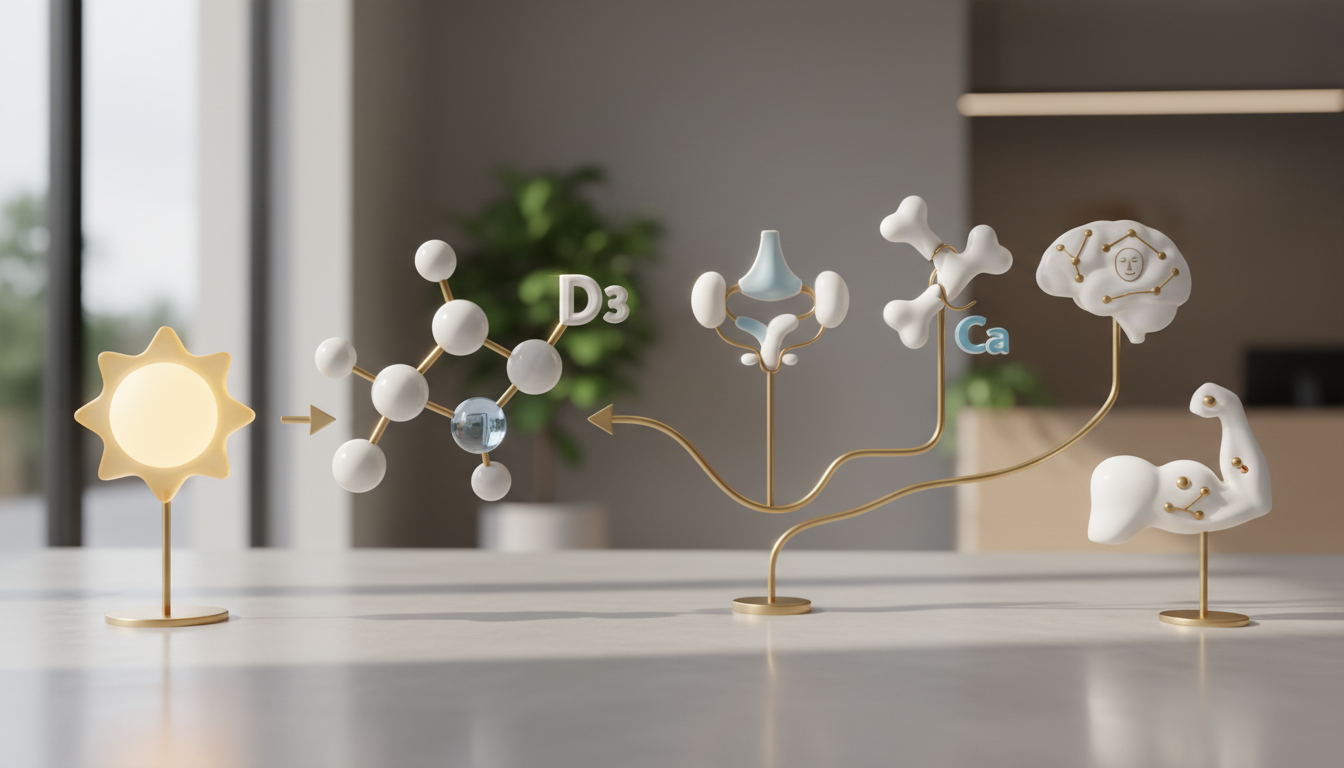
1. Bone Health and Menopause This is the most well-known benefit. Vitamin D is essential for absorbing calcium and phosphorus, the building blocks of strong bones. For women, this becomes critical during and after menopause, when a drop in estrogen accelerates bone density loss. A 2024 update from the NIH on the long-running Women's Health Initiative (WHI) trial provided some complex insights. The study, which followed over 36,000 postmenopausal women, found that a low dose of 400 IU of Vitamin D3 with calcium did not significantly reduce hip fractures for the entire group. However, for women who were consistent with taking the supplements, the risk of hip fracture dropped by 29%. This suggests that consistent, adequate intake is key. The study also highlighted a 7% lower risk of cancer death in the supplement group over 22 years, showing the long-term, systemic impact of these nutrients.
2. Immune System Regulation A well-functioning immune system protects you from infections and helps manage inflammation. According to a 2026 review on Yahoo Health, vitamin D plays a key role in supporting this system. It helps activate the T-cells and macrophages that fight off pathogens. When your levels are low, your immune response can be sluggish, potentially making you more susceptible to colds, flu, and other illnesses.
3. Mood and Mental Well-being Have you ever noticed your mood dipping during the darker winter months? While many factors contribute to this, low vitamin D is a known suspect. Receptors for vitamin D are found in areas of the brain that regulate mood. While it's not a cure for depression, ensuring your levels are optimal can be an important piece of the mental health puzzle.
4. Metabolic Health and Insulin Sensitivity Emerging research is exploring vitamin D's role in metabolic function. A 2025 double-blind randomized controlled trial published in Nutrition & Diabetes studied women with prediabetes. Those who received 50,000 IU of vitamin D every two weeks for 12 weeks saw significant improvements in insulin secretion and insulin resistance markers compared to the placebo group. While another large study (VITAL-T2D) found that 2,000 IU of D3 daily didn't significantly reduce the overall incidence of type 2 diabetes, a meta-analysis of similar trials did show a modest risk reduction. This suggests that for women with or at risk for prediabetes, optimizing vitamin D could be a valuable supportive strategy.
With so many functions tied to one nutrient, it's easy to see how deficiency can cause confusing symptoms. If you're feeling "off" but can't pinpoint why, checking your vitamin D level is a simple, effective starting point.
Feeling overwhelmed by your symptoms? It can be hard to tell if your fatigue is from low vitamin D, a hormone imbalance, or something else. Take our free quiz to get matched with a provider who can help you understand your body and explore your options.
Choosing the Best Vitamin D Supplement for Women in 2026
The supplement aisle can be confusing. With so many brands, doses, and forms, how do you pick the right one? Here’s what you need to know to make an informed choice.
1. Go for D3, Not D2 There are two main forms of vitamin D: D2 (ergocalciferol) and D3 (cholecalciferol). D2 is typically derived from plant sources like mushrooms, while D3 is the form your body produces when exposed to sunlight and is also found in animal products like fatty fish. The science is clear on this: D3 is the superior choice. A 2024 meta-analysis referenced by Verified Supplement Data confirmed that Vitamin D3 is two to three times more effective at raising and maintaining blood levels of vitamin D compared to D2. When you're looking for a vitamin d supplement for women, always check the label for "cholecalciferol" or "D3."
2. Understand the D3 + K2 Synergy If you're taking a higher dose of vitamin D, you’ve likely seen "D3 + K2" on the bottle. This isn't just a marketing gimmick. Vitamin D3 increases calcium absorption in your gut. Vitamin K2, specifically in the form of MK-7, helps direct that calcium where it belongs: your bones. Without enough K2, some of that extra calcium could potentially be deposited in soft tissues like your arteries, leading to arterial calcification. BodyScienceReview.com recommends that women taking 2,000 IU or more of D3 daily should consider a D3+K2 combination. Other sources, like Verified Supplement Data's 2026 dosage guide, suggest adding 100-200 mcg of K2 when taking 4,000 IU or more of D3. This partnership is especially important for postmenopausal women focused on bone health.
3. Find the Right Dosage for You How much should you take? The only way to know for sure is to get a blood test to measure your 25(OH)D levels. Based on a 2026 dosage guide from Verified Supplement Data, here are some general recommendations to discuss with your provider:
- For Maintenance: If your levels are healthy or if you haven't been tested, a daily dose of 1,000-2,000 IU is a common starting point for most adults.
- For Insufficiency (20-29 ng/mL): Your provider may recommend a dose in the range of 2,000-4,000 IU daily.
- For Deficiency (under 20 ng/mL): To correct a significant deficiency, doses of 4,000-5,000 IU daily for 8-12 weeks are often used, followed by a retest to adjust the dose. While the NIH sets the upper limit at 4,000 IU, many clinicians find 5,000 IU to be safe and effective for short-term correction.
4. Look for Quality and Third-Party Testing The supplement industry isn't as tightly regulated as pharmaceuticals. To ensure you're getting what the label says, look for products with third-party certifications like USP (United States Pharmacopeia) Verified or NSF Certified. These certifications confirm the product's purity and potency. Leading brands like Nature Made, Thorne, and Sports Research often carry these marks.
5. Top-Rated Supplements in 2026 Based on several 2026 consumer guides, a few products consistently rank high:
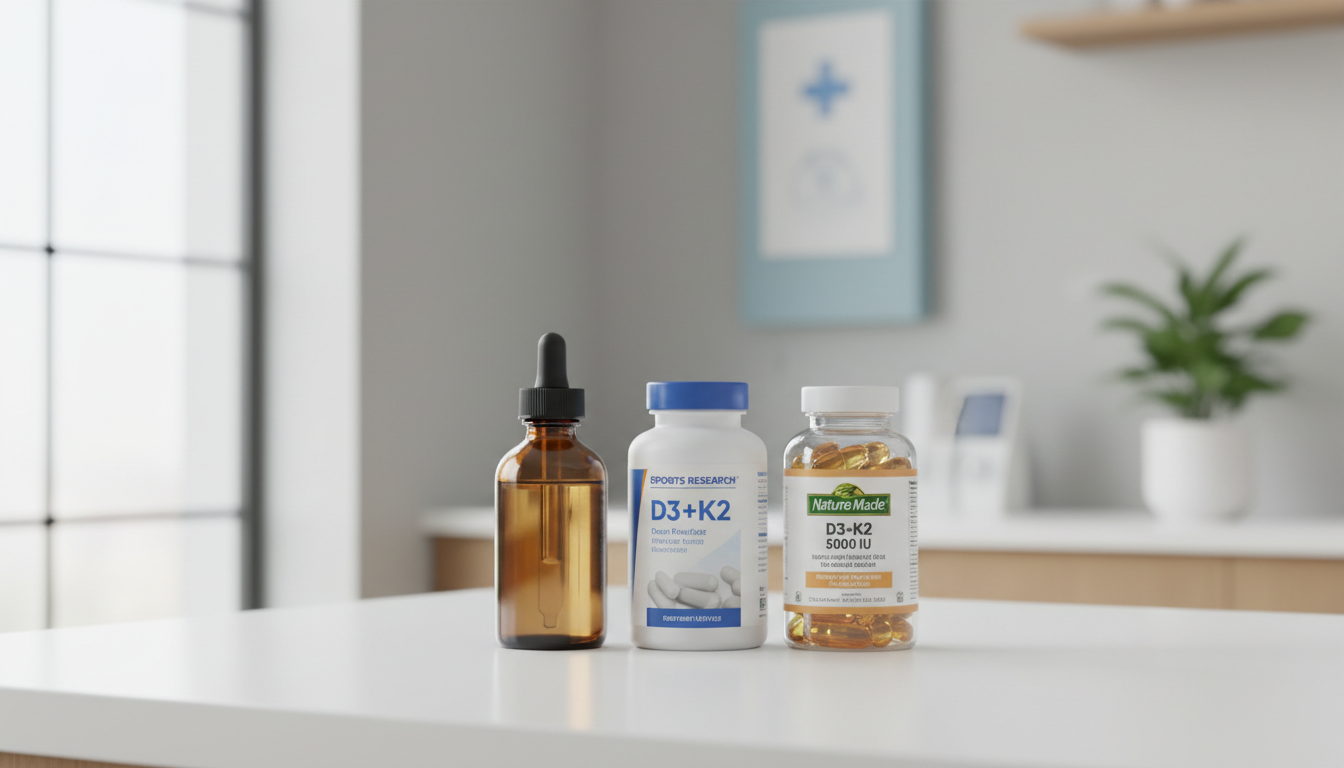
- Sports Research Vitamin D3 + K2: Often cited as the best overall, it provides a balanced dose (e.g., 2,500 IU of D3 and 100 mcg of K2) and is third-party tested (Yahoo Health).
- Thorne Vitamin D/K2 Liquid: This is a top pick for its precise dosing control. The liquid format allows you to easily adjust your intake drop by drop, which is great if you're following a specific protocol from your doctor (BodyScienceReview.com).
- Nature Made D3 5000 IU: A well-regarded, USP-verified option for those who need a higher dose to correct a deficiency. It's also often very affordable (Verified Supplement Data).
Daily costs can range from as little as $0.09 to over $0.37, so there are options for nearly any budget.
Vitamin D’s Connection to Female Hormones and TRT
Vitamin D's role as a prohormone means it is deeply intertwined with your entire endocrine system, including the female hormones estrogen and testosterone. Many women are surprised to learn that low vitamin D can cause symptoms that mirror those of hormonal decline, such as fatigue, low mood, brain fog, and muscle weakness. This overlap is why a comprehensive approach to women's health must include an evaluation of vitamin D status.
For women experiencing symptoms of perimenopause or menopause, this connection is crucial. If you're struggling with issues you suspect are hormone-related, your first step should be a full lab panel that includes not just hormones but also vitamin D. Optimizing your vitamin D levels can sometimes alleviate these symptoms on its own. In other cases, it provides a stable foundation that allows other treatments, like hormone replacement, to work more effectively. For more details on this, you can read about hormone replacement therapy for perimenopause.
This is also relevant for women considering testosterone replacement female protocols. While testosterone is often seen as a male hormone, it's vital for a woman's energy, muscle mass, cognitive function, and libido. When levels are low, symptoms can be debilitating. Before starting a therapy involving injectable testosterone or testosterone pills, a knowledgeable provider will almost always check vitamin D. Correcting a deficiency first might improve energy and mood, helping clarify which remaining symptoms are truly from low testosterone. Addressing nutrient deficiencies is a key part of determining if TRT is right for you, and you can learn more about its side effects in women.
Similarly, women taking estrogen pills as part of their HRT need to be vigilant about bone health. Estrogen helps protect bone density, but combining it with adequate vitamin D and K2 creates a much stronger defense against osteoporosis. It's not an either/or situation; these treatments work together.
However, it's important to maintain realistic expectations. A 2025 randomized controlled trial published in Osteoporosis International found that high-dose Vitamin D3 (3200 IU daily) did not significantly improve lower extremity muscle function in postmenopausal women with vitamin D insufficiency. This doesn't mean D is useless. It simply means it's not a silver bullet for every single symptom of aging and may work best for specific functions like bone support and metabolic health.
Want to see which hormone or supplement options fit your unique symptoms and goals? Our free quiz takes just a few minutes and matches you with vetted providers who specialize in women's health.
What to Consider Before Starting Supplementation
Before you add a new supplement to your routine, it's wise to take a few preparatory steps. This ensures you're choosing the right product and dose for your specific needs, safely and effectively.
First and foremost, get tested. A simple blood test for 25-hydroxyvitamin D, or 25(OH)D, is the only accurate way to determine your vitamin D status. This takes the guesswork out of dosing. Knowing your baseline number allows you and your healthcare provider to create a targeted plan to either maintain your level or correct a deficiency. Many doctors now include this in routine annual blood work, but if they don't, you should ask for it.
Second, always discuss supplementation with your doctor or a qualified healthcare professional, especially if you are taking other medications or have underlying health conditions like kidney disease. While vitamin D is generally safe, extremely high doses can lead to toxicity, and it's important to ensure it doesn't interact with any of your current treatments. You can find online doctors that prescribe testosterone and other hormone therapies through platforms like RxFox, and these providers can manage your supplement regimen as part of a holistic plan.
Finally, when you've decided on a path forward, choose a high-quality product. As mentioned earlier, look for third-party certifications like USP Verified to guarantee the product contains what the label claims and is free from contaminants.
Ready to explore your options with a professional? Take our free 3-minute quiz to get matched with a licensed provider who can review your symptoms, order lab work, and design a plan that's right for you.
FAQs
What is the best form of vitamin D for women?
The best and most effective form is Vitamin D3 (cholecalciferol). Studies show it is significantly better at raising and sustaining blood vitamin D levels compared to Vitamin D2 (ergocalciferol). For optimal bone health, look for a D3 supplement that is paired with Vitamin K2 (MK-7).
How much vitamin D should a woman take daily?
This depends on your current blood levels. For general maintenance, 1,000-2,000 IU daily is a common recommendation. If you are deficient, your doctor may suggest a higher dose, such as 4,000-5,000 IU daily for a few months, followed by retesting. Always consult your provider to determine the right dose for you.
Can I get enough vitamin D from the sun?
It can be very difficult. Your ability to produce vitamin D from sun exposure depends on your geographic location, skin pigmentation, age, and sunscreen use. Many people, especially those in northern climates or who spend most of their time indoors, cannot get enough from the sun alone, making supplementation a practical necessity.
What are the symptoms of vitamin D deficiency in women?
Common symptoms include persistent fatigue, bone or back pain, muscle aches, frequent illnesses or infections, low mood or depression, and hair loss. Because these symptoms are non-specific and overlap with other conditions like hormone imbalances, a blood test is the only way to confirm a deficiency.
When is the best time to take a vitamin D supplement?
Vitamin D is a fat-soluble vitamin, which means it absorbs best when taken with a meal that contains fat or oil. Taking it with breakfast or lunch is a great way to make it part of your daily routine and maximize its absorption.
Contributing to evidence-based peptide education and provider transparency.
Too many clinics, not enough clarity?
We don't sell peptides. Tell us your goals and we'll connect you with a vetted provider who can figure out what actually makes sense for you.
See what's right for youRelated articles
Which Protein Supplements for Muscle Growth Actually Work?
Tired of the hype? Find out which protein supplements for muscle growth are backed by science and learn how to pick the right one for your goals.
Hormone TherapyWhat Are the Real Magnesium Glycinate Benefits?
Uncover the science-backed magnesium glycinate benefits. We explore its effects on sleep, stress, and muscle function and explain why it's a top choice.
Hormone TherapyWhat B12 Shot Benefits Can You Actually Expect?
B12 shots are often hyped for energy, but the real b12 shot benefits are more specific. Learn who is a true candidate and what results to expect.