What Are the Real Side Effects of TRT in Women?
Considering TRT? Learn about the side effects of TRT in women, from common physical changes like acne to less-known risks and how to manage them.

This content is for informational purposes only and does not constitute medical advice. Always consult with a qualified healthcare provider before starting or changing any medical treatment.
Testosterone Replacement Therapy (TRT) is gaining attention for its potential benefits in women, from improving libido and energy to increasing bone density. But with any powerful therapy comes questions about safety. If you're considering this treatment, understanding the potential side effects of TRT in women is the first and most crucial step. While many effects are manageable and dose-dependent, others can be serious or even permanent. This guide, updated for 2026, breaks down the known risks, what the latest research says, and how to work with your provider to ensure a safe experience.
Common Side Effects of TRT in Women
For most women on TRT, the side effects are mild and directly tied to the dosage. When testosterone is prescribed at physiological levels, meaning doses that restore your levels to a healthy, natural range, the risks are significantly lower. The goal is not to achieve male-level testosterone but to optimize your hormones for your body.
According to a 2026 report from The TRT Catalog, the most common side effects of TRT in women are generally reversible and occur when treatment is first initiated or if the dose is slightly too high. These androgenic (male-pattern) effects happen because the body is adjusting to the new hormone levels.
Here is a breakdown of common side effects and their reported frequency in women on physiological TRT doses (e.g., 5-10 mg/day topical).
| Side Effect | Typical Frequency | Description |
|---|---|---|
| Acne & Oily Skin | 5-20% | Testosterone can increase sebum production in the skin's oil glands, leading to breakouts, particularly on the face, chest, and back. |
| Increased Body/Facial Hair (Hirsutism) | 5-15% | You might notice new, fine, dark hairs growing on the upper lip, chin, chest, or abdomen. This is typically mild at proper doses. |
| Mild Fluid Retention | 5-10% | Some women experience slight swelling or a feeling of puffiness, especially when starting therapy. This often resolves on its own. |
| Changes in Body Odor | Variable | Hormone fluctuations can alter the composition of your sweat, leading to a noticeable change in body odor. |
The key takeaway is that these issues are heavily dose-dependent (1st Optimal Health). If you experience them, it’s often a sign that your dose needs a minor adjustment. A skilled provider will start you on a low dose and titrate up slowly, using regular blood work to monitor your levels and keep them within a safe range. For more detail on what to expect from treatment, see our guide on the downsides of TRT.
Not sure if your symptoms warrant a discussion about TRT? Our free Hormone Symptom Checker can help you organize your thoughts before speaking with a provider. If you're ready to talk to a professional, you can find a vetted specialist near you.
Ready to find out if TRT is a good fit for you? Take our free 3-minute quiz to get matched with a licensed provider who specializes in hormone optimization.
Serious Side Effects of TRT in Women to Watch For
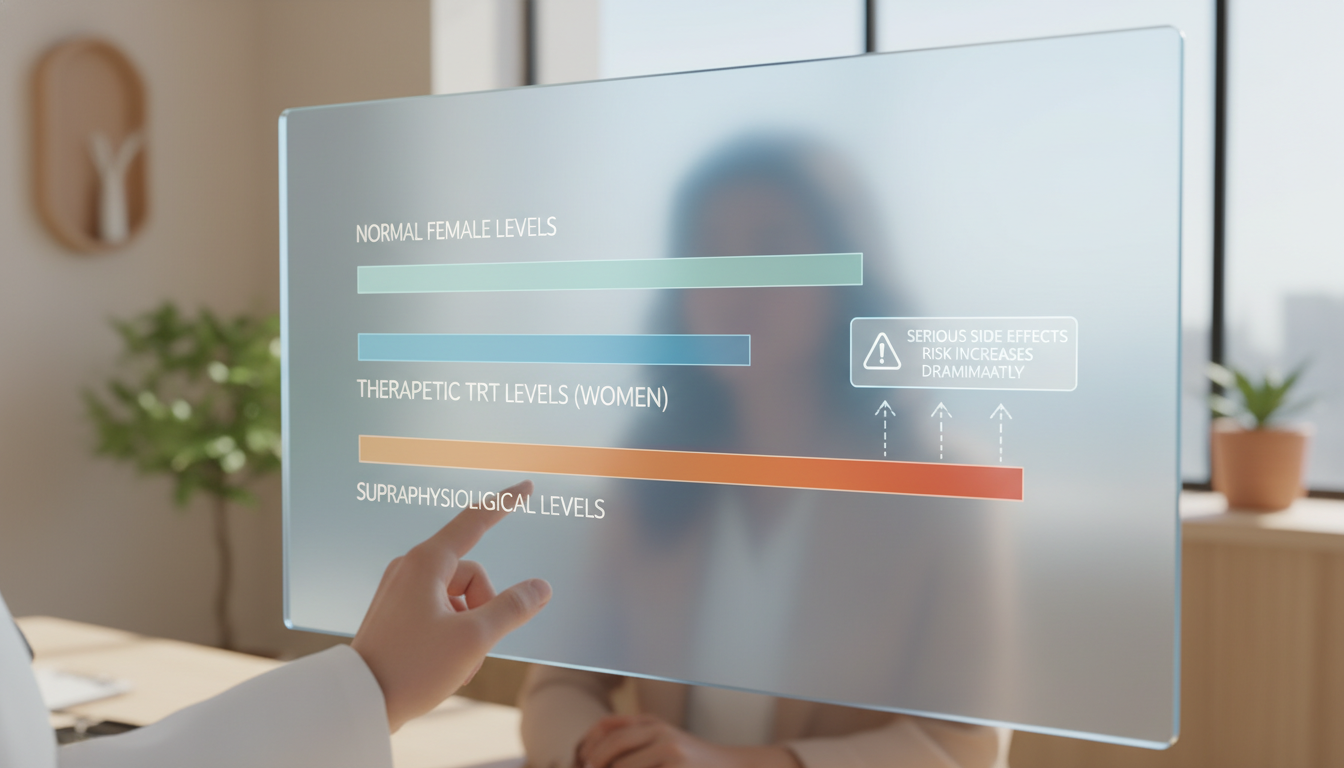
While common side effects are often manageable, it's essential to be aware of the more serious potential risks. These are rare, especially with proper medical supervision, but they require immediate attention. The most significant side effects of TRT in women are almost always linked to supraphysiological dosing—when testosterone levels are pushed far beyond the normal female range.
Potentially Irreversible Side Effects: These side effects may not reverse even after stopping treatment. They are the primary reason why working with an experienced clinician who understands female hormone therapy is non-negotiable.
- Voice Deepening (Virilization): The vocal cords can thicken, causing a permanent drop in pitch. This is a very rare side effect (less than 1%) at physiological doses but becomes a significant risk with high doses or prolonged use above target levels (The TRT Catalog, 2026).
- Clitoral Enlargement (Clitoromegaly): The clitoris may grow in size. Like voice changes, this is strongly associated with supraphysiological dosing and is often permanent (Dr. Oracle AI).
- Androgenic Alopecia (Hair Loss): While some new body hair is common, high doses can trigger male-pattern baldness in women who are genetically predisposed to it.
Cardiovascular and Systemic Risks: The cardiovascular effects of TRT have been a major topic of research. The data for men and women can differ, and it's important to understand the context.
- Blood Pressure: In February 2025, the FDA required all testosterone products to carry a new warning about the potential to increase blood pressure. This decision was based on post-market studies and affects the entire class of drugs (FDA, Drugs.com). While much of the data comes from men, it is a risk that must be monitored in women.
- Lipid Profile Changes: High doses of testosterone can negatively affect cholesterol levels by lowering HDL ("good" cholesterol) and raising LDL ("bad" cholesterol). However, a large 2019 meta-analysis of over 8,000 postmenopausal women found no significant adverse lipid effects at physiological doses (The TRT Catalog, 2026).
- Cardiovascular Events: The large-scale TRAVERSE trial, published in 2023, looked at thousands of men with pre-existing heart conditions. It found that TRT did not increase the risk of major adverse cardiac events compared to a placebo (New England Journal of Medicine). This led the FDA to remove its previous boxed warning on March 3, 2025 (MedPage Today). However, the trial did note a slightly higher incidence of atrial fibrillation and pulmonary embolism in the TRT group. While this study was in men, its findings have shaped the broader understanding of TRT's cardiovascular safety. For women, the 2019 meta-analysis remains the most relevant large-scale data, showing no significant increase in cardiovascular events with proper dosing.
The long term effects of TRT continue to be studied, but the current consensus is that maintaining physiological hormone levels is the best way to minimize serious risks. This underscores the importance of having your hormone levels tested and monitored. You can learn more about how to test my testosterone levels & understand results in our detailed guide.
Who Should Not Take TRT?
Testosterone therapy is not suitable for everyone. Certain medical conditions, known as contraindications, can make TRT unsafe. It is critical to have a thorough discussion about your entire health history with your doctor before beginning treatment.
You should not take TRT if you:
- Are Pregnant, Planning to Become Pregnant, or Breastfeeding: Testosterone can harm a developing fetus and can be passed to a baby through breast milk. It can cause virilization of a female fetus.
- Have a History of Hormone-Sensitive Cancers: This includes certain types of breast or uterine cancer. While the 2019 Global Consensus Position Statement notes that current evidence does not suggest an increased breast cancer risk at physiological TRT doses, and some studies even suggest inhibitory effects, caution is still the standard of care (The TRT Catalog, 2026). This is a complex area that requires expert guidance from an oncologist and endocrinologist.
- Have Unexplained Uterine Bleeding: Any abnormal bleeding should be fully evaluated by a gynecologist before considering hormone therapy.
- Have Severe, Uncontrolled Heart, Liver, or Kidney Disease: These conditions can affect how your body processes hormones and fluids, and TRT could potentially worsen them.
Additionally, TRT may not be effective for certain goals. For example, a 2026 randomized clinical trial published in Nature Communications studied women with diminished ovarian reserve undergoing IVF. It found that transdermal testosterone gel provided no benefit in improving clinical pregnancy rates compared to a placebo. This shows that TRT is not a universal solution and should be used only when there is a clear clinical indication.
Drug Interactions to Be Aware Of
Testosterone can interact with other medications, potentially changing their effectiveness or increasing your risk of side effects. It’s vital to give your provider a complete list of all prescriptions, over-the-counter drugs, and supplements you take.
Some key potential interactions include:
- Anticoagulants (Blood Thinners): Drugs like warfarin (Coumadin) or apixaban (Eliquis) could have their effects enhanced by testosterone. This can increase your risk of bleeding. Your provider may need to monitor your clotting times (INR) more closely and adjust your dose.
- Insulin and Oral Diabetes Medications: Testosterone can affect blood sugar levels, sometimes improving insulin sensitivity. If you have diabetes, your glucose levels should be monitored carefully when starting TRT, as your insulin or medication dosage may need to be reduced to avoid hypoglycemia (low blood sugar).
- Corticosteroids: Using steroids like prednisone with testosterone can increase the risk of fluid retention and edema (swelling), especially if you have existing heart, kidney, or liver conditions.
This is not a complete list. Our free Drug Interaction Checker can be a helpful starting point, but it is not a substitute for a conversation with your doctor or pharmacist. They can provide guidance specific to your health profile.
How to Manage Side Effects of TRT in Women
The best way to handle the side effects of TRT in women is to prevent them, and that starts with proper dosing and medical supervision. As noted by PeakedLabs, patients who experience the worst outcomes are almost always under-monitored.
Here are practical steps for managing common side effects if they do occur:
-
For Acne and Oily Skin:
- Dose Adjustment: This is the first and most effective step. Often, a slight reduction in your dose, guided by your doctor, will resolve the issue. This applies to all forms, including managing trt gel side effects or trt pellets side effects.
- Skincare: Use a gentle, non-comedogenic cleanser twice a day. Products containing salicylic acid or benzoyl peroxide can help manage breakouts. Avoid harsh scrubs that can irritate the skin further.
- Consult a Dermatologist: If acne persists, a dermatologist can recommend topical retinoids or other treatments.
-
For Unwanted Hair Growth (Hirsutism):
- Check Your Dose: Like acne, this is a clear sign that your dose may be too high. Discuss it with your provider.
- Hair Removal: For mild growth, cosmetic methods like waxing, threading, or laser hair removal are effective options.
- Medication: In more persistent cases, a doctor might prescribe medications like spironolactone, which can help block the effects of androgens on hair follicles.
-
For Fluid Retention:
- Monitor Sodium Intake: Reducing salt in your diet can help your body shed excess water.
- Stay Hydrated: Drinking plenty of water can paradoxically help reduce fluid retention.
- Speak to Your Doctor: If swelling is sudden or severe, contact your doctor immediately, as it could signal a more serious issue.
The management strategy for side effects of trt injections or side effects of trt shots is the same as for other forms. The key is consistent communication with your care team and regular lab work to ensure your testosterone levels stay in the optimal therapeutic window.
Want to see which treatment options fit your budget and goals? Our free quiz takes 3 minutes and matches you with vetted providers who prioritize safe and effective hormone management.
When to See a Doctor
While mild side effects can be discussed at your next regular appointment, certain symptoms warrant immediate medical attention. Contact your doctor or seek emergency care if you experience any of the following:
- Sudden changes in your voice (hoarseness or deepening).
- Signs of a blood clot or pulmonary embolism, such as sharp chest pain, shortness of breath, or swelling, pain, and redness in one leg.
- Symptoms of a heart attack, including chest pain or pressure, pain radiating to your arm or jaw, or severe shortness of breath.
- Severe mood swings, depression, or thoughts of self-harm.
- Nausea, vomiting, constant stomach pain, or yellowing of the skin or eyes (jaundice), which could indicate liver problems.
- A sudden and significant increase in acne or hair growth.
Trust your instincts. If something feels wrong, it's always better to be cautious and get professional medical advice. For a deeper look at the therapy itself, our pillar post, "What Is TRT and Who Is It Actually For?", is a great resource.

FAQs
Are the side effects of TRT in women permanent?
Some side effects are reversible, while others can be permanent. Mild effects like acne, oily skin, and slight body hair growth typically resolve if the dose is lowered or treatment is stopped. However, significant voice deepening and clitoral enlargement are often irreversible, which is why proper, conservative dosing under medical supervision is critical.
Does TRT cause weight gain in women?
TRT is more likely to cause a favorable change in body composition than weight gain. It can help increase lean muscle mass and decrease fat mass. Some women might notice a small initial weight increase due to mild fluid retention or new muscle, but this is usually not an increase in fat.
Can TRT side effects in women be avoided?
Many side effects can be minimized or avoided entirely by following a protocol prescribed by an experienced hormone specialist. This includes starting with a low dose, adjusting it based on regular lab testing and symptom feedback, using bioidentical hormones, and maintaining a healthy lifestyle.
What are the first signs of too much testosterone in a woman?
The earliest signs often include androgenic side effects like new or worsening acne, noticeably oily skin, increased facial or body hair (hirsutism), irritability, or aggression. If you experience these symptoms, you should contact your provider to have your hormone levels checked.
Are there negative side effects of TRT related to mood?
Hormones play a major role in mood regulation. While many women report improved mood and reduced anxiety on TRT, an incorrect dose can cause irritability, anxiety, or mood swings. If you experience negative mood changes, it's a sign that your dose may need adjustment.
Contributing to evidence-based peptide education and provider transparency.
Too many clinics, not enough clarity?
We don't sell peptides. Tell us your goals and we'll connect you with a vetted provider who can figure out what actually makes sense for you.
See what's right for youRelated articles
Which Protein Supplements for Muscle Growth Actually Work?
Tired of the hype? Find out which protein supplements for muscle growth are backed by science and learn how to pick the right one for your goals.
Hormone TherapyWhat Are the Real Magnesium Glycinate Benefits?
Uncover the science-backed magnesium glycinate benefits. We explore its effects on sleep, stress, and muscle function and explain why it's a top choice.
Hormone TherapyWhat B12 Shot Benefits Can You Actually Expect?
B12 shots are often hyped for energy, but the real b12 shot benefits are more specific. Learn who is a true candidate and what results to expect.