Where to Inject Testosterone Safely & Easily
Your injection site matters. Before you start TRT, find out where to inject testosterone for better absorption and less pain. We compare every common spot.

This content is for informational purposes only and does not constitute medical advice. Always consult with a qualified healthcare provider before starting or changing any medical treatment.
Starting testosterone replacement therapy (TRT) is a significant step toward optimizing your health. But once you have your prescription, a crucial question arises: where to inject testosterone? The location you choose is not just a matter of convenience. It affects how well your body absorbs the hormone, the level of discomfort you feel, and your risk of complications. This guide will walk you through everything you need to know for safe and effective self-injections in 2026.
We'll cover the best injection sites, provide step-by-step instructions for both major injection types, and highlight common errors to help you avoid them. Properly administering your medication is just as important as the medication itself.
What You’ll Need
Before you can think about where to inject testosterone, you need to gather the right tools. Having everything ready makes the process smooth and safe. Your provider or pharmacy will typically supply these items, but it's good to know what they are.
Here’s your checklist:
- Testosterone Vial: This is the medication itself, often testosterone cypionate or enanthate, suspended in an oil like cottonseed oil. According to FDA prescribing information, these are designed for intramuscular injection.
- Drawing Needle: A larger gauge needle (typically 18-21 gauge) used only to draw the testosterone from the vial. Using a thick needle for this step makes it easier to pull the viscous oil into the syringe.
- Injection Needle: A smaller gauge needle (25-27 gauge for intramuscular or 27-30 gauge for subcutaneous) for the actual injection. You will swap to this needle after drawing up your dose.
- Syringe: The barrel that holds the medication. The size (e.g., 1 mL or 3 mL) will depend on your prescribed dose.
- Alcohol Prep Pads: For sterilizing the top of the vial and the injection site on your skin.
- Sterile Gauze or Cotton Ball: For applying pressure to the site after the injection.
- Bandage: To cover the site afterward.
- Sharps Container: An FDA-cleared container for safely disposing of used needles and syringes.
Never reuse needles or syringes. Aseptic technique is critical to prevent infection.
Before You Start
Understanding the "why" and "how" behind your injections is key. This isn't just about following steps, it's about making informed choices for your body in consultation with your doctor.
First, let's briefly touch on why TRT is necessary for some men. Your body's main hormone-producing factories are the endocrine glands. So, where is testosterone produced? Primarily, it's made in the testes. When the testes don't produce enough testosterone, a condition called hypogonadism, TRT can help restore levels and alleviate symptoms. If you're curious about what optimal levels look like, our guide on what being a high testosterone male really means offers more detail.
You and your provider must decide between two primary methods for injection:
- Intramuscular (IM): This is the traditional method, where the needle goes deep into a muscle. The large muscle mass allows for good absorption of the oil-based hormone. FDA-approved sites include the gluteal muscle and the thigh.
- Subcutaneous (SubQ or Sub-Q): This method involves injecting into the fatty tissue just beneath the skin. Recent studies and clinical practice show that SubQ injections are gaining preference. They offer comparable effectiveness to IM injections but with significantly less discomfort and are easier for many people to self-administer (DrOracle.ai).
While IM has been the standard for decades, many find SubQ injections less intimidating and painful, especially for more frequent dosing schedules. Discuss the pros and cons of each with your healthcare provider to decide what’s best for you. If you're just starting your TRT and aren't sure which path is right or need help finding a specialist, a little guidance can make all the difference.
Not sure which treatment is right for you? Take our free quiz to get matched with a provider who can create a plan for your specific needs.
Step-by-Step Guide on Where to Inject Testosterone (Intramuscular)
Intramuscular (IM) injection is the most common method for administering oil-based testosterone like cypionate or enanthate. The key is choosing the right muscle. While the FDA has historically approved the gluteal muscle, modern clinical guidance often points to a more specific, safer spot. This detailed guide focuses on the ventrogluteal site, now preferred by many experts to minimize risk and discomfort.
Step 1: Prepare Your Station and Supplies
Before a needle ever touches your skin, a clean setup is your first line of defense against infection. Wash your hands thoroughly with soap and water for at least 20 seconds. Lay out all your supplies on a clean, disinfected surface. Check the testosterone vial for the correct medication, dose, and expiration date. According to clinical guidelines, testosterone vials should be stored at a controlled room temperature, typically between 68 and 77 °F (AUMPN.com). Use an alcohol pad to vigorously scrub the rubber stopper on top of the vial. Let it air dry completely. Don't blow on it or wipe it.
Tip: To reduce post-injection pain, you can warm the oil-based testosterone slightly by holding the vial in your hand for a few minutes or rolling it between your palms. This makes the oil less thick and easier to inject (OptiPin).
Step 2: Draw Your Testosterone Dose
Attach your larger drawing needle (18-21 gauge) to the syringe. Pull the plunger back to draw an amount of air into the syringe that is equal to your prescribed testosterone dose. With the vial on your flat surface, insert the needle straight through the center of the rubber stopper. Push the plunger down to inject the air into the vial. This pressurizes the vial, making it much easier to draw the thick oil out.
Turn the vial and syringe upside down. Make sure the needle tip is below the level of the liquid. Slowly pull the plunger back to draw slightly more than your required dose into the syringe. This helps account for any air bubbles.
Step 3: Remove Air Bubbles and Swap Needles
Keep the syringe pointed up and tap the barrel gently to encourage any air bubbles to rise to the top. Slowly push the plunger until all the air is expelled and you have the exact dose of testosterone in the syringe.
Now for a critical step that many beginners miss: the needle swap. Carefully recap the thick drawing needle using the one-handed "scoop" method to avoid accidental sticks. Twist it off and immediately place it in your sharps container. Screw on your new, smaller, sterile injection needle (e.g., a 25 or 27 gauge needle). Using a fresh, sharp needle for the injection significantly reduces pain and tissue damage. As one updated 2026 guide notes, injecting with the same needle used to draw the medication is a common technique error that increases post-injection pain (PeakedLabs).
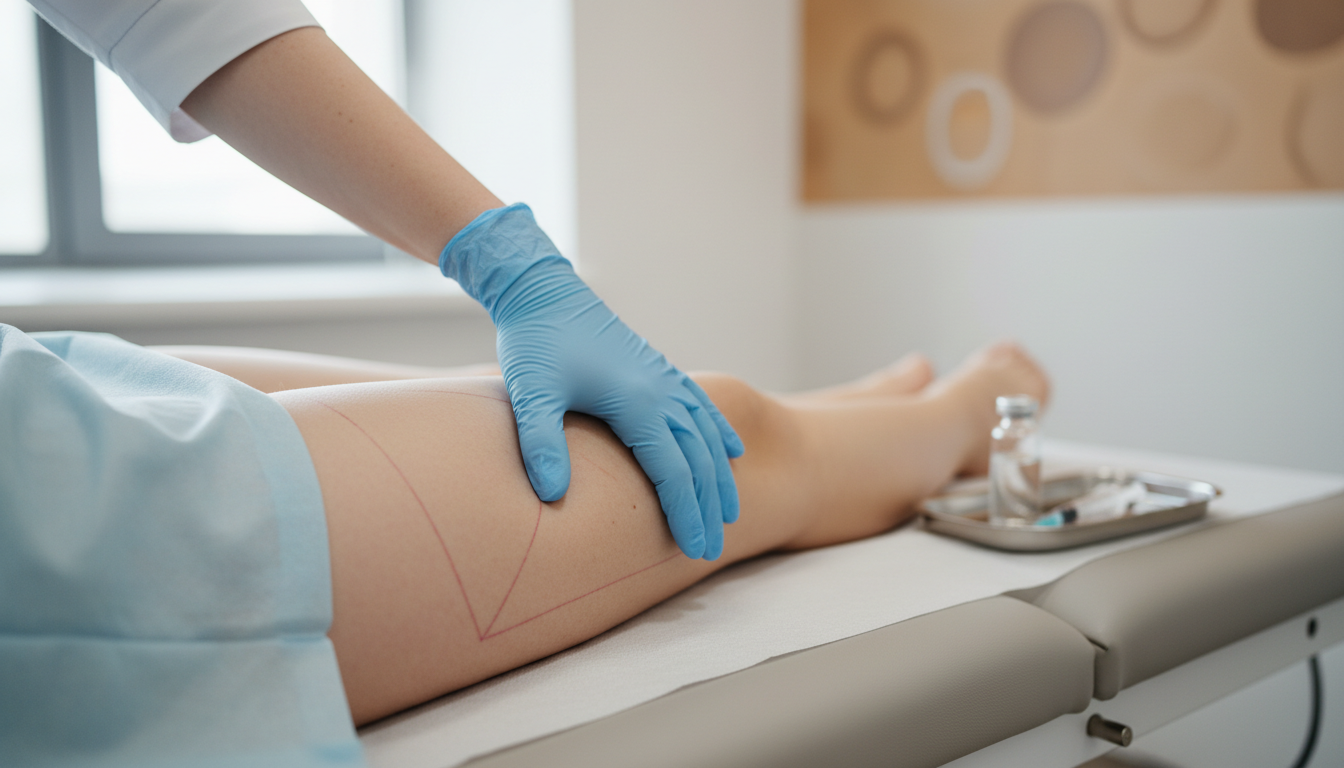
Step 4: Locate the Ventrogluteal (VG) Injection Site
Now it's time to figure out where to inject testosterone. The ventrogluteal (hip) site is an excellent choice for self-injection. It's a deep, thick muscle with no major nerves or blood vessels, making it one of the safest IM sites. Research from 2026 highlights the VG site as being preferred over the traditional upper-outer buttock (dorsogluteal) area due to a much lower risk of hitting the sciatic nerve (PeakedLabs).
To find the VG site on your right hip, place the heel of your left hand on the greater trochanter of your femur. This is the hard, bony knob you can feel on the side of your hip. Point your thumb towards your groin and fan your fingers out. Your index finger should point toward your anterior superior iliac spine (the front of your hip bone). Spread your middle finger away from your index finger to form a "V." The injection spot is in the center of that "V." Use an alcohol pad to clean this area and let it air dry.
Step 5: Administer the Intramuscular Injection
Hold the syringe like a dart at a 90-degree angle to your skin. With your other hand, you can gently stretch the skin taut. In one smooth, quick motion, insert the entire needle into the muscle.
Once the needle is in, release the skin. Stabilize the syringe with one hand. Traditional guidance suggests you aspirate by pulling back slightly on the plunger for 5-10 seconds to check for blood. If blood enters the syringe, you've hit a blood vessel. You should withdraw the needle, dispose of it and the medication, and start over. However, many guidelines now consider aspiration unnecessary for this site. Follow the specific instructions from your healthcare provider.
If no blood appears, slowly and steadily push the plunger to inject the testosterone. A slow injection rate (about 10 seconds per mL) helps the muscle absorb the oil and can reduce discomfort later.
Step 6: Post-Injection Care and Disposal
Once the syringe is empty, pull the needle out quickly at the same 90-degree angle you inserted it. Immediately apply gentle pressure to the site with a clean piece of gauze or a cotton ball. A small drop of blood is normal. Hold pressure for about a minute, then apply a bandage if needed.
Do not recap the used needle. Immediately place the entire syringe and needle assembly into your FDA-cleared sharps disposal container. Never throw loose needles or syringes in the trash. This protects sanitation workers and others from accidental injury.
Finding the right TRT protocol can be complicated. Want to see which options fit your budget and goals? Our free 3-minute quiz matches you with vetted providers who can offer expert guidance.
How and Where to Inject Testosterone (Subcutaneous)
While IM is the classic method, subcutaneous (SubQ) injections are an increasingly popular and effective alternative. This technique involves injecting into the layer of fat between the skin and the muscle. The main benefits are less pain, smaller needles, and greater ease of self-administration, especially for those who are nervous about large needles.
Research shows that SubQ administration provides comparable efficacy to IM injections, achieving therapeutic testosterone levels in patients across a wide range of body mass indexes (DrOracle.ai).
Common Subcutaneous Injection Sites:
- Abdomen: The most common site. Choose an area on your stomach at least two inches away from your belly button.
- Thigh: The top or outer part of your thigh, where you can easily pinch a fold of skin.
- Upper Arm: The back of the arm, though this can be difficult to reach for self-injection.
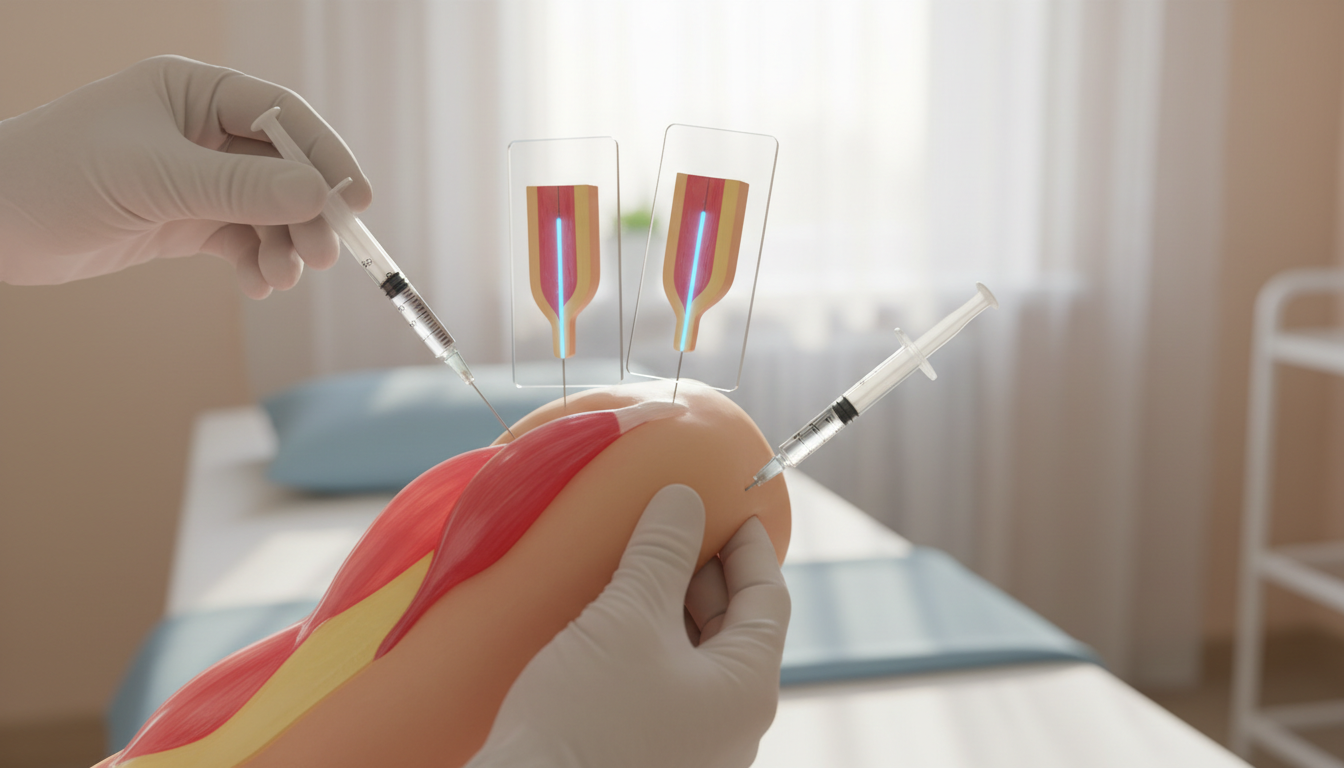
The injection process for SubQ is similar to IM in terms of preparation (sterile technique, drawing the dose, swapping needles) but differs in the final steps. After cleaning your chosen site, you’ll gently pinch a one-to-two-inch fold of skin. Insert the small SubQ needle (27-30 gauge, 1/2-inch length) at a 45 or 90-degree angle into the pinched skin. Release the skin pinch, then slowly inject the medication. There is no need to aspirate for a SubQ injection. After injecting, withdraw the needle and dispose of it properly. It's crucial to rotate your SubQ injection sites to prevent skin irritation and the buildup of hard lumps under the skin, a condition called lipohypertrophy (Alpha MD).
Common Mistakes to Avoid When Injecting Testosterone
Knowing where to inject testosterone is only half the battle. Avoiding common mistakes is just as important for a safe and effective TRT plan. Here are some pitfalls to watch out for.
- Injecting in a Dangerous Spot: The deltoid (shoulder muscle) should generally be avoided for oil-based testosterone injections. A 2022 case report documented an instance of localized rhabdomyolysis, a serious muscle breakdown, after a testosterone injection in the deltoid (DrOracle.ai). The dorsogluteal (upper-outer buttock) site also carries a higher risk of hitting the sciatic nerve if your landmarks are off. Stick to the recommended sites like the ventrogluteal or vastus lateralis (thigh).
- Using One Needle for Drawing and Injecting: The rubber stopper on a vial is thick, and pushing a needle through it, even once, dulls the tip. Injecting with that now-dull needle is more painful and causes more tissue micro-trauma. Always use a separate, sterile needle for injecting (PeakedLabs, 2026).
- Not Rotating Injection Sites: Using the same spot over and over can lead to scar tissue, hard lumps (lipohypertrophy), and poor medication absorption. Keep a simple log and rotate between your left and right sides, or between different approved sites, as recommended by your provider (OptiPin).
- Injecting Cold Oil: Testosterone is suspended in a thick oil. Injecting it cold, directly from storage, can be more painful and lead to a sore lump. Warm the vial in your hand for a few minutes before drawing your dose to thin the oil and make the injection smoother.
- Injecting Too Quickly: Pushing the plunger too fast forces the oil into the muscle aggressively, causing tissue trauma and increasing post-injection pain (PIP). Inject slowly and steadily, taking about 10 seconds for every 1 milliliter of fluid.
When to Contact Your Doctor
Self-injecting testosterone at home is safe when done correctly, but you should always be aware of signs that warrant a call to your healthcare provider. While some minor bruising, bleeding, or soreness at the injection site is normal, contact your doctor if you experience any of the following:
- Signs of Infection: Increasing redness, warmth, swelling, persistent pain, or pus draining from the injection site.
- Signs of a Serious Allergic Reaction (Anaphylaxis): Hives, swelling of the face or throat, and difficulty breathing. This is a medical emergency.
- Symptoms of Pulmonary Oil Microembolism (POME): A rare but serious complication where oil droplets enter the bloodstream. Symptoms include a sudden urge to cough, shortness of breath, chest pain, dizziness, or fainting, usually during or immediately after the injection. Some long-acting formulations like Aveed carry a specific warning for this and require a 30-minute observation period in the clinic after each shot (Aveed REMS Program).
- A Large, Painful Lump (Abscess or Hematoma): If you develop a hard, painful mass that doesn't go away after a few days.
- Sharp, Shooting Nerve Pain: If you experience an electric-shock-like pain during injection, you may have hit a nerve. Withdraw the needle immediately.
Beyond injection site issues, stay in touch with your doctor about any potential side effects of testosterone therapy, such as changes in blood pressure, mood swings, acne, or swelling in your ankles.
Ready to explore your options for testosterone therapy? Take our free 3-minute quiz to get matched with a licensed provider who can help you start safely.
FAQs
Which testosterone injection site is best? For intramuscular (IM) injections, the ventrogluteal (hip) site is now widely considered the best and safest option for self-administration due to its large muscle mass and lack of major nerves or blood vessels. For subcutaneous (SubQ) injections, the abdomen is the most common and convenient site. The best site for you depends on your comfort level, body type, and your provider's recommendation.
How often should I inject testosterone? The frequency depends entirely on the type of testosterone prescribed and your doctor's protocol. Testosterone cypionate or enanthate are typically injected once or twice a week. Long-acting esters like testosterone undecanoate (Aveed) are given every 10 weeks after an initial loading phase. Your dosing schedule is set to maintain stable hormone levels.
Does injecting testosterone hurt? You may feel a brief pinch from the needle and some mild soreness afterward, known as post-injection pain (PIP). However, you can minimize pain by using a smaller gauge needle for injecting, warming the oil beforehand, injecting slowly, and choosing a good injection site like the ventrogluteal.
Can I inject testosterone in my stomach? Yes, but only for subcutaneous (SubQ) injections, not intramuscular (IM). The abdomen is a primary site for SubQ injections, where the medication goes into the fatty tissue under the skin. A brand-name autoinjector, Xyosted™, is specifically designed for subcutaneous injection in the stomach area (Mayo Clinic).
What happens if you hit a nerve injecting testosterone? Hitting a nerve will cause a sharp, shooting, or electric-shock-like pain that may travel down your limb. If this happens, you should withdraw the needle immediately. Do not inject the medication. While lasting damage is rare, you should contact your doctor. Choosing safer sites like the ventrogluteal significantly reduces this risk compared to the dorsogluteal (buttock) area.
Contributing to evidence-based peptide education and provider transparency.
Too many clinics, not enough clarity?
We don't sell peptides. Tell us your goals and we'll connect you with a vetted provider who can figure out what actually makes sense for you.
See what's right for youRelated articles
Which Protein Supplements for Muscle Growth Actually Work?
Tired of the hype? Find out which protein supplements for muscle growth are backed by science and learn how to pick the right one for your goals.
Hormone TherapyWhat Are the Real Magnesium Glycinate Benefits?
Uncover the science-backed magnesium glycinate benefits. We explore its effects on sleep, stress, and muscle function and explain why it's a top choice.
Hormone TherapyWhat B12 Shot Benefits Can You Actually Expect?
B12 shots are often hyped for energy, but the real b12 shot benefits are more specific. Learn who is a true candidate and what results to expect.