Real Testosterone Cypionate Side Effects to Watch For
Learn the most common testosterone cypionate side effects, from acne and hair loss to more serious health risks. Find out what's normal and when to talk to a doctor.
This content is for informational purposes only and does not constitute medical advice. Always consult with a qualified healthcare professional for any health concerns or before making any decisions related to your health or treatment.
Testosterone Cypionate is a widely used medication for men with clinically low testosterone, a condition known as hypogonadism. While it can be a vital part of Testosterone Replacement Therapy (TRT), understanding the full picture of testosterone cypionate side effects is critical before you begin. This therapy involves reintroducing a hormone your body needs, but it's not without potential risks. From mild issues like acne to more serious cardiovascular concerns, being informed helps you and your provider make the best choices for your health.
This guide breaks down the common, serious, and rare side effects based on clinical data, so you know exactly what to watch for.
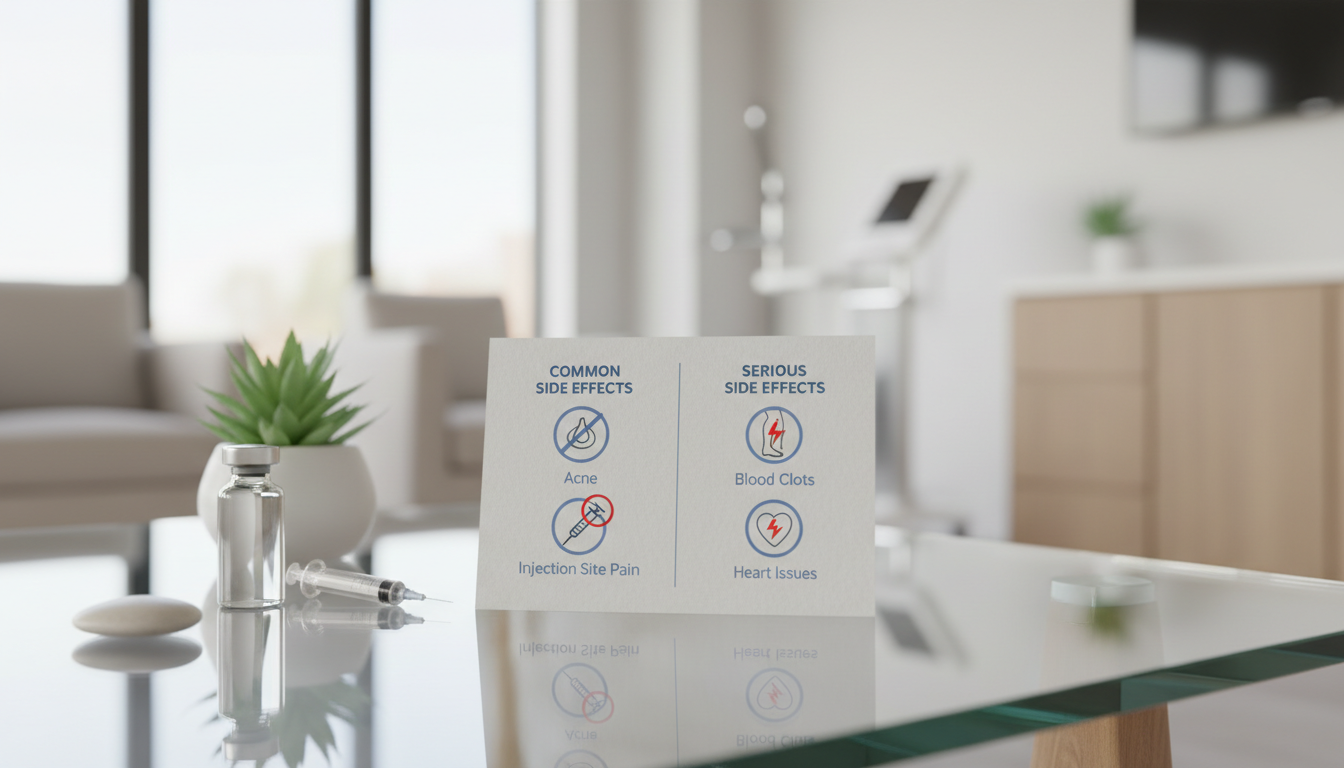
Common Testosterone Cypionate Side Effects
When you start any new medication, your body needs time to adjust. Testosterone cypionate is no different. Many side effects are mild and may lessen over time. However, it's essential to monitor them and keep your doctor informed.
According to the prescribing information for testosterone cypionate injections like AZMIRO, some adverse reactions are more frequent than others. Here’s a look at what you might expect, with frequency data where available.
| Side Effect | Frequency | What It Is |
|---|---|---|
| Injection Site Reactions | ≥4% | Redness, swelling, pain, or a hard lump at the injection site. This is a common physical reaction to the injection itself. |
| Gynecomastia | ≥1% (varies) | Swelling or tenderness of breast tissue in males. This happens because some testosterone can convert into estrogen in the body. |
| Acne & Oily Skin | Common | Increased sebum production, leading to pimples on the face, back, or chest. It's similar to the acne some experience during puberty. |
| Polycythemia | >1% | An increase in red blood cell count, which can thicken the blood. Your doctor will monitor this with regular blood tests. |
| Headache | ≥1% | A general side effect that can occur as your body adjusts to new hormone levels. |
| Mood Swings/Depression | ≥1% | Changes in mood, including increased irritability, anxiety, or feelings of depression, have been reported. |
| Increased Erections | Common | More frequent or longer-lasting erections can occur, especially when starting therapy. |
(Source: HIGHLIGHTS OF PRESCRIBING INFORMATION for AZMIRO, FDA)
Injection Site Pain: Because testosterone cypionate is an intramuscular injection, some discomfort is normal. This usually fades within a day or two.
Gynecomastia: The development of male breast tissue can be concerning. It’s caused by the aromatization process, where testosterone is converted to estradiol, a form of estrogen. This is one of the key testosterone cypionate side effects your doctor will monitor.
Acne: Higher testosterone levels can stimulate your skin’s oil glands, leading to breakouts. This is often temporary and can be managed with good skincare.
Polycythemia: This is an increase in your hematocrit, or the concentration of red blood cells. While not something you can feel, it’s a serious condition that increases the risk of blood clots. The Mayo Clinic notes that regular blood work is essential to catch this early.
Navigating these potential effects can feel overwhelming. If you're trying to figure out if TRT is the right path for you, getting expert guidance is a great first step. Take our free quiz to get matched with a provider who can assess your symptoms and help you weigh the pros and cons.
Serious Testosterone Cypionate Side Effects to Watch For
While less common, some testosterone cypionate side effects are serious and require immediate medical attention. The FDA has issued several warnings about these risks, which is why TRT must always be managed by a qualified medical professional.
1. Cardiovascular Risks (MACE) The FDA package insert for Testosterone Cypionate warns about a potential increased risk of Major Adverse Cardiovascular Events (MACE). This includes non-fatal heart attacks and strokes. While long-term studies have been inconclusive, some research suggests a link, particularly in older men or those with pre-existing heart conditions. According to the Mayo Clinic, patients should be made aware of this possible risk before starting treatment.
2. Venous Thromboembolism (VTE) VTE is a condition where a blood clot forms in a deep vein, usually in the leg (Deep Vein Thrombosis or DVT), and can travel to the lungs (Pulmonary Embolism or PE). Postmarketing reports have confirmed cases of VTE in patients using testosterone products. Symptoms of DVT include:
- Swelling in one leg
- Pain or tenderness in the leg
- Skin that feels warm to the touch
A PE is a medical emergency. Seek help immediately if you experience shortness of breath, chest pain, or a cough that brings up blood.
3. Worsening of Benign Prostatic Hyperplasia (BPH) and Prostate Cancer Risk Testosterone can stimulate the growth of prostate tissue. For men with BPH (an enlarged prostate), TRT can worsen symptoms like difficulty urinating or a frequent need to urinate. There is also a warning regarding the potential risk of prostate cancer. Healthcare providers will typically screen for prostate issues before starting TRT and monitor you during treatment, especially if you are an older male.
4. Liver Problems Though rare with prescribed injectable doses, prolonged use of high doses of testosterone has been associated with serious liver issues. These include hepatic adenomas (benign tumors) and peliosis hepatis, a condition where blood-filled cysts form in the liver (per Pfizer's medical information).
5. Sleep Apnea Testosterone therapy can cause or worsen existing sleep apnea, a condition where you repeatedly stop and start breathing during sleep. If you or your partner notice loud snoring, gasping, or pauses in breathing at night, discuss it with your doctor.
These risks highlight why TRT isn't a casual treatment. It's a medical intervention with significant downsides of TRT that must be carefully managed. Your doctor will use the lowest effective dose for the shortest duration necessary to achieve your treatment goals.
Who Should Not Take Testosterone Cypionate?
Testosterone cypionate is not safe or appropriate for everyone. It is specifically indicated for males with a diagnosed deficiency of testosterone due to conditions like primary hypogonadism or hypogonadotropic hypogonadism.
According to FDA prescribing information and the Mayo Clinic, you should not take testosterone cypionate if you:
- Are female: This medication is not approved for use in women and can cause virilization (development of male characteristics).
- Have breast or prostate cancer: Testosterone can stimulate the growth of these cancers.
- Are allergic to testosterone cypionate or any of its ingredients: Some formulations contain ingredients like benzyl alcohol, which can cause severe reactions.
- Have serious heart, liver, or kidney disease: The risk of fluid retention (edema) can make these conditions worse.
- Are trying to conceive: Testosterone therapy suppresses natural sperm production, often leading to infertility.
Additionally, its safety and effectiveness have not been established for treating "age-related hypogonadism" or in pediatric patients under 12 years of age. Geriatric patients can use it, but they are at a higher risk for prostate and heart-related complications.
Drug Interactions
Testosterone can interact with other medications, potentially changing their effects or increasing your risk of side effects. Always tell your doctor about all prescription drugs, over-the-counter medications, and supplements you take.
Key interactions include:
- Anticoagulants (blood thinners) like warfarin: Testosterone can increase the anticoagulant effect of these drugs, raising your risk of bleeding. Your doctor may need to adjust your dose.
- Insulin: Testosterone can affect your blood sugar levels. If you have diabetes, your insulin dose may need to be adjusted.
- Corticosteroids (like prednisone): Using corticosteroids with testosterone can increase the risk of fluid retention (edema), especially if you have heart or liver problems.
- Certain lab tests: Testosterone can interfere with the results of thyroid tests.
This is not an exhaustive list. Using a drug interaction checker tool can be a helpful first step, but a conversation with your pharmacist or doctor is the most reliable way to ensure safety.

How to Manage Testosterone Cypionate Side Effects
Experiencing side effects can be discouraging, but many can be managed with your doctor's help. The goal is to balance the benefits of TRT with the risks. Here are some strategies for common issues.
-
For Injection Site Pain:
- Rotate injection sites: Alternate between the left and right gluteal muscles.
- Warm the oil: Hold the vial in your hand for a few minutes before drawing it up. Warmer oil injects more smoothly.
- Apply a cold pack: Use a cold pack on the site before the injection to numb the area, and a warm compress afterward to help disperse the oil.
-
For Acne and Oily Skin:
- Improve your skincare routine: Use a gentle, non-comedogenic cleanser twice a day.
- Talk to your provider: They may suggest topical treatments or a dose adjustment.
-
For Gynecomastia:
- Dose and frequency adjustments: Your doctor might adjust your dose or injection frequency to create more stable hormone levels.
- Aromatase inhibitors: In some cases, a doctor may prescribe a medication called an aromatase inhibitor to block the conversion of testosterone to estrogen. This is a significant decision that requires medical supervision.
-
For Mood Swings:
- Monitor your levels: Mood changes can sometimes be linked to hormone levels peaking and troughing. Your doctor may check your bloodwork and adjust your injection schedule.
- Lifestyle support: Regular exercise, a healthy diet, and sufficient sleep can help stabilize mood.
-
For Fluid Retention (Edema):
- Reduce sodium intake: A high-salt diet can make fluid retention worse.
- Inform your doctor: This can be a sign of a more serious heart or kidney issue, so it's important to report it.
Managing TRT effectively also involves managing costs. Prices vary based on your location and insurance. For example, the testosterone replacement therapy denver cost can be different from the testosterone replacement therapy nz cost. The specific product, like the depo-testosterone cypionate cost, will also be a factor. Discussing these costs with your provider can help you find a sustainable plan.
Feeling lost in all the information? You don't have to figure this out alone. Find a qualified TRT provider who can help create a plan for you—take our 3-minute quiz to get started.
When to See a Doctor
While you should always discuss any side effects with your provider during regular check-ups, some symptoms warrant immediate medical attention.
Call your doctor or seek emergency care if you experience:
- Signs of a blood clot in your leg (DVT): pain, swelling, warmth, or redness in one leg.
- Signs of a blood clot in your lung (PE): sudden shortness of breath, sharp chest pain, or coughing up blood.
- Signs of a heart attack: chest pain or pressure, pain spreading to your jaw or arm, shortness of breath.
- Signs of a stroke: sudden numbness or weakness on one side of the body, confusion, trouble speaking, or severe headache.
- Nausea, upper stomach pain, yellowing of the skin or eyes (jaundice), or dark urine, which could indicate liver problems.
- Significant mood changes, including severe depression or thoughts of self-harm.
Being proactive about your health is the most important part of successful testosterone therapy.
Ready to explore your options with a professional? Take our free 3-minute quiz to get matched with a licensed provider who can help you decide if TRT is right for you and manage it safely.
FAQs
Can testosterone cypionate cause permanent side effects? Some side effects, like decreased sperm production and testicular atrophy, can be long-lasting or even permanent. However, many common side effects like acne or mood swings often resolve if therapy is stopped or the dose is adjusted. Discuss the long-term risks with your healthcare provider.
How long do testosterone cypionate side effects last? Minor side effects like injection site soreness may last a day or two. Others, like acne or mood changes, may persist as long as you are on the therapy but can often be managed. Serious side effects require immediate medical intervention.
Does increasing the dose of testosterone cypionate increase the side effects? Yes, higher doses are generally associated with a greater risk and intensity of side effects. This is why doctors start with the lowest effective dose and only increase it if necessary, based on your symptoms and bloodwork. This is also a primary reason why abusing testosterone is so dangerous, as noted in FDA warnings.
Can you drink alcohol while taking testosterone cypionate? While there is no direct, severe interaction, heavy alcohol use can put stress on the liver, which is also a concern with testosterone therapy. It's best to moderate your alcohol intake and discuss your consumption habits with your doctor.
What is the difference between testosterone cypionate and enanthate side effects? The side effect profiles of testosterone cypionate and enanthate are nearly identical. Both are long-acting injectable esters of testosterone that carry the same risks and potential benefits. The main difference lies in the ester attached, which slightly affects the half-life. You can learn more in our detailed comparison of testosterone enanthate vs. cypionate.
Contributing to evidence-based peptide education and provider transparency.
Too many clinics, not enough clarity?
We don't sell peptides. Tell us your goals and we'll connect you with a vetted provider who can figure out what actually makes sense for you.
See what's right for youRelated articles
Which Protein Supplements for Muscle Growth Actually Work?
Tired of the hype? Find out which protein supplements for muscle growth are backed by science and learn how to pick the right one for your goals.
Hormone TherapyWhat Are the Real Magnesium Glycinate Benefits?
Uncover the science-backed magnesium glycinate benefits. We explore its effects on sleep, stress, and muscle function and explain why it's a top choice.
Hormone TherapyWhat B12 Shot Benefits Can You Actually Expect?
B12 shots are often hyped for energy, but the real b12 shot benefits are more specific. Learn who is a true candidate and what results to expect.