BPC 157 Dosing Chart: How Much to Actually Take?
Stop guessing your BPC-157 dosage. Get a straightforward BPC 157 dosing chart and learn how to properly calculate your dose for healing and recovery.
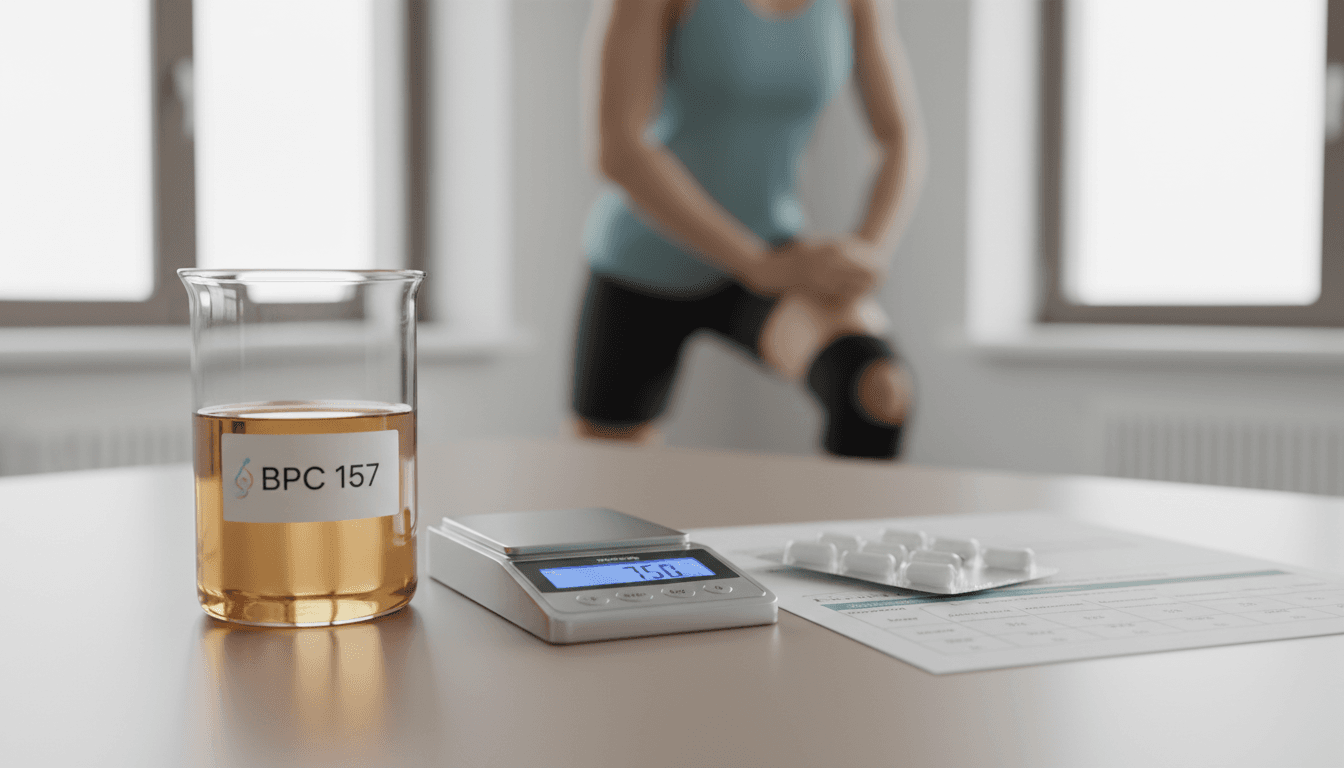
This content is for informational purposes only and does not constitute medical advice. Always consult a healthcare professional before starting any new treatment or supplement.
If you're exploring peptide therapy for recovery and repair, you’ve likely come across BPC-157. This peptide has generated significant interest for its potential healing properties, but figuring out the right dosage can be confusing. That’s why we created this comprehensive BPC 157 dosing chart and guide for 2026. BPC-157 is a research compound and is not approved by the FDA for human use. The information here is based on preclinical studies and community-reported protocols. It is essential to discuss any potential use with a qualified medical provider.
The Landscape of BPC-157 in 2026
BPC-157, or Body Protective Compound 157, is a synthetic peptide made of 15 amino acids, derived from a protein found in human gastric juice. Preclinical research, primarily in animal models, suggests it may accelerate the healing of various tissues, including muscle, tendon, ligament, and gut lining. You can learn more about its background in our deep dive on BPC-157 research.
It is important to understand the regulatory status of BPC-157. The FDA placed it on its Category 2 list of bulk drug substances in late 2023, restricting compounding pharmacies from producing it due to concerns about a lack of human safety and efficacy data. However, as of February 2026, the FDA has started a review process that could move BPC-157 and other peptides back to Category 1, potentially by late 2026, according to a report from CalcMyPeptide. This would allow for production by FDA-registered pharmacies under prescriber supervision, a significant shift from its current "research chemical" status.
For now, all dosing information is extrapolated from animal studies or derived from protocols shared within the biohacking and alternative health communities. Always approach this compound with caution and professional guidance.
A Detailed BPC 157 Dosing Chart for Injections
For most users, BPC-157 is administered via subcutaneous injection, which involves injecting it into the fatty tissue just under the skin. This method is believed to offer the best systemic absorption for musculoskeletal injuries. The most common question we see is, "how much bpc 157 to take?" This BPC 157 dosing chart provides a clear starting point.
The standard dosing protocol referenced in research and community forums is based on two main approaches.
- Bodyweight-Based Dosing: Many preclinical studies use a dose of 10 micrograms (mcg) per kilogram (kg) of body weight.
- Fixed-Dose Dosing: More commonly, users adopt a fixed dose of 250 to 500 mcg per day.
Here is a simple BPC-157 injection dosage chart based on these common protocols.
| Body Weight (lbs) | Body Weight (kg) | Dosing at 10 mcg/kg | Common Fixed Dose Range |
|---|---|---|---|
| 120 lbs | 54 kg | 540 mcg | 250-500 mcg |
| 150 lbs | 68 kg | 680 mcg | 250-500 mcg |
| 180 lbs | 82 kg | 820 mcg | 250-500 mcg |
| 200 lbs | 91 kg | 910 mcg | 250-500 mcg |
| 220 lbs | 100 kg | 1000 mcg (1 mg) | 250-500 mcg |
| 250 lbs | 114 kg | 1140 mcg (1.14 mg) | 250-500 mcg |
As you can see, the bodyweight-based calculation often results in a higher dose than the standard fixed-dose protocol. Most practitioners and experienced users recommend starting at the lower end of the fixed-dose range, around 250 mcg per day, to assess tolerance. This dose has shown effectiveness in a wide range of animal studies, and higher doses do not always equate to better results.
How to Reconstitute and Draw Your Dose
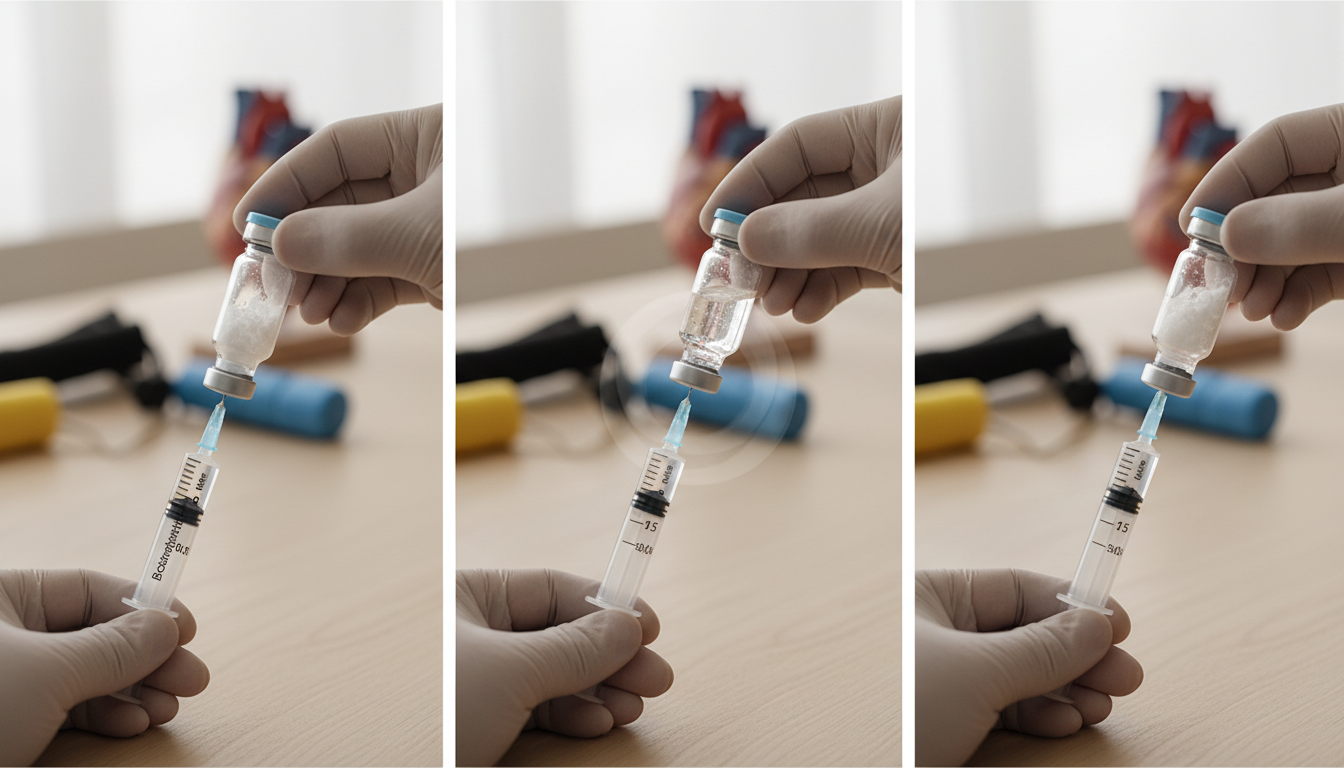
BPC-157 comes as a lyophilized (freeze-dried) powder in a vial and must be reconstituted with bacteriostatic water before use. This process can seem intimidating, but it's straightforward with the right instructions.
Let’s use a common example: a 5 mg (5000 mcg) vial of BPC-157.
- Add Water: Using a sterile syringe, you will add bacteriostatic water to the vial. A common volume is 2 milliliters (mL).
- Calculate Concentration: After adding 2 mL of water to a 5 mg vial, you have a concentration of 2500 mcg per 1 mL.
- Determine Dose Volume: If your target dose is 250 mcg, you need to draw 0.1 mL of the solution into an insulin syringe. On a standard U-100 insulin syringe, 0.1 mL is equal to 10 units.
Here’s a simple table for a 5 mg vial:
| Bacteriostatic Water Added | Concentration per mL | Volume for 250 mcg Dose | Syringe Units (U-100) |
|---|---|---|---|
| 1 mL | 5000 mcg/mL | 0.05 mL | 5 units |
| 2 mL | 2500 mcg/mL | 0.1 mL | 10 units |
| 2.5 mL | 2000 mcg/mL | 0.125 mL | 12.5 units |
If you need help with a different vial size or water volume, our free peptide reconstitution calculator can do the math for you.
Feeling overwhelmed by the calculations? A qualified provider can create a plan specifically for you. Take our free quiz to find a specialist near you who can guide you through the process.
BPC-157 Capsules Dosage and Oral Protocols
While injections are common for systemic and musculoskeletal issues, BPC-157 capsules dosage is a popular choice for gut-related problems. This brings up frequent questions about BPC 157 pills vs injections. Is one better than the other?
The answer depends on your goal. BPC-157 is unique because it is a fragment of a protein naturally found in stomach acid, making it remarkably stable in the gut. According to multiple research sources, including PeptideDeck and The Peptide Guides, this stability makes oral administration a viable and effective route, particularly for gastrointestinal issues.
Is Oral BPC-157 Effective?
For issues like leaky gut, irritable bowel syndrome (IBS), Chron's disease, or general gut inflammation, oral BPC-157 may be the preferred method. When taken orally, the peptide can act directly on the inflamed or damaged tissue within the digestive tract. For systemic injuries like a torn tendon in your shoulder, the direct action in the gut is less beneficial, and an injection that allows the peptide to enter the bloodstream is generally considered more effective.
Here’s a breakdown of BPC 157 capsules vs injection:
BPC-157 Injections:
- Pros: Enters the bloodstream for systemic distribution; considered the best BPC-157 injection for musculoskeletal injuries; allows for precise dosing.
- Cons: Requires needles and self-injection; slight risk of injection site reaction.
BPC-157 Capsules:
- Pros: Non-invasive and easy to take; acts directly on the gut lining; excellent for GI-related issues.
- Cons: Potentially lower systemic bioavailability compared to injections; may be less effective for non-gut-related injuries.
Oral BPC-157 Dosage Protocols
The dosage for oral BPC-157 is very similar to the injectable form. The standard protocol for BPC-157 capsules dosage is:
- Dose: 250 mcg to 500 mcg, taken once or twice per day.
- Timing: It is often recommended to take oral BPC-157 on an empty stomach to maximize its direct contact with the gut lining before food is introduced.
Most commercially available BPC-157 capsules come in 250 mcg or 500 mcg strengths, making dosing simple. You would typically take one capsule once or twice daily. As with any supplement, it's wise to start with the lower dose and see how your body responds before increasing it. You can learn more about how different administration routes affect peptide absorption in our article on oral vs. injection peptides.
Building Your BPC 157 Dosage Schedule and Cycle
Once you've decided on an administration route and a starting dose, the next step is establishing your BPC 157 dosage schedule. This involves deciding on the frequency of administration and the length of your treatment cycle.
Based on community data and extrapolations from preclinical studies, a typical BPC-157 cycle looks like this:
- Daily Dose: 250-500 mcg total per day.
- Frequency: This total dose is often split into two smaller administrations, for example, 250 mcg in the morning and 250 mcg in the evening. The rationale for splitting the dose is BPC-157's short half-life, which is estimated to be under 30 minutes. Two daily doses could help maintain more stable levels in the body, though many users report success with a single daily dose.
- Cycle Length: A standard cycle runs for 4 to 8 weeks. According to PeptideDeck, structural healing can take a minimum of 4-6 weeks to become noticeable.
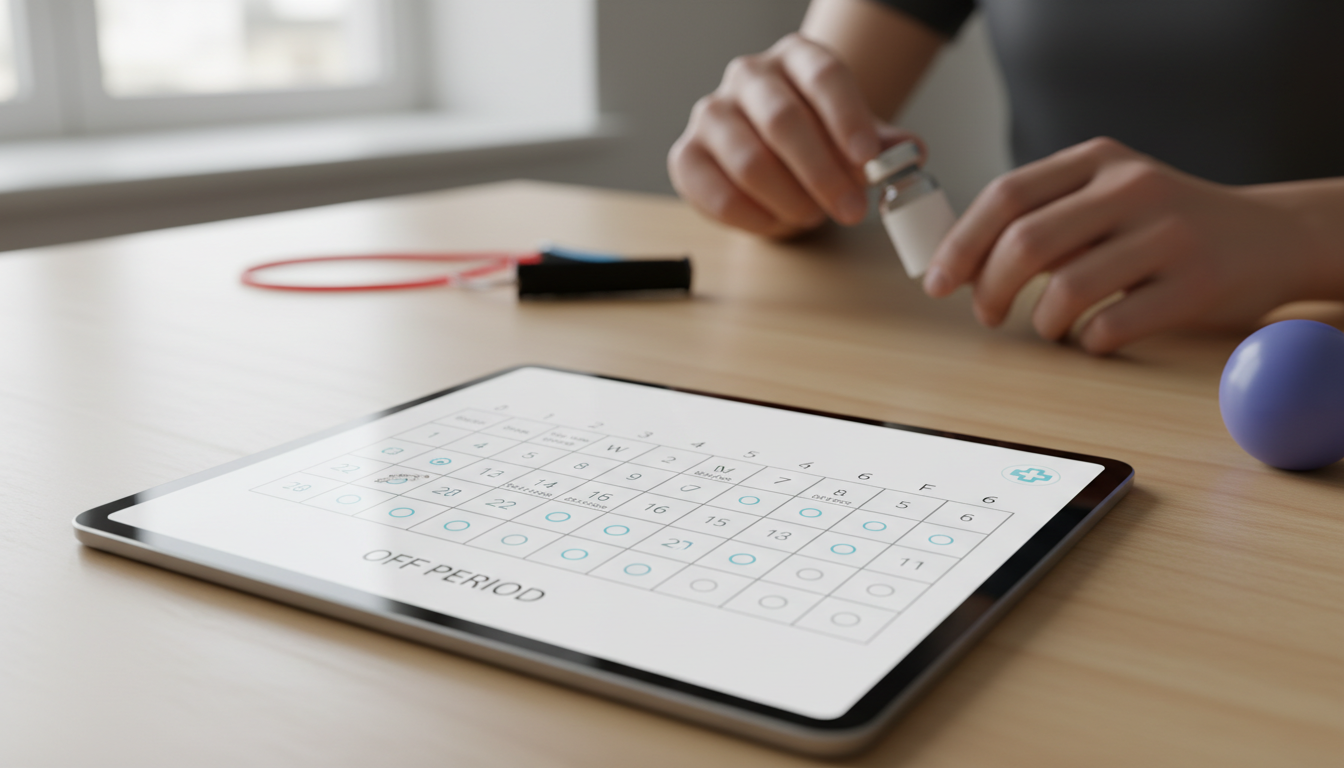
- Off-Cycle: It's generally recommended to take a break after a cycle that is equal to the "on" time. For example, after a 6-week cycle, you would take 6 weeks off before considering another round. This helps prevent potential receptor desensitization, though there is little formal data on this for BPC-157.
Stacking BPC-157 with Other Peptides
For more significant injuries, some users choose to stack BPC-157 with other reparative peptides. The most common combination is BPC-157 and TB-500 (Thymosin Beta-4).
- BPC-157: Works locally and systemically to accelerate healing, promote new blood vessel formation (angiogenesis), and reduce inflammation.
- TB-500: Primarly acts systemically to promote cell migration, reduce inflammation, and support tissue regeneration on a broad scale.
A common dosage for BPC 157 and TB500 might look like:
- BPC-157: 250 mcg, twice daily.
- TB-500: 2-2.5 mg, twice per week.
These two peptides are thought to work synergistically, with BPC-157 providing potent, direct healing support while TB-500 offers a more widespread, systemic effect. For an in-depth comparison, read our post BPC-157 vs. TB-500.
Creating the right BPC 157 dosage schedule depends on your unique goals and physiology. Want professional guidance? Our free 3-minute quiz matches you with vetted providers who can help.
What to Consider Before Starting BPC-157
Before you begin, it’s critical to weigh the potential benefits against the risks and unknowns. BPC-157 is an exciting compound, but it is not a magic bullet, and its use exists in a legal and medical gray area in 2026.
1. It Is Not FDA-Approved: This is the most important consideration. As noted by multiple research sources like FormBlends, there are no FDA-approved human dosing protocols. A Phase I human trial was registered in 2015 but was cancelled without publishing results. The lack of long-term human safety data means you are proceeding based on animal studies and anecdotal reports. For more context, see our article on FDA approval for peptide therapy.
2. Source Quality is Everything: Because BPC-157 is sold as a "research chemical," the market is unregulated. It is vital to source it from a reputable supplier that provides third-party testing results, often called a Certificate of Analysis (CoA). This document verifies the purity and identity of the peptide. Without it, you have no idea what you are actually injecting or swallowing. A qualified provider found through a service like RxFox can connect you with reputable peptide clinics that source high-quality compounds.
3. Potential Side Effects: While BPC-157 has a good safety profile in animal studies with no toxic dose identified, human side effects are not well-documented. Most reported issues are mild and related to injection sites. However, you should still be aware of the possibilities. We cover this topic in detail in our guide to BPC-157 side effects.
4. Talk to a Professional: Never start a protocol like this without consulting a medical professional who is knowledgeable about peptide therapy. They can help you determine if it's an appropriate option for you, rule out contraindications, and monitor your progress.
Deciding to use BPC-157 is a significant health decision. With the right information and professional oversight, you can make a choice that aligns with your health goals.
Ready to explore if peptide therapy is right for you? Take our free 3-minute quiz to get matched with a licensed provider who can discuss your options in a confidential consultation.
Frequently Asked Questions
What is the best dosage for BPC-157?
The most common dosage is 250-500 mcg per day, administered via subcutaneous injection or taken orally in capsule form. This dose is typically split into one or two administrations per day. There is no officially recommended dose, as BPC-157 is not FDA-approved.
How do I calculate my BPC-157 dose?
While some protocols are based on body weight (around 10 mcg per kg), most users follow a fixed-dose protocol of 250-500 mcg daily. To calculate an injectable dose, you must know the amount of peptide in the vial (e.g., 5mg) and the volume of bacteriostatic water used for reconstitution (e.g., 2mL) to determine the final concentration.
How long should I take BPC-157?
A typical BPC-157 cycle lasts between 4 and 8 weeks. It is generally recommended to take a break from the peptide that is equal in length to your cycle (e.g., 6 weeks on, 6 weeks off) before starting another round.
Is oral or injectable BPC-157 better?
It depends on your goal. Injectable BPC-157 provides systemic absorption and is preferred for musculoskeletal injuries. Oral BPC-157 is highly effective for gut-related issues like IBS or inflammation because it is stable in stomach acid and can act directly on the GI tract.
Can you take BPC-157 and TB-500 together?
Yes, stacking BPC-157 and TB-500 is a common protocol for advanced injury recovery. They are thought to work synergistically, with BPC-157 offering potent local repair and TB-500 providing widespread systemic support for healing. Always discuss stacking protocols with a healthcare provider.
Contributing to evidence-based peptide education and provider transparency.
Too many clinics, not enough clarity?
We don't sell peptides. Tell us your goals and we'll connect you with a vetted provider who can figure out what actually makes sense for you.
See what's right for youRelated articles
What Are the GHK-Cu Peptide Benefits and Side Effects?
Everyone is talking about GHK-Cu. This safety guide offers a balanced look at the ghk cu peptide benefits and side effects, cutting through the hype.
Tissue RepairThe Truth About Oral BPC 157 Side Effects
Considering oral BPC-157? We break down the potential oral BPC 157 side effects, looking at what animal studies and real user anecdotes actually report.
Tissue RepairWhen Is BPC-157 Effective Orally & When It's Not
Wondering is BPC-157 effective orally? While it's uniquely stable in stomach acid, its effect depends on your issue. Learn when oral BPC works and when another form might be better.