The Truth About Oral BPC 157 Side Effects
Considering oral BPC-157? We break down the potential oral BPC 157 side effects, looking at what animal studies and real user anecdotes actually report.
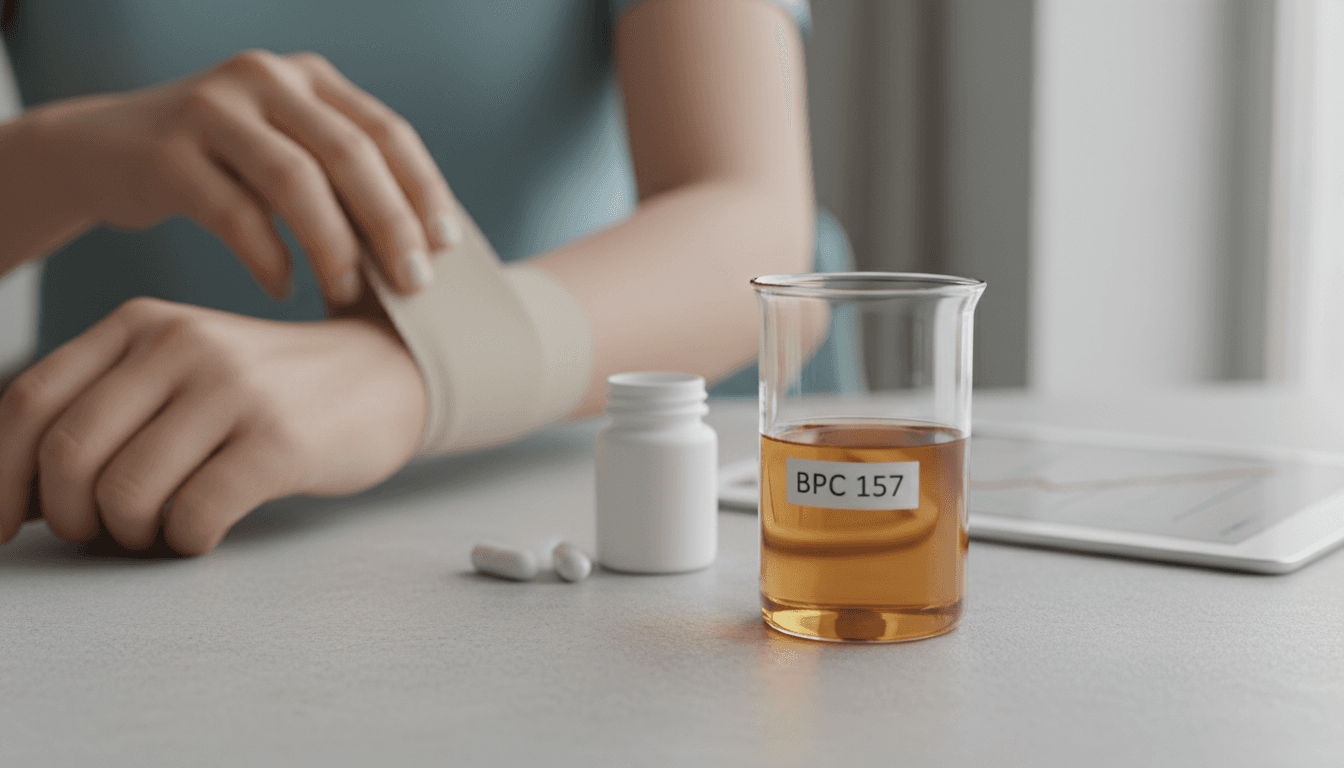
This content is for informational purposes only and does not constitute medical advice.
BPC-157 has gained significant attention as a "healing peptide," with many people exploring it for everything from gut health to muscle repair. If you're considering the oral capsule form, your top question is likely about safety. Fully understanding the potential oral BPC 157 side effects is critical before exploring this compound.
The challenge is that BPC-157 exists in a gray area. While animal studies are plentiful, human research is extremely limited as of 2026 (PeptideMark). It is not approved by the FDA for any medical use, and the agency has previously issued warnings about its safety (fda warning bpc-157 peptide 2024 FDA Warning). This means we have to piece together a picture of its side effect profile from small human trials, extensive animal data, and anecdotal user reports.
This guide will break down what the science actually says about BPC-157's safety, focusing specifically on the potential bpc 157 side effects oral users might experience.
The Current Regulatory Status of BPC-157 in 2026
Before we discuss side effects, it's important to understand the regulatory landscape. As of April 2026, BPC-157 is not an FDA-approved drug (OrionPeptides). In 2023, the FDA placed it in Category 2 for compounding pharmacies, citing "potential significant safety risks" due to issues like immunogenicity and a lack of safety information (FDA).
However, reports from major news outlets in March 2026 suggested the FDA may be planning to relax these restrictions, potentially allowing licensed compounding pharmacies to produce it again under strict physician oversight (OrionPeptides). This potential shift does not change the fundamental fact that BPC-157 still lacks the large-scale, randomized human trials needed for full FDA approval and a complete safety profile. For a deeper dive, you can read our post on whether peptide therapy is FDA-approved.
Common Oral BPC-157 Side Effects
Data on oral BPC 157 side effects is much more limited than data for the injectable form. Most reported side effects are based on anecdotal evidence or are extrapolated from injection studies. However, one human trial provides a specific glimpse into what oral users might expect.
The most common side effects reported are generally mild and temporary. Here's a breakdown of what research and user reports suggest:
| Side Effect | Route of Administration | Reported Frequency | Data Source |
|---|---|---|---|
| Mild Gastrointestinal Upset (bloating, gas) | Oral | ~8% (vs. 6% in placebo) | PeptidesExplorer |
| Nausea | Injection (for context) | 5-10% | PeptidesExplorer |
| Dizziness | Injection (for context) | 3-7% | PeptidesExplorer |
| Anecdotally Reported (Frequency Not Quantified) | |||
| Headaches | Oral & Injection | Not Quantified | Peptide Unlock, PeptideNerds |
| Fatigue or Lethargy | Oral & Injection | Not Quantified | Peptide Unlock |
| Changes in Appetite | Oral & Injection | Not Quantified | Peptide Unlock |
Gastrointestinal Discomfort
The most directly studied of all bpc 157 oral side effects is mild gastrointestinal upset. In a human trial focused on inflammatory bowel disease, researchers noted that about 8% of participants taking oral BPC-157 reported symptoms like bloating or gas. This was only slightly higher than the 6% who reported the same symptoms in the placebo group, suggesting it's not a very common or severe issue (PeptidesExplorer). Since a primary research focus for oral BPC-157 is healing the gut, some initial changes in digestive function may occur as the gut environment adapts.
Nausea, Dizziness, and Headaches
Nausea and dizziness are more commonly associated with subcutaneous injections of BPC-157, with studies reporting rates of 5-10% and 3-7%, respectively (PeptidesExplorer). While not directly documented in oral BPC-157 trials, it is theoretically possible for these to occur if the peptide is absorbed systemically. Headaches are another anecdotally reported side effect for both routes of administration, though no clinical trial has quantified their frequency. These symptoms are often mild and may resolve as your body gets used to the compound. If you're debating between methods, our guide on BPC-157 capsule vs. injection can help.
Feeling a bit lost trying to weigh the pros and cons? It can be a lot to take in. If you want professional guidance tailored to your health profile, our free quiz can help. Take our 3-minute quiz to get matched with a vetted provider who can advise you on your options.

Serious Side Effects to Watch For
While common side effects are mild, the primary safety concerns with BPC-157 stem from the lack of long-term human data. The serious risks are largely theoretical and based on the peptide's mechanism of action.
Potential Cancer Risk (Angiogenesis)
The most significant theoretical concern revolves around angiogenesis, the formation of new blood vessels. BPC-157 is a potent pro-angiogenic agent, which is a key reason for its remarkable healing properties in animal studies (OrionPeptides). It helps build the vascular network needed to repair damaged tissues.
However, this same mechanism could theoretically pose a risk if an individual has pre-existing, undiagnosed cancerous cells. Tumors require a robust blood supply to grow and metastasize. A substance that promotes blood vessel growth could potentially fuel the growth of an existing tumor (Peptide Unlock). It is critical to state that this risk is theoretical. To date, no animal or human study has ever linked BPC-157 to the development or acceleration of cancer. In fact, some preclinical studies suggest it may have anti-tumor properties. But without long-term human safety trials, this remains the biggest unknown and a primary reason for caution, especially for those with a personal or family history of cancer.
Risks from Unregulated Products
Because BPC-157 is sold as a "research chemical," it does not undergo the same quality control as FDA-approved medications. This creates a significant risk. Products purchased online can vary widely in purity, dosage, and may even contain harmful contaminants (ProjectBiohacking). The FDA's 2023 safety warning specifically mentioned complexities with peptide-related impurities and accurate characterization as a reason for concern (FDA). A "side effect" could be caused not by BPC-157 itself, but by a solvent, heavy metal, or bacterial byproduct in a poorly manufactured product. This is why using BPC-157 without medical supervision from a trusted source is highly discouraged.
Allergic Reactions and Immunogenicity
As with any substance, there is a small risk of an allergic reaction. Symptoms can include rash, hives, itching, or in severe cases, swelling of the face and throat and difficulty breathing (anaphylaxis). The FDA has also raised concerns about immunogenicity, which is the potential for the body to develop an immune response against the peptide itself, potentially leading to adverse effects or rendering it ineffective (FDA).
Who Should Not Take BPC-157
Given the limited safety data and theoretical risks, certain individuals should avoid BPC-157 entirely. Always consult with a qualified healthcare provider before considering its use.
- Individuals with Active Cancer or a History of Cancer: Due to the theoretical angiogenesis risk, anyone with a current or past diagnosis of cancer should not use BPC-157.
- Pregnant or Breastfeeding Women: There is absolutely no safety data on BPC-157 use during pregnancy or lactation. It should be strictly avoided.
- Individuals Taking Certain Medications: People on blood thinners, blood pressure medication, or other powerful drugs should be cautious due to the potential for interactions.
- Those with Known Hypersensitivity: If you have a known allergy to peptides or any of the inactive ingredients in a formulation, you should not take it.
Finding a provider you can trust is key. If you're looking for one, our guide on how to find a legitimate peptide clinic provides helpful tips.
Potential Drug Interactions
Formal human drug interaction studies for BPC-157 do not exist. All potential interactions are theoretical and based on the peptide's known mechanisms. It is essential to discuss all your current medications and supplements with your doctor.
- Blood Thinners (Anticoagulants): Because BPC-157 influences blood vessel formation, it could theoretically affect blood clotting pathways. Combining it with medications like warfarin, Eliquis, or Xarelto could have unpredictable effects.
- NSAIDs (Non-Steroidal Anti-Inflammatory Drugs): This interaction may actually be beneficial. Many animal studies show BPC-157 can protect against and heal the gastrointestinal damage caused by NSAIDs like ibuprofen and naproxen (StardustPeptides). However, using it for this purpose should still be done under medical supervision.
- Blood Pressure Medications: By promoting vascular health and repair, BPC-157 could potentially influence blood pressure. Individuals on antihypertensive drugs should monitor their blood pressure closely if they choose to use it.
- Other Growth-Promoting Substances: Using BPC-157 alongside other growth factors or certain peptides could lead to unknown synergistic or adverse effects.
Trying to figure out if BPC-157 is a safe choice with your current health regimen? A qualified provider can help analyze the risks. Our free 3-minute quiz can match you with licensed experts who understand peptide therapy.
How to Manage BPC 157 Oral Side Effects
If you and your provider decide to proceed with oral BPC-157 and you experience mild side effects, there are several strategies you can try to manage them. The top priority should always be sourcing from a reputable compounding pharmacy to minimize risks from product quality.
For Gastrointestinal Discomfort (Nausea, Bloating, Gas)
- Take with Food: Taking your BPC-157 capsule with a small meal or snack can help buffer the stomach and reduce nausea or upset.
- Start Low and Go Slow: Begin with the lowest effective dose and gradually increase it over several days or weeks. This allows your body to adapt. For more on this, check out our BPC-157 dosing chart guide.
- Check the Salt Form: Oral BPC-157 is typically available in two forms: an acetate salt and an arginate salt. The arginate salt is believed to have higher stability in gastric acid and better oral bioavailability, which may lead to better tolerance (PeptideNerds).
- Stay Hydrated: Drinking plenty of water throughout the day can aid digestion and help mitigate general side effects.
For Headaches
- Hydrate: Headaches are frequently a sign of dehydration. Ensure you are drinking adequate water, especially when starting a new compound.
- Monitor Blood Pressure: Though rare, if headaches are sudden, severe, or persistent, it's wise to check your blood pressure.
- Consider the Source: Persistent headaches could be a sign of impurities in the product. If they don't resolve, stopping the compound and consulting your provider is the best course of action.
For Dizziness or Fatigue
- Adjust Timing: Some users find that taking BPC-157 before bed helps them sleep through any potential dizziness or fatigue.
- Don't Take on an Empty Stomach: A small meal can help stabilize blood sugar and blood pressure, potentially reducing feelings of lightheadedness.
- Listen to Your Body: If fatigue is significant and impacts your daily life, it's a sign to stop and speak with your doctor.

When to See a Doctor
While BPC-157 is generally well-tolerated in research settings, it is an experimental compound. You should contact a healthcare professional immediately if you experience:
- Signs of a severe allergic reaction, such as swelling of the face, lips, or tongue; difficulty breathing; or a widespread rash.
- Severe or persistent side effects that do not improve with the management strategies above.
- Any new and concerning symptoms like chest pain, severe headache, vision changes, or heart palpitations.
Always use BPC-157 under the guidance of a knowledgeable medical provider who can monitor your progress and safety. You can search for qualified clinics in your area using our clinics directory.
Ready to get expert guidance on whether BPC-157 or other peptide therapies are right for you? Take our free 3-minute quiz to connect with a qualified provider.
FAQs
What are the most common oral bpc 157 side effects?
The most common side effect documented in a human trial for oral BPC-157 is mild gastrointestinal upset, such as bloating or gas, which affected about 8% of participants. Anecdotal reports also include mild headaches, dizziness, and fatigue, but the frequency of these is unknown.
Can BPC-157 cause long-term side effects?
The long-term side effects of BPC-157 in humans are completely unknown because no long-term studies have been conducted as of 2026. The main theoretical long-term risk is its potential to promote the growth of existing cancers through angiogenesis, though this has not been demonstrated in any study.
Is oral BPC-157 safer than injections?
Oral BPC-157 eliminates the risk of injection site reactions like pain or swelling. However, it may be more likely to cause mild gastrointestinal issues. The most significant safety risk for both forms is the lack of regulation and the potential for impure products. Neither form has been proven safer than the other in a head-to-head clinical trial.
Have the 2026 FDA changes made BPC-157 safe?
No. As of April 2026, BPC-157 is not an FDA-approved drug. Recent news suggests the FDA may be relaxing rules for compounding pharmacies, but this does not grant it an official safety approval. It simply may make it more accessible via a prescription. The fundamental lack of large-scale human clinical trial data on its safety and effectiveness remains unchanged.
Contributing to evidence-based peptide education and provider transparency.
Too many clinics, not enough clarity?
We don't sell peptides. Tell us your goals and we'll connect you with a vetted provider who can figure out what actually makes sense for you.
See what's right for youRelated articles
What Are the GHK-Cu Peptide Benefits and Side Effects?
Everyone is talking about GHK-Cu. This safety guide offers a balanced look at the ghk cu peptide benefits and side effects, cutting through the hype.
Tissue RepairWhen Is BPC-157 Effective Orally & When It's Not
Wondering is BPC-157 effective orally? While it's uniquely stable in stomach acid, its effect depends on your issue. Learn when oral BPC works and when another form might be better.
Tissue RepairBPC-157 Side Effects: What We Actually Know
While lauded for healing, a clear look at the BPC-157 side effects is crucial. We separate the hype from reality and review what's known about its safety.