How to Get GLP-1 Online With Insurance in 2026
Learn the 2026 process to get GLP-1 online with insurance. We walk you through using telehealth, checking your coverage, and oral vs. injectable costs.
This content is for informational purposes only and does not constitute medical advice. Consult with a qualified healthcare professional before making any medical decisions.
The world of weight management medication has changed dramatically in 2026. If you're looking to get GLP-1 online with insurance, the process is more accessible than ever, but it requires the right information. With new oral medications, significant price cuts, and expanding insurance coverage, obtaining drugs like Wegovy or Zepbound is a realistic goal. This guide will walk you through the exact steps to take, what to expect, and how to use your insurance to cover the cost, all based on the latest 2026 data.
What You'll Need
Before you begin, gathering a few key items will make the process much smoother. Think of this as your prep kit for your first telehealth appointment.
You should have:
- Your Insurance Information: Your physical card or digital details, including your member ID and group number.
- A List of Medications: Any prescription drugs, over-the-counter medicines, or supplements you currently take.
- Your Medical History: Be ready to discuss your health conditions, past surgeries, and any allergies.
- Recent Health Metrics: Know your current height and weight to calculate your Body Mass Index (BMI). If you have recent lab work, have it handy.
- A Valid Photo ID: Your driver's license or another form of government-issued ID is required for identity verification.
- A Payment Method: A credit or debit card will be needed for the provider's consultation fee and any eventual copays.
Before You Start: The 2026 GLP-1 Market
Before you try to get GLP-1 online with insurance, it’s helpful to understand the current market. The landscape in April 2026 is very different from past years.
First, insurance coverage has expanded significantly. As of March 2026, about 43% of employer-sponsored health plans cover GLP-1 medications for weight loss, with that number jumping to over 60% for large companies (Telehealth Ally). Even more impactful, Medicare is rolling out new coverage. Starting July 1, 2026, the Medicare Bridge program is expected to cap copays for drugs like Wegovy and Zepbound at around $50 per month for eligible beneficiaries (GLP-1 Watchdog).
Second, new, more affordable options are here. The FDA approved orforglipron, a daily oral GLP-1 pill, on April 10, 2026. Its expected launch price of around $149 per month is putting pressure on the entire market (Telehealth Ally). This adds another FDA-approved, insurance-eligible option to the mix.
Finally, the regulatory environment has shifted. The FDA declared the semaglutide shortage over in February 2025. This removed the exemption that allowed for widespread production of compounded semaglutide, which is not FDA-approved and never covered by insurance. As a result, many telehealth platforms are moving patients from compounded versions to these newly affordable, FDA-approved branded medications.
Understanding these changes will help you ask the right questions and find the most affordable, effective, and legitimate path to treatment.
Not sure which GLP-1 medication or provider is right for you? Take our free 3-minute quiz to get matched with a licensed provider who can guide you through these options.
A Step-by-Step Guide to Get GLP-1 Online With Insurance
Following a clear process is the best way to secure a prescription and get it covered. Here are the exact steps to follow.
Step 1: Verify Your Insurance Benefits
Before you even book a consultation, check your insurance plan's coverage. This single step can save you weeks of headaches. Most insurance companies have an online portal where you can view your "drug formulary," which is the list of medications your plan covers. Search for names like Wegovy, Zepbound, and Saxenda. Don't just look for the name; look for the "coverage details." Many plans cover these drugs but require "prior authorization" (PA) for weight management.
If you can't find it online, call the member services number on the back of your insurance card. Ask these specific questions:
- "Does my plan cover anti-obesity medications like Wegovy or Zepbound for weight management?"
- "What are the specific criteria for approval? Is there a required BMI? Do I need to have a comorbidity like high blood pressure?"
- "Is prior authorization required?"
- "What is my estimated copay for a 28-day supply?"
According to Telehealth Ally, over 90% of commercial plans that cover these drugs require a PA, so expect this to be part of the process. For more details on this, check out our guide on GLP-1 insurance coverage.
Step 2: Choose a Reputable Telehealth Provider
Once you confirm you have potential coverage, you need to find an online clinic that works with insurance. In 2026, many major telehealth providers like Hims, Ro, PlushCare, and FORM Health have shifted to prescribing branded, FDA-approved GLP-1s and will assist with the insurance process. These providers are a key part of learning how to get an online prescription legally and safely.
When comparing providers, look for:
- Insurance Acceptance: Do they explicitly state they work with major insurance carriers and help with prior authorizations? Some providers have dedicated teams for this.
- Prescription Policy: Ensure they prescribe FDA-approved medications like Wegovy and Zepbound, not just compounded versions. Insurance will not cover compounded drugs.
- Fee Structure: Understand their costs. Most charge a monthly membership fee (e.g., $99-$149/month) that covers consultations and insurance support, but not the cost of the medication itself.
You can browse a list of vetted providers on our clinics page to find one that fits your needs and budget.
Step 3: Complete Your Virtual Consultation
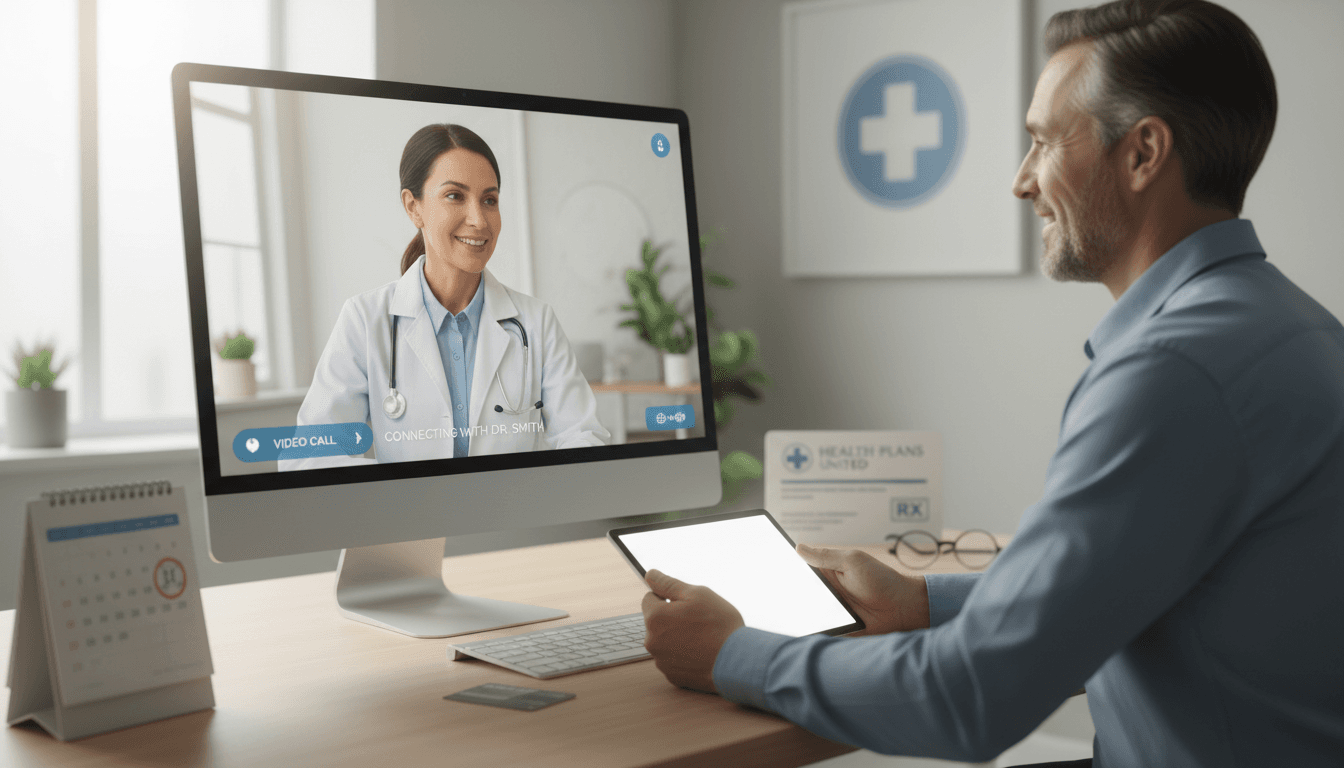
This step is where a licensed healthcare provider determines if a GLP-1 medication is appropriate for you. You will start by filling out a detailed online intake form covering your medical history, lifestyle, and weight loss goals. This is followed by a video or phone consultation with a doctor or nurse practitioner.
During the visit, be prepared to discuss your health in detail. The provider will assess if you meet the FDA criteria for these medications, which typically involves having a BMI of 30 or higher, or a BMI of 27 or higher with a weight-related health condition. Your provider will review your overall health, which may lead to discussions about other concerns like hormone balance. This is sometimes how patients begin to explore topics like how to get testosterone prescription for women, a treatment some providers may offer for specific conditions like low libido after a thorough evaluation. This is a separate clinical area, but it highlights the importance of a full health assessment. You can learn more from our list of online doctors that prescribe testosterone.
Step 4: Navigate the Prior Authorization (PA) Process
If the provider writes you a prescription, the next step is almost always prior authorization. This is the process where your provider's office submits clinical documentation to your insurance company to prove the medication is medically necessary for you. You don't do this yourself; the telehealth provider handles the paperwork.
The PA process can take anywhere from 3 to 14 business days, according to Telehealth Ally. The insurance company will review the information your provider sent, which includes your BMI, any weight-related comorbidities (like hypertension or high cholesterol), and often requires proof of your participation in a structured diet and exercise plan for a certain period.
The telehealth provider's experience is critical here. A good provider knows exactly what documentation each insurance company requires and how to present it for the best chance of approval. This support is often included in their monthly membership fee and is a primary reason people use these services.
Step 5: Handle the Prescription and Potential Denials
If your PA is approved, congratulations! Your provider will send the prescription to your preferred pharmacy or a partner online pharmacy. You will then be able to fill it for your standard copay.
However, denials can happen. Don't panic. A study from GLP-1 Journal found that appeals are successful in 60-70% of cases when handled correctly. If your PA is denied, your provider's team should review the denial reason and file an appeal on your behalf. This usually involves submitting more detailed clinical notes or clarifying information. This is another area where a quality telehealth platform proves its value. They handle the administrative fight so you don't have to.

Step 6: Understand Your Final Cost
Your final out-of-pocket cost will depend on your insurance plan, your deductible, and whether you use a savings card. After insurance, many patients pay between $25 and $150 per month (GLP-1 Watchdog).
However, you can lower this cost even more. For those with commercial insurance (not Medicare or Medicaid), manufacturers offer savings cards. These programs can bring your monthly copay for drugs like Wegovy or Zepbound down to as little as $0 or $25. Your telehealth provider can help you apply for these.
If you don't have insurance or your plan denies coverage, you still have options beyond the $1,300+ list price. Eli Lilly's LillyDirect program offers Zepbound for around $299 per month for starter doses (Telehealth Ally). And with the recent approval of oral orforglipron, you may find cash-pay prices as low as $149 per month.
Want to see which options fit your budget and goals? Our GLP-1 Cost Calculator can help, or you can take our free quiz to get matched with vetted providers who can explain your specific costs.
Step 7: Begin Your Titration Schedule
GLP-1 medications are not started at their full strength. You will begin on a low starting dose and gradually increase it over several weeks or months. This process, called dose titration, helps your body adapt to the medication and minimizes potential side effects like nausea. A typical titration schedule can take 1 to 3 months to reach your final maintenance dose (Telehealth Ally).
Your provider will give you a specific schedule to follow. It's essential to stick to this schedule and communicate with your provider about any side effects you experience. Many telehealth platforms offer messaging support so you can easily check in. For an example of what this looks like, you can review a typical semaglutide dosing chart.
How to Get GLP-1 Online With Insurance: Common Mistakes to Avoid
The path to getting an insured GLP-1 prescription is straightforward, but a few common missteps can cause delays or denials. Avoid these mistakes:
- Skipping the Formulary Check: The most common error is starting the process without confirming your plan covers anti-obesity drugs. A five-minute call to your insurer can save you weeks of wasted effort.
- Choosing a "Compounded-Only" Clinic: Some online clinics still focus on compounded peptides. Insurance does not cover these non-FDA-approved products. If you want to use your insurance, you must use a provider that prescribes branded Wegovy, Zepbound, or another FDA-approved GLP-1. Find out more about the risks of compounded semaglutide.
- Giving Up After a Denial: A prior authorization denial feels final, but it's often just the first step in a negotiation. A high percentage of appeals are successful. Work with your provider's team to fight the denial.
- Forgetting the Savings Card: Many people with commercial insurance pay their initial copay without realizing a manufacturer savings card could drop their cost to just $25. Always ask your provider or pharmacy about these programs.
- Assuming All GLP-1s Are the Same: Ozempic and Mounjaro are FDA-approved for Type 2 diabetes, not weight loss. Your insurance will likely deny them for weight loss. You need a prescription for a drug specifically approved for weight management, like Wegovy for weight loss, to get coverage.

When to Contact Your Doctor
Once you begin treatment, maintaining open communication with your telehealth provider is crucial. You should contact your doctor immediately if you experience any severe or persistent side effects. While mild nausea or constipation can be common initially, you should not ignore intense abdominal pain, persistent vomiting, or signs of an allergic reaction like swelling or difficulty breathing.
It's also a good idea to schedule regular check-ins, especially during the first few months of dose titration. These appointments allow your provider to monitor your progress, manage any side effects, and make adjustments to your treatment plan as needed. Most telehealth platforms make these check-ins simple with easy scheduling and direct messaging features. Remember, this is a medical treatment, and ongoing professional guidance is part of the process.
Ready to explore your options safely with professional guidance? Take our free 3-minute quiz to get matched with a licensed provider who can help you start.
FAQs
Can I get GLP-1s for weight loss if my insurance doesn't cover them? Yes. In 2026, there are several affordable cash-pay options. Eli Lilly's direct program offers Zepbound starting around $299/month. The newly approved oral GLP-1, orforglipron, is expected to cost around $149/month without insurance. While you can't use insurance, these prices are significantly lower than the list price.
How long does it take to get approved for GLP-1s with insurance? The entire process, from consultation to approval, typically takes 1 to 3 weeks. The main factor is the prior authorization review by your insurance company, which can take 3 to 14 business days. Choosing a telehealth provider experienced with this process can help speed it up.
Will Medicare pay for Wegovy or Zepbound in 2026? Yes. Starting July 1, 2026, the Medicare GLP-1 Bridge program is set to launch. This program will cap copays at $50 per month for eligible Part D enrollees who are prescribed medications like Wegovy and Zepbound for weight management.
Is it legal to buy compounded semaglutide online in 2026? The legal and regulatory status of compounded GLP-1s is complex. The FDA declared the semaglutide drug shortage resolved in February 2025, which removed the primary legal justification for pharmacies to compound it. While some pharmacies still offer it, they face increasing FDA scrutiny. For insurance coverage and guaranteed product quality, only FDA-approved branded medications are recommended.
Contributing to evidence-based peptide education and provider transparency.
Too many clinics, not enough clarity?
We don't sell peptides. Tell us your goals and we'll connect you with a vetted provider who can figure out what actually makes sense for you.
See what's right for youRelated articles
How to Actually Find Peptide Therapy Near Me
Don't just Google "peptide therapy near me." Learn how to vet clinics, what questions to ask your doctor, and how to spot a trustworthy provider.
Provider GuideSigns of a Quality Peptide Compounding Pharmacy
Worried about quality? Learn the critical questions to ask any peptide compounding pharmacy, plus the red flags that signal you should stay away.
Provider GuideFinding Legit Peptide Clinics in the UK
Don't just Google 'peptide clinics uk'. Our guide shows you how to find a qualified provider, what to ask in a consult, and how to avoid scams.