Are GHK-Cu Side Effects Something to Worry About?
Before using GHK-Cu, understand the potential risks. We cover the most common GHK-Cu side effects, from injection site reactions to copper overload.

This content is for informational purposes only and does not constitute medical advice. Always consult with a qualified healthcare provider before starting any new treatment or supplement.
GHK-Cu, a copper peptide with a growing reputation in the anti-aging and skin health communities, is a topic of intense interest. But with any powerful compound, understanding the potential risks is just as important as knowing the benefits. This guide provides a detailed look at the known GHK-Cu side effects as of 2026. We will cover everything from minor irritations to serious contraindications, so you can have an informed discussion with your healthcare provider. While many people explore peptides for various reasons, it's critical to be aware of safety information. Users of other popular compounds often research similar concerns, like NMN side effects or what to do about Mounjaro-related hair loss. Here, we focus specifically on GHK-Cu.
Before we begin, it's crucial to understand the regulatory status of GHK-Cu. As of April 2026, GHK-Cu is not approved by the FDA for any medical use in humans. It is primarily sold as a cosmetic ingredient for topical products or as a "research use only" chemical (MyPeptideMatch, 2026). The FDA has explicitly stated that this label does not provide a legal path for human consumption. While topical use has a long history, injectable use is investigational and operates in a complex legal gray area. The FDA banned it from being compounded for injections in March 2024, but a February 2026 regulatory update suggested it might be reclassified to Category 1, which could permit legal compounding in the future (Peptide Garden, 2026). This shifting landscape makes consulting a knowledgeable provider even more vital.
Common GHK-Cu Side Effects
Most reported GHK-Cu side effects are mild, temporary, and often depend on the method of administration. Topical applications generally have a better-tolerated profile than injectable forms.
Here is a summary of common side effects and their reported frequencies from various studies and user data compilations:
| Side Effect | Administration | Frequency | Sources |
|---|---|---|---|
| Skin Irritation / Redness (Erythema) | Topical | 4.2% - 10% | Nationwide Peptides (2026), Peptides.wiki (2026) |
| Itching (Pruritus) | Topical | 2.1% - 2.8% | Nationwide Peptides (2026), Peptide Garden (2026) |
| Injection Site Reactions | Injectable | 10% - 20% | Peptides.wiki (2026) |
| Bruising at Injection Site | Injectable | ~20% | Nationwide Peptides (2026) |
| Swelling at Injection Site | Injectable | ~10% | Nationwide Peptides (2026) |
| Headaches or Nausea | Injectable | Uncommon, Dose-Dependent | RealPeptides (2026), Peptide Clinic Locator (2026) |
| Temporary Fatigue / 'Flush' | Injectable | Uncommon, Dose-Dependent | RealPeptides (2026) |
Let's break down what these common reactions feel like and why they happen.
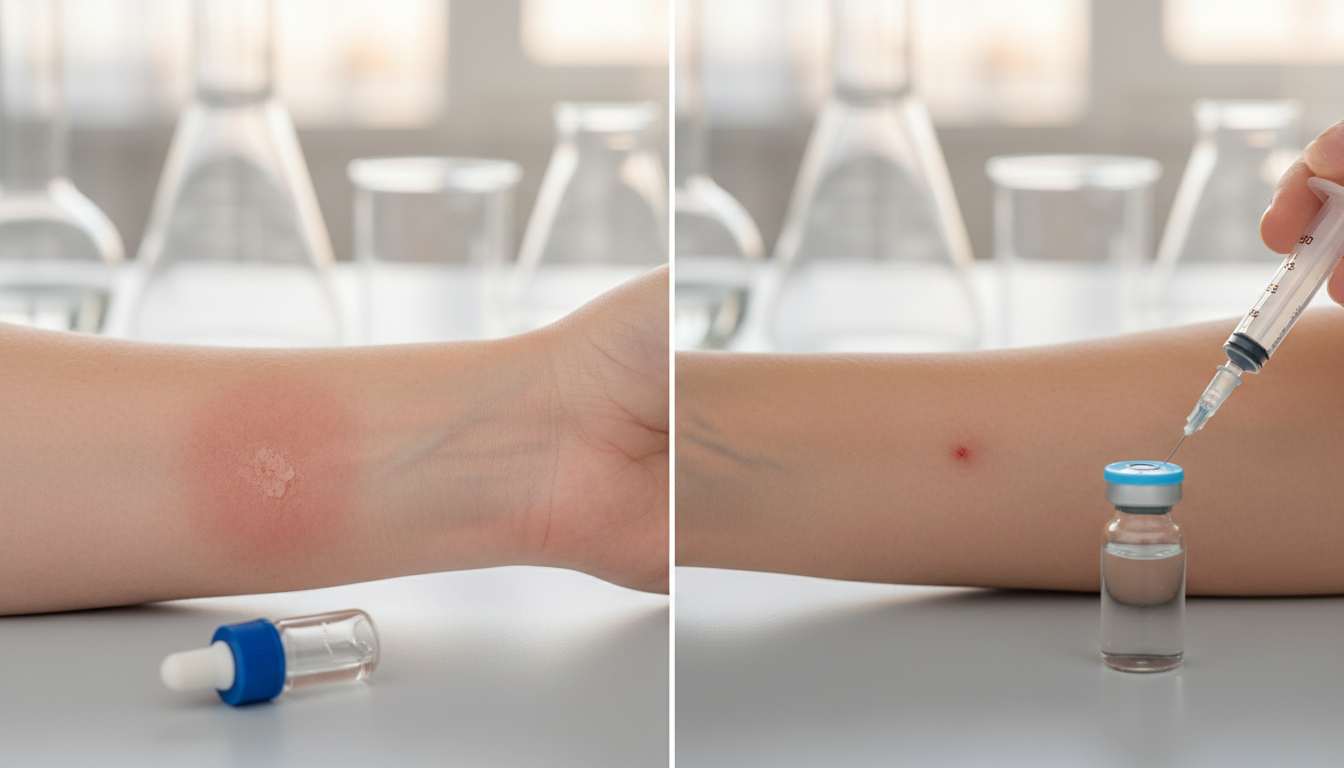
Skin Irritation, Redness, and Itching (Topical Use) When GHK-Cu is applied to the skin in a cream or serum, localized reactions are the most common issue. Pooled data from 12 studies involving over 800 participants reported mild erythema (redness) in about 4.2% of users and pruritus (itching) in 2.1% (Nationwide Peptides, 2026). Another source suggests mild irritation may occur in 5-10% of users with sensitive skin (Peptides.wiki, 2026). These reactions are typically transient, meaning they resolve on their own shortly after application. They are more likely to occur with higher concentrations or in individuals with pre-existing skin sensitivities.
Injection Site Reactions (Injectable Use) For those using investigational injectable GHK-Cu, reactions at the injection site are quite common, with an incidence of 10-20% (Peptides.wiki, 2026). This can include:
- Pain or stinging: A brief, sharp sensation during or immediately after the injection.
- Redness and swelling: The area may become pink and slightly raised. One review noted swelling in 10% of cases (Nationwide Peptides, 2026).
- Bruising: This is also common, reported in up to 20% of users in some investigational contexts (Nationwide Peptides, 2026). It happens when the needle nicks a small blood vessel under the skin.
These reactions are localized to the spot where you administer the peptide and usually fade within a few hours to a couple of days. They are a common part of many types of peptide injection therapy.
Headaches, Nausea, and Fatigue (Primarily Injectable Use) Systemic side effects, which affect the whole body, are less common but can occur, especially with injectable GHK-Cu. Some users report temporary fatigue, a "flush" feeling similar to a niacin flush, or mild headaches and nausea (RealPeptides, 2026). These effects are often dose-dependent. This means they are more likely to appear or be more intense at higher doses. Starting with a lower dose and gradually increasing it can often prevent these side effects.
Deciding if a peptide is right for you involves weighing potential benefits against these side effects. If you're feeling unsure about your options for anti-aging or tissue repair, expert guidance can make a difference. Take our free 3-minute quiz to get matched with a vetted provider who can help you understand what's best for your personal health goals.
Serious GHK-Cu Side Effects to Watch For
While serious GHK-Cu side effects are very rare, it's important to know the warning signs. Decades of study and consumer use have shown GHK-Cu has an excellent safety profile, with confirmed serious adverse events being almost absent from medical literature (Peptides.wiki, 2026). However, theoretical risks and specific contraindications demand caution.
Allergic Reactions As with any substance, a true allergic reaction is possible, though uncommon. The signs of a severe allergic reaction (anaphylaxis) require immediate medical attention. Symptoms include:
- Hives or a widespread rash
- Swelling of the face, lips, tongue, or throat
- Difficulty breathing or wheezing
- A rapid heart rate
- Dizziness or fainting
If you experience any of these symptoms after using GHK-Cu, contact emergency services immediately.
Copper Overload or Toxicity This is the most significant theoretical concern with systemic (injectable) GHK-Cu use. GHK-Cu is a carrier for copper, delivering it to cells. While the amount of copper in typical doses is small, prolonged use of high doses could potentially disrupt the body's delicate copper balance.
Rare cases of copper overload have been noted with very high doses, defined as over 50 mg per week, particularly in people with underlying conditions that affect copper metabolism (Nationwide Peptides, 2026). For reference, many investigational protocols use doses far lower than this.
Symptoms of copper toxicity can be vague and develop slowly. They may include:
- Nausea, vomiting, and diarrhea
- Stomach pain
- Headaches
- A metallic taste in the mouth
- More severe symptoms can include liver or kidney damage and neurological issues.
This risk is why individuals with copper metabolism disorders, such as Wilson's disease, should never use GHK-Cu. For healthy individuals using standard protocols, systemic copper overload from topical use has not been observed in clinical studies (Nationwide Peptides, 2026). This risk is primarily associated with unmonitored, high-dose injectable use.
Who Should Not Take GHK-Cu?
Certain conditions and life stages are considered absolute contraindications for GHK-Cu, meaning the risk of harm is too high. If any of the following apply to you, you should avoid GHK-Cu unless explicitly cleared by a specialist.
- Active Malignancies (Cancer): GHK-Cu promotes angiogenesis (the formation of new blood vessels) and cell proliferation as part of its wound-healing mechanism. While this is beneficial for repairing healthy tissue, it could theoretically support the growth and spread of existing tumors. Therefore, anyone with active cancer should avoid GHK-Cu (RealPeptides, 2026; Peptides.wiki, 2026).
- Wilson's Disease or Copper Metabolism Disorders: Wilson's disease is a genetic disorder that prevents the body from removing excess copper, leading to its accumulation in the liver, brain, and other organs. Introducing extra copper via GHK-Cu would be extremely dangerous for these individuals (RealPeptides, 2026).
- Pregnancy and Breastfeeding: There is no safety data on GHK-Cu use during pregnancy or lactation. Due to its ability to influence growth factors and cellular processes, its use is contraindicated to avoid any potential risk to the developing fetus or infant (Peptides.wiki, 2026).
- Severe Heavy Metal Sensitivities: Individuals with known, severe allergies or sensitivities to copper or other heavy metals should avoid GHK-Cu.
Additionally, some conditions require extreme caution. While not absolute contraindications, you should discuss the risks and benefits thoroughly with your doctor if you have:
- Autoimmune Conditions: GHK-Cu has immunomodulatory effects, meaning it can influence the immune system. In people with autoimmune diseases like lupus, rheumatoid arthritis, or multiple sclerosis, this could potentially trigger a flare-up or alter the disease course (RealPeptides, 2026).
- Hypotension (Low Blood Pressure): Some anecdotal reports suggest GHK-Cu may have a mild blood pressure-lowering effect. If you already have low blood pressure, this could lead to dizziness or fainting.
Understanding your health profile is the first step in using any new therapy safely. A qualified provider can help you assess these risk factors.
Drug Interactions
Because GHK-Cu is not an FDA-approved drug, there are no official, large-scale studies on its interactions with other medications. However, based on its mechanism of action, a few potential interactions should be considered and discussed with your provider.
Chelation Agents: The most significant potential interaction is with chelation agents. These are drugs or supplements used to remove heavy metals, including copper, from the body. Examples include D-penicillamine or Trientine, which are used to treat Wilson's disease, or even supplements like zinc when taken in very high doses. Using GHK-Cu concurrently with chelation agents could lead to unpredictable outcomes. The chelator may bind to the copper from GHK-Cu, rendering both ineffective, or it could disrupt copper balance in other ways (RealPeptides, 2026).
Hypotensive Medications (Blood Pressure Lowering Drugs): If GHK-Cu does indeed have a mild blood pressure-lowering effect, combining it with other medications that lower blood pressure could amplify this effect. This might cause blood pressure to drop too low, resulting in dizziness, lightheadedness, or fainting. If you are taking medication for hypertension, your provider should be aware of your interest in GHK-Cu.
Immunosuppressants or Immunomodulators: For individuals with autoimmune conditions or organ transplant recipients, medications that suppress or modify the immune system are common. Because GHK-Cu also has immunomodulatory properties, there is a theoretical risk that it could interfere with these medications. This could either make the immunosuppressant less effective or lead to an unpredictable immune response.
This is not an exhaustive list. The lack of formal studies means caution is the best approach. Before starting GHK-Cu, provide your doctor with a complete list of all your current medications, including prescriptions, over-the-counter drugs, and supplements.
Feeling overwhelmed by the options and safety considerations? It's normal. Our free quiz can simplify the process by connecting you with a provider who is an expert in peptide therapies and can offer guidance based on your health history.
How to Manage GHK-Cu Side Effects
If you experience mild side effects from GHK-Cu, there are several practical steps you can take to manage them. The key is often to adjust your dose or application method.
For Topical Skin Irritation:
- Patch Test: Before applying GHK-Cu serum to your face, apply a small amount to a discreet area, like your inner arm, and wait 24 hours to see if a reaction occurs.
- Reduce Frequency: If you experience redness, try applying the product every other day instead of daily to allow your skin to acclimate.
- Apply to Damp Skin: Applying serums to slightly damp skin can sometimes aid absorption and reduce surface irritation.
- Check the Formulation: The irritation might not be from GHK-Cu itself but from other ingredients in the cosmetic product, like fragrances or preservatives. Consider trying a product with a simpler, cleaner base.
For Injection Site Reactions:
- Rotate Injection Sites: Avoid injecting into the same spot every time. Common sites for subcutaneous injections include the abdomen, thighs, and glutes. Rotating helps prevent tissue buildup and irritation.
- Ensure Proper Technique: Learn the correct injection technique to minimize trauma. Using a fresh, sterile needle for every injection is non-negotiable.
- Apply a Cold Compress: If you experience swelling or pain after an injection, applying a cold pack to the area for 10-15 minutes can help reduce inflammation.
- Don't Rub the Area: After injecting, apply gentle pressure but avoid rubbing, as this can increase irritation and bruising.
For Headaches, Nausea, or Fatigue:
- Start Low, Go Slow: This is the most effective strategy. These systemic side effects are strongly dose-dependent. Begin with the lowest possible dose and only increase it gradually over several weeks. This gives your body time to adapt.
- Stay Hydrated: Dehydration can contribute to headaches. Ensure you are drinking enough water throughout the day.
- Time Your Dose: Some people find that taking their injection before bed helps them sleep through any potential fatigue or mild nausea.
- Take with Food: If you experience nausea, taking your dose shortly after a small meal may help settle your stomach.
If these management techniques don't resolve the issue or if the side effects are severe, you should stop the treatment and consult your provider.

When to See a Doctor
While most side effects are minor, certain situations warrant immediate medical consultation. You should stop using GHK-Cu and contact your healthcare provider if you experience:
- Any signs of a serious allergic reaction (difficulty breathing, hives, swelling of the face or throat). This is a medical emergency.
- Side effects that are severe or persistent, such as a headache that doesn't go away or intense nausea.
- Skin irritation that gets worse, becomes painful, or shows signs of infection like pus or warmth.
- Symptoms that could suggest copper toxicity, like persistent nausea, vomiting, or a metallic taste in your mouth.
- Any new or unexpected symptoms that concern you.
Your health is the top priority. Open communication with a qualified provider is the cornerstone of a safe treatment plan. You should never feel like you have to manage concerning side effects on your own.
Exploring peptide therapies like GHK-Cu requires careful consideration and expert guidance. The right provider can help you understand the benefits, weigh the risks, and create a plan that is safe and effective for you.
Ready to explore your options with a professional? Take our free 3-minute quiz to get matched with a licensed provider who specializes in hormone optimization and peptide therapy.
FAQs
Are the GHK-Cu side effects permanent?
No, the vast majority of GHK-Cu side effects are not permanent. Common reactions like skin irritation, injection site pain, and mild headaches are typically transient and resolve on their own, often by adjusting the dose or stopping use. Serious, long-term issues are very rare and primarily linked to misuse or underlying health conditions.
Does topical GHK-Cu have fewer side effects than injectable?
Yes, topical GHK-Cu is generally considered to have fewer and milder side effects than injectable forms. The safety profile for topical use in cosmetics is well-established over decades (Peptide Garden, 2026). Side effects are almost always localized to the skin, while injectable use carries a higher potential for systemic effects like headaches or nausea.
Can GHK-Cu cause cancer?
There is no evidence that GHK-Cu causes cancer. However, because it promotes cell growth and the formation of new blood vessels to aid in tissue repair, it is contraindicated for anyone with an active cancer. The concern is that it could potentially fuel the growth of an existing tumor, not that it would create one.
Is GHK-Cu related to hair loss from other medications?
GHK-Cu is often researched for its potential to support hair growth by invigorating hair follicles. This is different from the hair shedding sometimes seen with other treatments. For example, people asking "mounjaro hair loss will it grow back" are typically experiencing telogen effluvium, a temporary hair shedding caused by the stress of rapid weight loss. This type of hair loss usually resolves once the body adapts. GHK-Cu's mechanism is not related to this process.
Can I take GHK-Cu with other peptides?
Many people "stack" or combine different peptides, such as BPC-157 for healing or CJC-1295/Ipamorelin for anti-aging. While this is a common practice in biohacking communities, there is limited formal research on the safety and efficacy of most combinations. It is critical to discuss any peptide stack with a knowledgeable provider who can assess potential synergistic effects or contraindications.
Contributing to evidence-based peptide education and provider transparency.
Too many clinics, not enough clarity?
We don't sell peptides. Tell us your goals and we'll connect you with a vetted provider who can figure out what actually makes sense for you.
See what's right for youRelated articles
How Protein and Muscle Growth Actually Work
It's not just about eating more. Understand the real science of protein and muscle growth to learn how much you need and the best timing to see results.
Peptide ScienceWhat are the best peptides for muscle growth and fat loss?
Exploring peptides for muscle growth and fat loss? Discover the most effective options for body recomposition, how they actually work, and what to expect.
Peptide ScienceThe Key L-Lysine Benefits for Skin, Immunity & Stress
Discover the science-backed l-lysine benefits. Our guide covers how this essential amino acid may boost collagen, fight viruses, and aid calcium absorption.