What Is Peptide Injection Therapy, Really?
Everyone is talking about peptide injection therapy. We explain what it is, the real benefits, potential risks, and if this treatment is right for you.
This content is for informational purposes only and does not constitute medical advice. Consult with a qualified healthcare provider before starting any new treatment.
From biohacking forums to mainstream news, peptide injection therapy has become one of the most talked-about medical advancements of 2026. These powerful signaling molecules are showing incredible promise for everything from weight loss and injury repair to anti-aging and immune support. With recent regulatory shifts making many popular peptides more accessible through licensed pharmacies, more people than ever are exploring what this treatment can do for them.
If you're curious about peptide injection therapy, you're not alone. The global market for peptide therapeutics was valued at over $52 billion in 2025 and is projected to grow significantly (Pure Peptide Clinic). This guide will break down exactly what peptide therapy is, how it works, its evidence-backed benefits, and what you need to know to get started safely.
What is Peptide Injection Therapy?
Peptide injection therapy is a medical treatment that uses specific peptide compounds to signal cells in your body to perform certain functions. These treatments can help optimize physical performance, improve body composition, repair tissue, and enhance overall wellness. They are administered via injection to ensure the peptides enter the bloodstream directly for maximum effect.
Peptides are short chains of amino acids, which are the fundamental building blocks of proteins. Think of them as small, highly specific instruction manuals for your cells. While your body produces hundreds of its own peptides, like insulin, peptide therapy introduces specific synthetic or bioidentical peptides to achieve a desired therapeutic outcome. This field is backed by extensive research, with over 5,800 active clinical trials currently listed on ClinicalTrials.gov and 49 FDA-approved peptide active ingredients already on the market as of early 2026 (Pure Peptide Clinic). From well-known drugs like Ozempic to regenerative compounds like BPC-157, peptide injection therapy covers a wide and growing range of medical applications.
How Can Peptide Injection Therapy Help Me?
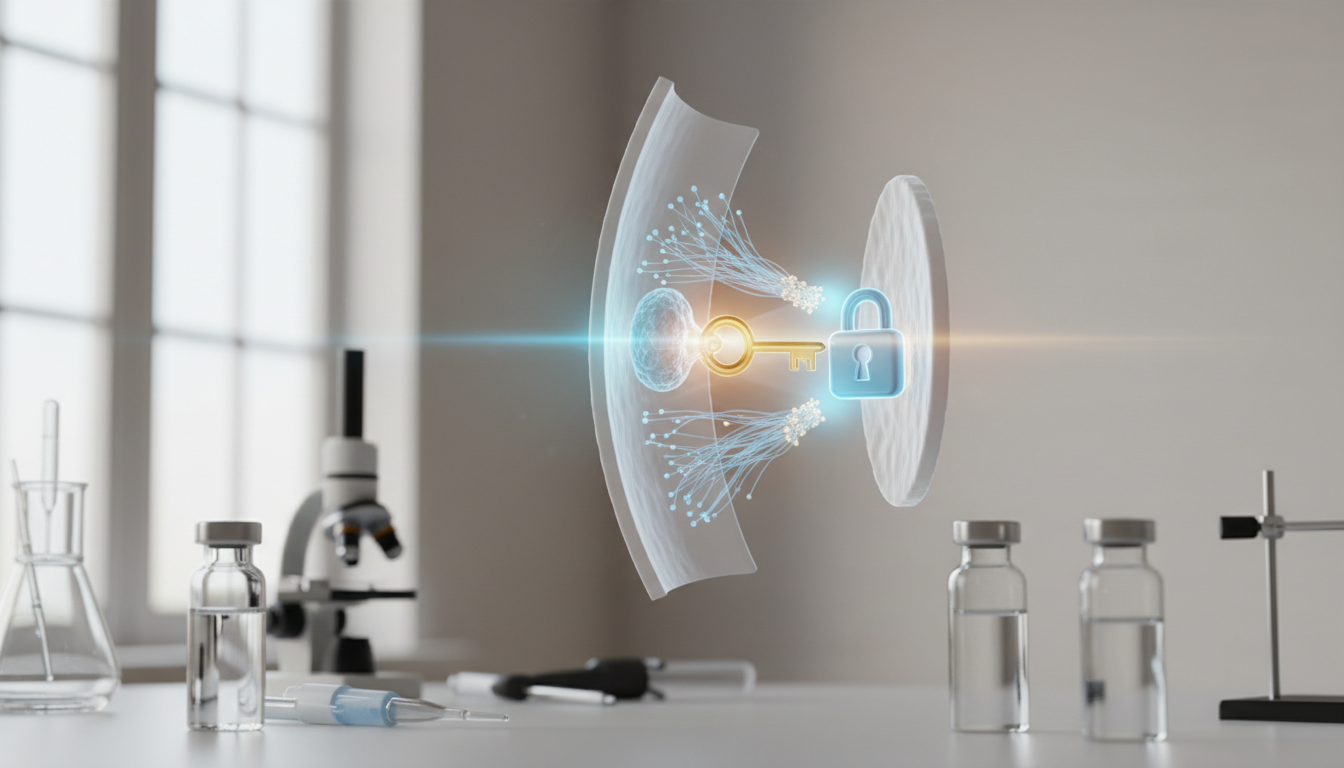
Peptide injection therapy works by using peptides as signaling molecules. When introduced into the body, a peptide travels to its target cell and binds to a specific receptor on the cell's surface, much like a key fitting into a lock. This binding action triggers a cascade of downstream effects, telling the cell to turn a function on or off.
The mechanism is highly specific. Different peptides have unique amino acid sequences that allow them to bind only to certain types of receptors. This precision is what makes peptide therapy so promising. Instead of a sledgehammer approach, it’s more like a surgical strike.
We can group peptides by their primary mechanism:
- Weight Management & Metabolic Peptides: GLP-1 receptor agonists like semaglutide and tirzepatide are prime examples. They mimic natural gut hormones that signal fullness to the brain, slow stomach emptying, and improve insulin sensitivity. This multi-pronged action leads to reduced appetite and significant weight loss. You can learn more about how they work in our guide to GLP-1 medications.
- Growth Hormone Secretagogues (GHS): This class includes peptides like Ipamorelin, Sermorelin, and CJC-1295. They don't replace your natural growth hormone. Instead, they stimulate your pituitary gland to produce and release more of its own HGH. This can support muscle growth, fat loss, improved sleep, and skin quality without the risks associated with direct HGH injections.
- Tissue Repair & Healing Peptides: Peptides like BPC-157 and TB-500 are known for their regenerative properties. BPC-157, for instance, is believed to promote angiogenesis, the formation of new blood vessels. This process accelerates the healing of muscles, tendons, ligaments, and even the gut lining. We explore the data behind it in our post on BPC-157 research.
- Immune & Antimicrobial Peptides: Some peptides, like TCP-25, have direct anti-inflammatory and antimicrobial properties. A recent study showed it was safe and helped reduce wound size in patients with a rare skin disorder (Orphanet Journal of Rare Diseases). Others, like the investigational peptide IMCY-0098, aim to modulate the immune system to treat autoimmune conditions like Type 1 Diabetes (BMC Medicine).
The administration is almost always via subcutaneous injection, a small shot into the fatty tissue under the skin. This method bypasses the digestive system, where peptides would be broken down and rendered useless. Our guide on where to inject peptides provides more detail on this simple process.
Feeling overwhelmed by the options? The world of peptides is vast. If you're not sure where to start, our quick quiz can help you understand which treatments might align with your health goals. Take our free quiz to get matched with a provider.
Evidence-Based Benefits of Peptide Therapy
The excitement around peptide therapy isn't just hype. It's driven by a growing body of clinical evidence showing real, measurable results across several areas of health.
Weight Management and Metabolic Health
This is arguably the area where peptide therapy has made the biggest impact. GLP-1 and dual GIP/GLP-1 agonists have produced results previously only seen with bariatric surgery.
- Tirzepatide: The SURMOUNT-1 clinical trial found that participants taking the highest dose of tirzepatide lost an average of 22.5% of their body weight over 72 weeks (Peptide Publicus).
- Retatrutide: This investigational "triple-agonist" peptide is showing even more impressive results. Phase II studies reported an average weight loss of 24.2% (Peptide Publicus), and newly released Phase III TRIUMPH-4 trial data showed an average body weight reduction of 28.7% over 68 weeks (dnlabresearch.com).
These peptides are making it possible for individuals to achieve life-changing weight loss and improve related conditions like high blood pressure and insulin resistance. If you're considering this path, comparing semaglutide vs. tirzepatide is a great place to start.
Tissue Repair and Recovery
For athletes and anyone dealing with nagging injuries, healing peptides offer a compelling alternative to just "resting and waiting."
- BPC-157: This peptide has gained significant attention for its ability to speed up the healing of various tissues. Its potential is so recognized that in 2026, it received FDA breakthrough therapy designation for its use in inflammatory bowel disease (FormBlends). You can compare it to its common partner, TB-500, in our BPC-157 vs. TB-500 guide.
- TB-500: While its regulatory status has been in flux, TB-500 continues to be studied for its powerful healing capabilities. In 2026, it advanced to Phase III clinical trials for cardiac repair following a heart attack (FormBlends), highlighting its potential in critical medical situations.
- TCP-25: A 2025 study on this novel peptide for dystrophic epidermolysis bullosa (a rare genetic skin blistering disorder) observed a median reduction of 76% in open wound size after just 29 days of treatment (Orphanet Journal of Rare Diseases).
Anti-Aging and Vitality
While no treatment can stop time, certain peptides can help mitigate the effects of aging by optimizing hormone levels and cellular function.
- Growth Hormone Secretagogues: Peptides like Sermorelin and the popular combination of CJC-1295 and Ipamorelin work by encouraging the pituitary gland to produce more growth hormone. This can lead to increased lean muscle mass, decreased body fat, improved skin elasticity, deeper sleep, and better energy levels. Our guide to CJC-1295 and Ipamorelin explains how this combination works.
- GHK-Cu: This copper peptide is a key ingredient in many high-end skincare products but is also used as an injectable. It is known for its ability to promote collagen and elastin production, reduce inflammation, and act as an antioxidant. It's one of the best injectable peptides for skin tightening.
- Antioxidant Peptides: Some peptides also function as powerful antioxidants, protecting your cells from oxidative stress, a key driver of aging. For a deeper look, check out our pillar post on why scientists are excited about antioxidant peptides.
Are Peptide Injections Dangerous? Risks and Side Effects
This is one of the most common questions people have, and the answer depends entirely on two factors: the source of the peptide and medical supervision.
When prescribed by a licensed physician and sourced from a reputable compounding pharmacy, peptide injection therapy generally has a very favorable safety profile. In a 2026 report monitoring over 95,000 patients, the rate of serious adverse events was less than 0.8% (FormBlends).
However, side effects can occur. They are usually mild and often specific to the type of peptide being used.
- General Side Effects: The most common issue is injection site reaction, which can include redness, itching, or soreness at the injection spot. This is usually temporary.
- GLP-1 Side Effects: Peptides like semaglutide and tirzepatide are well-known for causing gastrointestinal issues, especially when starting or increasing a dose. These can include nausea, vomiting, diarrhea, and constipation. These side effects often decrease over time as the body adjusts.
- HGH Peptide Therapy Side Effects: Growth hormone secretagogues can sometimes cause water retention, numbness or tingling in the hands and feet (similar to carpal tunnel syndrome), and increased tiredness. These are typically dose-dependent and can be managed by adjusting the dosage with your doctor.
The real danger comes from unregulated sources. Peptides sold online for "research purposes only" are not made in FDA-regulated facilities. They can be under-dosed, over-dosed, contaminated with harmful substances, or not contain the peptide at all. Using these products is a major gamble with your health. The only safe way to use peptide therapy is under a doctor's care with a prescription filled by a state-licensed pharmacy.
How to Get Started with Peptide Injection Therapy
Beginning peptide injection therapy is a straightforward process when done correctly through medical channels. It involves a consultation with a provider who is knowledgeable about these treatments.
- Find a Qualified Provider: The first step is to find a doctor or clinic specializing in hormone optimization and peptide therapy. Many clinics now offer telehealth consultations, making access easier than ever. You can use our directory to find peptide clinics near you or explore online telehealth providers.
- Initial Consultation and Bloodwork: Your provider will conduct a thorough health assessment, discuss your goals, and review your medical history. They will almost always order a comprehensive blood panel to check hormone levels, metabolic markers, and overall health. This data provides a baseline and helps determine if you are a good candidate.
- Receive a Personalized Plan: Based on your goals and lab results, your provider will create a treatment plan. This includes which peptide(s) to use, the dosage, the frequency of injections, and the duration of the cycle.
- Get Your Prescription: Your doctor will send the prescription to a licensed U.S. compounding pharmacy or a standard pharmacy for commercial drugs like Wegovy or Zepbound.
- Learn Administration: Your clinic or pharmacy will provide detailed instructions on how to properly reconstitute (if needed) and inject the peptide. Most are simple subcutaneous injections that you can easily do at home.
It's crucial to find a reliable and legitimate clinic. Our guide on how to find a legitimate peptide clinic can help you spot red flags.
Finding the right provider is the most important step. If you're ready to see what options are available, take our free 3-minute quiz to get matched with a vetted clinic in your area. Get started with our free quiz.
Legal Status and FDA Approval in 2026
The legal and regulatory environment for peptides is dynamic, and 2026 has been a pivotal year. Understanding the difference between FDA-approved drugs and legally compounded peptides is key.
FDA-Approved Peptides: These are peptides that have gone through the full, rigorous FDA drug approval process. Examples include semaglutide (Ozempic, Wegovy) and tirzepatide (Mounjaro, Zepbound). These drugs are commercially manufactured and available at standard pharmacies with a prescription. They are also expensive, often costing between $1,000 and $1,350 per month without insurance (Peptide Publicus).
Compounded Peptides and the 2026 Reclassification: Many peptides, like BPC-157 and CJC-1295, are not new drugs seeking approval. They are used in personalized medicine and prepared by special compounding pharmacies. In 2023, the FDA restricted a number of these peptides, making them difficult to access legally.
However, a major shift occurred in early 2026. On February 27, HHS Secretary Robert F. Kennedy Jr. announced that the FDA had agreed to re-evaluate 14 of the previously restricted peptides for a return to the Category 1 compounding list (Peptide Publicus, Peptides.today). This list includes popular peptides like BPC-157, CJC-1295, and Ipamorelin.
Returning to Category 1 means that licensed compounding pharmacies can legally prepare these peptides for individual patients who have a prescription from a doctor. This move restores access and provides a safer alternative to the unregulated market. It also makes these treatments far more affordable, with compounded versions typically ranging from $80 to $400 per month (Peptide Publicus).
As of late March 2026, the official publication of this reclassification was still pending, creating some uncertainty in the provider community (PeptideMark). There is also some conflicting information regarding the status of TB-500, with some sources suggesting it will be reclassified and others believing it will remain restricted due to safety concerns (PeptideMark, Peptides.today). For a complete breakdown, read our detailed post: Is Peptide Therapy FDA-Approved?.
Ready to explore how peptide injection therapy could fit into your health plan? Take our free quiz to connect with a licensed provider and get a personalized consultation.
FAQs
How much does peptide injection therapy cost?
The cost varies widely. FDA-approved brand-name peptides like Wegovy or Zepbound can cost $1,000–$1,350 per month without insurance. Peptides prepared by compounding pharmacies, such as BPC-157 or Ipamorelin, are much more affordable, typically ranging from $80 to $400 per month depending on the specific peptide and dosage. The overall monthly cost for a peptide protocol can range from $150 to $2,000 (Pure Peptide Clinic).
Are peptide injections dangerous?
When prescribed by a doctor and sourced from a licensed pharmacy, peptide injections have a strong safety record with low rates of serious side effects. The primary danger comes from using unregulated products purchased online, which may be contaminated or improperly dosed. Always work with a qualified medical professional.
What are the most common HGH peptide therapy side effects?
Side effects from growth hormone-releasing peptides (like Sermorelin or CJC-1295/Ipamorelin) are usually mild and dose-related. The most common are water retention (edema), joint aches, and tingling or numbness in the hands and feet. These can often be resolved by adjusting the dose with your doctor.
How long does it take for peptide therapy to work?
This depends on the peptide and the goal. Weight loss peptides like semaglutide can begin to reduce appetite within the first few weeks. Healing peptides like BPC-157 may show noticeable improvement in an injury in several weeks to a few months. Anti-aging benefits from growth hormone secretagogues are often more gradual, appearing over three to six months.
Can I get peptides without a prescription?
No. Any legitimate peptide intended for human use requires a prescription from a licensed medical provider. Products sold online without a prescription are labeled "for research purposes only" and are not safe for human consumption, as they are produced in unregulated facilities with no quality control.
Is peptide therapy the same as hormone replacement therapy (HRT)?
No, they are different but related. Hormone Replacement Therapy (HRT), like Testosterone Replacement Therapy (TRT), involves directly administering a hormone (e.g., testosterone) to bring levels into a healthy range. Peptide therapy, specifically with secretagogues, uses peptides to signal your own body to produce and release more of its natural hormones.
Contributing to evidence-based peptide education and provider transparency.
Too many clinics, not enough clarity?
We don't sell peptides. Tell us your goals and we'll connect you with a vetted provider who can figure out what actually makes sense for you.
See what's right for youRelated articles
How Protein and Muscle Growth Actually Work
It's not just about eating more. Understand the real science of protein and muscle growth to learn how much you need and the best timing to see results.
Peptide ScienceWhat are the best peptides for muscle growth and fat loss?
Exploring peptides for muscle growth and fat loss? Discover the most effective options for body recomposition, how they actually work, and what to expect.
Peptide ScienceThe Key L-Lysine Benefits for Skin, Immunity & Stress
Discover the science-backed l-lysine benefits. Our guide covers how this essential amino acid may boost collagen, fight viruses, and aid calcium absorption.