The Real HGH Side Effects Male Users Don't Expect
Before using HGH, understand the full picture. We detail the hgh side effects male users risk, from carpal tunnel to long-term organ growth.
This content is for informational purposes only and does not constitute medical advice. Always consult with a qualified healthcare professional before starting or changing any medical treatment.
Human Growth Hormone (HGH) is a hot topic, especially for men looking to build muscle, lose fat, and combat the effects of aging. But with its powerful benefits come significant risks. Understanding the full picture of hgh side effects male users may face is the most critical step you can take. Ignoring these risks, particularly when using HGH without medical supervision for bodybuilding or anti-aging, can lead to serious health problems.
While prescription HGH is a legitimate medical treatment for diagnosed growth hormone deficiency (GHD), its off-label use is common and controversial (Healthline). Many of the severe hgh side effects male users report are linked to high doses popular in bodybuilding circles. It's essential to distinguish between FDA-approved HGH therapy, which involves a doctor's care, and the risky world of black market or unapproved use.
This guide breaks down the science-backed side effects of HGH as of 2026, so you can have an informed conversation with your healthcare provider.
Common HGH Side Effects for Males (and Females)
Many of the most common HGH side effects are related to fluid retention and are often dose-dependent. This means they are more likely to occur and can be more severe at higher doses. While our focus is on men, many of these initial side effects are similar for female users. As reported in multiple clinical studies, these effects are often mild and can be managed by adjusting the dosage under a doctor's care.
For instance, a decade-long review of the HGH brand Humatrope found that most adverse events like headaches and muscle pain were mild and often resolved on their own (Testosterone.me). Similarly, studies on Genotropin showed common side effects were typically transient (hghinjection.com).
Here is a breakdown of the most frequently reported side effects:
| Side Effect | Typical Frequency | Description |
|---|---|---|
| Swelling (Edema) | Common | Fluid retention causing puffiness, especially in the hands and feet. One study noted mild edema in 12% of users vs. 8% on placebo (hghinjection.com). |
| Joint Pain (Arthralgia) | Common | Aching or stiffness in the joints, often related to fluid retention. |
| Muscle Pain (Myalgia) | Common | General muscle soreness or aches not related to exercise. |
| Carpal Tunnel Syndrome | Common | Numbness, tingling, or weakness in the hands and wrist caused by pressure on the median nerve, often due to swelling. |
| Injection Site Reactions | Common | Redness, pain, itching, or swelling at the spot of the injection. |
| Headaches | Common | Mild to moderate headaches can occur as the body adjusts to the hormone. |
| Increased Cholesterol | Varies | HGH can sometimes lead to an increase in cholesterol levels, requiring monitoring. |
These common effects are not just annoyances. They are signals from your body. The swelling and joint pain are directly tied to HGH’s effect on sodium and water retention. While often manageable, they highlight the hormone's powerful systemic effects.
Thinking about the risks versus the rewards can be complex. A qualified provider can help you weigh your options and determine if HGH therapy, or a potentially safer alternative like HGH peptide therapy, is right for you. Not sure where to start?
Take our free quiz to get matched with a provider who can guide you.
Serious HGH Side Effects Male Bodybuilders Should Know
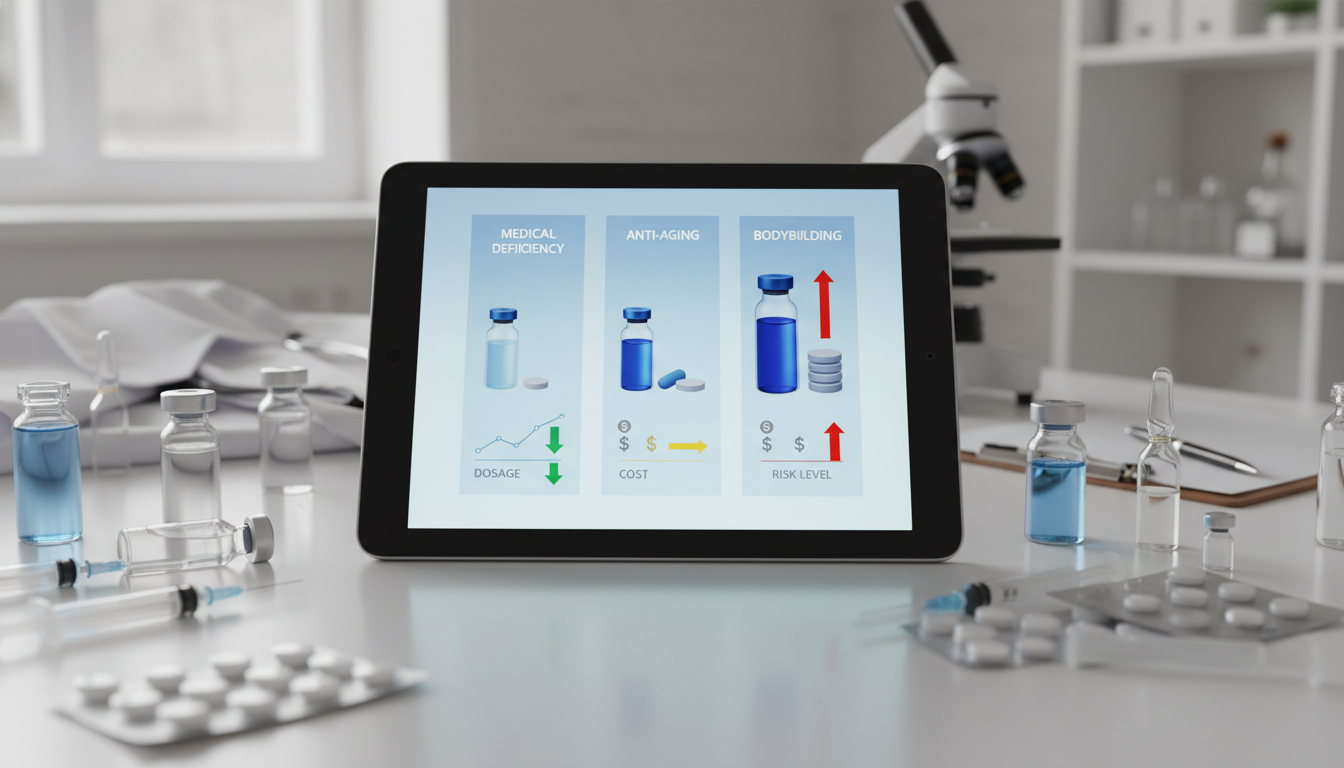
While common side effects are often manageable, the serious risks associated with HGH are a major concern, especially with the high doses used for bodybuilding. The "anti-aging" dose might be 1-1.5 IU per day, but bodybuilders have been known to use 8-12+ IU per day, dramatically increasing the risk profile (Scenario.press). The side effects of HGH bodybuilding use are not just more frequent, they are in a different category of severity.
Here are the most significant hgh side effects male users must be aware of:
1. Increased Risk of Type 2 Diabetes: HGH can interfere with how your body uses insulin, a condition known as insulin resistance. Over time, this forces your pancreas to work harder to control blood sugar. Chronic high-dose use can lead to elevated fasting blood sugar and eventually Type 2 diabetes (Scenario.press, Testosterone.me).
2. Acromegaly (Abnormal Growth): This is perhaps the most well-known serious side effect. HGH doesn't just grow muscles, it can grow bones and connective tissues. In adults whose growth plates have closed, this leads to irreversible enlargement of the hands, feet, jaw, and forehead. It can also cause internal organs to grow, including the heart (Healthline).
3. Cardiovascular Problems: A larger heart (cardiomegaly) is not a stronger heart. HGH-induced heart enlargement can lead to cardiac dysfunction, high blood pressure, and an increased risk of heart disease. A 2025 review of over 90 studies confirmed that cardiovascular issues are a significant adverse event associated with HGH use (Springer Nature).
4. Increased Cancer Risk: This is a highly controversial and studied area. The concern is that because HGH stimulates cell growth, it could potentially accelerate the growth of existing cancerous tumors. Several sources note a possible increased risk for certain cancers, like prostate and colorectal cancer, with long-term use (Testosterone.me, hghinjection.com). The FDA has explicitly warned that unapproved HGH use carries an increased cancer risk (accessdata.fda.gov).
5. Gynecomastia: This is the development of breast tissue in men. While more commonly associated with anabolic steroids, high levels of HGH can disrupt the body's hormonal balance and contribute to this condition (Healthline).
These serious peptide bodybuilding side effects are why using HGH without a prescription and medical supervision is so dangerous. The DEA warns that illicit HGH is often distributed through online pharmacies and anti-aging clinics, with users risking both legal trouble and their long-term health (deaecom.gov).
Who Should Not Take HGH?
HGH is not safe for everyone. A doctor will not prescribe it if you have certain medical conditions, as the risks far outweigh any potential benefits. You should not take HGH therapy if you have:
- Active Cancer: Since HGH stimulates cell growth, it is strictly contraindicated for anyone with a known active malignancy. It could make the cancer grow faster (Healthline).
- Critical Illness: Patients who have complications from open-heart surgery, abdominal surgery, multiple accidental trauma, or acute respiratory failure should not be given HGH.
- Certain Prader-Willi Syndrome (PWS) Conditions: HGH is used to treat PWS, but it should not be given to PWS patients who are severely obese or have severe breathing problems, as it has been associated with sudden death in this subgroup (Drugs.com).
- Diabetic Retinopathy: If you have certain types of eye problems caused by diabetes, HGH can make them worse.
Discussing your full medical history with your provider is essential. This is the only way to ensure you are a safe candidate for any hormone therapy.
Known Drug Interactions with HGH
HGH is a powerful hormone that can interact with other medications you may be taking. These interactions can either reduce the effectiveness of HGH or your other medications, or increase the risk of side effects. It is crucial to tell your doctor about every medication and supplement you use.
Here are some of the most important drug interactions to be aware of:
- Corticosteroids: Glucocorticoids like prednisone can inhibit the growth-promoting effects of somatropin (the generic name for HGH). If you take steroids for a condition like asthma or arthritis, your doctor will need to carefully manage your HGH protocol.
- Insulin and Diabetes Medications: HGH can raise blood sugar levels and cause insulin resistance. If you are diabetic, your doctor will need to closely monitor your blood sugar and may need to adjust the dosage of your insulin or other oral diabetes drugs.
- Thyroid Hormones: HGH therapy can sometimes uncover or worsen a condition called central hypothyroidism. Your doctor may need to monitor your thyroid function and possibly start you on thyroid hormone replacement therapy.
- Oral Estrogen: Women taking oral estrogen may require a higher dose of HGH to achieve the same effects, as estrogen can reduce the body’s response to growth hormone.
- Anticonvulsants and Cyclosporine: HGH may affect how the body processes these medications, potentially requiring dose adjustments.
This is not a complete list. To be safe, you can use our free drug interaction checker and discuss the results with your provider before starting treatment.
Wondering how HGH might fit into your current health plan, or if there are safer alternatives given your medications? Our free 3-minute quiz can match you with a provider who can build a plan for your specific needs.
How to Manage HGH Side Effects Male Users Experience
If you are on medically supervised HGH therapy, many of the common side effects can be managed. The key is close collaboration with your healthcare provider. Never try to adjust your dose or manage side effects on your own. Here are some practical strategies your doctor might recommend for these hgh side effects male users face.
For Fluid Retention and Joint Pain: This is the most common issue. The best approach is "start low, go slow." A good provider will begin you on a conservative hgh dosage for beginners and gradually increase it over weeks or months. This allows your body to adapt. Reducing your sodium intake can also help minimize bloating and swelling. Pain is often a sign the dose is too high or was increased too quickly.
For Carpal Tunnel Syndrome: This is also directly related to fluid retention putting pressure on the median nerve in your wrist. The primary solution is to lower the HGH dose. In the meantime, wearing a wrist splint at night can provide significant relief by keeping your wrist in a neutral position.
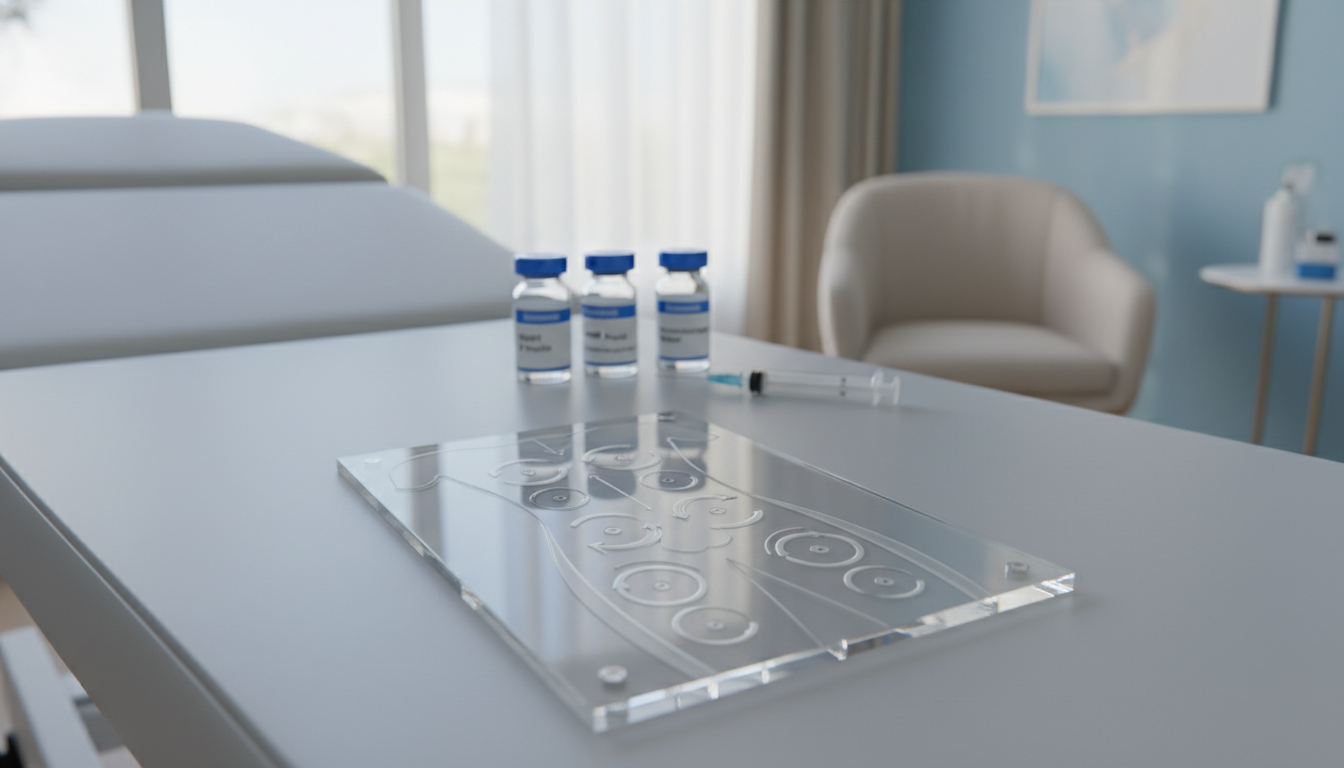
For Injection Site Reactions: Proper technique is key. First, always use a sterile, new needle for every injection. Second, be sure to rotate your hgh injection sites. Common sites include the subcutaneous fat of the abdomen, thighs, buttocks, and deltoids. Avoid injecting into the same spot repeatedly to prevent lipoatrophy (a dent in the fat) or irritation. Using our peptide reconstitution calculator can also ensure you're mixing your medication correctly if it comes in lyophilized form.
For Blood Sugar Changes: This requires proactive monitoring. Your provider should order regular blood tests to check your fasting glucose and HbA1c levels. Adopting a healthy lifestyle is your best defense. This includes a diet low in processed sugars and refined carbohydrates, combined with regular exercise to improve insulin sensitivity. This management is especially important if using HGH for its metabolic benefits, like with a specific hgh dosage for weight loss.
When to See a Doctor
While some side effects are mild and expected, others are red flags that require immediate medical attention. Contact your doctor or seek emergency care if you experience any of the following:
- Severe Headaches with Nausea or Vision Changes: This could be a sign of increased pressure inside your skull (benign intracranial hypertension), a rare but serious side effect (Drugs.com).
- Severe Abdominal Pain: This could indicate pancreatitis (inflammation of the pancreas), another rare but serious complication.
- New Limp or Hip/Knee Pain: This can be a sign of a slipped capital femoral epiphysis, particularly in children, but any new, unexplained joint issues should be evaluated.
- Signs of an Allergic Reaction: This includes hives, swelling of the face, lips, or throat, and difficulty breathing. This is a medical emergency.
- Symptoms of High Blood Sugar: Extreme thirst, frequent urination, unexplained weight loss, or fatigue can be signs that your blood sugar is too high.
Always err on the side of caution. Your provider is your partner in this process, and keeping them informed is the best way to stay safe.
Ready to take the next step and speak with a professional about HGH therapy? Take our free quiz to get matched with a licensed provider who can help you navigate the process safely.
FAQs about HGH Side Effects
Is HGH a steroid or a peptide?
HGH is a peptide hormone, not an anabolic steroid. It is a protein made of 191 amino acids that is naturally produced by your pituitary gland. While both can be used to build muscle, they work in very different ways and have different side effect profiles. You can learn more about what peptides are here.
Do HGH side effects go away?
Many common, dose-dependent side effects like fluid retention, joint pain, and muscle aches often decrease or resolve completely if the HGH dose is lowered or paused under a doctor's supervision. However, some of the more serious long-term side effects, such as the bone changes seen in acromegaly or heart enlargement, may be permanent.
What are the main side effects of HGH for bodybuilding?
Using high doses of HGH for bodybuilding dramatically increases the risk and severity of all side effects. The most prominent side effects of hgh bodybuilding include severe edema (swelling), carpal tunnel syndrome, insulin resistance leading to diabetes, enlargement of the heart (cardiomegaly), and acromegaly-like changes to bone structure in the face, hands, and feet.
Are HGH peptides safer than synthetic HGH?
HGH-releasing peptides, also known as secretagogues like Sermorelin or CJC-1295/Ipamorelin, stimulate your own pituitary gland to produce HGH. This is different from injecting synthetic HGH directly. Peptides are generally considered to have a better safety profile because they work with your body's natural feedback loops, making it harder to achieve the dangerously high HGH levels associated with direct injections. While they have their own potential side effects, the risk of severe issues like acromegaly is thought to be much lower. You can explore the difference in our guide to HGH vs. HGH Peptides.
Contributing to evidence-based peptide education and provider transparency.
Too many clinics, not enough clarity?
We don't sell peptides. Tell us your goals and we'll connect you with a vetted provider who can figure out what actually makes sense for you.
See what's right for youRelated articles
Popular Peptides for Men & What They're Used For
From BPC-157 for healing to CJC-1295 for growth, we explain the most common peptides for men and how they could benefit your health and fitness goals.
Growth HormoneDo Peptide Injections for Muscle Growth Actually Work?
Considering peptide injections for muscle growth? We explain the science, the most popular stacks, and the real risks vs. benefits for building lean mass.
Growth HormoneWhat Does Human Growth Hormone Actually Do for You?
Curious about human growth hormone? We explain how this vital hormone works, its role in metabolism, and why it's so debated for anti-aging and performance.