How to Increase Testosterone for More Energy
If you're asking how to increase testosterone, you're not alone. Find out which foods, exercises, and habits can naturally raise your T-levels for better energy and mood.

This content is for informational purposes only and does not constitute medical advice.
Feeling tired, lacking motivation, and noticing a dip in your drive? You might be wondering about your testosterone levels. Learning how to increase testosterone is a common goal for men looking to reclaim their energy, build muscle, and improve their overall well-being. Testosterone is a key hormone that influences everything from muscle mass and bone density to mood and libido. While levels naturally decline with age, about 1-2% per year after 30, there are proven strategies you can use to support and boost your body’s production. This guide will walk you through both natural methods and medical options, all based on the latest 2026 clinical evidence.
What You'll Need
Optimizing your testosterone requires a commitment to a few key areas of your life. Before you begin, think about what you'll need to succeed.
For a natural approach, you'll need:
- A consistent sleep schedule
- Access to a gym or home workout equipment for resistance training
- A diet focused on whole foods, healthy fats, and lean proteins
- Key supplements like Vitamin D, zinc, and possibly ashwagandha
- A way to manage daily stress
For a medical approach, you'll need:
- A consultation with a qualified medical provider
- Comprehensive blood work to confirm your hormone levels
- A prescription for a treatment like Testosterone Replacement Therapy (TRT)
- A budget for ongoing treatment and follow-up appointments
Before You Start
Before attempting to change your testosterone levels, it’s vital to understand where you currently stand. The first step is always to get tested. You can learn more about this process in our guide on how to test your testosterone levels. Clinically low testosterone, or hypogonadism, is typically defined as having levels below 300-350 ng/dL. This condition is surprisingly common, affecting an estimated 13 million American men, with diagnoses on the rise even in younger men due to modern lifestyle factors (ThriveAxis, 2026).
It's important to distinguish between optimizing levels within a healthy range and treating a clinical deficiency. Natural methods are excellent for men with borderline or suboptimal levels who want to learn how to naturally increase testosterone. Medical treatments like TRT are designed for men with diagnosed hypogonadism. Trying to figure out which path is right for you can be confusing.
Struggling to decide on the best approach for your symptoms and goals? Take our free 3-minute quiz to get matched with a licensed provider who can offer personalized guidance.
A Step-by-Step Guide on How to Increase Testosterone
Follow these evidence-based steps to support your body's natural hormone production or to complement a medical treatment plan.
1. Master Your Sleep Schedule
If you do only one thing to boost your testosterone, make it this. Sleep is the single most important factor for natural testosterone production. Your body produces the majority of its testosterone during deep sleep. A landmark 2011 study published in JAMA found that men who slept only five hours per night had 10-15% lower daytime testosterone levels compared to when they slept a full eight hours (Body Science Review, 2026).
Actionable Tip: Aim for 7-9 hours of quality, uninterrupted sleep every night. Create a routine by going to bed and waking up at the same time, even on weekends. Make your bedroom dark, quiet, and cool. Avoid screens for at least an hour before bed, as the blue light can disrupt your body's melatonin production and sleep cycles.
2. Lift Heavy with Resistance Training
Exercise, particularly resistance training, is a powerful way to increase testosterone. When you challenge your muscles with heavy, compound movements, your body responds by releasing more testosterone. Research shows that a session of resistance training can cause an acute spike in testosterone of 15-40% (Body Science Review, 2026). Over time, consistent training promotes muscle growth, which further supports a healthy hormonal environment.
Actionable Tip: Focus on compound exercises that work multiple large muscle groups at once. Incorporate squats, deadlifts, bench presses, and overhead presses into your routine 3-4 times per week. High-Intensity Interval Training (HIIT) 2-3 times per week has also been shown to be effective (SageMED, 2026). Remember that recovery is just as important, so don't overtrain.
3. Optimize Your Body Composition
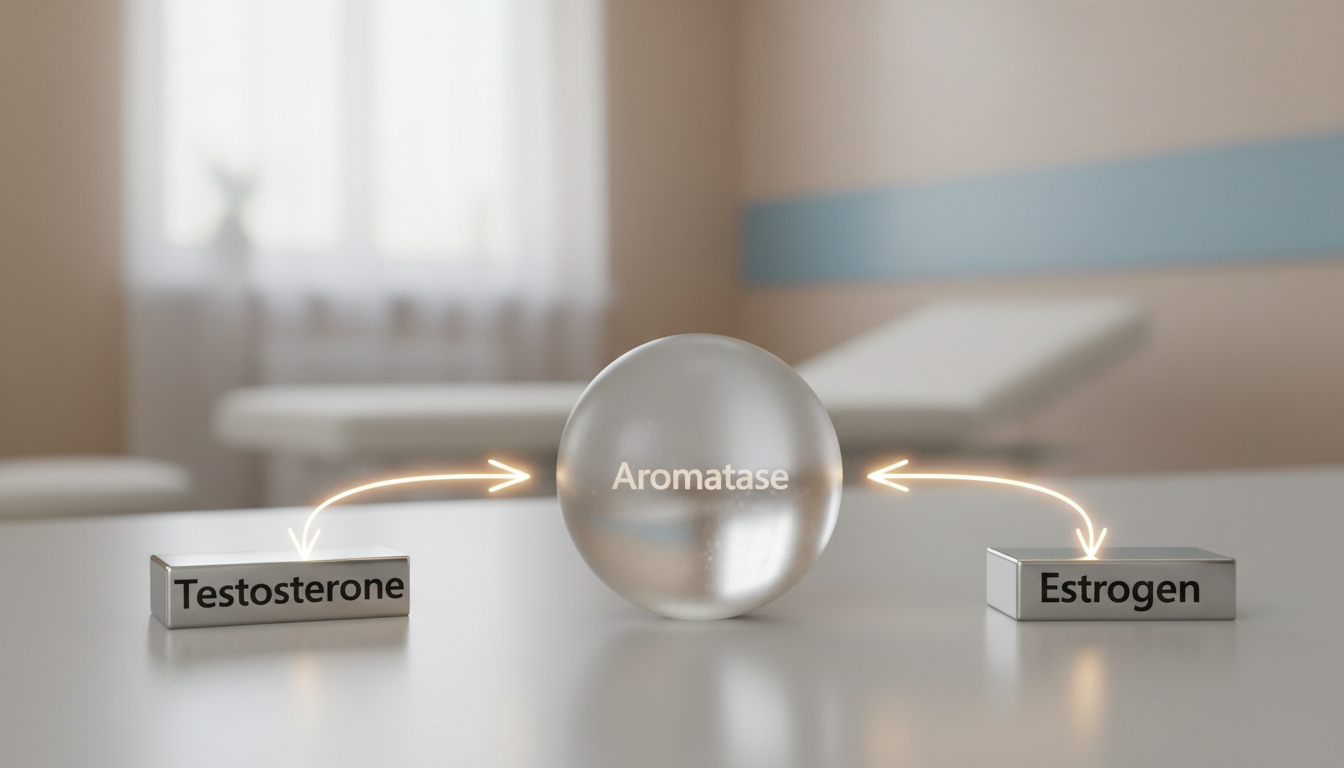
Excess body fat, particularly the visceral fat around your abdomen, is a testosterone killer. Fat cells contain an enzyme called aromatase, which converts your precious testosterone into estrogen. This creates a negative feedback loop where higher body fat leads to lower testosterone, which in turn makes it easier to gain more fat. The good news is that this process is reversible. A 2026 evidence-based guide highlights that a 10% reduction in body weight can lead to a significant 19% increase in testosterone for men who need it (Body Science Review, 2026).
Actionable Tip: Focus on a sustainable diet that puts you in a modest calorie deficit. Prioritize protein to preserve muscle mass, incorporate healthy fats which are the building blocks for hormones, and don't be afraid of complex carbohydrates for energy.
4. Correct Key Nutrient Deficiencies
Your body can't make testosterone without the right raw materials. Two of the most critical micronutrients for testosterone production are Vitamin D and Zinc. Many people are deficient in these, especially Vitamin D.
- Vitamin D: A 2011 study showed that men who were deficient in Vitamin D saw a 25% increase in their testosterone levels after supplementing with 3,332 IU daily for a year (Body Science Review, 2026).
- Zinc: Zinc deficiency is strongly linked to low testosterone. A 1996 study found that zinc-deficient elderly men who supplemented with 25mg of zinc daily for six months nearly doubled their testosterone levels (Body Science Review, 2026). Athletes and those who sweat a lot are also at higher risk for deficiency.
Actionable Tip: Get your Vitamin D levels tested by a doctor. If you are deficient, supplement with Vitamin D3 as recommended. For zinc, you can supplement with 25-30mg of zinc picolinate or gluconate daily, but be sure not to exceed the upper limit as too much zinc can be harmful.
5. Manage Your Stress Levels
Chronic stress is a major enemy of healthy testosterone. When you're stressed, your body produces a hormone called cortisol. Cortisol and testosterone have an inverse relationship; when one is high, the other tends to be low. This is a survival mechanism, but in our modern world of constant low-grade stress, it can wreck your hormonal health. One effective way to manage this is with adaptogenic herbs. Ashwagandha, in particular, has been shown to reduce cortisol and increase testosterone by 15-20% in some studies (HealthcareV, 2026).
Actionable Tip: Incorporate stress-reduction practices into your daily life. This could be meditation, deep breathing exercises, walking in nature, or spending time on a hobby. To support this effort, consider supplementing with 300-600mg of a high-quality Ashwagandha extract like KSM-66 daily.
6. Consider Evidence-Based Supplements
Beyond the foundational nutrients, a few herbal supplements have shown promise in clinical studies for their ability to boost testosterone. A 2026 review on the topic identified a few key players that may help men with suboptimal levels (250-400 ng/dL) see improvements.
- Fenugreek (500-600mg): May work by inhibiting the conversion of testosterone to estrogen.
- Tongkat Ali (200-400mg): Believed to help release testosterone from Sex Hormone-Binding Globulin (SHBG), making more "free" testosterone available for your body to use. One study showed it helped 90% of men with low T normalize their levels in just one month (SageMED, 2026).
However, it's crucial to know that many popular "T-booster" supplements like Tribulus Terrestris and D-Aspartic Acid have been shown to be largely ineffective in healthy men (Body Science Review, 2026). These natural options can provide a 15-40% increase in some individuals, but they are not a replacement for a solid foundation of diet, exercise, and sleep.
7. Explore Medical Options Like TRT
If you have completed bloodwork and been diagnosed with clinical hypogonadism (testosterone below 300 ng/dL), natural methods alone may not be enough. In this case, the most effective medical treatment is Testosterone Replacement Therapy (TRT). You can learn more in our detailed guide, "What is TRT?". TRT involves supplementing your body's natural production with external testosterone to bring your levels into an optimal range, which can lead to a 50-100% increase in levels within about six weeks (HealthcareV, 2026).
This treatment requires a prescription and ongoing medical supervision. Wondering how much testosterone replacement therapy cost? The price can vary. Injections are often the most affordable, costing between $50 and $150 per month, while pellets can cost up to $800 per month. The monthly cost of TRT often depends on the method, dosage, and insurance coverage.
Knowing if TRT is the right move can be a big decision. Want to explore your TRT options and see what might fit your budget? Our free quiz takes 3 minutes and matches you with vetted providers who can discuss costs and treatment plans.

Common Mistakes When Trying to Increase Testosterone
Many men make simple errors that sabotage their efforts. Avoid these common pitfalls to get the best results.
- Relying Only on Supplements: You cannot out-supplement a poor diet, lack of sleep, or a sedentary lifestyle. Supplements should be the final piece of the puzzle, not the foundation. Lifestyle factors are far more powerful (HealthcareV, 2026).
- Overtraining and Under-recovering: More is not always better. Pushing yourself too hard in the gym without enough rest and nutrition can backfire, raising cortisol and lowering testosterone. Listen to your body and prioritize recovery.
- Ignoring Alcohol's Impact: Chronic or heavy alcohol consumption is toxic to the Leydig cells in the testes, which are responsible for producing testosterone. While an occasional drink is unlikely to cause issues, regular heavy drinking can significantly lower your T levels.
- Not Getting Tested First: Don't guess, test. Starting a protocol without knowing your baseline numbers makes it impossible to track progress or know if what you're doing is working. You might also be overlooking an underlying medical issue causing your low T.
- Following "Bro Science" Protocols: Be wary of advice from unverified sources, especially regarding dosages for TRT or other performance-related substances. TRT dosing is highly individualized and should only be determined by a qualified doctor who will monitor your bloodwork for safety and efficacy (ThriveAxis, 2026).
When to Contact Your Doctor
While the lifestyle steps above are safe for most people, it's crucial to involve a medical professional, especially if you suspect you have clinically low testosterone. Contact your doctor if you experience persistent symptoms like:
- Chronic fatigue and low energy
- Decreased libido or erectile dysfunction
- Loss of muscle mass and increased body fat
- Depressed mood or "brain fog"
- Difficulty concentrating
A doctor can order the necessary blood tests to get a definitive diagnosis. They can also rule out other underlying conditions that might be causing your symptoms. If you are a candidate for TRT, a provider will discuss the risks and benefits, as medical supervision is required due to potential side effects like reduced fertility and changes in red blood cell count (HealthcareV, 2026). You can find online doctors that prescribe testosterone in the US through telehealth platforms, but always ensure they are licensed and follow proper medical guidelines.
Ready to take the next step and speak with a professional? Take our free 3-minute quiz to get matched with a licensed provider in your area who can help you understand your options.
FAQs
How can I test my testosterone levels at home?
You can test your testosterone levels through at-home blood tests or by visiting a lab. A blood test is the only accurate way to measure your levels. It’s best to get tested in the morning when testosterone is at its peak. For a complete picture, a doctor will likely test for total testosterone, free testosterone, and other related hormones like LH and SHBG. Learn more at our guide on how to test your testosterone levels.
How long does it take to increase testosterone naturally?
With consistent effort, you can see changes from natural methods within 8-12 weeks. Improvements in sleep can yield results faster, sometimes within a week. For supplements like Ashwagandha or Tongkat Ali, studies show results typically appear after 8-12 weeks of consistent use (HealthcareV, 2026).
What are the first signs of low testosterone?
The earliest and most common signs of low testosterone are often subtle. They can include persistent fatigue despite getting enough sleep, a noticeable drop in your sex drive (libido), difficulty concentrating, and a general lack of motivation or "drive."
How much does testosterone replacement therapy cost?
The cost of TRT varies widely depending on the method. Testosterone injections are often the most affordable, ranging from $50 to $150 per month without insurance. Gels can be more expensive, and testosterone pellets, which are implanted every few months, can cost up to $800 per session. Insurance may cover some of these costs if you have a clinical diagnosis of hypogonadism.
Contributing to evidence-based peptide education and provider transparency.
Too many clinics, not enough clarity?
We don't sell peptides. Tell us your goals and we'll connect you with a vetted provider who can figure out what actually makes sense for you.
See what's right for youRelated articles
Which Protein Supplements for Muscle Growth Actually Work?
Tired of the hype? Find out which protein supplements for muscle growth are backed by science and learn how to pick the right one for your goals.
Hormone TherapyWhat Are the Real Magnesium Glycinate Benefits?
Uncover the science-backed magnesium glycinate benefits. We explore its effects on sleep, stress, and muscle function and explain why it's a top choice.
Hormone TherapyWhat B12 Shot Benefits Can You Actually Expect?
B12 shots are often hyped for energy, but the real b12 shot benefits are more specific. Learn who is a true candidate and what results to expect.