The Mounjaro Drug Side Effects You Should Know
From nausea to serious pancreatitis, we detail the Mounjaro drug side effects you should discuss with your doctor. Learn the short and long-term risks.
This content is for informational purposes only and does not constitute medical advice. Always consult with a qualified healthcare professional for any health concerns or before making any decisions related to your health or treatment.
Mounjaro (tirzepatide) has become a popular treatment for type 2 diabetes, often used for significant weight loss. As a dual GIP and GLP-1 receptor agonist, it works powerfully to control blood sugar and reduce appetite. But with great results can come questions about safety. Understanding the full spectrum of mounjaro drug side effects is crucial before starting treatment. Many people experience common, manageable issues, while others need to be aware of less frequent but more serious risks.
This guide breaks down what you can expect, from the mounjaro side effects first day to long-term considerations. We'll cover frequency data from clinical trials, practical management tips, and the red flags that mean you should call your doctor.
Common Mounjaro Drug Side Effects
The most frequently reported side effects with Mounjaro are gastrointestinal. They happen because the medication slows down how quickly your stomach empties, which helps you feel full longer but can also cause discomfort.
These effects are dose-dependent, meaning they are more likely to occur and can be more intense when you start the medication or increase your dose, such as moving to 10mg Mounjaro side effects from a lower dose. According to clinical trial data published by the manufacturer, Eli Lilly, the good news is that for most people, these symptoms are temporary and decrease over time as their bodies adjust (Medical.lilly.com).
Here is a breakdown of the most common side effects and how often they occurred in clinical trials for type 2 diabetes patients:
| Side Effect | 5 mg Dose | 10 mg Dose | 15 mg Dose |
|---|---|---|---|
| Nausea | 12% | 15% | 18% |
| Diarrhea | 12% | 14% | 17% |
| Decreased Appetite | 5% | 8% | 11% |
| Vomiting | 5% | 5% | 9% |
| Constipation | 6% | 6% | 7% |
| Dyspepsia (Indigestion) | 7% | 7% | 8% |
| Abdominal Pain | 6% | 5% | 6% |
(Source: DailyMed - MOUNJARO)
It's helpful to know that trials for Zepbound, which is the same medication (tirzepatide) but branded for chronic weight management, showed slightly higher rates of these GI issues. For example, nausea was reported by up to 29% of Zepbound users (WPG, 2026). This suggests that individuals using tirzepatide primarily for weight loss might experience these effects more frequently.
Bloating is another common complaint, caused by the same delayed stomach emptying that leads to nausea (London Slimming Clinic). Most people find that these issues, while unpleasant, are manageable and fade within a few weeks of each dose increase. For a detailed timeline, you can review our guide on how long Mounjaro side effects last.
Navigating these potential side effects can feel overwhelming. If you want to understand if Mounjaro or another GLP-1 medication is the right fit for your body and goals, professional guidance is key. Take our free 3-minute quiz to get matched with a licensed provider who can create a plan for you.

Serious and Uncommon Side Effects of Mounjaro
While most side effects are mild and temporary, Mounjaro carries warnings for several serious conditions. Being aware of these uncommon side effects of Mounjaro can help you seek medical care promptly if they occur.
Boxed Warning: Risk of Thyroid C-Cell Tumors The FDA requires Mounjaro to have a "boxed warning," its most serious type. This is because, in rat studies, tirzepatide caused thyroid C-cell tumors. It is not known if Mounjaro causes these tumors, including a type of thyroid cancer called medullary thyroid carcinoma (MTC), in humans (DailyMed - MOUNJARO). Due to this risk, you should not use Mounjaro if you or any of your family have ever had MTC or an endocrine system condition called Multiple Endocrine Neoplasia syndrome type 2 (MEN 2).
Pancreatitis (Inflamed Pancreas) Acute pancreatitis has been reported in patients taking Mounjaro. In clinical trials, it occurred at a rate of 0.23 patients per 100 years of exposure, compared to 0.11 in patients taking other medications (FDA Prescribing Information, 2022). Stop taking Mounjaro and call your healthcare provider right away if you have severe pain in your stomach area that will not go away, with or without vomiting. You may feel the pain from your abdomen to your back.
Severe Gastrointestinal Reactions While mild GI issues are common, severe problems can also happen. The FDA updated Mounjaro's label in November 2024 to include a warning about severe GI adverse reactions (FDA Supplement Approval, 2024). If you experience uncontrollable vomiting, severe diarrhea, or other debilitating GI symptoms, contact your doctor.
Other Serious Risks Include:
- Gallbladder Problems: Gallstones or inflammation of the gallbladder have occurred. Symptoms include pain in your upper stomach, fever, and yellowing of the skin or eyes (jaundice).
- Acute Kidney Injury: Severe vomiting and diarrhea can lead to dehydration, which may cause or worsen kidney problems.
- Hypoglycemia (Low Blood Sugar): Your risk of getting low blood sugar is higher if you use Mounjaro with another medicine that can cause it, such as a sulfonylurea or insulin.
- Serious Allergic Reactions: Stop using Mounjaro and get medical help right away if you have symptoms of a serious allergic reaction, including swelling of your face, lips, tongue, or throat, problems breathing or swallowing, a severe rash, or Mounjaro side effects itching all over your body.
- Changes in Vision: Let your doctor know if you experience changes in your vision, which can sometimes happen in people with type 2 diabetes.
- Heart-Related Effects: While GLP-1 medications are often studied for cardiovascular benefits, any new symptoms like a racing heartbeat, shortness of breath, or chest pain should be discussed with your provider. There are currently no major Mounjaro side effects heart listed as common adverse reactions, but monitoring is always wise.
Who Should Not Take Mounjaro?
Mounjaro is not safe or appropriate for everyone. Your doctor will review your medical history to ensure it's a suitable option for you.
You should not take Mounjaro if:
- You have a personal or family history of medullary thyroid carcinoma (MTC).
- You have an endocrine system condition called Multiple Endocrine Neoplasia syndrome type 2 (MEN 2).
- You have had a serious allergic reaction to tirzepatide or any of the other ingredients in Mounjaro.
Use Mounjaro with caution and discuss the risks with your doctor if you:
- Have or have had problems with your pancreas or kidneys.
- Have a history of diabetic retinopathy.
- Have severe stomach problems, such as gastroparesis (slowed stomach emptying).
- Are pregnant, breastfeeding, or planning to become pregnant. It is not known if Mounjaro can harm an unborn baby.
Feeling unsure about your eligibility or which weight loss treatment aligns with your health profile? It can be complicated to sort through the options alone. Our free quiz can match you with a provider who specializes in these treatments and can offer guidance based on your specific situation.
Drug Interactions
Mounjaro slows down digestion, which can affect how your body absorbs other medicines you take by mouth. The FDA has specifically highlighted this risk for oral birth control pills.
According to the prescribing information updated in July 2023, for patients using oral contraceptives, it is recommended to switch to a non-oral contraceptive method or add a barrier method of contraception (like condoms) for 4 weeks after starting Mounjaro and for 4 weeks after each dose increase (FDA Prescribing Information, 2023).
This effect could potentially reduce the effectiveness of any oral medication, so it's vital to discuss all the medicines you take, including over-the-counter drugs and supplements, with your doctor.
The other major interaction is with medications that also lower blood sugar, like insulin or sulfonylureas. Combining them with Mounjaro significantly increases the risk of hypoglycemia (low blood sugar). Your doctor may need to adjust the dose of your other diabetes medications to reduce this risk.
How to Manage Common Mounjaro Drug Side Effects
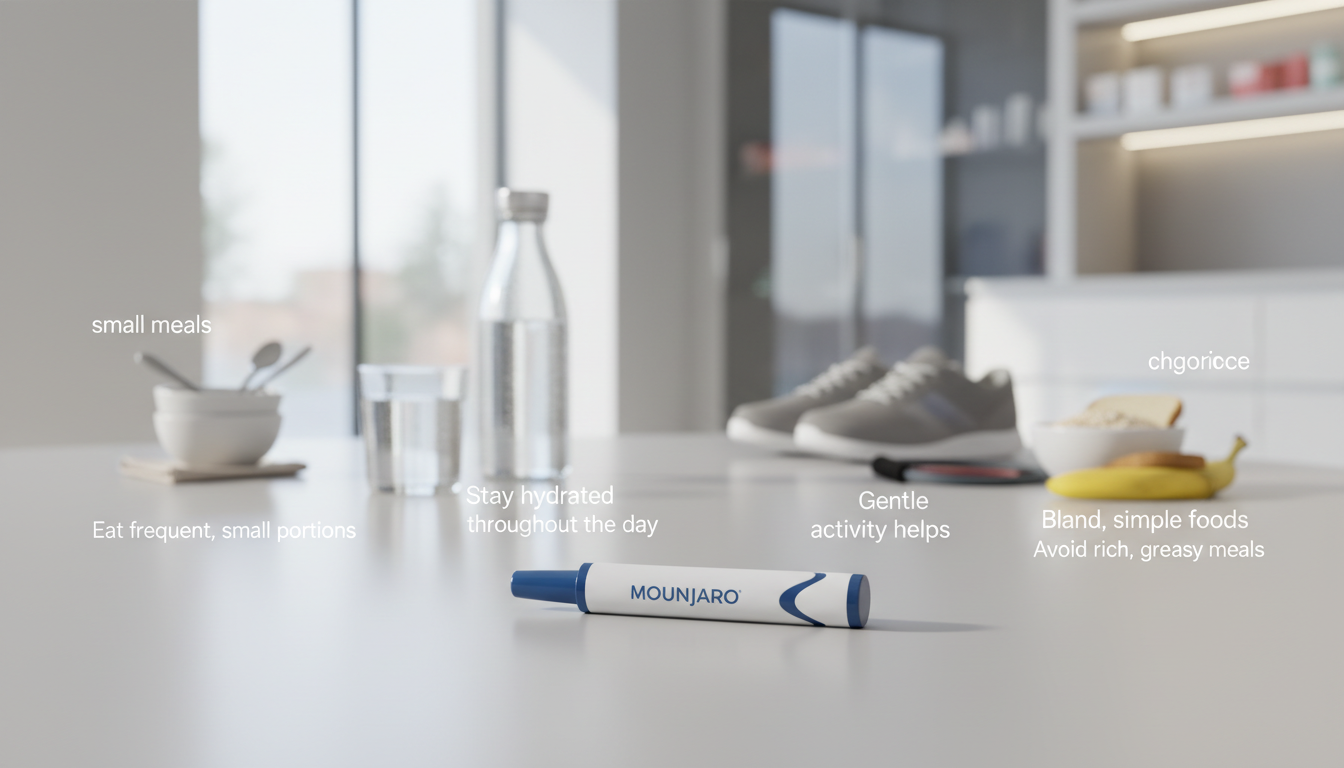
The first few weeks on Mounjaro, especially after a dose increase, can be challenging. The good news is that most common side effects can be managed with simple strategies.
For Nausea and Vomiting:
- Eat small, frequent meals: Instead of three large meals, try five or six smaller ones throughout the day.
- Choose bland foods: Stick to simple foods like crackers, toast, rice, and bananas.
- Avoid trigger foods: Steer clear of greasy, fatty, spicy, or very sweet foods.
- Stay hydrated: Sip water, clear broths, or electrolyte drinks slowly.
- Don't lie down after eating: Stay upright for at least 30 minutes after a meal.
For Diarrhea:
- Hydrate, hydrate, hydrate: Diarrhea can cause dehydration. Drink plenty of fluids, especially those with electrolytes.
- Use the BRAT diet: Bananas, rice, applesauce, and toast are low in fiber and can help firm up your stool.
- Avoid certain foods: Stay away from dairy, fatty foods, and artificial sweeteners until the diarrhea resolves.
For Constipation:
- Increase fiber slowly: Add high-fiber foods like fruits, vegetables, and whole grains to your diet gradually.
- Drink more water: Adequate hydration is key to helping fiber work correctly.
- Get moving: Gentle physical activity, like walking, can help stimulate your bowels.
For Decreased Appetite:
- Focus on nutrient density: Since you're eating less, make sure what you do eat is packed with nutrients.
- Schedule your meals: Even if you don't feel hungry, try to eat small, scheduled meals to keep your energy up.
- Consider protein shakes: A quality protein shake can be an easy way to get nutrition when you don't feel like eating a full meal. This can also help combat potential GLP-1 muscle loss.
For Mounjaro Side Effects Itching:
- If you experience mild itching at the injection site, try rotating injection sites with each dose. A cool compress may also provide relief. Widespread itching, however, could be a sign of an allergic reaction and warrants a call to your doctor.
When to See a Doctor
It’s important to distinguish between what’s "normal" and what’s a red flag. While mild, temporary GI issues are expected, some symptoms require immediate medical attention.
Contact your healthcare provider immediately if you experience:
- Severe abdominal pain that doesn't go away, especially if it radiates to your back (a sign of pancreatitis).
- Signs of a serious allergic reaction, such as swelling of your face or throat, difficulty breathing, or a severe rash.
- Pain in your upper right abdomen, fever, or yellowing of the skin/eyes (signs of gallbladder disease).
- Persistent vomiting or diarrhea that prevents you from keeping liquids down, which could lead to dehydration and kidney problems.
- Any significant Mounjaro side effects mood or mental changes that concern you.
- A lump or swelling in your neck, hoarseness, or trouble swallowing.
For mild side effects that don't improve after a few weeks or become difficult to tolerate, you should also consult your provider. They may be able to adjust your dose or offer other solutions.
Ready to explore your options with a professional? The right guidance can make all the difference. Take our free 3-minute quiz to get matched with a licensed provider who can help you find the best path forward for your health goals.
FAQs
What are the most common Mounjaro side effects on the first day? Nausea, diarrhea, and decreased appetite are the most common side effects you might notice. They can appear within a day or two of your first injection. For most people, these initial effects are mild, but you can learn more about what to expect on our Mounjaro day 1 side effects page.
Can Mounjaro cause hair loss in females? Yes, some users experience temporary hair thinning, a condition known as telogen effluvium. This affects about 5% of patients and is typically caused by the stress of rapid weight loss on the body, not a direct effect of the drug itself. The hair usually grows back within three to six months as your body adjusts (Telehealth Ally, 2026). We have a guide that covers Mounjaro side effects hair loss female in more detail.
Does Mounjaro cause muscle loss? Any significant weight loss, whether from medication, diet, or surgery, involves the loss of both fat and muscle mass. Mounjaro is no different. To minimize muscle loss, it is essential to consume adequate protein and engage in regular resistance training while using the medication. Our article on GLP-1 muscle loss explains this further.
Are there any Mounjaro skin side effects like itching? Mild itching, redness, or swelling at the injection site is a common and usually harmless Mounjaro skin side effect. However, if you experience widespread itching, a severe rash, or hives, it could be a sign of a rare but serious allergic reaction that requires immediate medical attention.
Are Mounjaro dental side effects a concern? Direct Mounjaro dental side effects are not widely reported. However, an FDA update in November 2024 noted that dysgeusia (an altered sense of taste) can occur (FDA Supplement Approval, 2024). Additionally, common side effects like vomiting and nausea can cause dehydration, leading to dry mouth. Chronic dry mouth can increase the risk of cavities and other dental issues, so staying well-hydrated is important for your oral health.
Contributing to evidence-based peptide education and provider transparency.
Too many clinics, not enough clarity?
We don't sell peptides. Tell us your goals and we'll connect you with a vetted provider who can figure out what actually makes sense for you.
See what's right for youRelated articles
A Step-by-Step Gelatin Recipe for Weight Loss
Seen the viral "pink trick"? We break down the simple gelatin recipe for weight loss. Learn our step-by-step method to help manage hunger and feel full.
GLP-1 Weight LossOzempic Cost in 2026: What You'll Actually Pay
The 2026 Ozempic cost can be anywhere from $25 to over $1,400 a month. Discover why and learn how to find savings with or without insurance coverage.
GLP-1 Weight LossHow Zep Weight Loss Works and What to Expect
Thinking about zep weight loss? We cover how this drug works, what realistic results look like, common side effects, and how it compares to Ozempic.