How Much Does Mounjaro Cost? Prices With and Without Insurance
A detailed guide to the Mounjaro price in 2026. We break down the cost with and without insurance, compare online clinic prices, and show you how to save money.
This content is for informational purposes only and does not constitute medical advice. Always consult with a qualified healthcare provider for any health concerns or before making any decisions related to your health or treatment.
The buzz around Mounjaro (tirzepatide) is undeniable, but one question looms large for many people: what is the actual Mounjaro price? The answer is not simple. In 2026, the cost can swing from as little as $25 a month to over $1,100, depending entirely on your insurance, eligibility for savings programs, and where you get your prescription. This guide breaks down every factor so you can understand the real cost and find the most affordable path for you.
A Quick Look at the Mounjaro Price in 2026
The cost of Mounjaro varies significantly. To make it easier, here is a quick summary of what you can expect to pay per month in 2026 based on different scenarios.
| Scenario | Estimated Monthly Cost (2026) | Notes |
|---|---|---|
| Retail Cash Price | $1,069 - $1,112 | Without insurance or discounts. All dosages cost the same. |
| With Commercial Insurance (Covered) | $25 - $300+ | With the Lilly Savings Card, your copay could be as low as $25. |
| With Commercial Insurance (Not Covered) | ~$499 | Using the Lilly Savings Card for those whose plans don't cover Mounjaro. |
| With Medicare Part D (for T2D) | ~$50 | For eligible patients with Type 2 Diabetes, due to price negotiations. |
| Zepbound (via LillyDirect) | ~$299 | Same active ingredient (tirzepatide) for weight management. |
| Compounded Tirzepatide | $300 - $500 | Purchased through an online clinic or compounding pharmacy. |
Mounjaro Price with Insurance: What to Expect
Navigating insurance coverage for any medication can be a headache, and Mounjaro is no exception. The good news is that because Mounjaro is FDA-approved for treating Type 2 Diabetes, insurance coverage is generally better than for medications approved only for weight loss (Source: Formblends). Still, what you pay depends on your specific plan.
Commercial Insurance Plans
If you have a commercial insurance plan through your employer or the marketplace, your first step is to check your plan’s formulary. This is the list of drugs your insurance covers. If Mounjaro is on the formulary, your plan will cover a portion of the cost, but you will likely need a prior authorization (PA). A PA is a process where your doctor must justify the medical need for Mounjaro to your insurance company.
Once approved, your copay could range from $25 to over $300. However, Eli Lilly, the manufacturer, offers the Mounjaro Savings Card. For eligible, commercially insured patients whose plan covers Mounjaro, this card can bring the monthly cost down to as little as $25 for a one, two, or three-month supply (Source: Mounjaro.lilly.com).
This process of needing a PA and checking formularies is common for many advanced treatments. For example, people often ask, "does insurance cover TRT?" The answer is similar: it depends on your plan and demonstrating medical necessity.
Medicare and Medicaid
For those on government-funded plans, the situation is different. Patients with Medicare Part D who have Type 2 Diabetes have seen their costs drop significantly. Due to price negotiations from the Inflation Reduction Act, many can expect to pay around $50 per month for Mounjaro in 2026 (Source: Telehealth Ally).
It is critical to know that the Mounjaro Savings Card cannot be used with government insurance like Medicare or Medicaid (Source: Formblends). If your Medicare plan does not cover Mounjaro, you could be responsible for a much higher price. Medicaid coverage varies widely by state, so you must check with your state's specific program.
Confused about your insurance coverage and what you might pay? The rules can be complex. Take our free quiz to connect with a provider who can help you understand your options and even assist with benefit verification.
The Mounjaro Price Without Insurance: The Cash-Pay Reality
If you don't have insurance or your plan won't cover Mounjaro, you'll face the full retail price. As of April 2026, the cash Mounjaro price without insurance ranges from $1,069 to $1,112 for a one-month supply, which consists of four pre-filled injection pens (Source: Telehealth Ally). Eli Lilly's official list price is $1,112.16 per fill (Source: pricinginfo.lilly.com).
This price is consistent across all available dosages, from the starting 2.5 mg dose to the highest 15 mg dose. This means you won't pay more as your doctor increases your dosage. However, paying this amount month after month adds up quickly. An uninsured patient could face an annual cost of around $13,200 for the medication alone, not including doctor visits and lab work (Source: ThePricer.org).
This high out-of-pocket expense is not unique to GLP-1 medications. For instance, the cash cost of testosterone gel per month can also run into hundreds of dollars, making hormone optimization a significant financial commitment without insurance.
Unfortunately, there is no direct manufacturer discount program for uninsured patients seeking brand-name Mounjaro. The popular Lilly Savings Card is exclusively for those with commercial insurance plans (Source: Formblends). This leaves cash-pay patients needing to explore other strategies to make treatment affordable, which we will cover in detail below. If you're comparing the costs of different GLP-1s, you might find our articles on Semaglutide cost and Wegovy cost helpful.
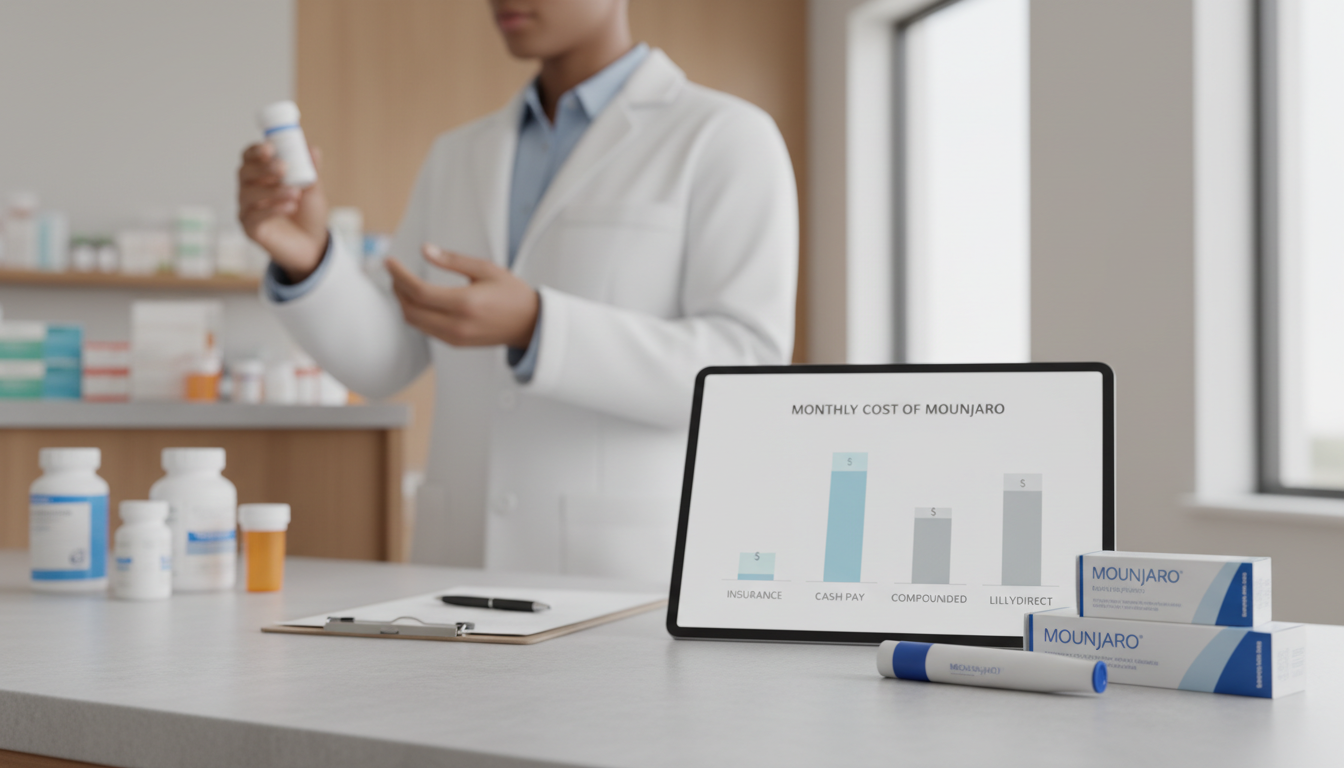
Comparing the Mounjaro Price: Online Clinics vs. Traditional Pharmacies
The high retail Mounjaro price has led many to seek alternatives. Online telehealth clinics have become a popular and often more affordable way to access GLP-1 medications like tirzepatide. These clinics connect you with a licensed doctor who can prescribe the medication, which is then shipped to your door, often in a compounded form.
So, how do the prices stack up?
| Provider / Source | Product | Estimated Monthly Cost | What's Included |
|---|---|---|---|
| Local Pharmacy (Cash Pay) | Brand Mounjaro® | $1,069 - $1,112 | Medication only |
| LillyDirect | Brand Zepbound® | ~$299 - $549 | Medication only |
| FormBlends | Compounded Tirzepatide | ~$349 | Medication + Physician Oversight |
| Other Online Clinics | Compounded Tirzepatide | $300 - $500 | Varies; typically medication and consult |
Let's break down these options.
Traditional Pharmacy: This is the standard route. You get a prescription from your local doctor and fill it at a pharmacy like CVS or Walgreens. If you're paying cash, you'll pay the full retail price of over $1,000 per month.
LillyDirect: This is Eli Lilly's own direct-to-consumer platform. It offers Zepbound, which contains the exact same active ingredient (tirzepatide) as Mounjaro but is FDA-approved specifically for weight management. For those seeking treatment for weight loss, this can be a great option, with prices starting around $299 per month for eligible patients (Source: Telehealth Ally).
Online Clinics & Compounded Tirzepatide: Many online clinics work with compounding pharmacies. These pharmacies can create a version of tirzepatide that is biochemically identical to the active ingredient in Mounjaro. Because they are not selling the branded pen-delivery system, the cost is much lower. Prices for compounded tirzepatide typically range from $300 to $500 per month, and often include the cost of the doctor's consultation and ongoing support (Source: Formblends). These medications can also be paid for using HSA or FSA funds.
When choosing this route, it's vital to select a reputable provider. For guidance on what to look for, read our post on how to find a legitimate peptide clinic.
Want to see which options fit your budget and health goals? Our free quiz takes 3 minutes and matches you with vetted providers who offer transparent pricing and quality care.
How to Save Money on Your Mounjaro Prescription
Paying over $1,000 a month is not feasible for most people. Fortunately, there are several effective strategies you can use to lower the Mounjaro price.
-
Use the Mounjaro Savings Card: If you have commercial insurance, this is your best first step. Even if your insurance doesn't cover Mounjaro, the card can reduce the price to approximately $499 for a one-month supply. If your plan does cover it, the card can lower your copay to as little as $25 per month (Source: Drugs.com). Remember, this card expires on December 31, 2026, and is not for government-insured patients.
-
Explore Patient Assistance Programs (PAPs): For uninsured, low-income individuals with Type 2 Diabetes, the Lilly Cares Patient Assistance Program may provide Mounjaro for free. You must meet specific income and eligibility requirements. Other organizations, like the Patient Access Network Foundation (PAN), may also offer financial assistance (Source: Telehealth Ally).
-
Consider Zepbound for Weight Loss: If your primary goal is weight management and not diabetes control, Zepbound is a financially smart alternative. It's the same molecule (tirzepatide) made by the same company (Eli Lilly). Through programs like LillyDirect, the cost can be significantly lower than Mounjaro's cash price, making it an accessible option for many.
-
Look into Compounded Tirzepatide: As discussed, compounded tirzepatide offers the most dramatic savings for cash-pay patients. With monthly costs between $300 and $500, it makes long-term treatment much more sustainable. Learn more about what to know about compounded semaglutide, as many of the principles apply to tirzepatide as well.
-
Get a 3-Month Prescription: If you are using the Savings Card, ask your doctor about a 3-month prescription. The card's benefits apply to a 90-day supply, which can reduce trips to the pharmacy and sometimes lower your total cost over time (Source: Drugs.com).
-
Ask Your Doctor for Samples: While not a long-term solution, your healthcare provider may have samples of Mounjaro they can give you to start treatment or to bridge a gap between refills.
Is the Mounjaro Price Worth It? Weighing the Benefits and Costs
With a monthly cash price tag exceeding $1,000, it's fair to ask if Mounjaro is worth the cost. This is a personal decision that should be made in consultation with your healthcare provider, weighing the financial impact against the potential health benefits.
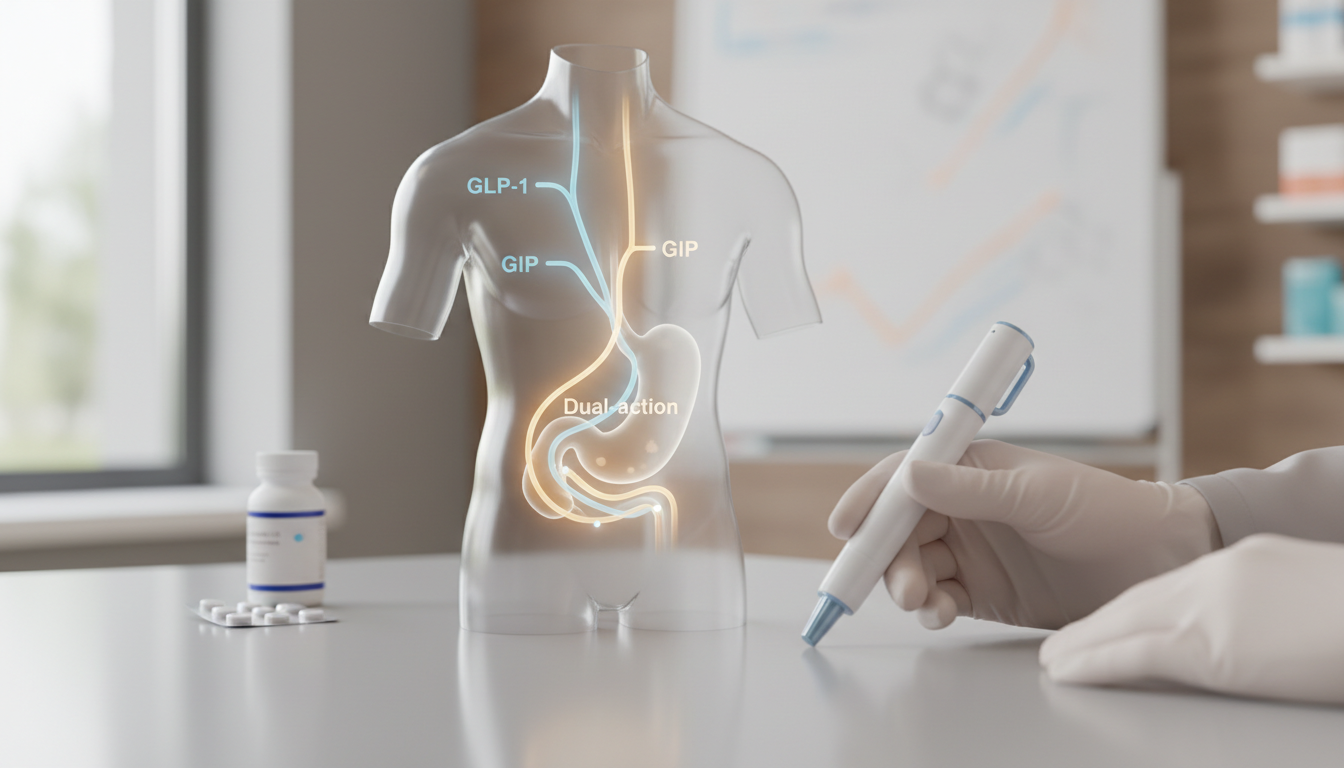
Mounjaro has shown remarkable effectiveness in clinical trials. Its unique dual-action mechanism, targeting both GLP-1 and GIP receptors, has led to significant improvements in blood sugar control for those with Type 2 Diabetes. For weight management, studies have shown it can help people achieve 15-20% body weight reduction (Source: DrugPatentWatch). You can read more about how it stacks up against other options in our Mounjaro vs. Ozempic guide.
The high GLP-1 cost is a major consideration, but it's important to view it in the context of long-term health. The costs associated with unmanaged diabetes, heart disease, and other obesity-related conditions can be far greater over a lifetime. Similarly, the ongoing TRT cost for hormone optimization is an investment in quality of life and preventative health for many.
Ultimately, the "worth" of Mounjaro depends on your individual health goals, your financial situation, and the alternatives available to you. For some, the profound health benefits justify the expense. For others, more affordable options like compounded tirzepatide may offer a more practical path to the same active ingredient.
Ready to explore your options? A licensed provider can help you weigh the pros and cons based on your specific health profile and budget. Take our free 3-minute quiz to get matched with a provider today.
Frequently Asked Questions About Mounjaro Price
How much is Mounjaro per month?
Without insurance, Mounjaro costs about $1,069 to $1,112 per month in 2026. With commercial insurance and the manufacturer's savings card, the price can be as low as $25 per month. For eligible Medicare patients with Type 2 Diabetes, the cost is often around $50 per month.
Is there a cheaper alternative to Mounjaro?
Yes. Compounded tirzepatide, which contains the same active ingredient, is a more affordable option, typically costing $300 to $500 per month. Zepbound, which is also tirzepatide but approved for weight loss, may be available for as low as $299 per month through certain programs.
Does Medicare cover Mounjaro in 2026?
Yes, for many patients with Type 2 Diabetes, Medicare Part D plans cover Mounjaro. Due to federal price negotiations, the copay for eligible individuals is expected to be around $50 per month in 2026 (Source: Telehealth Ally).
Can I use the Mounjaro savings card without insurance?
No, the Mounjaro Savings Card from Eli Lilly is only for patients who have commercial insurance. It cannot be used if you are uninsured or have a government-funded insurance plan like Medicare or Medicaid (Source: Formblends).
Why is Mounjaro so expensive?
Mounjaro is expensive because it is a complex, brand-name biologic drug protected by patents that extend until 2031. This means cheaper biosimilar versions are not yet on the market. The high price reflects the manufacturer's costs for research, development, clinical trials, and marketing (Source: DrugPatentWatch).
Contributing to evidence-based peptide education and provider transparency.
Too many clinics, not enough clarity?
We don't sell peptides. Tell us your goals and we'll connect you with a vetted provider who can figure out what actually makes sense for you.
See what's right for youRelated articles
A Step-by-Step Gelatin Recipe for Weight Loss
Seen the viral "pink trick"? We break down the simple gelatin recipe for weight loss. Learn our step-by-step method to help manage hunger and feel full.
GLP-1 Weight LossOzempic Cost in 2026: What You'll Actually Pay
The 2026 Ozempic cost can be anywhere from $25 to over $1,400 a month. Discover why and learn how to find savings with or without insurance coverage.
GLP-1 Weight LossHow Zep Weight Loss Works and What to Expect
Thinking about zep weight loss? We cover how this drug works, what realistic results look like, common side effects, and how it compares to Ozempic.