How Much Semaglutide Vial Cost in 2026 (Generic vs Brand)
Find current semaglutide vial prices including new generic options, insurance coverage changes, and ways to save money in 2026.
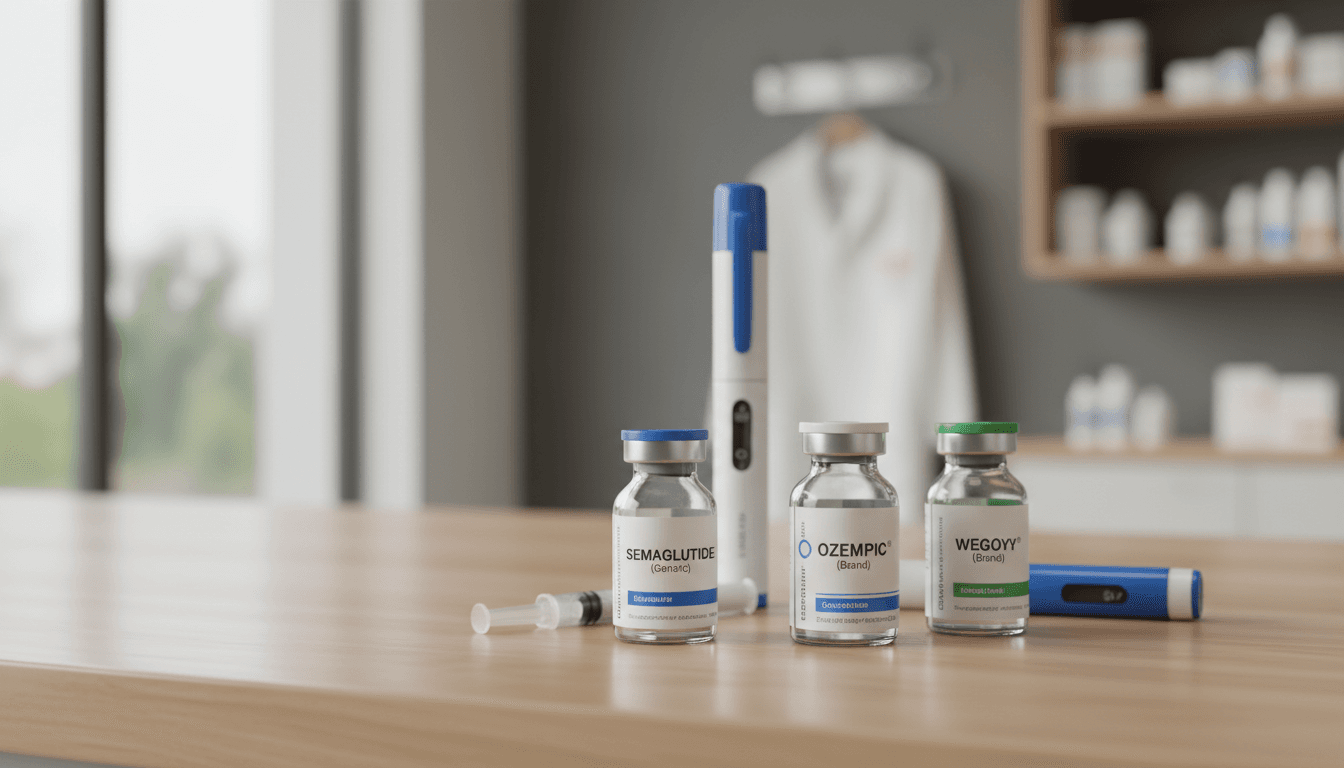
This content is for informational purposes only and does not constitute medical advice. Always consult with a qualified healthcare provider before starting any medication or treatment plan.
Understanding semaglutide vial cost in 2026 has become more complex as the market has dramatically shifted with new generic options, patent expirations, and expanded insurance coverage. The landscape changed significantly in early 2026 when generic semaglutide formulations became available in U.S. retail pharmacies, dropping costs for eligible Medicaid patients to under $200 per month compared to the $1,349 average monthly list price for branded Wegovy in late 2025.
Whether you're considering brand-name Ozempic, Wegovy, or exploring compounded alternatives, the actual amount you'll pay depends on your insurance coverage, pharmacy choice, and which specific formulation you choose. In this guide, we'll break down real pricing data across all available options to help you understand what you can expect to pay.
The good news is that semaglutide costs have dropped substantially across the board. Novo Nordisk has cut cash-pay prices by up to 70%, allowing new patients to pay as little as $199 for the first two months. Medicare and Medicaid patients can now access Ozempic or Wegovy for $245 per month through negotiated pricing.
Not sure which semaglutide option fits your budget and health goals? Take our free 3-minute quiz to get matched with a licensed provider who can help you navigate the cost and coverage options.
Quick Semaglutide Price Summary
Here's a snapshot of current semaglutide vial costs across different options in 2026:
| Option | Monthly Cost (No Insurance) | With Insurance/Programs | Notes |
|---|---|---|---|
| Generic Semaglutide | $180-$250 | Under $200 (Medicaid) | Available since early 2026 |
| Ozempic (Brand) | $935-$1,100 | $25-$150 copay | Diabetes indication |
| Wegovy (Brand) | $997-$1,349 | $0-$99 with savings card | Weight loss indication |
| Compounded Semaglutide | $129-$399 | Not covered by insurance | Telehealth providers |
| Oral Semaglutide Pills | $149-$199 | Varies by plan | New option in 2026 |
Sources: Altitudes Magazine, Health Facts Journal, Telehealth Ally
Semaglutide Vial Cost With Insurance Coverage
Insurance coverage for semaglutide varies significantly depending on your plan type and whether you're using it for diabetes or weight loss. Understanding these differences is crucial for estimating your actual out-of-pocket costs.
Commercial Insurance Plans
Most commercial insurance plans cover Ozempic for Type 2 diabetes treatment, though they typically require prior authorization. According to recent data, commercially insured patients usually face copays ranging from $25 to $150 per month for Ozempic.
For Wegovy (weight loss), coverage is less predictable. Many plans now include obesity medication benefits, but they often require meeting specific BMI criteria and trying other weight loss methods first. The good news is that Novo Nordisk's revised patient assistance program now caps out-of-pocket costs for commercially insured Wegovy patients at $99 per month as of April 2026.
The manufacturer savings card can be a game-changer for commercially insured patients. This program can reduce Wegovy costs to $0-$25 per month for those with commercial insurance, making it potentially the cheapest option if your plan covers it.
Medicare Coverage
Medicare Part D covers Ozempic for diabetes treatment, and Medicare patients can access both Ozempic and Wegovy for $245 per month through negotiated pricing arrangements that took effect in 2026.
Medicare Advantage plans may offer different coverage terms, and some include enhanced prescription drug benefits that could lower your costs further. Always check with your specific plan administrator to understand your exact coverage and copay requirements.
Medicaid Expansion
One of the biggest changes in 2026 has been Medicaid expansion for GLP-1 obesity medications. As of April 2026, 38 states have expanded Medicaid coverage for these medications, and eligible Medicaid patients can access generic semaglutide for under $200 per month.
This represents a massive cost reduction compared to previous years and makes semaglutide accessible to a much broader population. If you're eligible for Medicaid, this could be your most affordable option.
High-Deductible Health Plans
If you have a high-deductible health plan (HDHP), you'll likely pay the full retail price until you meet your deductible. However, the good news is that semaglutide is generally eligible for HSA/FSA spending due to its FDA approval, allowing you to use pre-tax dollars for your medication costs.
For more detailed information about insurance coverage options, check out our comprehensive guide on semaglutide cost with insurance.
Cash Pay and Uninsured Semaglutide Vial Cost
If you don't have insurance coverage or prefer to pay cash, understanding the real retail prices is essential for budgeting your treatment. The landscape has improved significantly in 2026, but costs still vary widely depending on which option you choose.
Brand-Name Retail Prices
Without insurance, Ozempic's retail price ranges from $935 to $1,100 per month, depending on the pharmacy and dose. Wegovy is typically more expensive, with list prices around $997-$1,349 per month.
However, very few people actually pay these full retail prices. Novo Nordisk has introduced significant cash-pay discounts in 2026. New patients can pay as little as $199 for the first two months through their direct cash-pay programs, with ongoing monthly costs typically ranging from $199-$349.
Generic Semaglutide Options
The introduction of generic semaglutide in early 2026 has been a major development for cash-pay patients. Generic formulations are available for $180-$250 per month at most retail pharmacies.
While generic options provide the same active ingredient as brand-name versions, they may use different inactive ingredients or delivery mechanisms. Manufacturing costs for semaglutide are estimated at just $3 per month, suggesting there's room for further price reductions as more generic manufacturers enter the market.
Pharmacy Shopping
Prices can vary significantly between pharmacies, even for the same medication. Chain pharmacies like CVS, Walgreens, and Rite Aid often have different pricing structures than independent pharmacies or warehouse clubs like Costco.
Mail-order pharmacies frequently offer lower prices and may provide 90-day supplies at a discount. Some patients report savings of 10-20% by using mail-order options, though you'll need to factor in shipping times and the inability to get immediate refills.
Compounded Alternatives
Compounded semaglutide remains available through some providers in 2026, typically costing $129-$399 per month. These versions contain the same active ingredient as brand-name medications but are prepared by licensed compounding pharmacies.
Compounded versions cost 70-90% less than brand-name options due to lower research, development, marketing, and profit margins. However, they face increasing FDA scrutiny, and patients should verify their provider carefully.
For more information about compounded options, read our detailed guide on compounded semaglutide.
Online Clinic Semaglutide Vial Cost Comparison
Telehealth providers have become increasingly popular for accessing semaglutide, often offering competitive pricing and convenient delivery options. Here's how major online clinics compare in 2026:
| Provider | Monthly Cost | What's Included | Prescription Type |
|---|---|---|---|
| Reflex MD | $325-$2,700 | Consultation, medication, shipping | Compounded |
| Hers | $179-$299 | Consultation, medication, support | Compounded |
| Willow | $199-$349 | Consultation, medication, coaching | Compounded |
| Midi Health | $245-$399 | Consultation, medication, menopause support | Compounded |
| Amble | $189-$329 | Consultation, medication, lifestyle support | Compounded |
Note: Prices vary based on dosage level and may change. Always verify current pricing directly with providers.
Reflex MD Pricing Structure
Reflex MD offers one of the widest price ranges, with costs between $325 and $2,700 per month depending on the dose, pharmacy, and specific treatment plan. Their higher-end pricing often includes additional services like nutritional counseling and comprehensive metabolic monitoring.
The significant price variation at Reflex MD reflects their tiered service model. Basic plans include the medication and standard monitoring, while premium plans add extensive lifestyle coaching, regular lab work, and personalized nutrition planning.
Budget-Friendly Telehealth Options
Several providers focus on making semaglutide more accessible through lower pricing. Compounded semaglutide through telehealth providers ranges from $129-$199 per month at the most affordable end of the spectrum.
These lower-cost options typically include the medication, basic medical oversight, and shipping, but may not include extensive coaching or monitoring services. For many patients, this streamlined approach provides excellent value.
What's Typically Included
Most online clinics include several services in their monthly fee:
- Initial medical consultation and ongoing monitoring
- Prescription management and adjustments
- Medication shipped directly to your home
- Access to customer support
- Basic lifestyle guidance
Higher-priced services often add:
- One-on-one coaching sessions
- Comprehensive lab work and monitoring
- Nutritionist consultations
- Advanced tracking tools and apps
- 24/7 medical support
Important Considerations
When choosing an online provider, remember that compounded medications are not FDA-approved in the same way as brand-name drugs. Compounded semaglutide faces increasing FDA scrutiny, and patients should verify their provider's licensing and safety protocols.
Make sure any provider you choose:
- Uses licensed, accredited compounding pharmacies
- Requires proper medical evaluation before prescribing
- Provides clear information about their medication sourcing
- Offers appropriate medical monitoring and support
Want personalized recommendations for finding a reputable provider in your area? Take our free provider matching quiz to get connected with vetted options that fit your budget and needs.
How to Save Money on Semaglutide Vial Cost
With the right strategies, you can significantly reduce your semaglutide costs regardless of your insurance situation. Here are the most effective approaches based on 2026 pricing data:
Manufacturer Savings Programs
Novo Nordisk's patient assistance programs have expanded significantly in 2026. The Wegovy savings card can reduce costs to $0-$25 per month for commercially insured patients, making it potentially the cheapest option if you qualify.
For patients without insurance, Novo Nordisk offers a patient assistance program for those with household incomes below approximately $60,240 per year, providing free medication for qualifying low-income households.
Generic vs Brand Name Shopping
With generic semaglutide now available, you can save substantial amounts by choosing generic over brand-name options. Generic versions typically cost $180-$250 per month compared to $935-$1,349 for brand-name options without insurance.
Talk to your doctor about whether generic semaglutide is appropriate for your situation. While the active ingredient is identical, some patients may prefer brand-name options for consistency or specific delivery mechanisms.
Pharmacy Comparison Shopping
Prices can vary by 20-30% between different pharmacies for the same medication. Use pharmacy comparison tools or call several pharmacies to compare prices before filling your prescription.
Consider these options:
- Chain pharmacies (CVS, Walgreens, Rite Aid)
- Warehouse clubs (Costco, Sam's Club)
- Independent local pharmacies
- Mail-order pharmacies
- Online pharmacy services
HSA/FSA Utilization
If you have a Health Savings Account or Flexible Spending Account, you can use pre-tax dollars for FDA-approved semaglutide, effectively reducing your cost by your tax rate. Semaglutide is generally eligible for HSA/FSA spending due to its FDA approval.
Consider Compounded Alternatives
While not FDA-approved in the same way as brand-name drugs, compounded semaglutide can cost 70-90% less than brand-name options. Compounded versions range from $129-$399 per month, making them accessible to patients who can't afford brand-name options.
Be sure to work with reputable providers who use licensed compounding pharmacies and provide appropriate medical oversight.
Insurance Optimization
If you're shopping for insurance during open enrollment, consider plans that specifically cover obesity medications. As of 2026, coverage for GLP-1 weight loss medications has expanded significantly, and choosing the right plan could save you thousands annually.
For more strategies on managing costs, check out our guide on insurance coverage for GLP-1 medications.
Is Semaglutide Worth the Cost?
When evaluating whether semaglutide justifies its cost, it's important to consider both the financial investment and the potential health benefits. Even with reduced pricing in 2026, semaglutide represents a significant ongoing expense for most patients.
Cost-Effectiveness Analysis
Research consistently shows that semaglutide can lead to substantial weight loss, with many patients losing 10-15% of their body weight over 6-12 months. For someone weighing 200 pounds, this could mean losing 20-30 pounds, which can have significant health implications.
The medication's benefits extend beyond weight loss. Semaglutide can improve blood sugar control, reduce cardiovascular risk factors, and may help with conditions related to obesity like sleep apnea and joint pain. When you factor in potential savings on other medications, doctor visits, and health complications, the cost equation becomes more favorable.
Comparing to Alternative Treatments
When compared to other weight loss interventions, semaglutide's cost may be reasonable. Bariatric surgery can cost $15,000-$25,000 upfront, though it's often covered by insurance. Commercial weight loss programs can cost $100-$300 per month without the same level of medical supervision or proven efficacy.
Traditional weight loss medications are generally less expensive but also less effective. The choice often comes down to balancing cost with the likelihood of achieving meaningful results.
Long-Term Financial Considerations
Most patients need to continue semaglutide to maintain their weight loss, making this a long-term financial commitment. At current pricing, even the most affordable options will cost $1,500-$3,000 annually.
However, the potential long-term health benefits could offset these costs through reduced medical expenses, improved quality of life, and potentially increased productivity and earnings.
The decision ultimately depends on your individual financial situation, health goals, and response to the medication. Working with a healthcare provider can help you weigh these factors and determine if semaglutide is a worthwhile investment for your specific circumstances.
Ready to explore your options with a qualified provider? Take our free quiz to get matched with licensed practitioners who can help you evaluate whether semaglutide fits your health goals and budget.
Frequently Asked Questions
What is the cheapest semaglutide compound available in 2026?
The cheapest semaglutide compound in 2026 is typically generic semaglutide at retail pharmacies, costing $180-$250 per month. For eligible Medicaid patients, costs can be under $200 monthly. Compounded versions through telehealth providers start around $129-$199 per month, though these are not FDA-approved in the same way as brand-name medications.
How much does Willow semaglutide cost compared to other providers?
Willow semaglutide cost ranges from $199-$349 per month, placing it in the middle range of telehealth providers. This is comparable to other compounded options like Hers ($179-$299) and slightly less expensive than some premium services, but more than the lowest-cost providers that start around $129 monthly.
What is the Midi Health semaglutide cost for their specialized program?
Midi Health semaglutide cost ranges from $245-$399 per month. Their pricing reflects their specialized focus on menopause and women's health, often including additional services like hormone optimization and menopause-specific support alongside the semaglutide treatment.
How much do semaglutide tablets cost compared to injections?
Semaglutide tablets cost significantly less than injections in 2026. The new oral semaglutide pills (Wegovy pill) are priced at $149-$199 per month, compared to $997-$1,349 monthly for injectable Wegovy without insurance. However, oral versions may have different efficacy profiles and side effect patterns.
Where can I find low cost semaglutide near me?
To find low cost semaglutide near me, start by comparing prices at local retail pharmacies, warehouse clubs like Costco, and independent pharmacies. Generic semaglutide is now available at most pharmacies for $180-$250 monthly. You can also explore telehealth providers for compounded options starting around $129 monthly, though these require shipping rather than local pickup.
Contributing to evidence-based peptide education and provider transparency.
Too many clinics, not enough clarity?
We don't sell peptides. Tell us your goals and we'll connect you with a vetted provider who can figure out what actually makes sense for you.
See what's right for youRelated articles
A Step-by-Step Gelatin Recipe for Weight Loss
Seen the viral "pink trick"? We break down the simple gelatin recipe for weight loss. Learn our step-by-step method to help manage hunger and feel full.
GLP-1 Weight LossOzempic Cost in 2026: What You'll Actually Pay
The 2026 Ozempic cost can be anywhere from $25 to over $1,400 a month. Discover why and learn how to find savings with or without insurance coverage.
GLP-1 Weight LossHow Zep Weight Loss Works and What to Expect
Thinking about zep weight loss? We cover how this drug works, what realistic results look like, common side effects, and how it compares to Ozempic.