What Does Creatine Do For Women? More Than You Think
We answer what creatine does for women by busting old myths. Learn how it can boost your workouts, improve cognition, and why you don't need to fear it.
This content is for informational purposes only and does not constitute medical advice. Always consult with a qualified healthcare provider before starting any new supplement or treatment plan.
For decades, creatine was seen as a supplement exclusively for male bodybuilders looking to get huge. That image is now officially outdated. As scientific research has progressed, we're getting a much clearer picture of its wide-ranging effects, and the evidence is compelling. Answering the question of what does creatine do for women reveals benefits that extend far beyond muscle growth, touching on everything from brain function to bone health, especially during key life stages like menopause.
If you’ve dismissed creatine as "not for you," this 2026 guide will show you why it might be one of the most effective supplements to consider for your overall health and wellness.
What is Creatine?
Creatine is a naturally occurring compound made from three amino acids: arginine, glycine, and methionine. It plays a fundamental role in your body's energy production system. It helps your cells recycle their main energy source, adenosine triphosphate (ATP), powering everything from muscle contractions to brain activity.
While your body produces some creatine on its own in the liver and kidneys, you also get it from your diet, primarily from red meat and fish. However, research consistently shows that women tend to have significantly lower natural creatine stores than men—about 70-80% less, according to multiple studies (BodySpec, HealNourishGrow). This is partly because women on average consume 30-40% less dietary creatine and have a 20% lower natural synthesis rate compared to men (Tandfonline). This inherent "creatine gap" means that supplementation can fill a proportionally larger need for women, often leading to more noticeable benefits.
How Does Creatine Work?
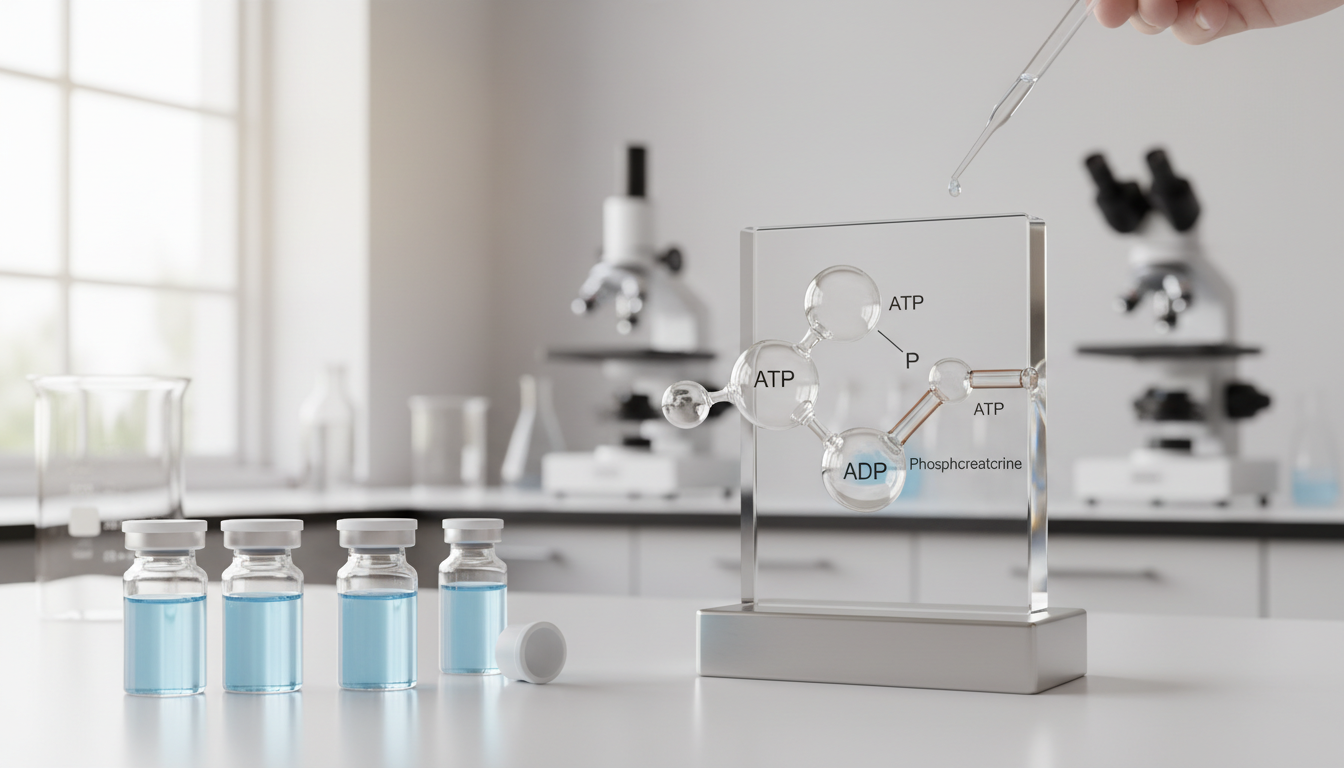
To understand how creatine works, you need to know about ATP. Think of ATP as the rechargeable battery that powers every cell in your body. When your body needs energy—for a workout, for thinking, for any biological process—it "spends" an ATP molecule, which then becomes a depleted ADP (adenosine diphosphate) molecule.
This is where creatine comes in.
Your body stores most of its creatine in your muscles as phosphocreatine (PCr). This PCr molecule acts as a rapid-recharge station. It donates its phosphate group to the depleted ADP molecule, instantly turning it back into a fully charged ATP battery. This process, known as the ATP-PC system, is your body's primary source of energy for short, intense bursts of activity lasting up to about 10 seconds, like lifting a heavy weight or sprinting.
By supplementing with creatine, you increase your body's pool of available phosphocreatine. This allows you to regenerate ATP faster and more efficiently. For your workouts, this translates to being able to perform an extra rep or two, lift slightly heavier, and recover more quickly between sets.
But its function isn't limited to muscles. Your brain is an incredibly energy-demanding organ. Having higher creatine levels in the brain means more readily available ATP to power cognitive processes. This can help you maintain focus, improve reaction time, and fight the mental fatigue that often sets in during a long day. This a key reason why researchers are so interested in its effects on mood and cognition. Hormones like estrogen also influence how your body uses creatine, making its role in women's health a dynamic one that changes with your cycle and life stage.
Understanding your body's unique needs can feel complex. If you're not sure where to start with supplements or hormone optimization, expert guidance can help. Take our free 3-minute quiz to get matched with a provider who understands women's health.
What Does Creatine Do for Women? The Evidence-Based Benefits
The conversation around what does creatine do for women has expanded well beyond the gym. With over 500 clinical trials investigating its effects, we now have strong evidence for benefits that support women throughout their lives. A 2024 analysis even suggests that some of these boosts are more pronounced in women than in men (HealthCentral).
H3: Enhanced Exercise Performance and Strength
This is the most well-known benefit, and it holds true for women. When combined with resistance training, creatine supplementation has been shown to improve strength, power output, and muscle mass (TheConversation). A 2021 meta-analysis specifically found that women who supplemented with creatine while resistance training saw significant increases in their upper-body strength (HealthHighRoad). This means you can get more out of your workouts, helping you build a stronger, more resilient body. While some broad reviews have found mixed results, this is often due to poor study design that doesn't account for female-specific factors like hormonal cycles. Many well-designed studies point to clear performance benefits.
H3: Supports Lean Body Mass and Body Composition
Many women worry about getting "bulky," but creatine supports the growth of lean muscle, not just size. Maintaining lean muscle is crucial for a healthy metabolism and functional strength. One study noted that a short 7-day "wash-in" period of creatine use resulted in a significant increase in lean body mass, particularly in females (News-Medical.net). Researchers believe this initial gain is mostly due to water retention within the muscle cells, which is a sign of cellular hydration and not fat gain. While this study found the initial gain didn't automatically lead to more muscle over 12 weeks of training, it highlights creatine's role in cellular hydration and suggests consistent use is key for long-term benefits. Preserving lean muscle is especially important when using weight loss medications, a topic we cover in our guide to avoiding GLP-1 muscle loss.
H3: Boosts Brain Health and Cognitive Function
This is one of the most exciting areas of creatine research for women. Your brain uses a massive amount of energy, and creatine helps supply it. Studies show it can help combat cognitive fatigue, improve short-term memory, and sharpen focus (BodySpec, HealthCentral). The benefits are especially noteworthy for women experiencing hormonal shifts. A groundbreaking 2026 randomized controlled trial (CONCRET-MENOPA) gave peri- and post-menopausal women 1,500 mg of creatine hydrochloride daily. The results were striking: participants saw their reaction time improve by 6.6% and their frontal brain creatine levels increase by 16.4% (HealNourishGrow). This suggests creatine can be a powerful tool for maintaining mental sharpness during a challenging life transition.
H3: Supports Bone Health, Especially During Menopause
Menopause brings a sharp decline in estrogen, a hormone that helps protect bone density. This puts women at a higher risk of osteoporosis. Emerging research indicates that creatine supplementation may help protect bone structure (BodySpec, HealNourishGrow). By supporting muscle strength and mass, creatine helps you perform the weight-bearing exercises that are essential for stimulating bone growth. This makes it a valuable complementary strategy for women looking to protect their skeletal health as they age, alongside options like hormone replacement therapy for perimenopause.
H3: Potential Mood and Mental Health Support
The link between cellular energy and mood is becoming clearer. Because the brain requires so much energy to regulate neurotransmitters and cognitive processes, ensuring it has enough fuel is vital. Some research suggests creatine may offer mood support by boosting brain energy metabolism (HealthHighRoad, iHerb). While this is still an emerging area of study, the initial findings are promising and highlight another way creatine may improve overall well-being.
Risks and Potential Side Effects
Creatine monohydrate is one of the most extensively studied dietary supplements on the market and has an excellent safety profile for most healthy people (HealthHighRoad). However, like any supplement, it's associated with some potential side effects and a lot of myths.
Common Myths Debunked:
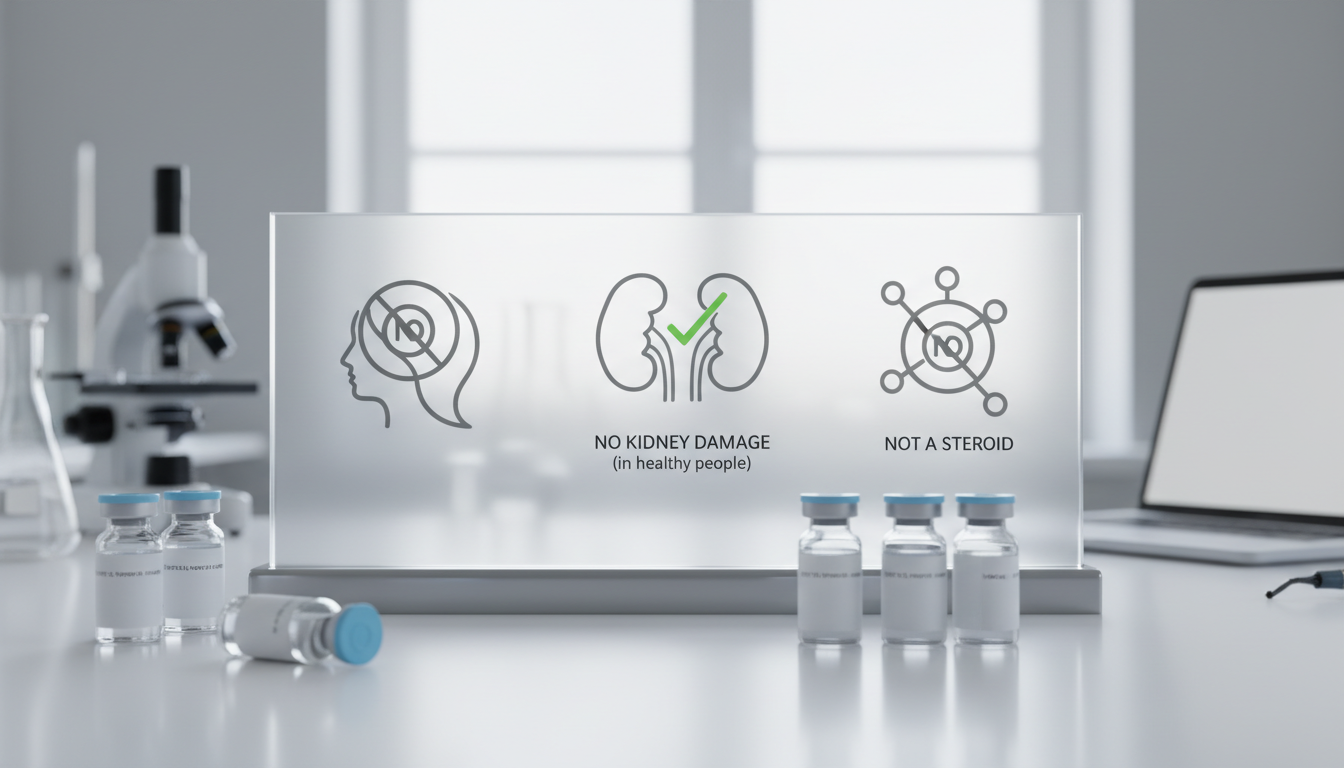
- Masculinization: Creatine will not make you "manly." It is not a steroid or a hormone. It has no direct effect on your testosterone levels and will not cause masculinizing effects like a deeper voice or facial hair growth (HealthHighRoad).
- Hair Loss: There is no credible scientific evidence that creatine causes hair loss in women. This myth originated from a single small study in male rugby players and has never been replicated.
- Kidney Damage: In individuals with healthy kidneys, long-term studies have shown that recommended doses of creatine do not cause kidney damage. However, if you have a pre-existing kidney condition, you must consult your doctor before taking creatine.
Potential Side Effects:
The most commonly reported side effects are generally mild and often avoidable (HealthCentral):
- Water Retention or Bloating: This is the most frequent side effect. Creatine pulls water into your muscle cells, a process called intracellular hydration. This is actually beneficial for muscle function. For some, it can cause a temporary feeling of bloating or a slight increase on the scale. This usually subsides after a few weeks of consistent use.
- Gastrointestinal Distress: Some people may experience abdominal cramping, nausea, or diarrhea. This is most common when taking a large "loading" dose all at once or taking creatine on an empty stomach. Spreading out your dose or taking it with a meal can usually prevent this.
Worried about side effects or not sure if creatine is right for your body? You don't have to guess. Take our free 3-minute quiz to connect with a qualified provider who can review your health history and guide you.
How to Get Started with Creatine
Getting started with creatine is straightforward. Here are the key things to know.
Choosing the Right Type For most people, creatine monohydrate is the best choice. It is the most extensively researched form, proven to be effective, and is also the most affordable. You may see "micronized" creatine monohydrate, which is simply ground into a finer powder to help it dissolve more easily in water. While other forms like creatine hydrochloride (HCL) exist, they have far less research behind them and are typically more expensive.
Determining Your Dose The standard, evidence-backed dosage for women is 3 to 5 grams per day (BodySpec, HealthHighRoad). This amount is effective for saturating your muscles over time and maintaining optimal levels.
Loading Phase vs. Daily Dosing
- Loading Phase (Optional): This involves taking about 20 grams per day (split into four 5-gram doses) for 5-7 days. It saturates your muscles more quickly, so you might notice benefits faster. However, this approach is more likely to cause mild GI side effects or bloating.
- Daily Dosing (Recommended): The simpler method is to just start by taking 3-5 grams every day. It will take longer to fully saturate your muscles (about 3-4 weeks), but you're less likely to experience any side effects. For most women, this is the preferred approach.
Consistency is more important than timing. The key is to take your dose every day, even on rest days, to keep your muscle creatine stores topped off. Some people prefer taking it post-workout with a meal containing carbs and protein, as this can slightly enhance uptake, but the most important factor is simply remembering to take it.
Another Angle on What Does Creatine Do for Women's Health Over a Lifetime
A key part of understanding what does creatine do for women is recognizing that its benefits can be applied across different life stages, largely due to its interaction with a woman's fluctuating hormonal environment.
- During Menstruating Years: Estrogen levels rise and fall throughout the menstrual cycle, which can impact creatine kinase—an enzyme central to creatine's function. Supplementing with creatine may help stabilize energy levels, improve mood, and enhance strength, which can sometimes dip during certain phases of your cycle.
- During Pregnancy and Postpartum (With a Doctor's Guidance): The body's demand for creatine increases significantly during pregnancy to support both the mother and the developing fetus. Emerging research suggests creatine supplementation under close medical supervision could be beneficial, though more studies are needed (BodySpec, Tandfonline). Postpartum, it might help combat the extreme fatigue and mood changes many new mothers experience. This must be discussed with your obstetrician.
- During Perimenopause and Menopause: This is where creatine can truly shine. As estrogen declines, women face an increased risk of muscle loss, bone density decline, and cognitive changes ("brain fog"). Creatine directly addresses these concerns by helping to preserve lean muscle, supporting bone health through stronger muscles, and boosting brain energy as demonstrated in the 2026 CONCRET-MENOPA trial. It is a powerful, non-hormonal tool to help manage this transition. If you're exploring options for this life stage, check your symptoms with our Hormone Symptom Checker tool.
- For Vegan and Vegetarian Women: Since the primary dietary sources of creatine are meat and fish, women following a plant-based diet have naturally lower creatine stores. For this group, supplementation can offer even more significant and noticeable improvements in energy, strength, and cognitive function (BodySpec).
Legal Status and FDA Approval
Creatine is legal to purchase and consume in the United States and is widely available as an over-the-counter dietary supplement.
It's important to understand how supplements are regulated. The U.S. Food and Drug Administration (FDA) does not approve dietary supplements for safety or effectiveness before they are sold to the public. Instead, they are regulated under the Dietary Supplement Health and Education Act of 1994 (DSHEA). This means the manufacturer is responsible for ensuring its product is safe and that the label is truthful and not misleading.
Because of this lack of pre-market approval, a smart consumer should look for products that have been third-party tested. Certifications from organizations like NSF Certified for Sport or Informed-Sport verify that the product contains what the label claims and is free from contaminants and banned substances. This provides an extra layer of assurance about quality and purity.
Even though creatine is widely available and considered safe, it's always wise to speak with a healthcare provider before adding it to your routine. They can help you decide if it's appropriate for you based on your health status and any medications you might be taking. You can even use a tool like our Drug Interaction Checker to see potential conflicts.
Ready to see if creatine or other hormone optimization strategies are right for you? Take our free 3-minute quiz to get matched with a licensed provider in your state who can create a plan for your unique needs.
FAQs
Will creatine make me bulky?
No. Creatine does not automatically build large, bulky muscles. It helps your muscles become stronger and more efficient. Gaining significant bulk requires a combination of specific heavy-lifting protocols and eating in a large calorie surplus, things most women are not doing. For most, creatine supports a leaner, more toned physique.
How long does it take for creatine to work for women?
If you choose to do a loading phase (20g/day), you might notice benefits in strength and endurance within about a week. If you start with the standard dose of 3-5 grams per day, it generally takes about three to four weeks to fully saturate your muscles and experience the full effects.
Is it safe to take creatine every day?
Yes. Decades of research support the safety of long-term daily use of 3-5 grams of creatine monohydrate in healthy individuals. It is meant to be taken consistently, on both training and rest days, to maintain elevated levels in your muscles.
What is the best type of creatine for women?
Creatine monohydrate is the gold standard. It has the most scientific evidence backing its safety and effectiveness, and it's also the most affordable. Micronized creatine monohydrate is a great option as it dissolves better in liquids.
Can creatine help with weight loss?
Creatine can indirectly support weight loss goals. It does not directly burn fat. However, by helping you build and maintain metabolically active lean muscle, it can support a higher resting metabolism. Some people notice a slight increase in scale weight when they first start, but this is due to water being pulled into the muscle, not fat gain. You can estimate your needs with our Weight Loss Calculator.
Does creatine affect hormones like testosterone or estrogen?
No, creatine is not a hormone and does not directly alter your primary sex hormone levels. Its mechanism is entirely based on cellular energy production through the ATP system. For those specifically interested in hormone levels, you can learn more about how to increase testosterone in our dedicated guide.
Contributing to evidence-based peptide education and provider transparency.
Too many clinics, not enough clarity?
We don't sell peptides. Tell us your goals and we'll connect you with a vetted provider who can figure out what actually makes sense for you.
See what's right for youRelated articles
How Protein and Muscle Growth Actually Work
It's not just about eating more. Understand the real science of protein and muscle growth to learn how much you need and the best timing to see results.
Peptide ScienceWhat are the best peptides for muscle growth and fat loss?
Exploring peptides for muscle growth and fat loss? Discover the most effective options for body recomposition, how they actually work, and what to expect.
Peptide ScienceThe Key L-Lysine Benefits for Skin, Immunity & Stress
Discover the science-backed l-lysine benefits. Our guide covers how this essential amino acid may boost collagen, fight viruses, and aid calcium absorption.