Which supplements for muscle growth actually work?
Is creatine still king? What about Ecdysterone? We review the best supplements for muscle growth and tell you exactly what works and what to skip.
This content is for informational purposes only and does not constitute medical advice. Always consult with a qualified healthcare provider before starting any new supplement or treatment plan.
Walk into any supplement store, and you'll face a wall of powders, pills, and promises. Every label seems to offer explosive gains and a shortcut to your dream physique. But which ones actually work? We've sifted through the hype to bring you the definitive 2026 guide to the best supplements for muscle growth, focusing only on what the science supports. Forget the fancy marketing. If you want to build muscle effectively, you need a solid training program, a nutrient-dense diet, and adequate rest. Supplements are just that, a supplement to your hard work. This guide will help you choose the ones that offer a real return on your investment.
How We Evaluated the Best Supplements for Muscle Growth
To create this list, we ignored flashy labels and marketing claims. Instead, we focused on the quality of scientific evidence for each supplement. Our evaluation process prioritized information from respected organizations like the International Society of Sports Nutrition (ISSN) and peer-reviewed meta-analyses.
We looked for supplements with a strong track record in high-quality human trials, not just studies funded by manufacturers. According to reviews from sources like FitLabReviews, a supplement's value is ranked in tiers. Tier 1 supplements, like creatine and protein, have overwhelming evidence supporting their effectiveness and safety. Tier 2 supplements show promise but may only work in specific contexts or have less research behind them. Many popular products, including most testosterone boosters and BCAAs for those eating enough protein, fall into a lower tier with weak or conflicting evidence.
Our goal is to highlight the supplements that provide the most benefit for the cost, backed by years of solid research. We focused on data from 2026 and recent years to give you the most current understanding of what truly helps build muscle.
Navigating this information can be complex, and everyone's body is different. If you're looking for guidance on what might work for your specific goals and health profile, expert help is available. Take our free quiz to get matched with a provider who can build a plan for you.
1. Creatine Monohydrate (The Undisputed Champion)
If you could only choose one supplement for muscle growth, this is it. Creatine monohydrate is not new or exciting, but it is the most researched, effective, and affordable sports supplement on the planet. With over 500 published studies and decades of safety data, its effectiveness is not up for debate.
How It Works
Your muscles use a molecule called adenosine triphosphate (ATP) for energy during quick, explosive movements like lifting weights. When you use ATP, it loses a phosphate group and becomes ADP. Creatine works by increasing your body's stores of phosphocreatine, which can quickly donate a phosphate to ADP, regenerating ATP. This process allows you to perform more reps and sets with heavier weight, leading to greater training stimulus and, consequently, more muscle growth over time. A 2026 meta-analysis confirmed that creatine significantly boosts anaerobic power, regardless of whether you're resistance training or not.
The Evidence in 2026
The research is overwhelmingly positive. A 2024 meta-analysis published in Nutrients found that creatine supplementation significantly increased upper-body strength by over 4 kg and lower-body strength by over 11 kg in adults under 50. Another recent systematic review focusing on young men found that combining creatine with at least eight weeks of resistance training resulted in an average gain of 2.70 kg of lean body mass. The evidence is so strong that VerifiedSupplementData's 2026 guide calls it the most-researched supplement in history.
Pros & Cons
- Pros: Highly effective for strength, power, and muscle mass. Extremely safe with over 30 years of data. Very affordable, often costing just $0.05 to $0.15 per day for pure powder. Emerging research also points to cognitive benefits, like improved memory.
- Cons: Can cause minor water retention, especially during a loading phase. This is just water inside the muscle cell, which is a good thing, but some people dislike the initial weight gain.
Who It's Best For
Honestly, anyone who is serious about resistance training. From beginners to elite athletes, a daily dose of 3-5 grams of creatine monohydrate is a proven way to enhance performance and results. If you want to learn more about how to use it effectively, check out our guide on creatine for muscle growth.
2. Protein Supplements (The Essential Foundation)
Muscle is made of protein. If you don't consume enough of it, your body cannot build new muscle tissue, no matter how hard you train. While whole foods should always be your primary source of protein, supplements like whey, casein, and plant-based powders are an incredibly convenient and effective way to meet your daily needs.
How It Works
Resistance training creates tiny micro-tears in your muscle fibers. Your body repairs this damage by fusing the fibers back together, which increases their size and strength. This process, called muscle protein synthesis (MPS), requires amino acids, the building blocks of protein. Consuming a high-quality protein source, especially one rich in the amino acid leucine, provides the raw materials needed to kickstart MPS and build muscle. The goal for active individuals is to consume between 1.6 to 2.2 grams of protein per kilogram of body weight daily.
The Evidence in 2026
The evidence for protein supplementation is foundational. A large network meta-analysis from late 2025 in Frontiers in Nutrition looked at 35 trials and found that protein was the most effective supplement for increasing muscular strength. Another narrative review noted that protein or essential amino acid supplements are most beneficial when daily protein intake is under 1.6 g/kg or when a meal lacks at least 2-3 grams of leucine. Whey protein isolate is particularly effective due to its high leucine content and rapid absorption, making it ideal for a post-workout shake. A new protein source, Vicia faba protein hydrolysate, also showed significant promise in an 8-week 2025 trial, enhancing leg strength and muscular endurance more than a placebo.
Pros & Cons
- Pros: Convenient and ensures you meet daily protein targets for muscle growth. Whey isolate is fast-digesting and high in leucine. Casein is slow-digesting, making it great before bed. Many high-quality plant-based options are now available.
- Cons: Can be expensive, with quality whey isolate costing $1.50 to $2.00 per serving. Not necessary if you can meet your protein needs through whole foods. Some people may experience digestive issues with certain types of protein.
Who It's Best For
Anyone who struggles to eat enough protein from food alone. It's also perfect for individuals who need a quick, convenient protein source around their workouts or as a meal replacement. To figure out your exact needs, you can use our free protein calculator and read our pillar post on how protein and muscle growth work.
3. Beta-Alanine (Push for More Reps)
While creatine helps with short bursts of power, beta-alanine helps you last longer during intense efforts. It's the supplement that helps you fight off that "burn" you feel in your muscles, allowing you to squeeze out a few extra reps. Those extra reps add up to more volume over time, which is a key driver of hypertrophy.
How It Works
Beta-alanine is an amino acid that combines with another amino acid, histidine, to form carnosine in your muscles. Carnosine acts as a buffer against the acid buildup that occurs during high-intensity exercise. This buildup is what causes the burning sensation and fatigue that forces you to stop a set. By increasing carnosine levels, beta-alanine delays fatigue, allowing you to sustain a higher work rate for longer.
The Evidence in 2026
Multiple studies confirm beta-alanine's ability to improve performance in activities lasting from one to ten minutes. A 2025 network meta-analysis found beta-alanine significantly enhanced jump performance, even slightly more so than creatine. Research from BodyScienceReview highlights its ability to improve endurance and total training volume, which is critical for long-term muscle gains. The effective dose is typically 3.2 to 6.4 grams per day.
Pros & Cons
- Pros: Proven to increase muscular endurance and training volume. Can help you push through fatiguing sets. Relatively affordable, costing around $0.30 to $0.50 per serving.
- Cons: The main side effect is a harmless but sometimes uncomfortable tingling sensation called paresthesia. This can be minimized by taking smaller doses throughout the day or using a sustained-release formula. It doesn't directly build muscle but enables the harder work that does.
Who It's Best For
Individuals whose training involves high-rep sets (typically 8-20 reps) or other high-intensity conditioning work. If your workouts are focused on strength and power with very low reps, the benefit will be less pronounced.
4. Citrulline Malate (The Pump & Performance Enhancer)
Citrulline malate has become a staple in pre-workout formulas for good reason. It’s known for delivering a great "pump," but its benefits go beyond just looking good in the mirror. It plays a real role in improving performance and may aid in recovery.
How It Works
In the body, citrulline is converted to arginine, another amino acid that is a precursor to nitric oxide (NO). Nitric oxide helps relax and widen your blood vessels, a process called vasodilation. This increased blood flow delivers more oxygen and nutrients to working muscles and helps clear out metabolic waste products like ammonia. The "malate" part of citrulline malate may also play a role in energy production within the Krebs cycle.
The Evidence in 2026
Research shows that citrulline malate can improve resistance training performance. Studies highlight its ability to increase the number of reps performed to failure, particularly for upper and lower body exercises. For example, some lifters find they can get one or two extra reps on their final sets of bench press or leg press. As mentioned in a Buttondown review, it's a popular pre-workout ingredient for its ability to enhance blood flow and performance, though it is more expensive than some other supplements at $0.60 to $0.90 per serving.
Pros & Cons
- Pros: Increases blood flow, leading to a better pump and potentially improved nutrient delivery. Can reduce muscle soreness and improve endurance during a workout.
- Cons: Its direct effect on muscle growth is less established than creatine's. The benefits are primarily related to performance enhancement within a single session. The cost can add up if used daily.
Who It's Best For
Lifters who want to maximize their performance during a workout and enjoy the feeling of a good muscle pump. It's a key ingredient to look for in a pre-workout or can be taken on its own 30-60 minutes before training.
Deciding on the right supplement stack can feel overwhelming. If you want to see which options fit your budget and goals, our free quiz takes 3 minutes and matches you with vetted providers who can offer personalized guidance.
5. HMB (The Muscle Protector)
HMB, or beta-hydroxy-beta-methylbutyrate, is a metabolite of the amino acid leucine. It's not a powerful muscle builder on its own, but it shines in a specific role: preventing muscle breakdown, also known as catabolism. This makes it one of the best supplements for muscle growth when you're in a challenging metabolic state.
How It Works
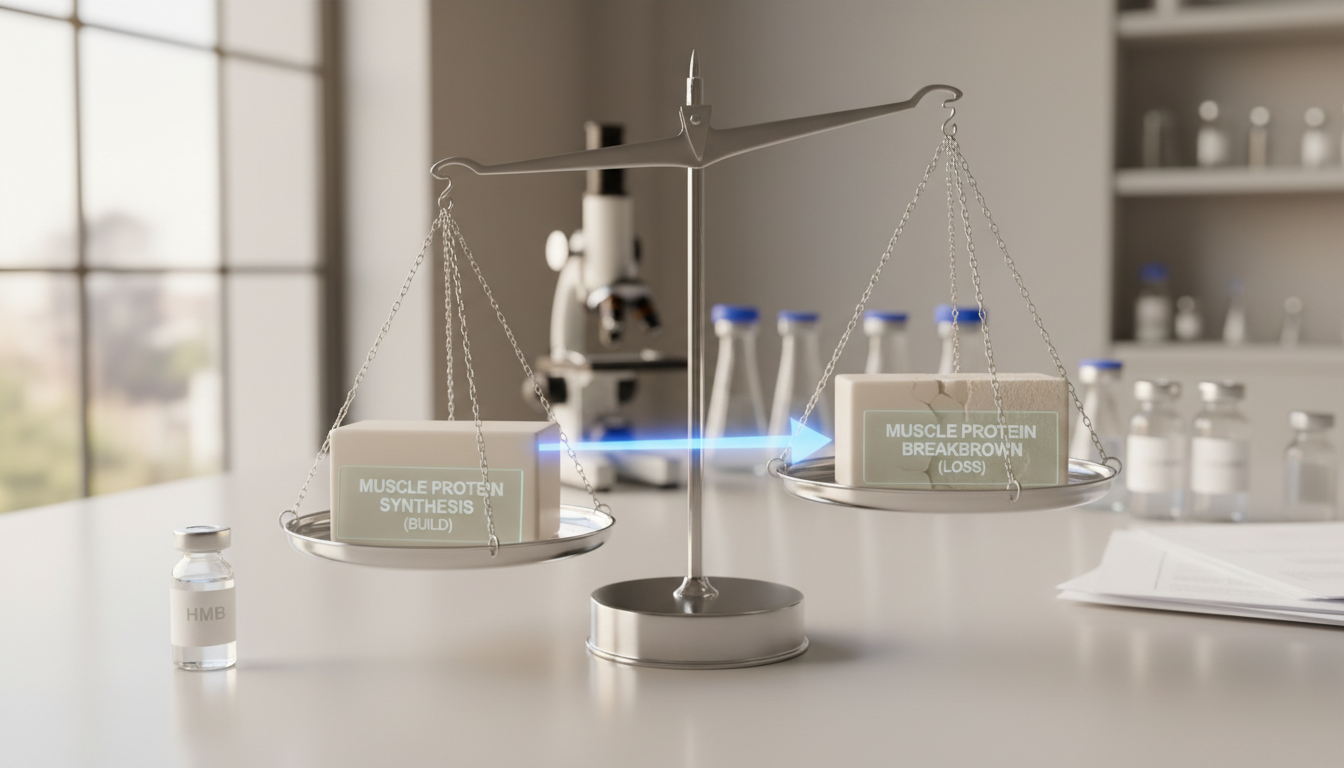
HMB works by reducing the rate of muscle protein breakdown. This is different from protein or creatine, which primarily work by increasing muscle protein synthesis. By putting the brakes on breakdown, HMB helps tip the balance of your net protein state toward anabolism (building), especially during times of high stress like intense training or a calorie deficit.
The Evidence in 2026
The evidence for HMB is conditional. A narrative review in PMC notes that HMB (at 3g/day) is most useful during periods of high training stress or when cutting calories. However, for experienced lifters who are eating enough calories and protein, the benefits are less clear. According to BodyScienceReview, the free acid form (HMB-FA) is more bioavailable and particularly beneficial for muscle preservation during a fat loss phase, though it is one of the more expensive options at $1.50 to $2.50 per day. For individuals struggling with muscle loss on weight loss medications, a supplement like HMB may offer protective benefits, a topic we explore in our article on GLP-1s and muscle loss.
Pros & Cons
- Pros: Effective at reducing muscle breakdown, especially during calorie restriction or for beginners starting an intense new program. It can help preserve hard-earned muscle while you lose fat.
- Cons: More expensive than foundational supplements. Limited benefit for experienced, well-fed athletes. Less effective for directly building new muscle compared to stimulating protein synthesis.
Who It's Best For
Individuals in a calorie deficit trying to lose fat while preserving muscle. It’s also beneficial for beginners who are experiencing significant muscle damage from starting a new, intense training program.
6. Beyond the Basics: Best Peptides for Muscle Growth and Fat Loss
Once you have your diet, training, and foundational supplements dialed in, you might look toward more advanced options. Peptides represent a targeted approach to signaling specific actions in the body, including muscle growth and recovery. It's important to understand these are not over-the-counter supplements but compounds that require consultation with a healthcare provider. They are some of the best peptides for muscle growth and fat loss available today.
The CJC-1295 + Ipamorelin Stack
This is perhaps the most well-known best peptide stack for muscle growth. These two peptides work together as growth hormone secretagogues (GHS). This means they signal your pituitary gland to release more of your body's own growth hormone (GH) in a natural pulse. This elevation in GH can lead to increased lean muscle mass, accelerated fat loss, and improved recovery. You can learn more about this specific combination in our CJC-1295 + Ipamorelin guide.
Recovery Peptides: BPC-157 and TB-500
You don't grow in the gym; you grow when you recover. Peptides like BPC-157 and TB-500 are renowned for their tissue repair capabilities. BPC-157, which stands for Body Protection Compound, is a peptide that has been shown in research to accelerate the healing of tendons, ligaments, and muscle. By helping you recover faster from injuries and training stress, it allows for more consistent, high-intensity workouts, which is essential for long-term progress. We cover the science in our overview of BPC-157 research.
What About the Best GHK-Cu Peptide Supplement?
You may have heard about GHK-Cu for its powerful health benefits. While it is an excellent peptide, its primary role isn't direct muscle building. GHK-Cu is a copper-binding peptide that excels at promoting wound healing, reducing inflammation, and stimulating collagen production for healthier skin. While these anit-aging and recovery benefits support an overall healthy system, it is not a first-line peptide for hypertrophy. Thinking it is one of the best ghk-cu peptide supplements for pure muscle gain is a common misconception. For more details, you can read about the potential cons of GHK-Cu.
Peptides are powerful compounds and should only be used under the guidance of a qualified medical professional. They are not approved by the FDA for muscle growth.
How to Choose the Best Supplements for Muscle Growth for You
With all these options, how do you decide what to take? Follow this simple, tiered approach.
- Master the Basics First: Before spending a dime on anything else, ensure your diet and training are on point. Are you training progressively harder? Are you eating enough calories and protein? You can use our protein calculator to check your intake. No supplement can fix a poor program or diet.
- Build Your Foundation (Tier 1): Start with the most proven and cost-effective supplements. This means Creatine Monohydrate (3-5g daily) and a Protein Supplement (as needed to hit your daily goal of 1.6-2.2g/kg). For over 90% of people, this is all you will ever need to maximize your results from supplements.
- Add for Specific Goals (Tier 2): Once your foundation is set, consider adding other supplements based on your specific needs.
- Want to push harder during high-rep workouts? Add Beta-Alanine.
- Looking for better pumps and workout performance? Try Citrulline Malate.
- Are you in a calorie deficit to lose fat? HMB can help you preserve muscle.
- Explore Advanced Options with a Professional: If you are an advanced athlete or have specific body composition goals and have maxed out the basics, you might discuss options like peptide therapy with a doctor. This is a significant step beyond simple supplementation and requires professional oversight.
Ready to explore options that are right for your body and goals? Take our free 3-minute quiz to get matched with a licensed provider who can help guide you.
FAQs
What is the single best supplement for muscle growth?
Based on hundreds of studies, creatine monohydrate is the single best supplement for increasing strength, power, and muscle mass. It's safe, effective, and very affordable, making it the top choice for nearly everyone.
Do I need supplements to build muscle?
No, you do not absolutely need supplements. You can build significant muscle with a consistent and challenging resistance training program, a diet rich in protein and sufficient calories, and adequate sleep for recovery. Supplements simply help optimize the process and make it easier to meet your nutritional targets.
What is the best peptide stack for muscle growth?
A frequently discussed peptide stack for muscle growth is CJC-1295 combined with Ipamorelin. This stack works by stimulating your body's own production of growth hormone. However, peptides are prescription compounds and should only be considered after consulting with a qualified healthcare provider.
How do I choose a protein supplement?
Whey protein isolate is a great choice for post-workout because it digests quickly and is high in the amino acid leucine. Casein protein is a better option before bed as it digests slowly, providing a steady supply of amino acids overnight. Plant-based protein blends are excellent for vegans or those with dairy sensitivities. Check out our guide to protein supplements for more detail.
Contributing to evidence-based peptide education and provider transparency.
Too many clinics, not enough clarity?
We don't sell peptides. Tell us your goals and we'll connect you with a vetted provider who can figure out what actually makes sense for you.
See what's right for youRelated articles
How Protein and Muscle Growth Actually Work
It's not just about eating more. Understand the real science of protein and muscle growth to learn how much you need and the best timing to see results.
Peptide ScienceWhat are the best peptides for muscle growth and fat loss?
Exploring peptides for muscle growth and fat loss? Discover the most effective options for body recomposition, how they actually work, and what to expect.
Peptide ScienceThe Key L-Lysine Benefits for Skin, Immunity & Stress
Discover the science-backed l-lysine benefits. Our guide covers how this essential amino acid may boost collagen, fight viruses, and aid calcium absorption.