How to Use Creatine Supplements for Muscle Growth
Thinking about using creatine supplements for muscle growth? This guide covers how much to take, when to take it, and potential side effects to watch for.
This content is for informational purposes only and does not constitute medical advice.
Creatine might be the most well-known fitness supplement on the planet. If you've ever set foot in a gym, you've likely heard someone talking about it. For years, it was seen as something only for serious bodybuilders. But in 2026, that view is changing fast. The latest research confirms that creatine supplements for muscle growth are incredibly effective, but the conversation is expanding to include benefits for energy, brain health, and overall wellness. This guide breaks down exactly what the science says this year, how to use it correctly, and how it fits into a broader health optimization plan.
We'll cover how creatine works, the best type to take, and how to maximize its effects. We will also explore how it works with other strategies, from basic nutrition to advanced options like peptide therapy.
How Creatine Actually Builds Muscle
Before you start adding a new supplement to your routine, it helps to understand what it does inside your body. The science behind creatine is one of the most studied in all of sports nutrition. It's not a steroid or a strange chemical. It's a natural substance your body already produces and uses for energy.
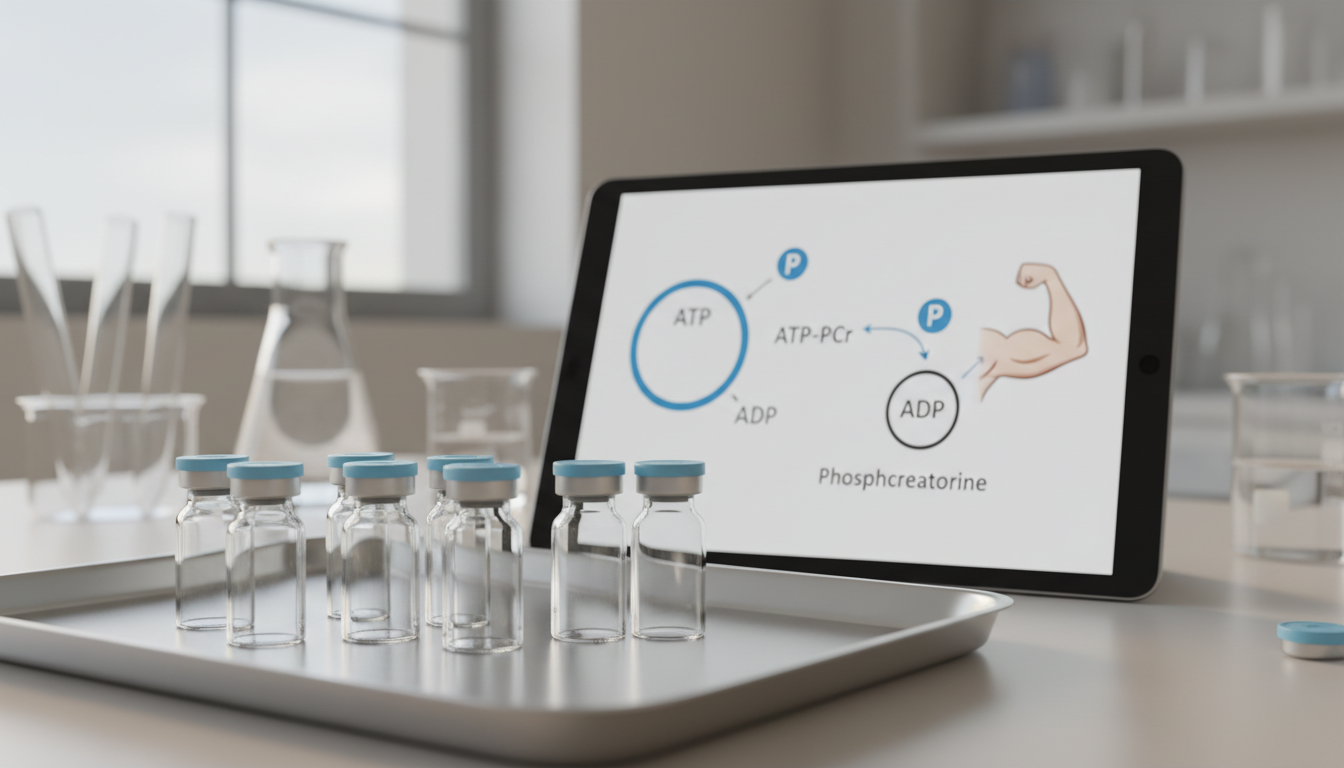
Creatine's main job is to help recycle your body’s primary energy currency, a molecule called adenosine triphosphate (ATP). During short, intense efforts like lifting weights or sprinting, your muscles use ATP for power. When ATP is used, it loses a phosphate group and becomes adenosine diphosphate (ADP), which is useless for energy.
This is where creatine comes in. Your muscles store creatine as phosphocreatine. This molecule can quickly donate its phosphate group to ADP, turning it back into ATP. This rapid energy recycling allows you to push out an extra rep or two, lift slightly heavier, or sprint a little longer. Over time, this ability to do more work in the gym directly leads to greater muscle and strength gains. This is the core of the many benefits of creatine.
The scientific evidence is overwhelming. A massive 2026 systematic review and meta-analysis confirmed that when young men used creatine alongside resistance training, they gained significantly more fat-free mass (an extra 3.39 kg) and lean body mass (an extra 2.70 kg) compared to training alone. The study noted that these lean mass gains were dependent on doing resistance training for at least eight weeks, highlighting that creatine works with your training, not in place of it (Frontiers in Nutrition, 2026). This supports a huge body of existing research showing that creatine can boost maximal power and strength output by 10-15% (Keedia, 2026).
Beyond energy, creatine also pulls more water into your muscle cells. This process, called cell volumization, is not just temporary water weight. It can signal the muscle cells to grow and may increase protein synthesis, which is the fundamental process of how protein and muscle growth work.
Getting Started: The Best Type, Dose, and Timing for Creatine
With so much information out there, starting with creatine can feel confusing. Fancy labels and high price tags on new formulas can make you think you’re missing out. But the science in 2026 is clearer than ever: simple is best.
The Best Type: Creatine Monohydrate Still Wins
For decades, companies have released different forms of creatine, like creatine hydrochloride (HCl) or creatine peptide combinations, claiming they absorb better or have fewer side effects. The research consistently proves these claims are mostly marketing.
Creatine monohydrate is the most-studied, most effective, and cheapest form available. A 2025 clinical trial directly compared creatine monohydrate to creatine HCl in elite athletes and found no significant differences in performance or body composition improvements between the two (PMC, 2025). Both groups saw gains, but the expensive HCl version offered no extra advantage. Major health organizations and over 500 peer-reviewed publications back creatine monohydrate for its proven muscle and exercise benefits (Kinja, 2026). The conclusion is simple: stick with the original. It delivers all the creatine monohydrate benefits without the inflated cost.
How Much to Take: The Loading vs. Maintenance Debate
There are two main ways to start taking creatine:
- Loading Phase: You take a high dose of 20 grams per day (usually split into four 5-gram servings) for 5-7 days. This quickly saturates your muscles with creatine.
- Maintenance Phase: After the loading phase, you drop to a daily maintenance dose of 3-5 grams per day to keep your muscles saturated.
Alternatively, you can skip the loading phase and just start with the 3-5 gram daily maintenance dose. It will take longer to fully saturate your muscles (about 3-4 weeks versus one week), but the end result is exactly the same (CreatineFinders, 2026). The loading phase can sometimes cause mild stomach discomfort or water retention, so many people prefer the simpler, slower approach. For most people, a daily dose of 3-5 grams is all you need. You can use our free protein calculator to make sure your overall nutrition supports your intake.
When to Take It: Consistency is Key
Should you take it before your workout? After? Only on training days? Preliminary results from a 2025 study suggested that taking creatine daily versus only on training days led to similar gains in strength and muscle size over 12 weeks. However, the study was very small, so more research is needed to be certain (PMC, 2025).
The general consensus is that timing doesn't matter nearly as much as consistency. The goal is to keep your muscles saturated. Taking your 3-5 grams every day, at whatever time is most convenient for you, is the best strategy. Mixing it with your morning coffee, a post-workout shake, or a meal are all perfectly fine options.
Not sure how to fit creatine into your specific health plan? It's always a good idea to speak with a professional. Take our free 3-minute quiz to get matched with a licensed provider who can offer guidance based on your personal goals.
Beyond Muscle: Synergistic Supplements and Strategies
While creatine supplements for muscle growth are a powerful tool, they work best as part of a complete plan. Optimizing your nutrition and considering other supportive supplements and therapies can amplify your results and improve your overall well-being.
Nutrition Synergy: Protein and Carbs
Creatine works well on its own, but research shows it may work even better when taken with carbohydrates and protein. A 2026 study in Scientific Reports found that athletes who supplemented with creatine combined with carbs and protein saw 5-10% higher mean power output during repeated sprints compared to those taking creatine alone. The combination helped mitigate fatigue more effectively than creatine by itself.
The takeaway? Taking your daily creatine dose with a meal or a post-workout shake containing both carbs and protein could give you a slight edge. This isn’t a requirement, but it’s a simple way to optimize its effects. This is a great reason to look into quality protein supplements for muscle growth to pair with your creatine.
Complementary Performance Boosters: Beetroot Powder
If you're looking for other safe and effective ways to improve performance, it's worth exploring the beetroot powder benefits. Beetroot is rich in dietary nitrates, which your body converts into nitric oxide (NO). Nitric oxide helps relax your blood vessels, improving blood flow, oxygen delivery, and muscular efficiency. While creatine works on the ATP energy system for short bursts of power, beetroot powder enhances endurance and efficiency. The two can work in tandem to support different aspects of your training performance.
A Holistic View: Hair Health and Peptides
Intense training and strict dieting can put stress on your body. Supporting your whole system is crucial. This is why having a balanced diet for hair growth and overall health is so important. Your diet should be rich in vitamins, minerals, and sufficient protein to support everything from muscle repair to healthy hair follicles.
For those looking for more targeted support, especially for concerns like hair thinning or skin health, advanced options like peptide therapy are gaining traction. The GHK-Cu peptide for hair growth is one such option. GHK-Cu is a naturally occurring copper peptide that has been shown to support wound healing and stimulate hair follicle growth. Unlike general supplements, peptides like GHK-Cu offer a more direct approach. If you're exploring this path, understanding a proper GHK-Cu peptide injection dosage chart is critical and should always be done under the guidance of a qualified provider. You can learn more about how to use these therapies in our complete guide to peptides or find a trusted provider through our clinic locator.
Debunking Creatine Myths and Understanding Safety in 2026
Despite being one of the most researched supplements, several myths about creatine persist. Let's look at the most common concerns through the lens of 2026 science.
Myth 1: Creatine Damages Your Kidneys
This is the oldest and most persistent myth. Decades of research have repeatedly shown this to be false in healthy individuals. A guide reviewing over 500 studies concluded there is no current evidence that creatine, taken at recommended doses, causes kidney damage in people with normal kidney function (Kinja, 2026). Creatine does increase levels of creatinine in the blood, which is a marker used to screen for kidney issues. This is an expected and harmless byproduct of creatine breakdown, not a sign of kidney strain. However, if you have a pre-existing kidney condition, you must consult your doctor before taking creatine.
Myth 2: Creatine Causes Hair Loss
The fear that creatine causes hair loss comes from a single, small study from 2009. The study found that creatine supplementation increased levels of dihydrotestosterone (DHT), a hormone linked to male pattern baldness. However, the study did not actually measure hair loss, and the increase in DHT was still within the normal clinical range. Since then, multiple follow-up studies have failed to replicate this finding or show any link between creatine and hair loss. There is currently no strong scientific evidence to support this claim. If hair health is a primary concern, focusing on a balanced diet and targeted therapies like GHK-Cu peptide for hair growth might be a more effective strategy. You can read more in our guide on how to use GHK-Cu peptides.
Myth 3: Creatine Is a Steroid
This is a fundamental misunderstanding. Creatine is a naturally occurring amino acid compound already found in your body and in foods like red meat and fish. It works by providing energy to your cells. Anabolic steroids are synthetic drugs that mimic testosterone to build muscle. Creatine has no impact on your body's hormones in the way steroids do. It's a nutritional supplement, not a drug. To understand the difference, you can explore our resources on TRT benefits for men and learn what actual hormone therapy involves.
The truth is that creatine supplements for muscle growth have an outstanding safety profile. It’s effective, affordable, and backed by a mountain of evidence.
What to Consider Before You Start
You're now equipped with the latest 2026 information on creatine. It's a proven, safe, and effective supplement for improving strength, power, and muscle mass when combined with proper training.
Here’s a quick summary of what to remember:
- Stick with Monohydrate: It's the most effective and affordable form. Don't waste money on expensive alternatives.
- Be Consistent: A daily dose of 3-5 grams is all you need. The exact timing isn't crucial, just take it every day.
- Pair it with Training: Creatine boosts your performance, but you still have to do the work. The biggest benefits come when you combine it with consistent resistance training (Frontiers in Nutrition, 2026).
- Think Holistically: Support your body with a balanced diet, adequate protein, and proper hydration. Consider other supportive measures for your unique goals, whether it's better endurance or specific aesthetic concerns.
While creatine is very safe for most people, it's always wise to consult a healthcare professional before starting any new supplement regimen, especially if you have underlying health conditions. They can help you build a plan that's right for you.
Ready to explore options that fit your specific goals and biology? Take our free 3-minute quiz to get matched with a licensed provider who can guide you on everything from supplements to advanced peptide and hormone therapies.
FAQs
How much muscle can you realistically gain with creatine?
The amount of muscle you can gain depends on your training, diet, and genetics. However, research consistently shows that creatine provides a significant boost. One meta-analysis found users gained an average of 1.4 kg (about 3 pounds) of additional lean mass over 4-12 weeks compared to those not taking it (CreatineFinders, 2026). Another 2026 analysis saw average gains of 2.70 kg in lean body mass over interventions lasting at least 8 weeks (Frontiers in Nutrition, 2026).
Is creatine safe to take long-term?
Yes, for healthy individuals, long-term studies have shown that taking creatine at recommended doses (3-5 grams per day) is safe. There is no evidence it causes harm to the kidneys, liver, or heart. It is one of the most well-researched supplements available.
Does creatine cause bloating or weight gain?
When you first start taking creatine, especially with a loading phase, you may notice a small increase in body weight (2-4 pounds). This is due to water being pulled into your muscles, a process called cell volumization, which is actually one of the ways it works. This is not fat gain and typically subsides or becomes unnoticeable after the initial few weeks. Sticking to a lower daily dose of 3-5 grams without loading can minimize this effect.
Do you need to cycle creatine?
No, there is no scientific evidence to suggest you need to cycle on and off creatine. Because it is not a hormone and doesn't affect your body's receptors, you can take it continuously to maintain saturated muscle stores and its benefits.
Can women benefit from creatine?
Absolutely. While much of the early research focused on men, the benefits of creatine—increased strength, better exercise performance, and more lean muscle—apply to women as well. Furthermore, emerging research is exploring benefits specific to women related to mood, cognition, and health during different life stages. You can read more in our [/blog/what-does-creatine-do-for-women] article.
Contributing to evidence-based peptide education and provider transparency.
Too many clinics, not enough clarity?
We don't sell peptides. Tell us your goals and we'll connect you with a vetted provider who can figure out what actually makes sense for you.
See what's right for youRelated articles
How Protein and Muscle Growth Actually Work
It's not just about eating more. Understand the real science of protein and muscle growth to learn how much you need and the best timing to see results.
Peptide ScienceWhat are the best peptides for muscle growth and fat loss?
Exploring peptides for muscle growth and fat loss? Discover the most effective options for body recomposition, how they actually work, and what to expect.
Peptide ScienceThe Key L-Lysine Benefits for Skin, Immunity & Stress
Discover the science-backed l-lysine benefits. Our guide covers how this essential amino acid may boost collagen, fight viruses, and aid calcium absorption.