What a BPC 157 Peptide Injection Actually Does
Curious about the bpc 157 peptide injection? We explain how it works for injury recovery and gut health, plus proper dosing, safety, and what to expect.
This content is for informational purposes only and does not constitute medical advice. Consult with a qualified healthcare professional before starting any new treatment.
Body Protective Compound 157, or BPC-157, is a peptide that has generated significant buzz for its potential healing properties. Many people are exploring the bpc 157 peptide injection as a way to recover from stubborn injuries and improve gut health. This guide will walk you through what we know about this compound in 2026, based on the available research and recent regulatory changes. While animal studies are plentiful, human evidence is just beginning to take shape, making it crucial to understand the full picture before considering its use.
An Overview of BPC-157
BPC-157 is a synthetic peptide chain made of 15 amino acids. It is a partial sequence of a protein found in human gastric juice, which is why it first gained attention for its potential gastrointestinal benefits. Preclinical research, which includes over 544 articles and more than 100 animal studies, suggests BPC-157 may play a role in tissue repair, reducing inflammation, and promoting the growth of new blood vessels, a process called angiogenesis.
Despite this extensive lab research, it's critical to understand that BPC-157 is not approved by the Food and Drug Administration (FDA) for any human therapeutic use. According to a 2026 report, it remains classified as a research compound. Until recently, human evidence was limited to a few small published studies and anecdotal reports lacking proper scientific controls.
A major development occurred in February 2026, when the first-ever randomized controlled trial (RCT) for BPC-157 began recruiting participants. The study, which received an Investigational New Drug (IND) application from the FDA, will focus on musculoskeletal healing. This is a vital step toward understanding if the promising results seen in animals translate to humans. However, preliminary results are not expected until 2027 or 2028 at the earliest. For now, what we know is based on a large body of preclinical data and a very small amount of human research.
The BPC 157 Peptide Injection Process: Dosing, Reconstitution, and Administration
For those exploring BPC-157 under the guidance of a physician, understanding the proper administration is key. The most common form of administration discussed in research and user communities is the bpc 157 peptide injection, typically performed subcutaneously.
Reconstitution: Preparing Your Peptide
BPC-157 is usually sold as a lyophilized powder, which is a freeze-dried solid that must be mixed with a liquid before it can be injected. This process is called reconstitution. The liquid used is typically bacteriostatic (BAC) water, which is sterile water containing a small amount of an agent that prevents bacterial growth.
A common example from a 2026 dosing guide shows that mixing a 5mg vial of BPC-157 powder with 2mL of BAC water creates a solution with a concentration of 2,500 micrograms (mcg) per milliliter (mL). Getting this calculation right is essential for accurate dosing. If you're working with a provider, they will give you specific instructions. You can also use online tools like our peptide reconstitution calculator to double-check your math.
Common Dosing Protocols
It is important to remember that since BPC-157 is not FDA-approved, there are no official dosing guidelines. The protocols used today are derived from preclinical data and community experience. A widely cited research guide from 2026 notes that a typical user-derived protocol involves a dose of 250-500 mcg, administered once or twice daily. Cycles usually last from two to eight weeks. These doses are based on what has been observed in research settings, such as rodent studies where doses ranged from 10 mcg/kg to 10 mg/kg of body weight. The half-life of BPC-157 is short, estimated to be under 30 minutes, which is why some protocols suggest twice-daily injections to maintain stable levels in the body.
How to Perform a Subcutaneous Injection
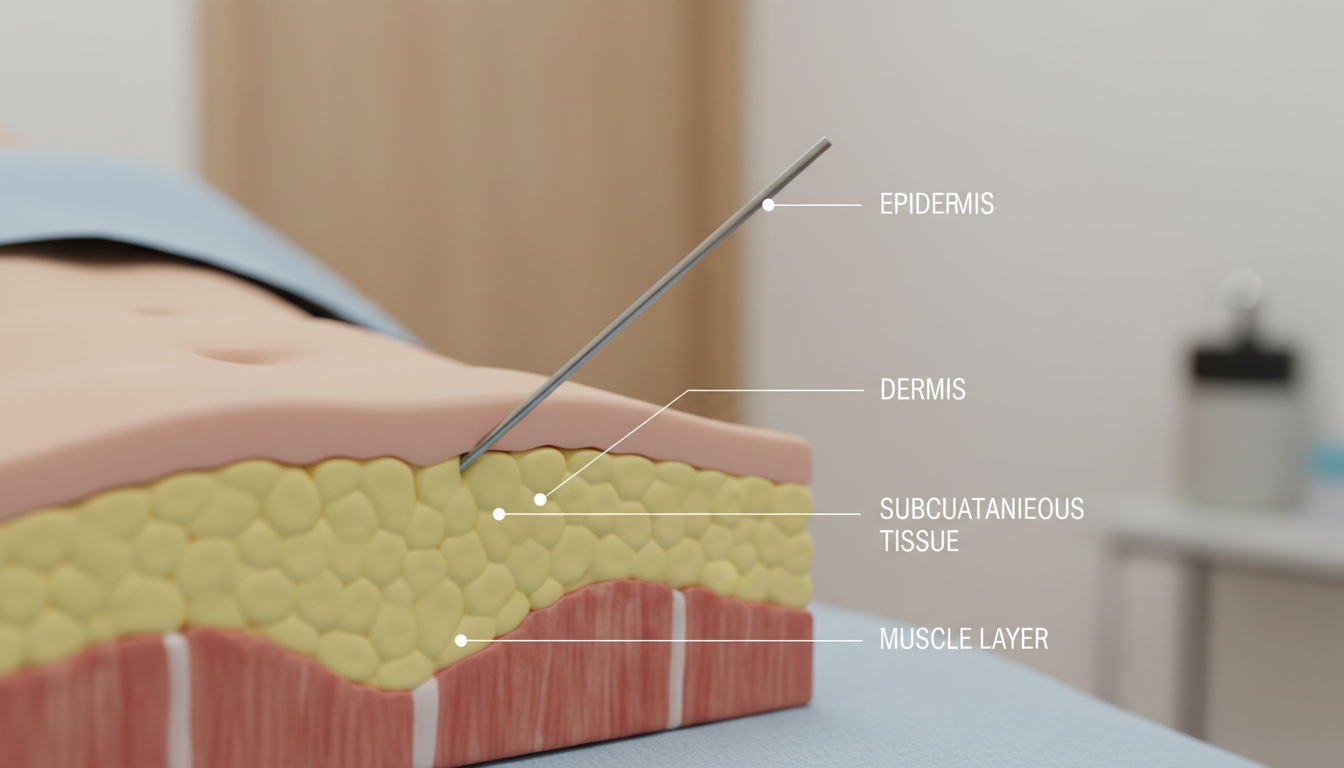
A subcutaneous injection bpc 157 is an injection into the fatty tissue just beneath the skin. This method is often preferred because it's relatively simple and allows the peptide to be absorbed slowly. Many users choose an injection site near the area of injury, such as the skin on the abdomen near a torn stomach muscle or the shoulder for a rotator cuff issue.
For detailed instructions on injection techniques, it's best to consult a healthcare professional. You can also review general guides on the best spots for these types of injections. For more information, see our post on where to inject peptides.
Feeling overwhelmed by the technical details? It's normal. Peptides require careful handling and precise dosing. To ensure you're doing things correctly and safely, it's best to work with an expert. Take our free quiz to get matched with a provider who can guide you through the process.
The 2026 Legal and Safety Status of Peptide Therapy BPC 157
The legal and safety landscape for BPC-157 is complex and has seen significant changes this year. Understanding these factors is crucial for anyone considering this compound.
Current Legal Status
As of March 2026, BPC-157 is legal to purchase in the United States as a research compound. It is not a controlled substance scheduled by the DEA. However, "for research purposes only" means it's not intended for human consumption or therapeutic use without a prescription.
A major regulatory shift happened in February 2026. The Department of Health and Human Services (HHS), under Secretary Robert F. Kennedy Jr., announced that BPC-157 and about a dozen other peptides were being moved from the FDA's Category 2 list back to Category 1. This was a reversal of a previous decision. Being on the Category 2 list would have prohibited compounding pharmacies from producing BPC-157. Now, as a Category 1 substance, FDA-registered compounding pharmacies can legally prepare peptide therapy bpc 157 for patients who have a valid prescription from a licensed doctor.
This change opens a legitimate medical pathway for patients, moving them away from the unregulated research market. It also means that searches for "bpc-157 peptide therapy near me" can now lead to actual clinics operating within legal guidelines.
Safety Profile and Known Risks
While BPC-157 has an extensive history of preclinical research without a toxic dose being identified in animal models, the human safety data is extremely thin. This is the most significant risk. As one 2026 analysis points out, there are no published long-term human safety studies.
The available human data is very limited. A pilot study observed two participants who received BPC-157 intravenously and showed no immediate adverse effects on vital signs or key organ function biomarkers. Another small retrospective case series on patients with chronic knee pain reported potential benefits in a handful of individuals. These studies are far too small to draw firm conclusions about safety or effectiveness.
One unresolved concern is related to angiogenesis, the formation of new blood vessels. While this is beneficial for healing, some experts worry it could potentially accelerate the growth of existing, undiagnosed cancers. This risk remains theoretical but highlights the importance of medical supervision.
Because of the lack of robust data, BPC-157 is currently banned in competitive sports by the World Anti-Doping Agency (WADA) under the S0 category of "non-approved substances." If you are a competitive athlete, using BPC-157 could result in a failed drug test. Given the risks and unknowns, it's wise to review the general pros and cons of peptide injections before proceeding.
Sourcing BPC-157: Clinics, Compounding, and Costs
With the new regulatory clarity in 2026, there are two primary ways people obtain BPC-157. Each comes with its own set of considerations regarding safety, quality, and cost.
The Medical Route: Peptide Clinics and Compounding Pharmacies
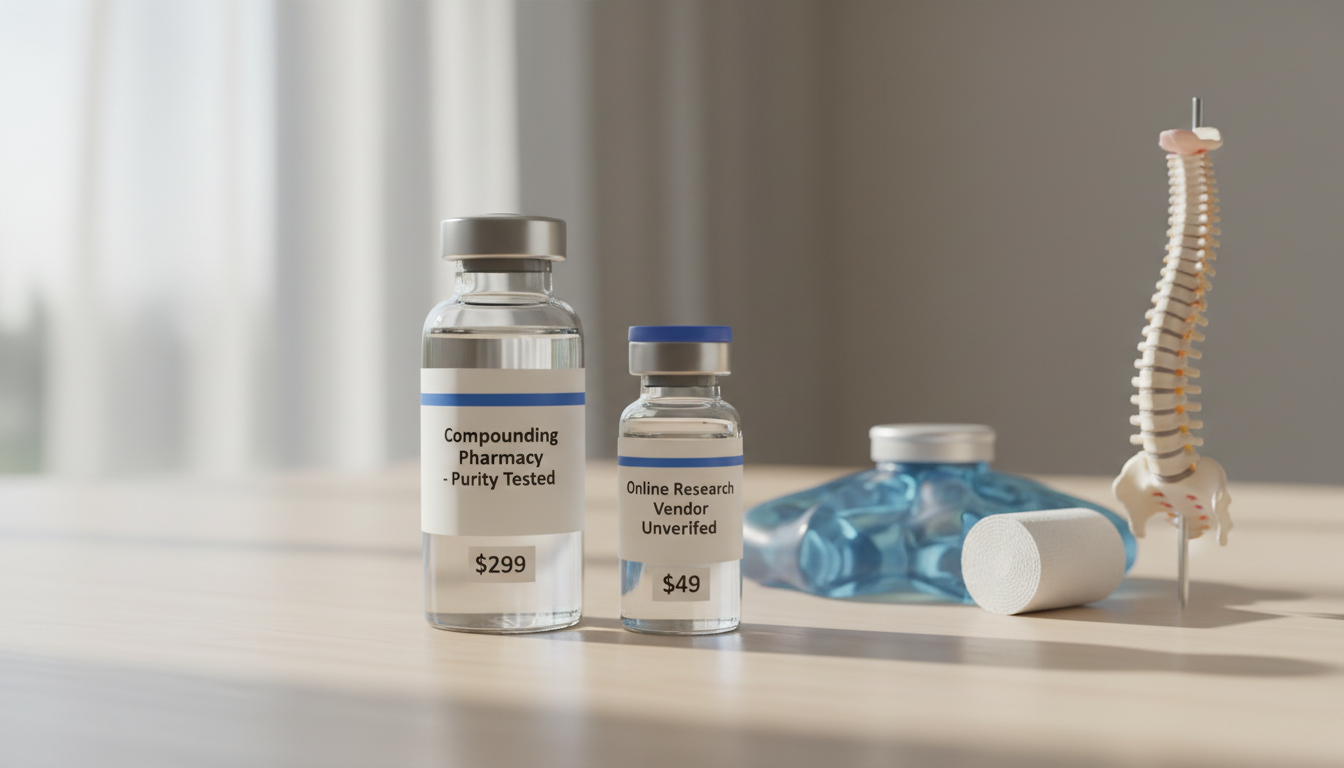
The safest and most legitimate way to access BPC-157 is through a healthcare provider. Following the February 2026 decision to reclassify it as a Category 1 substance, doctors can now prescribe BPC-157, and compounding pharmacies can legally prepare it for you. This path ensures you receive a product that is subject to quality and purity standards.
To get a prescription, you'll need to find a doctor who specializes in hormone optimization, functional medicine, or peptide therapy. These clinicians can evaluate your health history, determine if BPC-157 is appropriate for you, and write a prescription. You can start by searching for reputable peptide clinics online or near you.
Wondering how to find the right provider? It can be a challenge to find a doctor experienced with integrative peptides bpc 157. Our free 3-minute quiz can match you with vetted providers in your area.
The Research Route: Online Vendors
BPC-157 is also widely available from online vendors who sell it "for research use only." This market is largely unregulated. While some vendors may provide third-party testing for purity, there is always a risk of contamination, inaccurate dosing, or receiving a counterfeit product. Many people purchase a bpc 157 peptide injection kit from these sites, which typically includes the peptide, BAC water, and syringes. This route places the entire burden of quality control and safety on the consumer and is not recommended.
Understanding the Cost of BPC-157
The price of BPC-157 varies dramatically. A 2026 market analysis from PeptideVerdict found prices ranging from as low as $0.89 per milligram to a staggering $833.23 per milligram. This huge difference depends on several factors:
- Source: Prescription-grade BPC-157 from a compounding pharmacy will generally cost more than a product from a research vendor, but it comes with quality assurance.
- Form: Lyophilized powder for injection is typically priced differently than pre-mixed solutions or oral capsules.
- Purity and Testing: Vendors who invest in third-party testing to verify purity often charge more.
- Blends: Some products combine BPC-157 with other peptides, such as TB-500. This combination, often called
peptide bpc 157 and tb500, can affect the overall cost. You can learn more about how it compares in our BPC-157 vs. TB-500 article.
For a deeper dive into what drives these prices, check out our guide on what makes peptides cost so much.
What to Consider Before Starting BPC-157
Deciding whether to use a bpc 157 peptide injection is a significant decision that requires careful thought. Here are the key points to weigh.
First, acknowledge the state of the science. The evidence for BPC-157's healing properties in humans is still preliminary. While extensive animal studies and anecdotal reports are encouraging, they are not a substitute for high-quality clinical trials. The first major human trial just began this year, and definitive answers are still several years away.
Second, understand the risks. The biggest unknown is the lack of long-term human safety data. While no toxicity was found in animal studies, that doesn't guarantee safety in humans over months or years. The theoretical risk concerning cancer and the unregulated nature of the research chemical market are also serious considerations.
Third, the legal pathway has improved. The 2026 reclassification of BPC-157 to Category 1 status is a positive development. It allows for a safer, medically supervised route to access the peptide through a doctor's prescription and a compounding pharmacy. This is now the recommended path for anyone considering its use for therapeutic purposes. It avoids the quality and safety pitfalls of sourcing from research-only websites.
Before you do anything, your first step should be to speak with a qualified medical professional. Self-experimenting with injectable peptides bpc-157 sourced from the internet is a risky proposition. A doctor can help you understand the potential benefits and risks as they apply to your personal health situation.
Ready to explore your options with a professional? The world of peptide therapy can be confusing, but you don't have to figure it out alone. Take our free 3-minute quiz to get matched with a licensed provider who can create a plan that fits your health goals.
FAQs
Is a BPC 157 peptide injection legal in 2026? Yes, but with important distinctions. As of February 2026, it is legal for licensed compounding pharmacies to produce BPC-157 with a doctor's prescription. It is also sold legally as a research-only chemical. It remains unapproved by the FDA for any therapeutic use in humans.
How long does it take for BPC-157 to work? There are no official clinical timelines. Based on community-derived protocols, users often run cycles for 2-8 weeks to address specific injuries. Some report feeling effects within days or weeks, but results can vary widely and are not guaranteed.
What are the main risks of using BPC-157? The primary risks are the lack of long-term human safety data, the potential for contamination or incorrect dosage from unregulated online vendors, and the theoretical concern that its ability to promote blood vessel growth could affect existing cancers. It is also banned by WADA for competitive athletes.
Can I get BPC-157 from my regular family doctor? It is unlikely. Most general practitioners are not trained in peptide therapy. You will likely need to consult with a specialist in a field like functional medicine, anti-aging, or hormone optimization who has experience with peptides. You can use our Clinics directory or our provider matching quiz to find one.
What's the difference between BPC-157 and TB-500? Both are peptides known for their healing properties, but they have different origins and potential mechanisms. BPC-157 is a synthetic fragment of a stomach protein, while TB-500 is a synthetic version of a naturally occurring human protein called Thymosin Beta-4. They are often used together in a stack to support recovery.
Contributing to evidence-based peptide education and provider transparency.
Too many clinics, not enough clarity?
We don't sell peptides. Tell us your goals and we'll connect you with a vetted provider who can figure out what actually makes sense for you.
See what's right for youRelated articles
What Are the GHK-Cu Peptide Benefits and Side Effects?
Everyone is talking about GHK-Cu. This safety guide offers a balanced look at the ghk cu peptide benefits and side effects, cutting through the hype.
Tissue RepairThe Truth About Oral BPC 157 Side Effects
Considering oral BPC-157? We break down the potential oral BPC 157 side effects, looking at what animal studies and real user anecdotes actually report.
Tissue RepairWhen Is BPC-157 Effective Orally & When It's Not
Wondering is BPC-157 effective orally? While it's uniquely stable in stomach acid, its effect depends on your issue. Learn when oral BPC works and when another form might be better.