What Are the GHK-Cu Peptide Benefits and Side Effects?
Everyone is talking about GHK-Cu. This safety guide offers a balanced look at the ghk cu peptide benefits and side effects, cutting through the hype.
This content is for informational purposes only and does not constitute medical advice. Consult with a qualified healthcare provider before starting any new treatment.
The peptide GHK-Cu is one of the most talked-about compounds in anti-aging and regenerative medicine circles in 2026. With search interest skyrocketing over 1,000% this year, many are curious about its potential (PeptideMark, 2026). In this safety guide, we will provide a balanced look at the GHK-Cu peptide benefits and side effects. While its ability to boost collagen and support healing is promising, understanding the full safety profile is essential before considering it for your wellness routine. We will cover everything from minor skin reactions to the serious risks associated with unapproved uses.
The Legal and Regulatory Landscape in 2026
Before we analyze the side effects, it's critical to understand GHK-Cu's current status. As of April 2026, GHK-Cu is not approved by the FDA for any medical purpose. It cannot be legally prescribed or compounded by pharmacies for patient injection in the United States (MyPeptideMatch.com, 2026).
While you may find it in topical cosmetic creams, any product sold for injection is classified as a "research-use only" chemical. The FDA has temporarily restricted its use in compounding, though there is ongoing discussion that it might be reclassified, which could change its future availability through licensed pharmacies (Pure Peptide Clinic, 2026). This regulatory uncertainty adds a layer of risk for anyone considering its use.
Common GHK-Cu Peptide Benefits and Side Effects
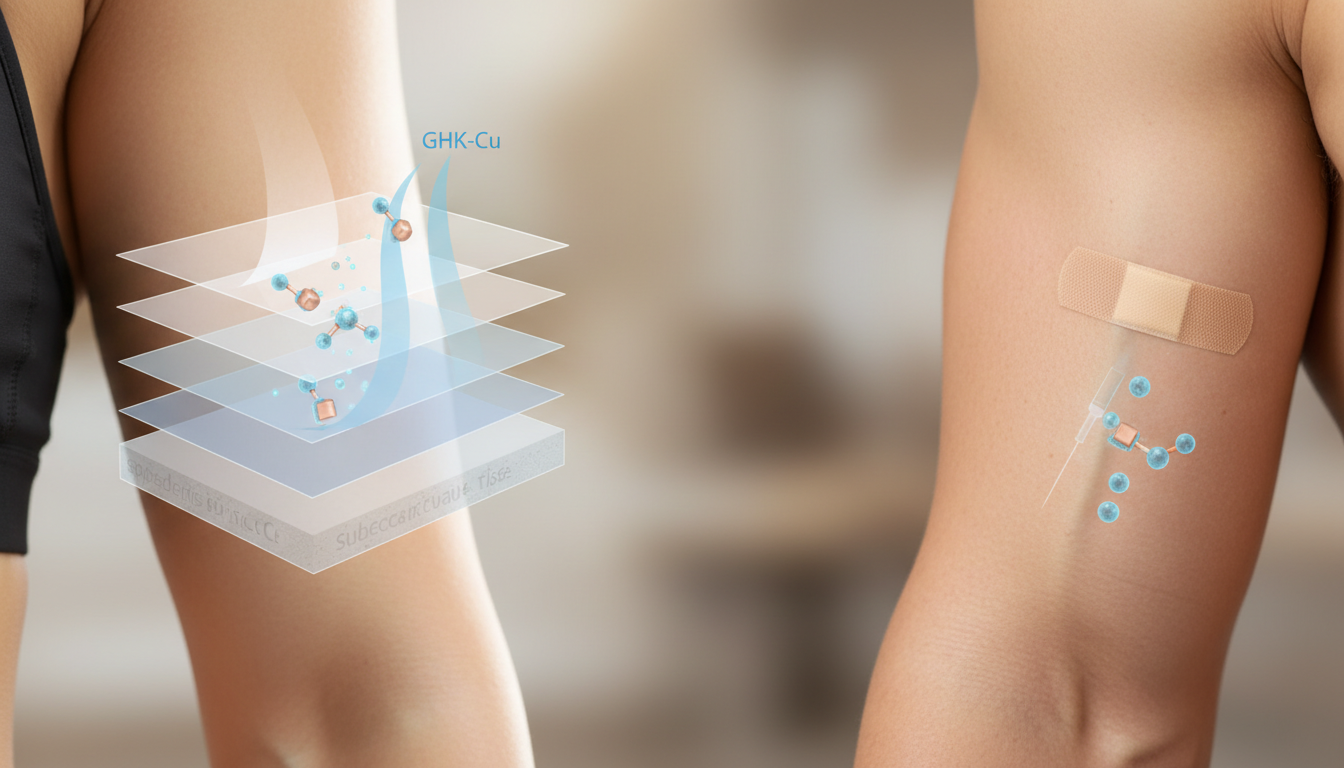
The side effects of GHK-Cu depend heavily on how it's used. Topical application has a different and generally milder risk profile compared to subcutaneous injections, which carry more significant and less-studied risks.
For context, GHK-Cu has shown real promise in topical form. A 2024 randomized controlled trial found that a 0.1% GHK-Cu cream led to a 31% reduction in wrinkles (Nationwide Peptides, 2026). This is one of the primary GHK-Cu peptide benefits for skin.
However, side effects can occur. Here is a breakdown of commonly reported issues based on available research.
| Side Effect | Application | Frequency | Description |
|---|---|---|---|
| Erythema (Redness) | Topical | 4.2% | Mild, temporary redness at the application site. |
| Pruritus (Itching) | Topical | 2.1% | Minor itching or irritation where the cream or serum was applied. |
| Bruising | Injection | ~20% | Bruising at or around the subcutaneous injection site. |
| Swelling | Injection | ~10% | Localized swelling and tenderness at the injection site. |
| Post-Injection Pain | Injection | Varies | A temporary stinging or aching sensation after the injection. |
| Temporary Fatigue | Injection | Anecdotal | Some users report feeling tired for a few hours after injection. |
It is crucial to know that the data for injectable side effects comes from investigational use, not from large-scale, placebo-controlled human trials. As several studies point out, there is almost no published human data for injectable GHK-Cu (Peptidings, 2026). This means the real frequency and severity of injection-related side effects are not well-established.
Serious Side Effects to Watch For
Beyond the more common issues, there are serious potential risks associated with GHK-Cu, particularly with injectable use and high doses.
Copper Overload (Toxicity)
GHK-Cu is a complex of the peptide GHK and a copper ion. While copper is essential for many bodily functions, too much of it can be toxic. The body has a fine-tuned system for regulating copper levels. Bypassing this system with high-dose injections could lead to copper accumulation.
One review noted that investigational injectable doses exceeding 50 mg per week could lead to copper overload (GHK Copper Peptides in 2026: Evidence-Based Review, 2026). Symptoms of copper toxicity can include:
- Nausea and vomiting
- Abdominal pain
- Headaches
- In severe cases, liver damage, kidney failure, or neurological issues
This is a significant risk with unmonitored, high-dose injectable use.
Risks from Unregulated Products
Since injectable GHK-Cu is not a legally marketed drug, those who obtain it are buying "research chemicals." These products are not subject to the same purity and safety standards as FDA-approved medicines. Using them poses several dangers:
- Impurities: The product could contain harmful contaminants or byproducts from poor manufacturing, leading to adverse reactions.
- Incorrect Concentration: The vial may contain more or less of the peptide than labeled, making accurate dosing impossible and increasing the risk of overdose or ineffectiveness.
- Lack of Sterility: Non-sterile products can cause serious infections at the injection site or systemically.
Research has emphasized that using impure products can cause reactions that are incorrectly blamed on the peptide itself, highlighting the need for high-purity sources that are often unavailable outside of a formal research setting (Real Peptides, 2026).
Feeling uncertain about how to weigh the science and risks? A qualified provider can help you understand your options for skin rejuvenation or healing. Take our free quiz to connect with a vetted peptide specialist in your area.
Who Should Not Take GHK-Cu
Due to its mechanism of action, GHK-Cu is not safe for everyone. Certain conditions make its use particularly dangerous. These are known as contraindications.
According to a 2026 safety analysis, individuals with the following conditions should avoid GHK-Cu (Real Peptides, 2026):
- Active Malignancies (Cancer): GHK-Cu promotes the growth of new blood vessels, a process called angiogenesis. While this is helpful for wound healing, it can also feed the growth of cancerous tumors.
- Wilson's Disease: This is a genetic disorder that prevents the body from properly removing excess copper. Using GHK-Cu would add to the copper burden and could be extremely dangerous.
- Pregnancy and Breastfeeding: There is no safety data on GHK-Cu use during pregnancy or lactation. Its effects on a developing fetus or a nursing infant are unknown, so it should be strictly avoided.
- Severe Heavy Metal Sensitivities: Individuals with known allergies or sensitivities to copper or other heavy metals could have a severe allergic reaction.
Drug Interactions
The research on GHK-Cu's interactions with other medications is virtually non-existent. This is a common issue with compounds that have not undergone formal FDA approval and large-scale clinical trials.
Because GHK-Cu can influence copper levels and modulates over 4,000 human genes, it has the potential to interact with a wide range of medications (PeptideMark, 2026). Potential areas of concern could include:
- Medications that affect liver or kidney function.
- Drugs that chelate or bind to metals.
- Other supplements or drugs that contain copper.
Given this complete lack of data, it is vital to discuss your full list of medications, supplements, and health conditions with a healthcare provider before considering any form of GHK-Cu. You can learn more about general peptide safety by reading about whether peptide therapy is FDA-approved.
How to Manage GHK-Cu Side Effects
If you are using GHK-Cu under the guidance of a healthcare professional and experience side effects, there are several ways to manage them.
For Topical Application:
- Skin Irritation (Redness, Itching): This is the most common issue. First, try reducing the frequency of application from daily to every other day. If irritation persists, you may need to use a lower concentration product or apply a simple, fragrance-free moisturizer first to act as a buffer. If the reaction is severe, stop use completely.
For Injectable Use:
- Injection Site Pain, Swelling, and Bruising: These reactions are common with many types of peptide injection therapy.
- Technique: Ensure you are using the correct subcutaneous injection technique. Rotating injection sites (e.g., different areas of the abdomen) can prevent localized tissue fatigue.
- Cold Compress: Applying a cold pack to the site for 10-15 minutes after the injection can help reduce immediate swelling and bruising.
- Gentle Pressure: Applying gentle pressure with a sterile gauze pad after the injection, without rubbing, can also minimize bruising.
- Temporary Fatigue: Some users report feeling tired after an injection. If this happens, schedule your injections for the evening before bed. Ensure you are well-hydrated and nourished. If fatigue is severe or persistent, it could be a sign of a different issue and should be discussed with your provider.
Finding the right approach to treatment can feel complicated. If you're looking for guidance, our quick matching tool can help. Our 3-minute quiz can match you with providers who prioritize patient safety and education.
Another Look at GHK-Cu Peptide Benefits and Side Effects for Bodybuilding
While much of the focus is on skin and hair, what about the GHK-Cu peptide benefits bodybuilding enthusiasts discuss online? On forums like Reddit, you may see anecdotal reports of enhanced recovery, reduced inflammation, and better joint health.
It's important to frame these discussions correctly. There are no clinical trials supporting the use of GHK-Cu for muscle growth or athletic performance. These reported benefits are based on its known wound-healing and anti-inflammatory properties. The theory is that it could help repair micro-tears in muscle more efficiently. However, this is purely speculative. Relying on it for bodybuilding goals carries all the risks of injectable use with none of the proven benefits seen with compounds designed for that purpose, like certain supplements for muscle growth.
When to See a Doctor
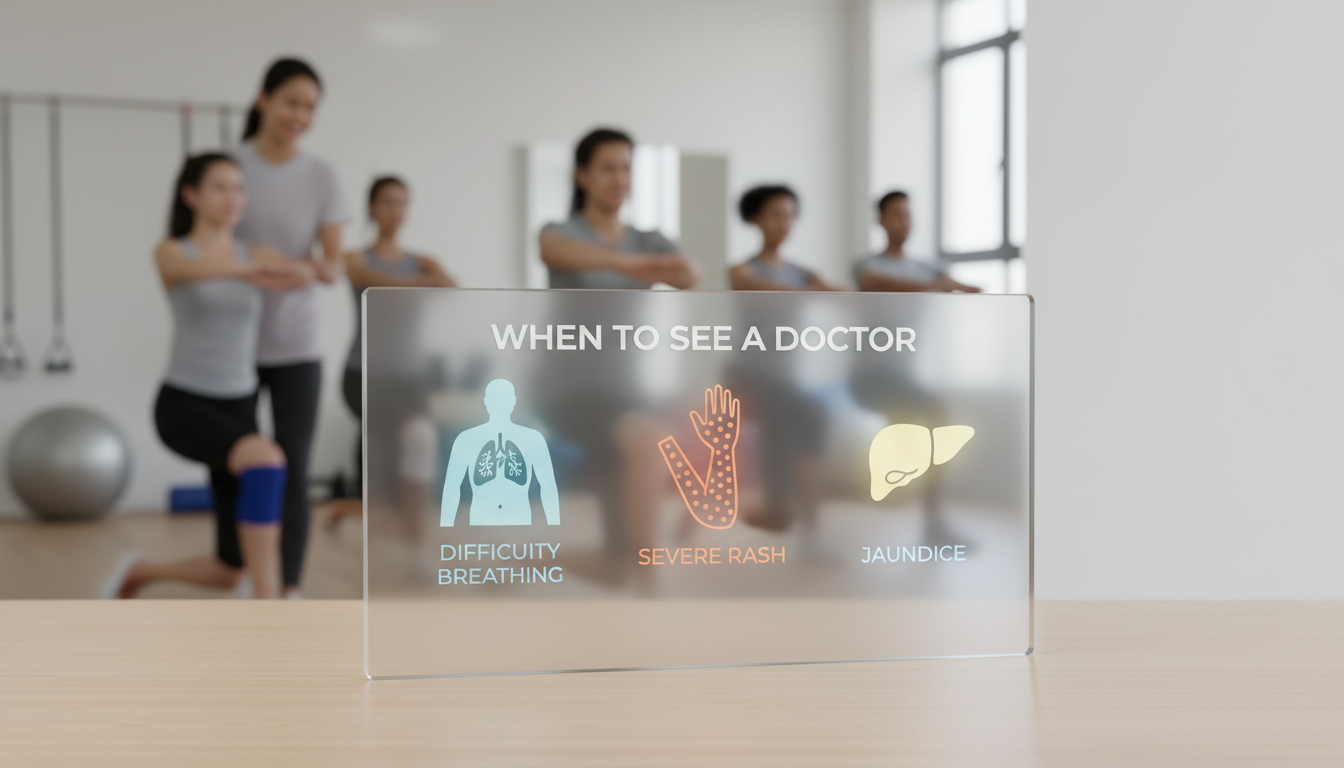
While minor side effects may be manageable at home, certain symptoms require immediate medical attention. Contact a doctor or seek emergency care if you experience any of the following after using GHK-Cu:
- Signs of a severe allergic reaction (anaphylaxis): This includes hives, swelling of the face, lips, tongue, or throat, and difficulty breathing.
- Severe or worsening injection site reaction: Signs of infection like intense heat, pus, red streaks, or a fever.
- Symptoms of potential copper toxicity: Persistent nausea, vomiting, yellowing of the skin or eyes (jaundice), or severe abdominal pain.
- Any side effect that you find debilitating or that does not resolve within a few days.
FAQ
Is GHK-Cu safe to use?
Topical GHK-Cu is generally considered well-tolerated and safe when used as a cosmetic ingredient, with mild skin irritation being the most common side effect. Injectable GHK-Cu is not FDA-approved and carries significant risks, including copper overload and dangers from using unregulated products. Its safety for injection has not been established in human trials.
What are the long-term side effects of GHK-Cu?
There is very little data on the long-term side effects, especially for injections. For topical use, long-term risks appear low. For injectable use, the main theoretical long-term risk is the slow accumulation of copper in the body, which could potentially lead to toxicity over time.
Can GHK-Cu peptide benefits on Reddit be trusted?
While personal anecdotes on forums like Reddit can be a starting point for research, they should not be mistaken for clinical evidence. Discussions about GHK-Cu peptide benefits Reddit users experience are based on individual, uncontrolled experiments and do not account for placebo effects, product purity, or other confounding factors.
Is injectable GHK-Cu legal in 2026?
No. As of April 2026, injectable GHK-Cu is not FDA-approved for any medical condition and cannot be legally prescribed or sold as a drug in the United States. It can only be sold as a "research chemical," and its administration to humans outside of a registered clinical trial is not authorized.
What's the difference between GHK-Cu and Pal-GHK?
GHK-Cu is the peptide GHK bound to a copper ion. Pal-GHK (Palmitoyl Tripeptide-1) is the GHK peptide attached to a fatty acid called palmitic acid. This modification is designed to improve the peptide's skin penetration and stability. Both are used in cosmetics for their collagen-boosting properties, but they are distinct molecules. Pal-GHK does not involve copper.
Contributing to evidence-based peptide education and provider transparency.
Too many clinics, not enough clarity?
We don't sell peptides. Tell us your goals and we'll connect you with a vetted provider who can figure out what actually makes sense for you.
See what's right for youRelated articles
The Truth About Oral BPC 157 Side Effects
Considering oral BPC-157? We break down the potential oral BPC 157 side effects, looking at what animal studies and real user anecdotes actually report.
Tissue RepairWhen Is BPC-157 Effective Orally & When It's Not
Wondering is BPC-157 effective orally? While it's uniquely stable in stomach acid, its effect depends on your issue. Learn when oral BPC works and when another form might be better.
Tissue RepairBPC-157 Side Effects: What We Actually Know
While lauded for healing, a clear look at the BPC-157 side effects is crucial. We separate the hype from reality and review what's known about its safety.