What Are the Actual TRT Benefits for Men?
Tired of feeling off? We cut through the myths to explain real TRT benefits for men. Learn how it can restore energy, sharpen focus, and revive your sex drive.

This content is for informational purposes only and does not constitute medical advice.
Feeling like you’ve lost your edge? If you're dealing with constant fatigue, a lagging libido, or trouble keeping fat off and muscle on, you might be one of the millions of men with low testosterone. For years, the conversation around treatment was filled with myths and outdated warnings. But the landscape is changing fast. For men with a clinical need, exploring the TRT benefits for men is more straightforward and evidence-backed than ever, especially with the latest research from 2025 and 2026. If you're experiencing the classic symptoms of decreased testosterone, understanding your options is the first step.
This definitive guide will walk you through what testosterone replacement therapy (TRT) is, how it works, its proven benefits, the real risks, and how to get started safely in 2026.
What Is Testosterone Replacement Therapy?
Testosterone replacement therapy, or TRT, is a medical treatment that restores testosterone levels to a normal range in men with diagnosed hypogonadism. This condition occurs when the body does not produce enough of this crucial hormone on its own, leading to a host of disruptive symptoms.
TRT is not about creating superhuman strength or taking a "fountain of youth" pill. It's a precise therapy designed to correct a documented hormone deficiency. To be diagnosed with hypogonadism, a man typically must have both clinical symptoms, like low energy and reduced sex drive, and consistently low testosterone levels confirmed by blood tests, usually with a morning total testosterone value under 300 ng/dL.
Historically, the FDA has approved TRT primarily for hypogonadism caused by specific medical issues. However, a major shift is underway. Following new safety data, an FDA expert panel in December 2025 recommended expanding the approved uses to include age-related testosterone decline with symptoms. This potential change, based on recent clinical findings, could make an appropriate diagnosis and treatment more accessible for men who need it. You can read more in our detailed guide on what TRT is.
How Does TRT Work?
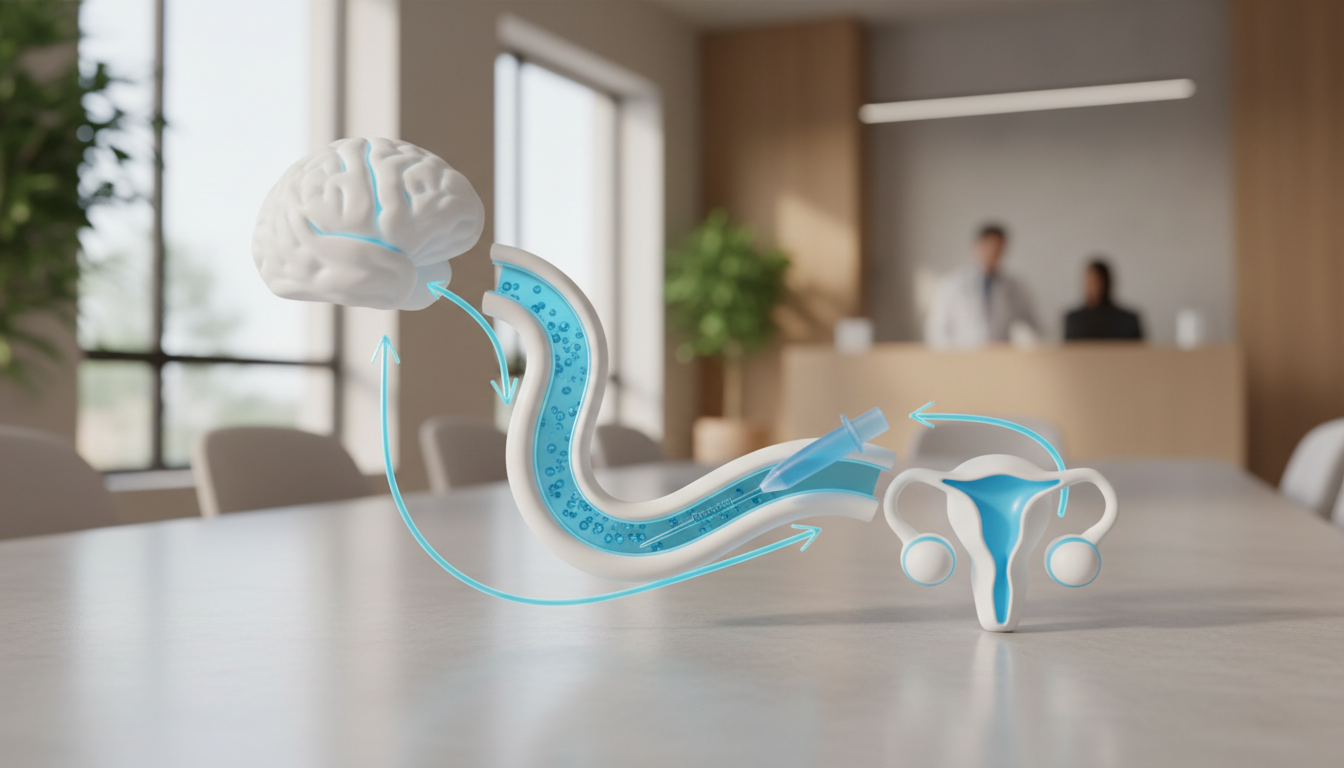
To understand how TRT works, you first need to understand testosterone's role. Testosterone is the primary male sex hormone, but it does more than just regulate your libido. It's a key player in maintaining muscle mass, bone density, red blood cell production, mood, and cognitive function. Your body produces it through a sophisticated feedback system called the hypothalamic-pituitary-gonadal (HPG) axis.
Here’s a simplified breakdown:
- Your hypothalamus (in the brain) detects low testosterone and releases gonadotropin-releasing hormone (GnRH).
- GnRH signals your pituitary gland to release luteinizing hormone (LH).
- LH travels through your bloodstream to your testes, telling them to produce and release more testosterone.
When this system falters due to aging, injury, or a medical condition, testosterone levels drop. TRT works by introducing testosterone from an external source, known as exogenous testosterone, to bring your levels back into a healthy, normal range. This is different from "boosting" your own production. Instead, TRT provides the hormone your body is missing.
A provider will aim to restore your testosterone to a healthy mid-normal range, typically between 300 and 800 ng/dL. This is a critical point. Medically supervised TRT is about normalization, not creating unnaturally high levels. This approach is fundamentally different from the supraphysiologic dosing seen in illicit anabolic steroid abuse, which carries substantially higher risks. If you're curious about the distinction, we've broken down if testosterone is a steroid in another post.
By restoring levels, TRT helps alleviate the symptoms caused by the deficiency, allowing the body's androgen receptors in muscle, bone, and brain tissue to function properly again.
Not sure if your symptoms point to a hormonal issue? Our free Hormone Symptom Checker can help you understand your signs, and our 3-minute quiz can match you with a qualified provider to discuss your options.
The Evidence-Based TRT Benefits for Men
The conversation around the TRT benefits for men has been completely reshaped by new, high-quality evidence. Thanks to groundbreaking studies, we now have a much clearer and more positive picture of what professionally managed TRT can achieve. Let’s look at the science.
Improved Sexual Function and Libido
One of the most well-known benefits of TRT is its effect on sexual health. A 2023 nested study within the large-scale TRAVERSE trial confirmed this directly. It found that over two years, middle-aged and older men on TRT saw significant improvements in libido, sexual activity, and overall hypogonadal symptoms compared to a placebo group. Specifically, they reported more frequent sexual activity at both the 6-month and 12-month marks. It is worth noting, however, that this particular study did not find a significant improvement in erectile function.
Enhanced Mood and Energy Levels
Chronic fatigue, irritability, and a general lack of motivation are hallmark symptoms of low testosterone. The hormone plays a vital role in regulating mood and energy. By restoring testosterone to normal levels, many men report a significant lift in their mood, a reduction in feelings of depression, and a return of their drive and vitality. This isn't just a feeling, it's a physiological response to giving your brain and body the hormone it needs to operate optimally.
Better Body Composition
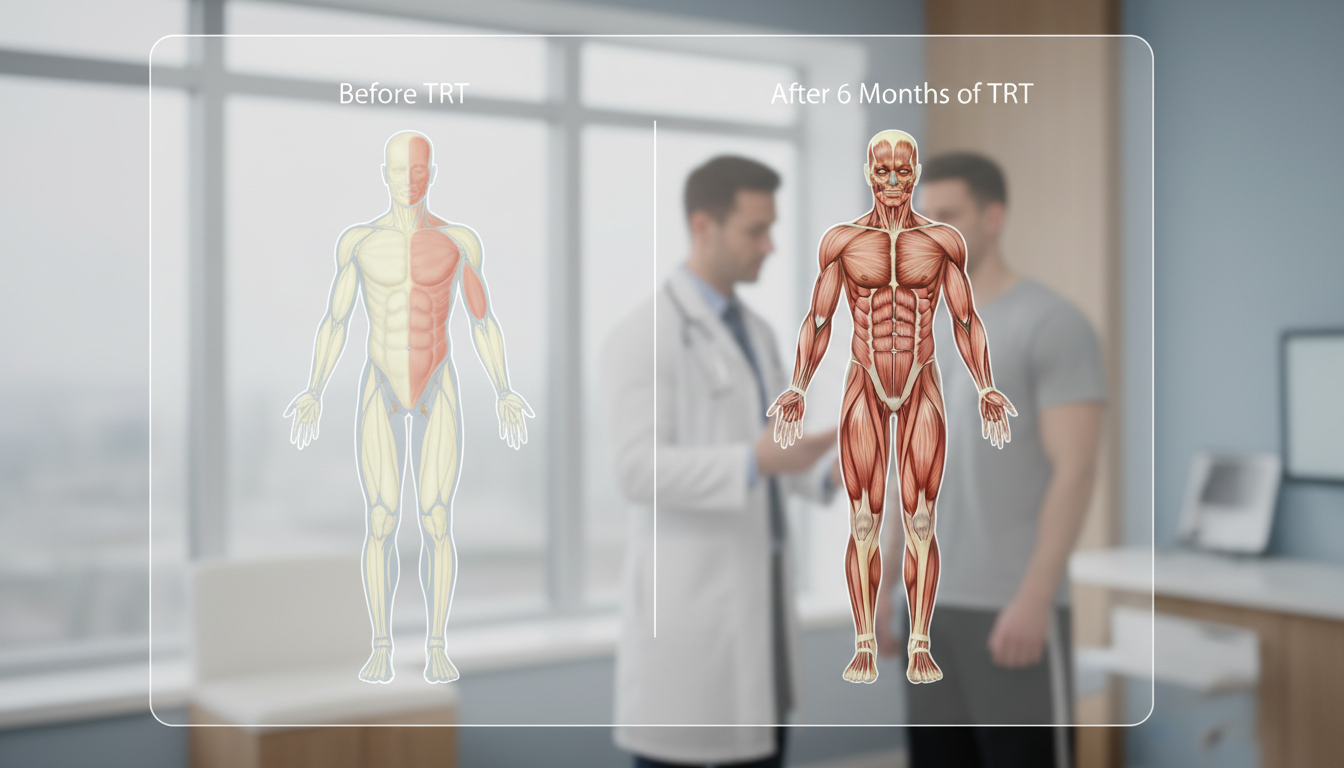
Struggling in the gym and seeing your belt size increase despite your efforts? Low testosterone can make it harder to build muscle and easier to store fat, particularly around the midsection. TRT can help reverse this trend. Clinical evidence shows that TRT promotes an increase in lean body mass and a corresponding decrease in fat mass. This can lead to improved strength, a more favorable body composition, and a higher resting metabolic rate. For those putting in the work, TRT can help ensure you see the results you're striving for. Check out our guide on the best testosterone injection for muscle gain to learn more.
Increased Bone Mineral Density
Testosterone is crucial for maintaining strong, healthy bones. As men age and testosterone levels decline, they become more susceptible to osteoporosis, a condition that weakens bones and makes them more likely to fracture. TRT has been shown to increase bone mineral density, especially in the hip and spine, helping to protect against age-related bone loss and reduce fracture risk.
Cardiovascular and Metabolic Health Updates
For over a decade, a cloud of uncertainty hung over TRT regarding cardiovascular risk. That cloud has finally lifted. The TRAVERSE trial, a massive FDA-mandated study involving over 5,200 men, delivered a clear verdict in 2024. It concluded that for men with hypogonadism, TRT did not increase the risk of major adverse cardiac events like heart attack or stroke.
This finding was so definitive that in February 2025, the FDA officially removed the "black box" warning about cardiovascular risk from all testosterone products. A 2026 meta-analysis of 41 trials further supported these findings, showing no significant increase in cardiovascular events. We have a full article that answers the question, "Is TRT actually dangerous?", using this new data.
The TRAVERSE trial also uncovered other positive effects. For men who were anemic at the start of the study, TRT corrected the anemia in 41% of cases, compared to only 27.5% in the placebo group. Even more impressively, among men who did not have diabetes, TRT was associated with a 22.5% reduction in new-onset diabetes.
Potential Risks and Side Effects of TRT
No medical treatment is without potential side effects, and TRT is no exception. However, with proper management by a qualified medical provider, these risks are generally minimal and manageable. The key is consistent monitoring and an open line of communication with your doctor.
The most common side effects are often mild and include:
- Acne or oily skin
- Mild fluid retention
- Changes in hair growth
The more significant side effects are the ones your provider will monitor for with regular lab work. One of the most important is polycythemia, or an increase in red blood cell count (measured as hematocrit). While testosterone helps produce red blood cells, which is why it can correct anemia, too many can thicken the blood and increase the risk of clotting. This is easily managed by adjusting the dose or having the patient donate blood.
What about cancer? The old fear that TRT causes prostate cancer has been largely debunked. Both the TRAVERSE trial and the 2026 meta-analysis of 41 studies found no increased risk of prostate cancer in men undergoing TRT. This led the December 2025 FDA panel to recommend removing the prostate cancer contraindication from TRT guidelines. Still, routine monitoring of Prostate-Specific Antigen (PSA) levels remains a standard part of care.
It's also important to note the full findings of the TRAVERSE trial. While it confirmed overall cardiovascular safety regarding heart attacks and strokes, the New England Journal of Medicine publication noted a slightly higher incidence of atrial fibrillation, acute kidney injury, and pulmonary embolism in the testosterone group. These are important considerations for your doctor to discuss with you based on your personal health history.
Finally, TRT will suppress your body's natural testosterone production. This leads to testicular shrinkage and a significant decrease in sperm count, causing infertility. For men who wish to preserve their fertility, this is a critical conversation to have with a provider. Sometimes, other medications like HCG injections can be used alongside TRT to help maintain testicular function and sperm production.
Confused by the different options and what might be right for your goals and budget? It's a lot to take in. Our free 3-minute quiz can help you cut through the noise and get matched with a vetted provider who can offer guidance specific to you.
How to Get Started and How TRT is Administered
Starting TRT is a process that should always begin with a qualified healthcare provider. Whether online or in person, the initial steps are consistent and crucial for your safety.
- Initial Consultation & Symptom Assessment: You'll discuss your symptoms, medical history, and goals with a provider.
- Comprehensive Blood Work: This is non-negotiable. A legitimate provider will require a recent blood test to confirm low testosterone and check other important health markers, such as your complete blood count (CBC), PSA levels, and lipid panel. You can learn more about how to get your testosterone tested.
- Diagnosis and Treatment Plan: If the results confirm clinical hypogonadism and it's safe for you to proceed, the provider will discuss a treatment plan with you.
Once you have a plan, TRT can be administered in several ways.
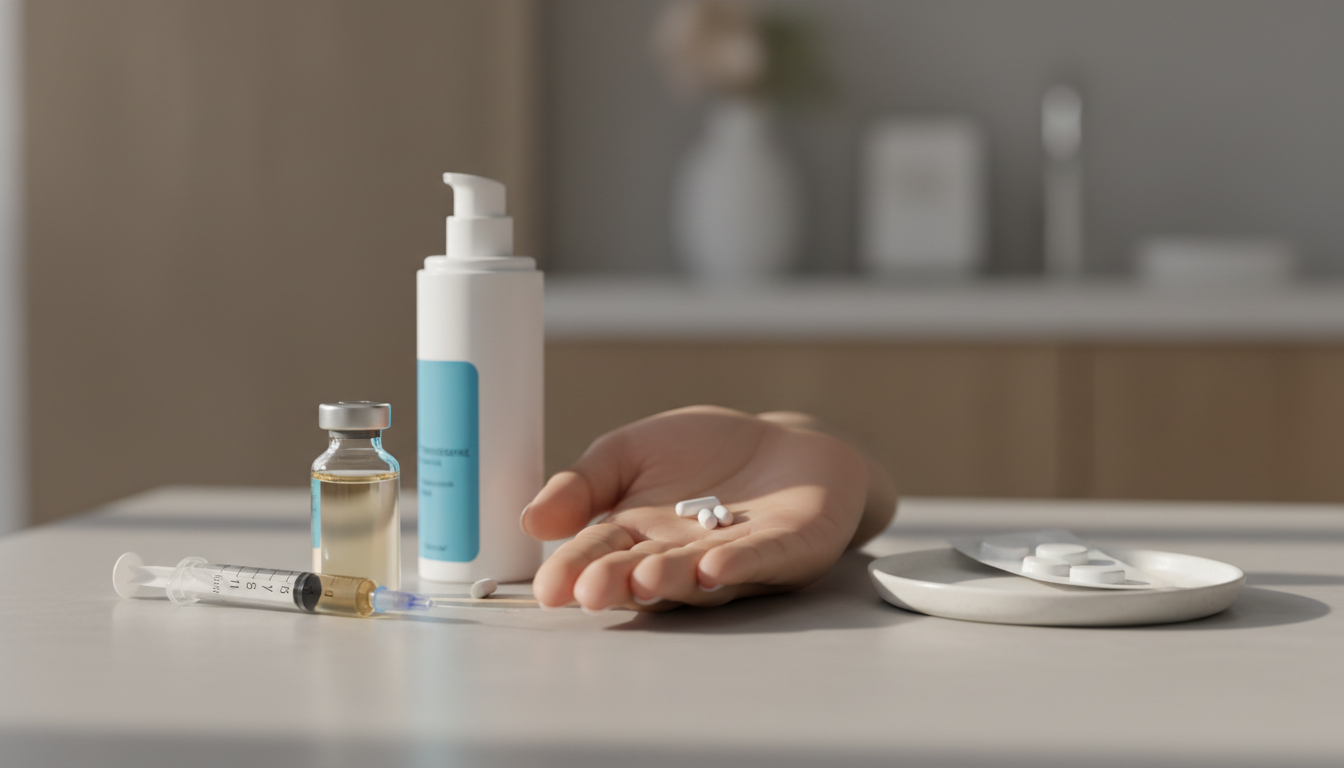
- Injections: The most common and often most cost-effective method. Testosterone cypionate or enanthate is injected into a muscle (intramuscular) or into the fat layer under the skin (subcutaneous). You can learn where to inject testosterone in our guide.
- Transdermal Gels: A testosterone gel is applied to the skin daily. This provides steady hormone levels but requires care to avoid transferring the gel to others.
- Pellets: Small, rice-sized pellets are implanted under the skin by a provider every 3-6 months, releasing testosterone slowly over time.
- Oral Formulations: The newest options for 2026 include FDA-approved oral capsules like KYZATREX®, which restored testosterone levels in 96% of men in studies. New liquid nanoemulsions are also becoming available through some telehealth platforms, offering an injection-free alternative. More options for testosterone tablets for men are on the horizon.
The cost of TRT can vary widely based on the method, dosage, and whether you use insurance. To see a detailed breakdown, check out our guides on the overall costs and the specific cost of testosterone shots.
Legal Status and FDA Approval in 2026
The legal and regulatory environment for TRT has seen more positive change in the last two years than in the previous twenty. This is great news for men seeking safe, effective treatment.
Currently, testosterone is classified as a Schedule III controlled substance in the United States. This means it requires a prescription and has recognized medical uses but also a potential for abuse.
The big story is the FDA's response to the TRAVERSE trial. In February 2025, the agency took the significant step of removing the black box warning regarding cardiovascular risk from all testosterone product labels. This action validated the therapy's safety profile when used as directed in hypogonadal men.
Building on that momentum, an FDA expert advisory panel met in December 2025 and issued several groundbreaking recommendations:
- Expand Indications: They recommended that TRT be officially approved for "age-related" testosterone deficiency with symptoms, not just for cases caused by specific diseases.
- Remove Contraindications: They suggested removing the formal contraindication for men with a history of prostate cancer, given the overwhelming new evidence showing a lack of risk.
- Reclassify Testosterone: The panel even recommended re-evaluating testosterone's status as a Schedule III controlled substance, citing new evidence.
As of April 2026, these are still recommendations awaiting final FDA action. However, they signal a monumental shift in the medical community's understanding and acceptance of TRT. This validates the work of top-tier online testosterone therapy clinics that have been safely treating men for age-related hypogonadism for years. It also raises the standard, creating an expectation for all providers to use comprehensive lab work and transparent monitoring to ensure patient safety.
Ready to explore your options with a qualified professional? Take our free 3-minute quiz to get matched with a licensed provider who understands the latest guidelines and can help determine if TRT is right for you.
Frequently Asked Questions About TRT Benefits for Men
Is TRT the same as taking steroids?
No. While testosterone is technically an anabolic steroid, medical TRT is about replacement, not enhancement. TRT uses a prescribed dose to bring your low hormone levels back into a normal physiological range. Illicit steroid use involves taking supraphysiologic doses, often 10 to 100 times higher than a medical dose, for muscle gain, which carries severe health risks.
How long does it take to see the benefits of TRT?
It varies by individual and benefit. Some men report improvements in mood, energy, and libido within 3 to 6 weeks. Physical changes, like increased muscle mass, decreased fat, and improved bone density, take longer and are typically noticeable after 3 to 6 months of consistent therapy.
Will TRT make me lose my hair?
TRT itself does not cause male pattern baldness, but it can accelerate it if you are already genetically predisposed to it. The process involves testosterone converting to dihydrotestosterone (DHT), which can shrink hair follicles. If you are not genetically prone to hair loss, TRT is unlikely to cause it.
Can I stop TRT once I start?
You can, but it should be done under a doctor's supervision. Because TRT suppresses your body's natural production, stopping abruptly can cause your testosterone levels to crash, leading to a return or worsening of your original symptoms. A provider can guide you on a protocol to help restart your natural production, but it can take time.
Does insurance cover TRT in 2026?
Coverage is highly variable. It depends on your specific insurance plan, your diagnosis, and a provider's ability to document medical necessity. While the recent FDA changes may encourage broader coverage in the future, many plans still have strict criteria. You can learn more in our guide about TRT and insurance coverage.
Is online TRT safe?
Yes, online TRT can be very safe and effective when done through a reputable platform. A safe online clinic will require comprehensive lab testing, have you consult with a licensed provider via telehealth, prescribe medication from a legitimate pharmacy, and require regular follow-up monitoring. The new FDA guidance validates this model of care for patients who choose a high-quality, transparent provider. Finding one is easier than ever with an online testosterone therapy clinic that fits your needs.
Contributing to evidence-based peptide education and provider transparency.
Too many clinics, not enough clarity?
We don't sell peptides. Tell us your goals and we'll connect you with a vetted provider who can figure out what actually makes sense for you.
See what's right for youRelated articles
Which Protein Supplements for Muscle Growth Actually Work?
Tired of the hype? Find out which protein supplements for muscle growth are backed by science and learn how to pick the right one for your goals.
Hormone TherapyWhat Are the Real Magnesium Glycinate Benefits?
Uncover the science-backed magnesium glycinate benefits. We explore its effects on sleep, stress, and muscle function and explain why it's a top choice.
Hormone TherapyWhat B12 Shot Benefits Can You Actually Expect?
B12 shots are often hyped for energy, but the real b12 shot benefits are more specific. Learn who is a true candidate and what results to expect.