Does HGH Make You Taller? Here's Who It Works For
You asked, "does HGH make you taller?" For children with open growth plates, yes. For adults, no. Find out how HGH works on bones and when it's too late.

This content is for informational purposes only and does not constitute medical advice.
The question of "does HGH make you taller" is one of the most common searches related to human growth hormone. The short answer is yes, but only for a specific group of people under specific circumstances. For adults who have finished puberty, the answer is a clear no. HGH works on bone growth, but only when your bones are still capable of growing.
This guide breaks down exactly how HGH affects height, who it can help, the associated costs and risks, and what the latest 2026 research says. We will cover everything from medically supervised therapy for children to the dangers of illegal use in adults.
General Questions About HGH and Height
Let's start with the basics. Understanding what HGH is and how it interacts with your body is key to knowing why it can affect height for some but not for others.
What is Human Growth Hormone (HGH)?
Human Growth Hormone is a critical hormone produced by the pituitary gland. It plays a huge role in growth during childhood and adolescence. HGH stimulates cell reproduction and regeneration, which is essential for building bones and tissues. In adulthood, its role shifts to maintaining organ health, managing metabolism, and supporting body composition. While its production slows with age, it remains important for overall health throughout your life. For a deeper look, you can read our explainer on what human growth hormone does.
How does HGH make you grow taller?
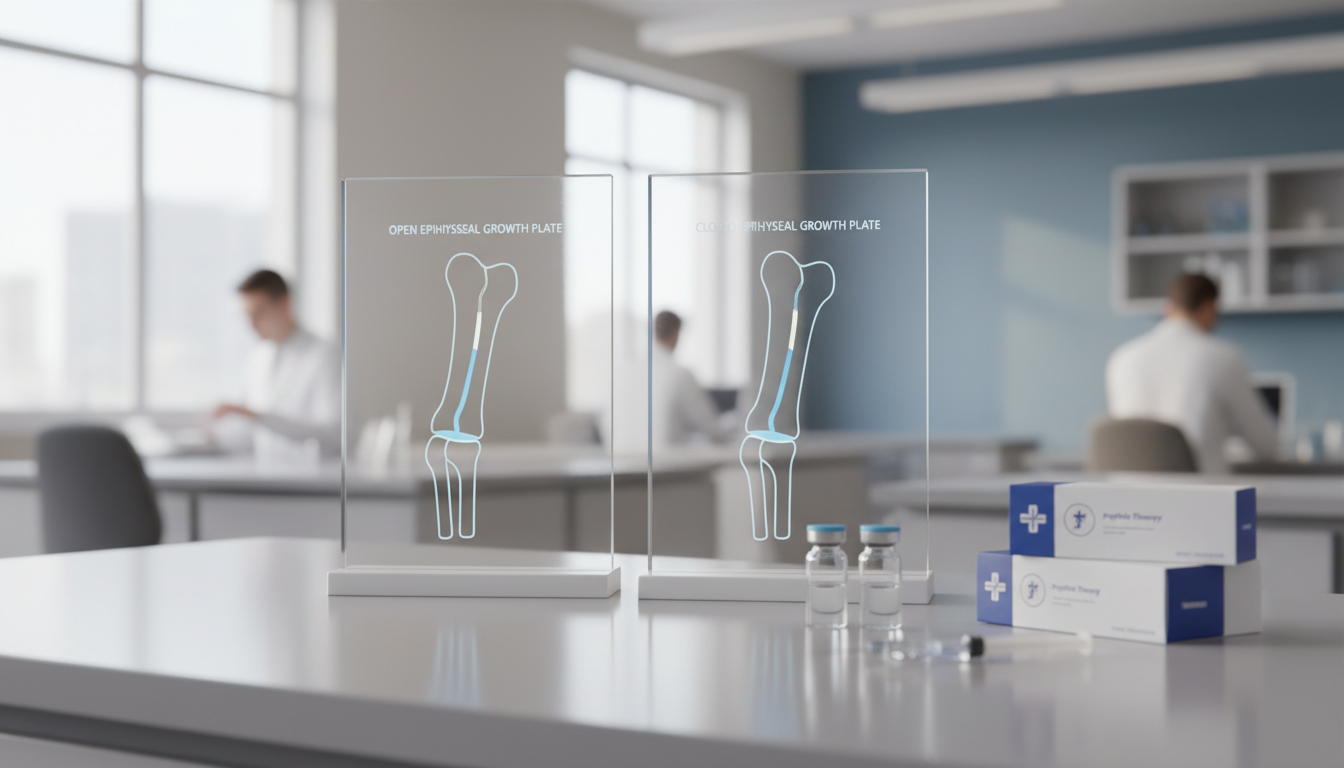
HGH doesn't directly lengthen your bones. Instead, it signals the liver to produce another hormone called Insulin-like Growth Factor 1 (IGF-1). This is the hormone that actually tells the cells at the ends of your long bones to multiply. These areas are called epiphyseal plates, or growth plates. As long as these plates are "open" and made of soft cartilage, IGF-1 can stimulate new bone tissue to form, making the bones longer and increasing your height. This process is most active during your growing years.
What are growth plates and why do they matter?
Growth plates are areas of developing cartilage tissue near the ends of the long bones in children and adolescents. Think of them as active construction zones for height. As long as these plates are open, your bones can lengthen. During and after puberty, hormonal changes, particularly the rise in estrogen, signal these cartilage plates to harden or "close." Once they fuse into solid bone, they can no longer create new bone tissue. This marks the end of vertical growth, and your final adult height is set.
Can HGH make you taller after puberty?
No, HGH cannot make you taller after your growth plates have closed. Once puberty is complete, which for most people is between the ages of 16 and 21, the growth plates fuse into solid bone (Druchen). At this point, no amount of HGH can restart the bone-lengthening process. Taking HGH as an adult in an attempt to gain height is not only ineffective but can also lead to serious health problems. Your bones can thicken, but they cannot get longer.
What happens if an adult takes HGH for height?
When an adult with closed growth plates takes HGH, it can't increase their height. Instead, it can lead to a condition called acromegaly. This causes bones in the hands, feet, and face to thicken and grow wider. It also causes the enlargement of soft tissues and internal organs like the heart, which can be dangerous (Eathealthy365). Other potential side effects include joint pain, an increased risk of diabetes, and carpal tunnel syndrome. For a full breakdown, review the common HGH side effects in males.
How can adults appear taller without HGH?
While you can't grow taller, you can look taller. The simplest way is by improving your posture. Slouching can compress your spine and make you appear shorter than you are. Research shows that dedicated postural correction training can result in a measurable increase in height, sometimes almost an inch, by strengthening core muscles and properly aligning the spine (Oreate AI Blog). Practices like yoga and Pilates can help achieve this. Additionally, certain stretches can decompress the spine, providing a small, temporary height boost.
What is the only permanent way to get taller as an adult?
The only method to permanently increase height after puberty is a surgical procedure called limb-lengthening. This is an invasive, painful, and extremely expensive operation. It involves breaking the leg bones and using a special device to slowly pull them apart over several months, allowing new bone to form in the gap. The procedure comes with significant risks, a long recovery period, and can cost anywhere from $75,000 to $150,000 in the United States (Druchen). It is typically reserved for individuals with significant limb-length discrepancies.
Are over-the-counter HGH supplements effective for height?
No. The "HGH supplements" sold online or in stores do not contain actual human growth hormone. Real HGH is a complex protein that must be injected to be effective; if you swallowed it, your stomach acid would simply digest it. These supplements usually contain amino acids or herbal ingredients that marketers claim can stimulate your body's own HGH production. While some ingredients might offer a very mild boost, they do not produce the significant HGH levels needed to affect height and are ineffective for adult height gain (ecbt.org).
What's the difference between HGH and HGH peptides?
This is a key distinction. HGH is the actual hormone, a large molecule that requires a prescription. HGH peptides, like Sermorelin or Ipamorelin, are smaller chains of amino acids. They act as secretagogues, meaning they signal your pituitary gland to produce and release more of its own HGH. They don't replace your HGH, they stimulate it. This is often seen as a more natural approach with a lower risk of side effects. We break this down in detail in our guide to HGH vs. HGH Peptides.
How much can HGH increase a child's height?
For children with a diagnosed medical need, HGH therapy can be very effective. A Phase IV study of the biosimilar somatropin Cinnatropin® showed an average increase in height standard deviation score (HSDS) of about 0.4 over one year (Springer). The long-term enliGHten trial for lonapegsomatropin found that children with GHD showed sustained height improvements for up to 6 years, with a majority reaching their parental height potential (PubMed). The exact amount of height gained depends on the underlying condition, age at the start of treatment, and adherence to the therapy.
Thinking about hormone optimization but don't know where to start? A qualified provider can help you understand your options. Take our free quiz to get matched with a vetted clinic.
Does HGH Make You Taller? The Medical View
Medically, HGH is a powerful tool, but it's used for specific, diagnosed conditions—not for cosmetic height enhancement. Here’s how it works in a clinical setting.
Who is a candidate for HGH therapy for height?
HGH therapy is FDA-approved for children with several conditions that cause short stature. The most common is Growth Hormone Deficiency (GHD), where the pituitary gland doesn't produce enough HGH. It's also approved for children with Turner syndrome, Prader-Willi syndrome, chronic kidney disease, and those born small for gestational age. A retrospective study also showed that recombinant HGH can be effective for children with Short Stature Unresponsive to Stimulation (SUS), but less so for those with Idiopathic Short Stature (ISS), meaning short stature with no known cause (Frontiersin).
How effective is HGH for children with growth issues?
When used for approved conditions, HGH is quite effective. Studies show it can significantly increase a child's final adult height, often helping them reach a height within the normal range. The enliGHten trial, an international study, found that once-weekly HGH injections led to sustained height improvements over six years, with many participants reaching or exceeding their average parental height (PMC). The goal of therapy is to help a child achieve their genetic height potential, not to make them taller than they were destined to be (Kingsberg Medical).
What does HGH therapy for height involve?
Legitimate HGH therapy requires close medical supervision. The process involves a diagnosis from an endocrinologist, followed by a prescription for synthetic HGH. The hormone is administered through daily subcutaneous injections, usually given at home by a parent. The child's growth, hormone levels, and bone age are monitored regularly through check-ups and blood tests. Treatment typically continues for several years until the child's growth plates close or they reach an acceptable adult height.
How much does HGH therapy cost?
Prescription HGH is very expensive. Without insurance, the cost for treating a child can range from $20,000 to $50,000 per year (Eathealthy365). Some research from the UK-based GHD Reversal Trial cites annual costs between £10,000 and £23,000 per child (Trials Journal). For adults receiving HGH for a diagnosed deficiency, the cost can average around $1,000 per month (Kingsberg Medical). The high price is due to the complex manufacturing process for this biologic drug. Insurance coverage depends on the specific diagnosis and plan.
Is HGH legal for height enhancement?
Here we answer the question, is HGH legal? In the United States, HGH is a controlled substance. It is only legal to use with a valid prescription from a licensed doctor for an FDA-approved medical condition. Using HGH off-label for cosmetic reasons, such as bodybuilding or adult height enhancement, is illegal. Purchasing HGH from unverified online sources without a prescription is also illegal and unsafe, as these products are often counterfeit, contaminated, or improperly dosed (Eathealthy365).
Natural Ways to Boost Growth Hormone
While you can't make yourself taller as an adult, you can take steps to naturally support your body's HGH production, which has other health benefits.
Does sprinting increase growth hormone?
Yes, high-intensity exercise is one of the most effective natural ways to stimulate HGH release. Sprinting, or any form of exercise that pushes you to your anaerobic threshold for short bursts, can cause a significant, temporary spike in HGH. This is part of the body's response to the physical stress of intense activity, signaling the need for repair and recovery. A consistent routine of high-intensity interval training (HIIT) can help optimize your body's natural GH production rhythms.
Does fasting boost growth hormone?
Intermittent fasting has also been shown to be a powerful stimulator of HGH. When you fast, your insulin levels drop, which in turn can lead to a significant increase in HGH secretion. Some studies have shown that fasting for 2-3 days can increase HGH levels several times over. This surge in HGH helps preserve muscle mass and shift your body to using fat for fuel during the fasting period. Even shorter fasting windows, like the popular 16:8 method, may help support healthier HGH levels.

What other lifestyle factors affect GH levels?
Getting adequate, high-quality sleep is arguably the most important factor for HGH production. The largest pulse of HGH is released during deep, slow-wave sleep. Consistently poor sleep can disrupt this natural cycle and lower your overall GH levels. A balanced diet low in refined sugar is also important, as high insulin levels can blunt HGH release. Managing stress is another key, since the stress hormone cortisol can inhibit growth hormone. Learn more about how to increase growth hormone naturally.
Can natural methods make you taller as an adult?
No. To be clear, while lifestyle changes like exercise, fasting, and good sleep can help optimize your natural HGH production, they will not make you grow taller once your growth plates have closed. The HGH boost from these activities is beneficial for muscle maintenance, fat metabolism, and overall health, but it cannot override the biological reality of fused bones. These methods are about supporting your hormonal health, not about changing your skeletal structure.
Want to see which options fit your budget and goals? Our free quiz takes 3 minutes and matches you with vetted providers.
Does HGH Make You Taller? Risks & Legal Status
The desire for extra height can lead some to consider risky, illegal options. Understanding the dangers and legal boundaries is critical.
Why is using HGH without a prescription dangerous?
Using HGH without a doctor's supervision is dangerous for several reasons. First, you have no way of knowing if the product you're buying is real, sterile, or correctly dosed. Black market HGH can be counterfeit or contaminated. Second, self-administering HGH without medical guidance means you aren't being monitored for side effects or adverse reactions. A doctor monitors blood work to ensure your hormone levels stay within a safe range, a crucial step you miss when using it illegally.
What are the side effects of illegal HGH use in adults?
The risks of using unprescribed HGH as an adult are significant. In addition to triggering acromegaly (abnormal growth in hands, feet, and face), it can cause carpal tunnel syndrome, joint and muscle pain, fluid retention (edema), and insulin resistance, which can lead to type 2 diabetes. It may also increase the risk of certain cancers and contribute to heart problems due to organ enlargement. These are serious, long-term health consequences that far outweigh any perceived benefit.
How do you get a legal HGH prescription?
A legal HGH prescription starts with a visit to a qualified medical professional, typically an endocrinologist. The doctor will conduct a thorough evaluation, including a physical exam, a review of your medical history, and specific blood tests to measure your hormone levels. This may include a GH stimulation test. HGH is only prescribed if these tests confirm a legitimate medical need, such as adult-onset GHD. It is never prescribed for cosmetic reasons like anti-aging or height increase in healthy adults.
Where can you find a qualified provider for hormone therapy?
Finding a knowledgeable and reputable provider is the most important step for anyone considering hormone therapy. Look for clinics that specialize in endocrinology or hormone optimization. You can search for local clinics or use online telehealth platforms that connect you with licensed doctors. A good provider will require comprehensive testing and will create a treatment plan based on your specific health needs and goals, always prioritizing your safety.
Ready to explore your options with a professional? Take our free 3-minute quiz to get matched with a licensed provider who can help.
FAQs
Does HGH make you taller at 18?
It depends. For some males, growth plates may still be open at age 18, so HGH could potentially add a small amount of height if prescribed for a diagnosed deficiency. For most females, growth plates are closed by 18. If your growth plates have already fused, HGH will not make you taller. An x-ray of the wrist can determine if the growth plates are still open.
Can HGH increase height at age 25?
No. By age 25, the growth plates in the long bones are fused in virtually all adults (Oreate AI Blog). It is physiologically impossible for HGH to increase your height by lengthening your bones at this age. Any perceived "growth" would be due to soft tissue swelling or bone thickening, characteristic of the dangerous condition acromegaly.
Is HGH legal to buy online for personal use?
No, it is illegal to buy HGH online without a valid prescription from a doctor in the United States. HGH is a controlled substance due to its potential for abuse and significant side effects. Websites that sell HGH without requiring a prescription are operating illegally, and their products are unregulated and potentially unsafe.
What's the difference between real HGH and HGH peptides?
Real HGH (somatropin) is a bio-identical replacement for the hormone your body produces. HGH peptides (like CJC-1295 or Ipamorelin) are not the hormone itself. They are smaller proteins that stimulate your own pituitary gland to release more of its natural HGH. Peptides are often used to support the body's own production, while HGH is used to replace it in cases of severe deficiency. You can learn more in our detailed HGH vs. HGH Peptides guide.
Contributing to evidence-based peptide education and provider transparency.
Too many clinics, not enough clarity?
We don't sell peptides. Tell us your goals and we'll connect you with a vetted provider who can figure out what actually makes sense for you.
See what's right for youRelated articles
Popular Peptides for Men & What They're Used For
From BPC-157 for healing to CJC-1295 for growth, we explain the most common peptides for men and how they could benefit your health and fitness goals.
Growth HormoneDo Peptide Injections for Muscle Growth Actually Work?
Considering peptide injections for muscle growth? We explain the science, the most popular stacks, and the real risks vs. benefits for building lean mass.
Growth HormoneWhat Does Human Growth Hormone Actually Do for You?
Curious about human growth hormone? We explain how this vital hormone works, its role in metabolism, and why it's so debated for anti-aging and performance.