What Actually Works to Increase Growth Hormone?
Looking for how to increase growth hormone? We explore science-backed methods, from sleep and fasting to targeted exercise and key supplements.
This content is for informational purposes only and does not constitute medical advice. Consult with a qualified healthcare professional before making any decisions about your health or treatment.
Human Growth Hormone (HGH) is a key player in your body’s health, influencing everything from muscle growth and metabolism to recovery and aging. As we get older, our natural production declines. Many people are looking for ways to get those levels back up. This guide provides a detailed look at how to increase growth hormone, covering natural strategies, peptide therapies, and medically supervised treatments available in 2026. Whether you want to optimize your body's own production or explore advanced options with a doctor, we'll walk you through the steps.
What You'll Need
To begin optimizing your growth hormone levels, you won't need a complex lab setup, but you will need a few key things:
- A Willingness to Adjust Your Lifestyle: Natural GH optimization relies heavily on sleep, diet, and exercise. Be prepared to make consistent changes.
- Access to a Qualified Doctor: Before starting any new regimen, especially one involving supplements or peptides, you need to consult a healthcare provider. They can order necessary lab work and guide you safely.
- Lab Work Results: A baseline blood test showing your IGF-1 levels is critical. This is the primary marker used to assess growth hormone status.
- An Open Mind: The world of hormone optimization is full of options. Understanding the differences between natural methods, peptides, and prescription HGH is key to finding the right path for you.
Before You Start
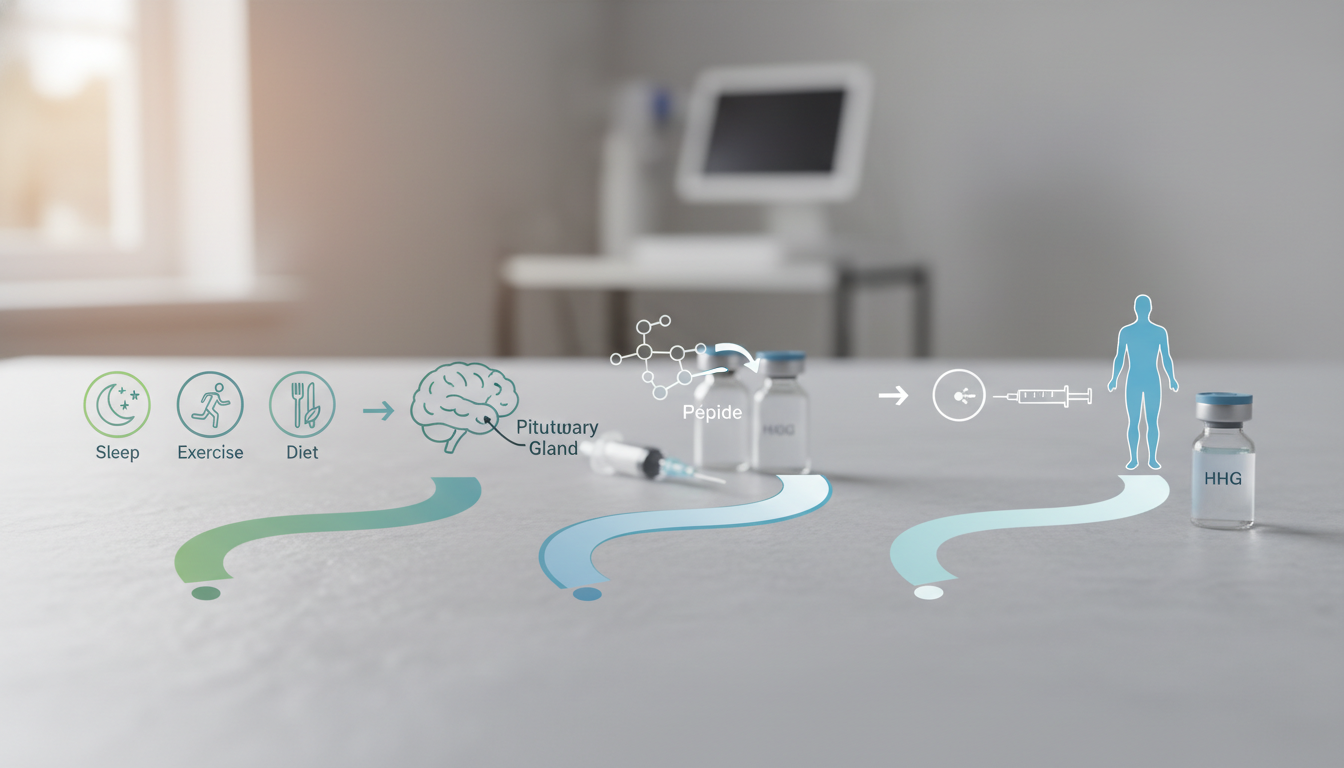
Before diving into specific methods, it's crucial to understand the three main approaches to increasing growth hormone. Each works differently and is appropriate for different situations.
- Natural Optimization: This involves lifestyle changes like improving sleep, strategic exercise, and fasting to encourage your body to produce more of its own GH. This is the safest and most accessible starting point. These methods work by removing factors that suppress GH and amplifying your body's natural release signals, a concept central to the 2026 Growth Hormone Optimization Protocol (Growth Hormone Optimization Naturally: Protocol 2026).
- Peptide Therapy (Secretagogues): This approach uses specific peptides, which are short chains of amino acids, to stimulate your pituitary gland to release more of your own growth hormone. Peptides like Sermorelin, CJC-1295, and Ipamorelin work with your body's natural systems, preserving the pulsatile release of GH. This is often seen as a middle ground between natural methods and direct HGH replacement. We explore this topic in-depth in our post on HGH vs. HGH peptides.
- HGH Injections (Replacement Therapy): This involves injecting synthetic, or recombinant, human growth hormone (rhGH) directly into the body. This is an FDA-approved treatment for diagnosed Adult Growth Hormone Deficiency (aGHD) and certain pediatric conditions. It doesn't stimulate your body's production; it replaces it. This is the most potent but also the most regulated and expensive option.
Not sure which approach might be right for your goals and health profile? Our free hormone optimization quiz can help. Take the 3-minute quiz to get matched with a provider who can guide you through your options.
Step-by-Step Instructions on How to Increase Growth Hormone
Ready to get started? Follow these steps to systematically and safely work toward optimizing your growth hormone levels.
Step 1: Get a Baseline with Lab Testing
You can't optimize what you don't measure. The first step is to understand your current growth hormone status. Doctors don't typically measure GH directly because its levels fluctuate wildly throughout the day. Instead, they measure Insulin-like Growth Factor 1 (IGF-1).
IGF-1 is produced by the liver in response to GH and its levels remain stable, making it a reliable indicator of your average growth hormone production. Ask your doctor for a blood test to check your IGF-1 and other relevant hormone levels. This provides a crucial baseline to track your progress. It also helps your doctor determine if you have a clinical deficiency that may require medical treatment. While you can order an at-home testosterone testing kit, a full hormone panel including IGF-1 is best done through a provider. Understanding your baseline is the first move in taking control of your human growth hormone levels.
Step 2: Prioritize Deep Sleep
Your body releases the largest pulse of growth hormone during deep sleep (stages 3 and 4). Without quality sleep, other optimization efforts will have limited effect. The updated 2026 protocol for natural GH improvement specifically emphasizes deep sleep quality over total hours slept (Growth Hormone Optimization Naturally: Protocol 2026).
How to do it:
- Create a Routine: Go to bed and wake up at the same time every day, even on weekends, to regulate your circadian rhythm.
- Optimize Your Environment: Make your bedroom completely dark, quiet, and cool. Blackout curtains, a white noise machine, and a lower thermostat setting can help.
- Avoid Disruptors: Stop eating at least three hours before bed. Avoid blue light from screens (phones, TVs, computers) for at least 60-90 minutes before sleep, as it can suppress melatonin production. Also, avoid alcohol on semaglutide and in general before bed, as it severely disrupts deep sleep.
Studies on peptides like Ipamorelin have shown a 23-31% increase in deep sleep, highlighting how critical this sleep stage is for GH release (Ipamorelin Complete Guide: Growth Hormone Peptide Therapy).
Step 3: Use High-Intensity Exercise
Short, intense bursts of exercise are a powerful natural stimulus for GH release. High-intensity resistance training (HIRT) and high-intensity interval training (HIIT) are particularly effective. These workouts create a significant metabolic stress that signals the pituitary gland to release GH to aid in recovery and tissue repair.
One source highlights that high-intensity workouts can temporarily but significantly increase HGH production (How to Increase Growth Hormone Naturally: 7 Proven Methods). The key is intensity. A casual walk won't do it. You need to push your body hard for a short period.
How to do it:
- HIIT: Try sprinting for 30 seconds, followed by 60 seconds of rest. Repeat 8-10 times.
- HIRT: Perform compound lifts like squats, deadlifts, and bench presses with heavy weight and minimal rest between sets. Focus on reaching near-failure on your working sets.
- Frequency: Aim for 2-3 high-intensity sessions per week. Overtraining can raise cortisol, which negatively impacts GH, so more is not always better.
Step 4: Implement Intermittent Fasting
Fasting is one of the most effective ways to naturally boost growth hormone. When you fast, your insulin levels drop. Low insulin is a key signal for your body to ramp up GH production. One study noted that HGH levels can increase by 300% after three days of fasting and by as much as 1,250% after one week (Human Growth Hormone: 13 Ways to Increase HGH Naturally).
For most people, prolonged fasts are not practical. A more sustainable approach is daily time-restricted eating, like the 16:8 method (fasting for 16 hours and eating within an 8-hour window). The 2026 GH protocol emphasizes timing these fasting windows around insulin clearance rates for maximum effect (Growth Hormone Optimization Naturally: Protocol 2026).
How to do it:
- Start with 16:8: Skip breakfast and have your first meal at noon. Finish your last meal by 8 p.m. This creates a 16-hour daily fast.
- Avoid Late-Night Meals: Eating a large meal, especially one high in carbs or sugar, before bed will spike your insulin and blunt the natural GH pulse that occurs during sleep.
Step 5: Consider Growth Hormone Secretagogue Peptides
If natural methods aren't enough, peptide therapy is the next logical step for many. Growth hormone secretagogues (GHSs) are peptides that signal your pituitary gland to produce and release more of your own GH. They work with your body's endocrine system, maintaining the natural, pulsatile rhythm of GH release (Growth Hormone Secretagogues: Complete Guide).
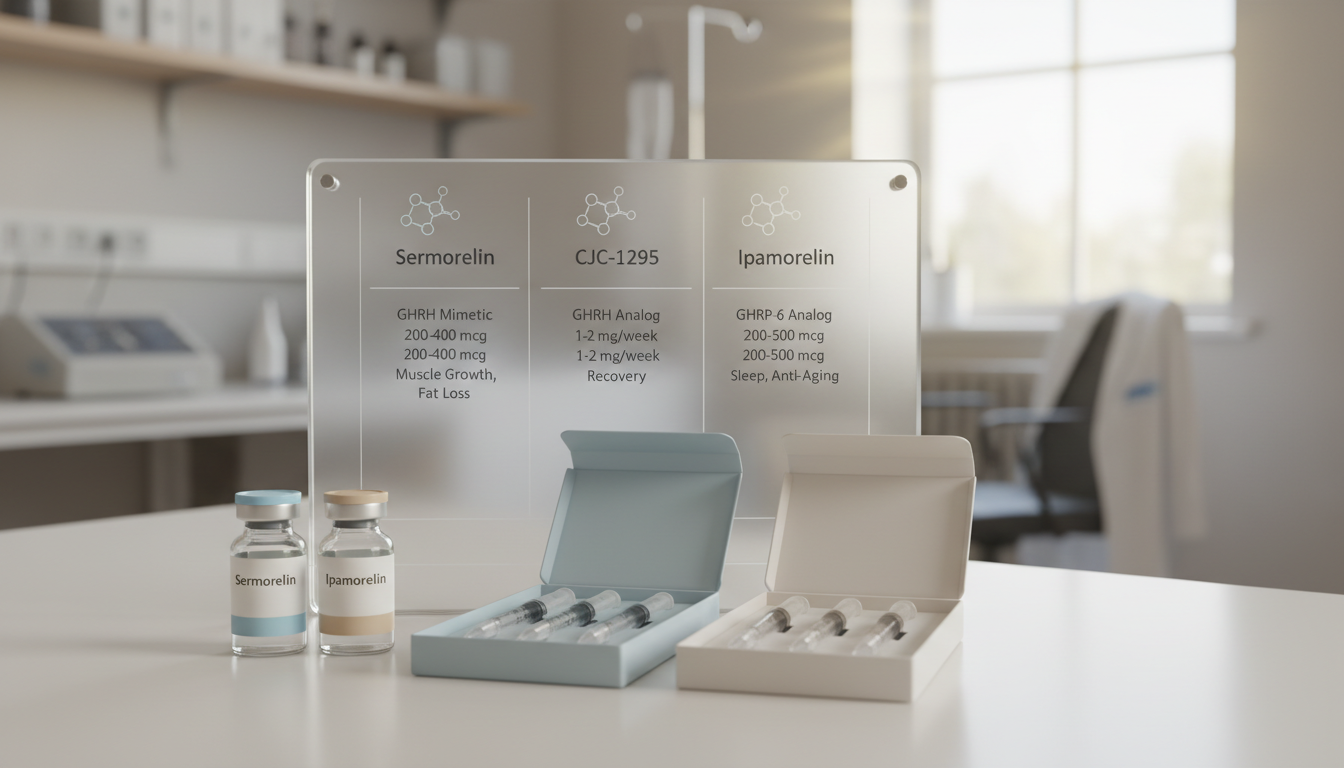
The most common combination is a GHRH analog (like Sermorelin or CJC-1295) with a GHRP (like Ipamorelin). This combination creates a synergistic effect, increasing GH peaks 3-5 times more than either peptide alone.
- CJC-1295 and Ipamorelin: This is a popular stack. CJC-1295 stimulates GH release, while Ipamorelin amplifies that pulse and also mimics ghrelin to trigger another release. Typical dosing is 200–300 mcg of each, injected subcutaneously before bed (CJC-1295 / Ipamorelin: Uses, Benefits, FDA Status & Clinics). As of March 2026, both are legally available via prescription from licensed U.S. compounding pharmacies. You can learn more in our complete CJC-1295/Ipamorelin guide.
- Sermorelin: This is a GHRH analog that was once FDA-approved but is now available through compounding pharmacies. It's known for preserving the body's natural feedback loops. A common protocol is 100-500 mcg nightly (Sermorelin Dosing Guide: GH Secretagogue Schedule (2026)).
Want to see if peptide therapy is a good fit for your budget and goals? Our free quiz takes 3 minutes and matches you with vetted providers who specialize in peptide and hormone therapies.
Step 6: Discuss Medically Supervised HGH Therapy
For individuals with a confirmed Adult Growth Hormone Deficiency (aGHD), direct replacement with recombinant human growth hormone (rhGH) is the standard of care. Brands like GENOTROPIN, NORDITROPIN, and HUMATROPE are all forms of somatropin, which is bioidentical to the GH your body produces.
This is a prescription-only treatment and requires a doctor's diagnosis. A significant development is the recent study on somatrogon, a once-weekly long-acting growth hormone. A March 2026 study found it effective at improving body composition in aGHD adults and could improve adherence by reducing injection frequency from daily to weekly (Efficacy and safety of once-weekly somatrogon in adults with growth hormone deficiency | Pituitary | Springer Nature Link).
Dosing and Cost:
- "How much does HGH cost?": This is a common question. Without insurance, prescription HGH therapy can be very expensive, often ranging from $1,000 to over $3,000 per month depending on the brand and dosage. Peptide therapy is often a more affordable alternative, with Cjc-1295/Ipamorelin costing around $200-500 per month.
- HGH Dosage: There isn't a simple HGH dosage calculator because dosing is highly individualized. Doctors may use a weight-based approach (e.g., 0.04 mg/kg/week for GENOTROPIN) or a non-weight-based approach starting around 0.2 mg/day, with adjustments made based on clinical response and IGF-1 lab results (label).
More Ways on How to Increase Growth Hormone Naturally
Beyond the core steps, several other supplements and lifestyle factors can support your efforts to increase growth hormone.
- Reduce Sugar Intake: High insulin levels from sugar consumption directly blunt GH release. Keeping your blood sugar stable is essential.
- Supplement with Arginine: High doses of arginine (around 15-20 grams per day) have been shown to boost nighttime GH release by up to 60%, though this effect is more pronounced if not combined with exercise (Human Growth Hormone: 13 Ways to Increase HGH Naturally).
- Supplement with Glutamine: A single 2-gram dose of glutamine was found to temporarily increase GH levels by up to 78%. Glutamine-rich foods include spinach, beef, and fish.
- Reduce Body Fat: Higher levels of body fat, particularly visceral belly fat, are associated with impaired GH production. Losing fat can help restore healthier GH release patterns.
Common Mistakes to Avoid
When trying to increase growth hormone, many people make predictable errors that hinder their progress. Avoid these common pitfalls:
- Using Unverified "HGH Boosters": The market is flooded with pills and sprays claiming to be HGH. Real HGH is a fragile molecule that must be injected. Oral supplements cannot contain actual HGH.
- Ignoring a Poor Diet: You can't out-train or out-supplement a diet high in sugar and processed foods. High insulin will consistently shut down your GH production.
- Sourcing from the Black Market: Buying peptides or HGH from unregulated online sources is extremely risky. You have no way of knowing if the product is pure, correctly dosed, or even sterile. This can lead to infection or ineffective treatment. Always work with a licensed provider and a reputable peptide compounding pharmacy.
- Improper Dosing: More is not better. Taking too much HGH or peptides can lead to side effects like carpal tunnel syndrome, insulin resistance, and joint pain. Dosing should always be guided by a doctor and lab results.
- Expecting Overnight Results: Whether you choose natural methods or therapy, it takes time for your body to respond. It can take several weeks or even months to notice significant changes in body composition, energy, and sleep.
When to Contact Your Doctor
It's essential to involve a healthcare professional in this process. Contact your doctor if:
- You suspect you have symptoms of Adult Growth Hormone Deficiency, which can include fatigue, increased body fat, decreased muscle mass, and poor mood.
- Before you start any new supplement or peptide regimen, to ensure it's safe for you and doesn't interact with other medications.
- You are considering peptide therapy or HGH and need a prescription and medical supervision. You can find legitimate providers through services like RxFox's clinic finder.
- You experience any concerning side effects during treatment, such as numbness in your hands, severe joint pain, or signs of high blood sugar.
Ready to explore your options with a professional? Take our free 3-minute quiz to get matched with a licensed provider who can create a plan for your specific needs.
FAQs
What is the best natural way to increase growth hormone? The most effective natural methods are a combination of high-intensity resistance training, getting consistent deep sleep, and implementing intermittent fasting to keep insulin levels low. No single method works in isolation; a combined approach is best.
Are HGH peptides legal in 2026? As of April 2026, many growth hormone secretagogue peptides like CJC-1295, Ipamorelin, and Sermorelin are legally available by prescription from licensed U.S. compounding pharmacies for specific patient use. While their regulatory status has been debated, with some temporarily moved to the FDA's restricted Category 2 list, they remain compoundable under current guidance (Peptide Therapy Statistics 2026: The Definitive Data Roundup).
How long does it take to see results from increasing HGH? With peptide therapy or HGH injections, many people report improved sleep and recovery within the first few weeks. Noticeable changes in body composition, such as increased muscle mass and reduced body fat, typically take 2-3 months of consistent use. Natural methods may take longer to show physical results.
Can you increase growth hormone after 40? Yes. While natural GH production declines with age, the methods described in this guide are effective for adults of all ages. Both lifestyle interventions and therapies like peptides can significantly increase GH production and IGF-1 levels in individuals over 40.
What foods increase growth hormone? No single food directly contains or creates HGH. However, foods rich in amino acids like arginine and glutamine (e.g., meat, fish, dairy, spinach) may support GH production. The most important dietary strategy is to avoid foods that spike insulin, especially sugar and refined carbohydrates.
Contributing to evidence-based peptide education and provider transparency.
Too many clinics, not enough clarity?
We don't sell peptides. Tell us your goals and we'll connect you with a vetted provider who can figure out what actually makes sense for you.
See what's right for youRelated articles
Popular Peptides for Men & What They're Used For
From BPC-157 for healing to CJC-1295 for growth, we explain the most common peptides for men and how they could benefit your health and fitness goals.
Growth HormoneDo Peptide Injections for Muscle Growth Actually Work?
Considering peptide injections for muscle growth? We explain the science, the most popular stacks, and the real risks vs. benefits for building lean mass.
Growth HormoneWhat Does Human Growth Hormone Actually Do for You?
Curious about human growth hormone? We explain how this vital hormone works, its role in metabolism, and why it's so debated for anti-aging and performance.