Foods to Avoid on Semaglutide (and What to Eat Instead)
A practical guide to eating well on Ozempic, Wegovy, or other semaglutide medications — which foods trigger nausea, what helps you feel your best, and how to hit your protein targets when your appetite is gone.
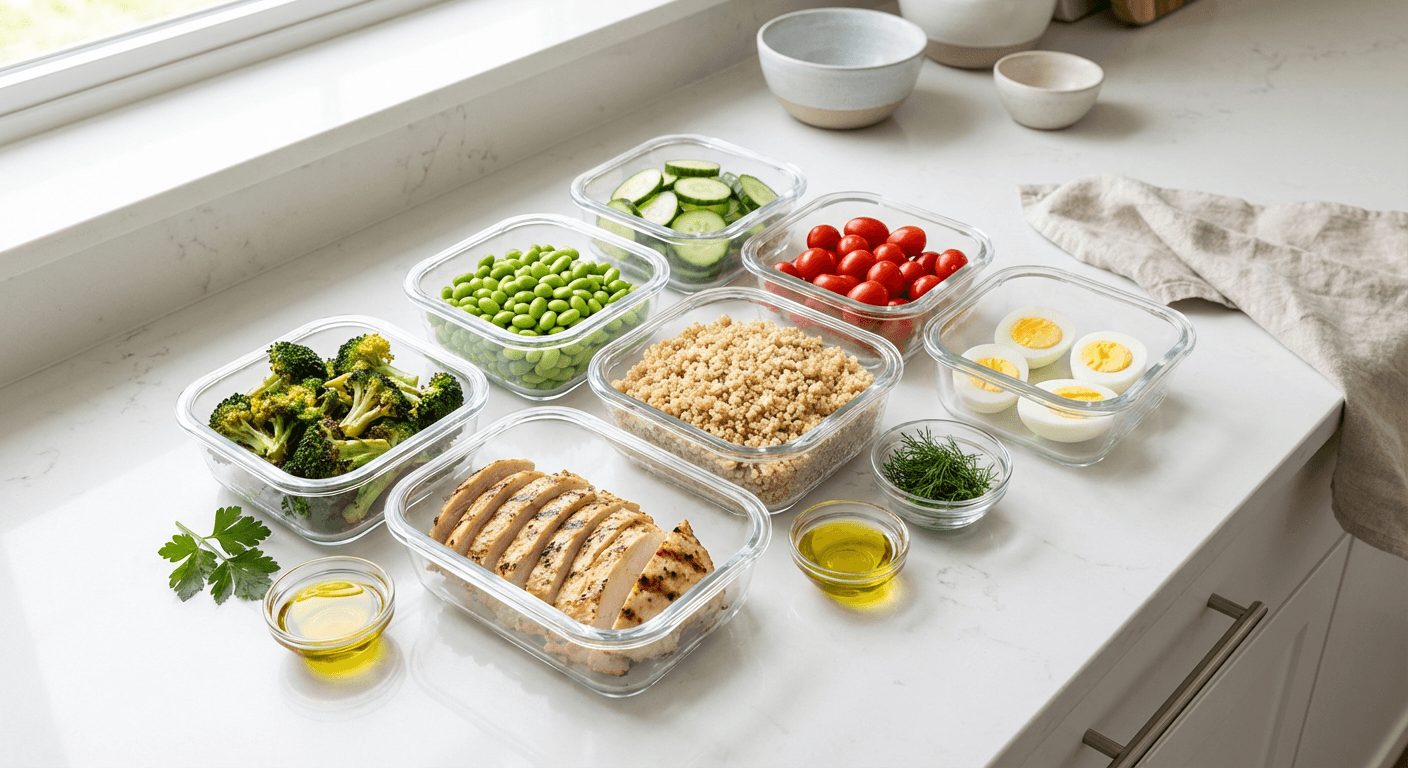
The Eating Paradox on Semaglutide
Here's the strange reality of being on a GLP-1 medication: you're less hungry than you've ever been, but what you eat matters more than it ever has. Semaglutide slows your digestion, shrinks your appetite, and makes your stomach pickier about what it will tolerate. The wrong meal can leave you nauseated for hours. The right one can make you forget you're on medication at all.
This isn't a formal diet plan. It's a practical guide based on what providers, dietitians, and patients have figured out about eating well on semaglutide — whether you're on Ozempic, Wegovy, or another formulation.
Foods That Make Nausea Worse
Nausea is the single most common side effect of semaglutide, especially during the first 4-8 weeks and after each dose increase. Certain foods reliably make it worse.
Greasy and fried foods. This is the big one. Fat takes the longest to digest, and semaglutide already slows your stomach emptying significantly. A greasy burger or plate of fried chicken sits in your stomach like a brick. French fries, onion rings, fried fish, fast food — all of it becomes much harder to tolerate. Many patients report that fried food that never bothered them before now triggers immediate queasiness.
High-fat dairy. Cream-based sauces, full-fat cheese in large amounts, ice cream, and heavy cream all fall in the same category as fried foods. They're slow to digest and heavy on an already-slowed stomach. A splash of cream in your coffee is usually fine. A bowl of fettuccine alfredo is a gamble.
Sugary foods and drinks. Soda, candy, pastries, sweetened coffee drinks, and desserts cause rapid blood sugar spikes followed by crashes. On semaglutide, these swings can amplify nausea and leave you feeling worse than before you ate. Many patients notice their sugar cravings decrease dramatically on the medication anyway — lean into that.
Spicy foods. Capsaicin and other spice compounds irritate the stomach lining. When your GI tract is already adjusting to a medication that changes how it functions, adding an irritant on top doesn't help. This doesn't mean you can never eat spicy food again, but during the titration phase when nausea is at its peak, dialing back the heat is worth it.
Carbonated drinks. The gas from carbonation expands in a stomach that's emptying slowly. Bloating and discomfort follow. Sparkling water, beer, soda — anything fizzy can contribute to that uncomfortable fullness.
Raw cruciferous vegetables in large amounts. Broccoli, cauliflower, cabbage, and Brussels sprouts are nutritious, but they produce gas during digestion. On semaglutide, that gas has nowhere to go quickly. Cooked versions are usually better tolerated than raw. Start with small portions and see how your body responds.
What to Eat Instead
The pattern that works for most people on GLP-1 medications is straightforward: lean protein first, non-starchy vegetables second, complex carbs in moderate amounts, and fats in small but intentional quantities.
Lean proteins. Chicken breast, turkey, fish (especially white fish like cod or tilapia), shrimp, eggs, Greek yogurt, cottage cheese, tofu, and legumes. Protein is the most important macronutrient on semaglutide — more on why below. Start every meal with your protein source. If you can only eat a few bites, make them count.
Cooked vegetables. Roasted zucchini, steamed green beans, sauteed spinach, baked sweet potato, cooked carrots, and roasted bell peppers. Cooking breaks down fiber and makes vegetables easier on your stomach. You can absolutely eat salads too, but if raw vegetables give you trouble, don't force them.
Whole grains in moderation. Brown rice, quinoa, oats, whole grain bread. These provide sustained energy without the blood sugar roller coaster of refined carbs. Keep portions moderate — a half cup of rice or a single slice of bread alongside your protein and vegetables.
Healthy fats in small amounts. Avocado (a quarter to a half at a time), olive oil for cooking, a small handful of nuts, or a tablespoon of nut butter. You still need dietary fat for hormone production and nutrient absorption. Just keep portions controlled to avoid that heavy, stuck feeling.
Broth-based soups. These are a secret weapon for semaglutide patients. A chicken and vegetable soup delivers protein, hydration, and nutrients in a form that's gentle on the stomach. Many patients find soup is the easiest meal to tolerate, especially in the first few weeks.
Why Protein Matters More Than Anything Else
This deserves its own section because it's that important.
Research presented at ENDO 2025 found that roughly 40% of the weight people lose on semaglutide comes from lean mass — muscle, connective tissue, bone density. That's a higher ratio than typical diet-induced weight loss, where lean mass accounts for about 25%. Losing muscle slows your metabolism, makes weight regain more likely, and affects strength and function.
The fix is protein. Patients who consumed at least 1.6 grams of protein per kilogram of body weight daily had significantly less lean mass loss — only 22% of total weight lost, compared to 39% in those eating under 1.0 g/kg. The difference is enormous.
What does that look like in practice? For a 180-pound person, that's roughly 100-130 grams of protein per day. For someone at 220 pounds, it's closer to 130-160 grams. That's challenging when your appetite is suppressed and you're eating smaller meals. You have to be intentional about it.
Some strategies that work: start every meal with protein before touching anything else. Use protein shakes or clear protein drinks between meals if you can't eat enough solid food. Choose protein-dense snacks — jerky, string cheese, hard-boiled eggs, edamame — over crackers or fruit. Track your intake for a week or two to see where you actually land. Most people are surprised by how far below target they are.
If you're looking at the cost of GLP-1 therapy and trying to budget, factor in protein-rich food. It's not an optional add-on — it's a core part of making the medication work well.
Meal Timing and Portion Sizes
Semaglutide changes how you eat, not just what you eat. The old three-meals-a-day pattern may not work anymore.
Eat smaller, more frequent meals. Four to six small meals spread through the day tend to work better than three larger ones. Your stomach is emptying more slowly, so a big meal sits there longer and is more likely to cause discomfort. Smaller volumes move through more comfortably.
Eat slowly. This sounds basic, but it matters more on semaglutide than off it. Your brain's fullness signals are amplified by the medication, but they still take several minutes to register. Eating too fast means you overshoot your comfort zone before you realize it. Put your fork down between bites. Give yourself 20 minutes for a meal.
Don't skip meals. Your appetite may be so low that eating feels like a chore. Skipping meals is tempting but counterproductive. You need the protein and nutrients, and going long stretches without eating can worsen nausea when you do finally eat. Even if a "meal" is just a few ounces of chicken and some steamed vegetables, eat it.
Time protein throughout the day. Aim for 25-35 grams of protein at each main meal and 10-20 grams at snacks. Spreading protein intake across the day is better for muscle preservation than loading it all into one meal.
Practical Meal Ideas
Here's what an actual day of eating on semaglutide might look like. These aren't aspirational wellness-influencer meals. They're realistic portions for someone with a suppressed appetite.
Breakfast: Two scrambled eggs with a handful of spinach, half a slice of whole grain toast. Or a small bowl of Greek yogurt with a few berries and a tablespoon of granola. Either option hits 20-30 grams of protein.
Mid-morning snack: A protein shake (look for 25-30g protein, low sugar) or a couple of hard-boiled eggs with a few cherry tomatoes.
Lunch: 4-5 ounces of grilled chicken over a small bed of rice and roasted vegetables. Or a broth-based soup with chicken, beans, and vegetables. Aim for 30+ grams of protein here.
Afternoon snack: An ounce of string cheese with a small apple. Or a quarter cup of hummus with cucumber slices and a few whole grain crackers.
Dinner: A palm-sized portion of baked salmon with steamed broccoli (well-cooked, not crunchy) and a small sweet potato. Or a turkey and vegetable stir-fry with minimal oil over a scoop of quinoa.
Evening (if needed): Cottage cheese with a drizzle of honey. Or a small handful of almonds.
That's roughly 100-120 grams of protein across the day. Adjust portions based on your tolerance and targets.
Hydration: The Underrated Factor
Dehydration is sneaky on semaglutide. The medication can cause diarrhea, vomiting, or just generally reduced fluid intake because you're eating less (and food provides a surprising amount of daily water). Dehydration worsens constipation, headaches, and fatigue — all of which are already potential side effects.
Aim for at least 64 ounces of water daily, more if you're active or experiencing GI side effects. Water is the best option. Herbal tea, broths, and infused water count too. Ginger tea can double as a nausea remedy and a hydration source.
If plain water feels unappealing (some patients report this), try adding a slice of lemon or cucumber. Electrolyte packets can help if you've been dealing with vomiting or diarrhea, but watch the sugar content — many popular brands are loaded with it.
Foods to Reintroduce Gradually
The "avoid" list isn't permanent for most people. As your body adjusts to semaglutide over 2-3 months, many patients find they can tolerate foods that initially caused problems. The key is reintroducing them one at a time, in small amounts.
Start with the foods you miss most. Try a small portion on a day when you're feeling well, not on injection day or the day after (when side effects tend to peak for weekly formulations). If it goes fine, you can work it back into your rotation. If not, give it another month and try again.
Most people eventually settle into a pattern where they can eat a wider variety of foods than they could during the first few months, but greasy and fried foods remain harder to tolerate for as long as they're on the medication.
A Note on Alcohol and Semaglutide
Alcohol deserves its own consideration beyond just food pairing. It can worsen nausea, cause unpredictable blood sugar swings, and hit much harder than it used to when your tolerance has changed. We've written a full guide on drinking alcohol on semaglutide if that's a concern for you.
When to Talk to Your Provider
If nausea is so persistent that you can't eat enough to meet basic nutritional needs — especially protein — that's a conversation to have with your prescribing provider. They may slow your dose titration, suggest anti-nausea medication, or adjust your treatment plan. Struggling through severe GI side effects without telling anyone is common but unnecessary. There are options.
Use our drug interaction checker to make sure any supplements or over-the-counter remedies you're considering are compatible with your medication. And if you're curious about how semaglutide compares to tirzepatide — including differences in GI side effects — we've covered that comparison in detail.
Not sure which GLP-1 medication fits your lifestyle and goals? Take our free provider-matching quiz to get paired with a licensed provider who can build a plan around your specific needs.
Semaglutide Diet and Food FAQs
What foods should I avoid on Ozempic or semaglutide?
The main categories to limit — especially during the first few months — are greasy and fried foods, high-fat dairy in large portions, sugary foods and drinks, spicy foods, and carbonated beverages. These all tend to worsen the nausea and GI discomfort that are common semaglutide side effects. Most people can reintroduce some of these in moderation once their body adjusts.
How much protein should I eat on semaglutide?
Aim for at least 1.2-1.6 grams of protein per kilogram of body weight daily. Research shows this significantly reduces lean mass loss — patients hitting 1.6 g/kg lost only 22% of their weight as lean mass versus 39% for those eating under 1.0 g/kg. For most people, this means 80-130+ grams of protein per day spread across meals and snacks. Use our weight loss calculator to project your goals and figure out the right targets.
Why does fried food make me so nauseous on Ozempic?
Semaglutide slows gastric emptying — food stays in your stomach longer than it normally would. Fat is already the slowest macronutrient to digest. Combine very slow stomach emptying with a high-fat meal, and the food essentially sits there, causing prolonged nausea, bloating, and discomfort. Leaner cooking methods (grilling, baking, steaming) are much better tolerated.
Can I eat normally on semaglutide?
You can eat a wide variety of foods. The adjustments are mostly about portion size, cooking methods, and meal timing rather than eliminating entire food groups. Most people find they naturally gravitate toward lighter, protein-rich meals because that's what feels good on the medication. Over time, tolerance for previously problematic foods often improves.
What should I eat on injection day?
Many patients find that lighter meals work best on the day of their weekly injection and the day after, when GI side effects tend to peak. Broth-based soups, scrambled eggs, grilled fish, toast, and well-cooked vegetables are typically well tolerated. Avoid heavy, greasy, or spicy meals on these days. Some people find that ginger tea or small sips of ginger ale (flat, not carbonated) help manage queasiness.
Is intermittent fasting safe on semaglutide?
Some providers are comfortable with mild intermittent fasting (like a 16:8 window) on semaglutide, but it can make it harder to hit protein targets when you're already eating less. Skipping meals entirely increases the risk of undereating protein and other essential nutrients. If you want to explore fasting on a GLP-1, discuss it with your provider first and make sure your eating window includes enough protein — at least 1.2-1.6 g/kg per day.
Contributing to evidence-based peptide education and provider transparency.
Too many clinics, not enough clarity?
We don't sell peptides. Tell us your goals and we'll connect you with a vetted provider who can figure out what actually makes sense for you.
See what's right for youRelated articles
A Step-by-Step Gelatin Recipe for Weight Loss
Seen the viral "pink trick"? We break down the simple gelatin recipe for weight loss. Learn our step-by-step method to help manage hunger and feel full.
GLP-1 Weight LossOzempic Cost in 2026: What You'll Actually Pay
The 2026 Ozempic cost can be anywhere from $25 to over $1,400 a month. Discover why and learn how to find savings with or without insurance coverage.
GLP-1 Weight LossHow Zep Weight Loss Works and What to Expect
Thinking about zep weight loss? We cover how this drug works, what realistic results look like, common side effects, and how it compares to Ozempic.