Is It Worth Using GLP-1 for Moderate Weight Loss?
GLP-1s aren't just for dramatic results. Learn how to approach GLP-1 for moderate weight loss, including pros and cons for smaller goals and what to expect.

This content is for informational purposes only and does not constitute medical advice.
A 2026 Look at GLP-1 for Moderate Weight Loss
You've probably heard the incredible stories about GLP-1 medications and dramatic weight loss. But what if your goal isn't to lose 100 pounds? What if you're looking for help with a more modest goal, like losing 15, 25, or 40 pounds? This guide is for you. We'll explore how to use GLP-1 for moderate weight loss in 2026, a year that has brought exciting new options to the table.
For years, medications like Wegovy and Zepbound have been associated with significant weight reduction, often in people with obesity. While effective, the idea of a weekly injection might feel like too much for someone with less weight to lose. The good news is that the landscape is changing fast. The arrival of highly effective oral GLP-1 pills is making these treatments more accessible and appealing to a wider audience.
These medications work by mimicking a natural gut hormone that tells your brain you're full, slows down digestion, and helps manage blood sugar. If you need a refresher on the basics, our guide on what GLP-1 is and how it works for weight loss is a great place to start. In this article, we will focus specifically on the drugs, results, and considerations for people whose goals fall in the moderate range.
The New Wave: Oral GLP-1 Options in 2026
The biggest story in weight management this year is the rise of the GLP-1 pill. For many who are hesitant about needles, this development removes a major barrier. Two new medications are leading the charge, offering convenience without significantly sacrificing results.
Foundayo™ (orforglipron) Changes the Game
In a landmark move, the FDA approved Eli Lilly’s Foundayo™ (orforglipron) in early 2026. What makes it so different? It's a once-daily oral GLP-1 that can be taken any time of day, with or without food or water. This flexibility is a huge advantage over older oral options that had strict dosing rules.
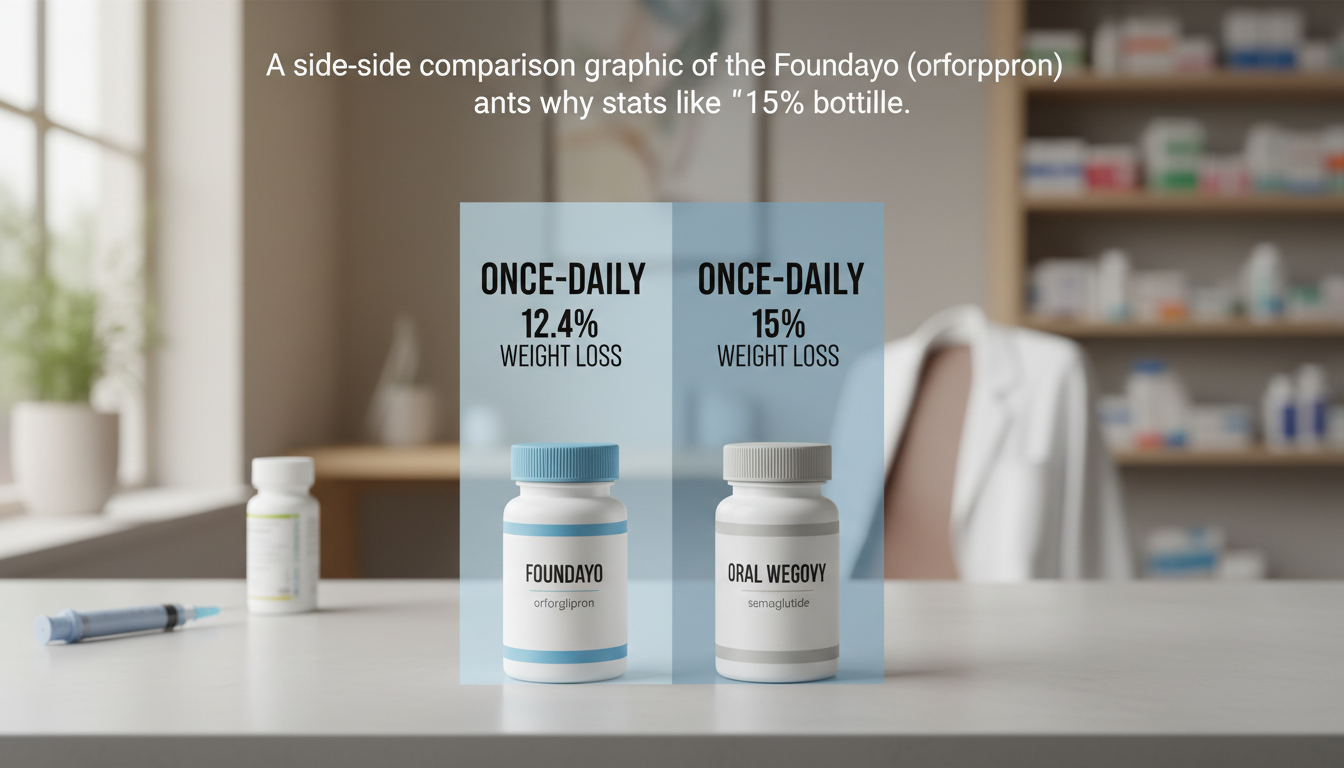
According to PR Newswire, the ATTAIN-1 clinical trial showed impressive results. Participants on the highest dose lost an average of 12.4% of their body weight, or about 27.3 pounds, over 72 weeks. This level of effectiveness from a simple pill is significant for those seeking moderate weight loss.
Perhaps most importantly, Lilly launched Foundayo with an accessible pricing model. With commercial insurance, the cost can be as low as $25 per month. For those paying themselves, the price is set at $149 per month, a fraction of the cost of many earlier branded GLP-1s. It became available through LillyDirect® on April 6, 2026.
Oral Wegovy (Semaglutide) Arrives
Not to be outdone, Novo Nordisk launched the pill version of its popular Wegovy (semaglutide) injection in January 2026. As reported by the American Journal of Managed Care, this was the first oral GLP-1 pill specifically approved for both weight loss and reducing cardiovascular risk. You can learn more about it in our guide to the oral Wegovy pill.
Data from the OASIS 4 trial demonstrated a mean weight loss of 13.6% at 64 weeks. This puts its effectiveness squarely in the range needed for moderate weight loss goals. While it offers the convenience of a pill, it does have more specific instructions, typically needing to be taken on an empty stomach. According to Metabolic Weekly, the cash price for oral semaglutide often falls between $550 and $650 per month, making it a more expensive option than Foundayo for those without insurance coverage.
Head-to-Head: Orforglipron vs. Oral Semaglutide
A head-to-head trial called ACHIEVE-3, published in The Lancet, directly compared orforglipron to oral semaglutide in adults with Type 2 diabetes. The results, highlighted by The Educated Patient, were clear. At one year, patients on orforglipron lost 9.2% of their body weight (19.7 pounds), while those on oral semaglutide lost 5.3% (11.0 pounds). Orforglipron showed superior weight loss and blood sugar control in this study.
Finding the right oral or injectable GLP-1 can be confusing. The best option depends on your goals, budget, and lifestyle. Not sure which treatment is right for you? Take our free quiz to get matched with a provider who can build a plan for you.
How Effective is a GLP-1 for Moderate Weight Loss?
When your goal is to lose 20 pounds, not 120, you might wonder if these powerful medications are the right tool for the job. The answer, according to current clinical data, is a definite yes. Using a GLP-1 for moderate weight loss is becoming a primary use case, especially with the introduction of new oral medications.
A 2025 systematic review cited by the American Journal of Managed Care confirmed that newer GLP-1s like semaglutide and tirzepatide are significantly more effective than older weight loss medications. They consistently produce at least 5% more weight loss than a placebo, which is the clinical threshold for a meaningful result. For a 200-pound person, 5% is 10 pounds, a great start toward a moderate goal.
Let’s look at what the percentages mean in the real world:
- Oral Semaglutide (Wegovy Pill): Clinical trials show around 13.6% average body weight loss. For a 180-pound person, that's a loss of about 24.5 pounds.
- Orforglipron (Foundayo): Trials demonstrated an average loss of 12.4%. For that same 180-pound person, this would be just over 22 pounds.
- Injectable Tirzepatide (Zepbound): The FDA notes that the highest dose of Zepbound led to an average loss of 18% of body weight. This is over 32 pounds for a 180-pound individual.
As you can see, all these options can easily help someone achieve a moderate weight loss goal of 15 to 35 pounds. A qualified provider will help you choose the right medication and dosage. Someone with less weight to lose may start and stay on a lower maintenance dose than someone with more significant weight loss needs. You can compare these medications in our guides on semaglutide vs. tirzepatide or explore the details of each on our semaglutide peptide page.
Of course, effectiveness isn't just about weight. It's also about safety. The same 2025 review found that while gastrointestinal side effects like nausea are common, serious adverse events were rare and similar to placebo. This suggests a good safety profile. For a full breakdown, check our article on GLP-1 side effects.
Choosing Your Path: Injectable vs. Oral GLP-1 for Moderate Weight Loss
With so many excellent options available in 2026, the biggest choice for many will be between a pill and an injection. There’s no single "best" answer, as the right choice depends entirely on your personal preferences, lifestyle, and goals. Let's break down the pros and cons of using each type of GLP-1 for moderate weight loss.
The Case for Injections
Injectable GLP-1s have been the standard for years, and they still hold some key advantages.
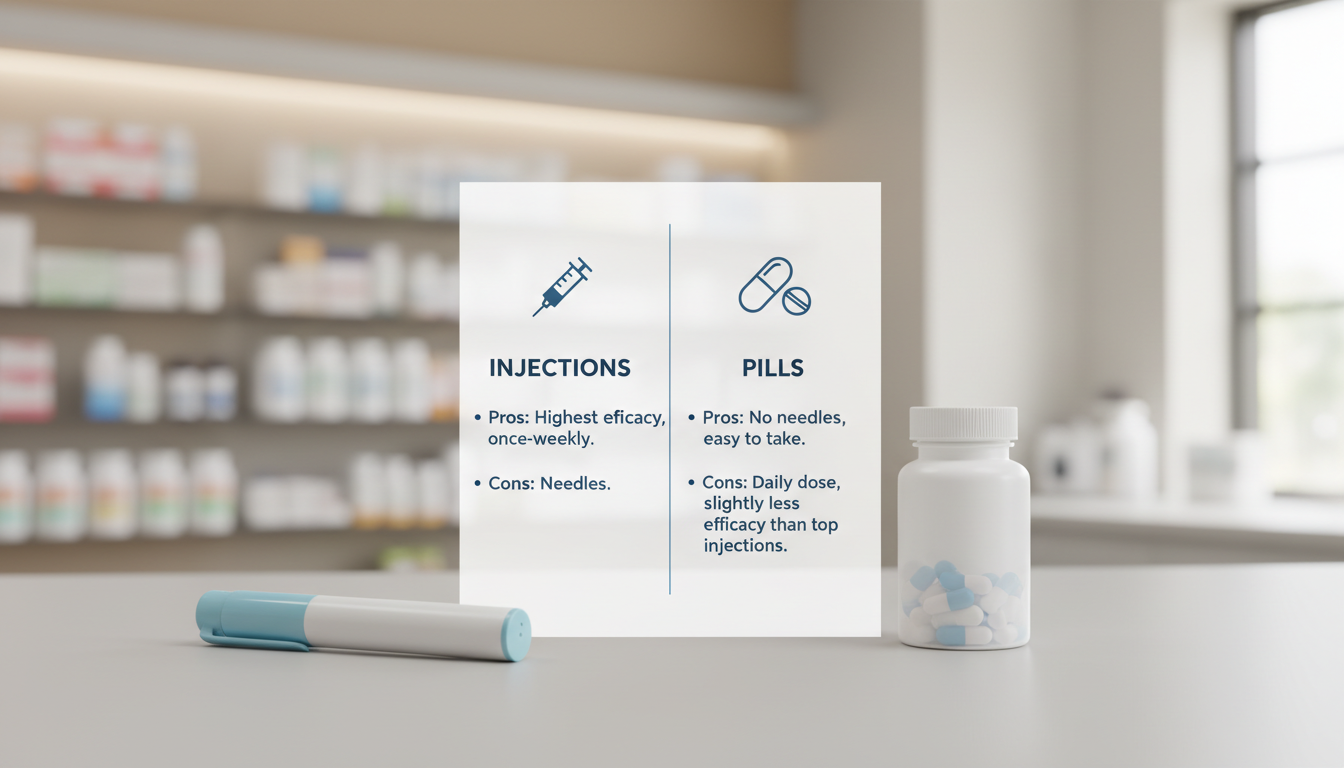
- Maximum Efficacy: If your goal is to lose weight as efficiently as possible, a dual-action injectable like Zepbound (tirzepatide) remains the most powerful tool. Its ability to activate both GLP-1 and GIP receptors led to an average 18% body weight loss in trials.
- Convenience (for some): For busy people who might forget a daily pill, a once-a-week injection can be simpler to manage. You do it once and don't have to think about it for seven days.
- Proven Track Record: Medications like semaglutide and tirzepatide have been used by millions of people, so their real-world performance and safety are very well understood.
The main downsides are needle anxiety and the potential for injection site reactions like redness or soreness. For someone aiming for moderate loss, the high potency might also feel like overkill, though dosage can be adjusted.
The Case for Oral Pills
The new generation of oral GLP-1s has made these treatments far more approachable.
- No Needles: This is the most obvious and compelling benefit. It completely removes the fear and hassle of injections.
- Discretion and Simplicity: Taking a pill is a familiar, private, and simple action. The introduction of Foundayo, which can be taken with or without food, makes it as easy as taking a daily vitamin.
- Ideal for Moderate Goals: With average weight loss in the 10-15% range, oral GLP-1s are almost perfectly matched for individuals looking to lose 20-40 pounds.
On the other hand, you must remember to take the pill every day. Some people also experience more initial GI side effects as the medication is processed through the digestive system. You can read more in our guide on the best non-injection GLP-1 options.
Can't decide between an injection or a pill? An experienced provider can help you weigh the pros and cons for your specific situation. Take our free quiz to find a qualified clinic that can guide you.
What to Consider and Your Next Steps
You've learned about the new options and their effectiveness. Now, how do you move forward? Here are the key things to consider before starting a GLP-1 medication.
- Clarify Your Personal Goal: Moderate weight loss means different things to different people. Are you aiming to lose 10% of your body weight for health reasons, or do you have a specific number in mind, like 25 pounds? Knowing your target helps you and your provider select the right approach.
- Investigate Cost and Access: In 2026, access has never been better. The launch of Foundayo (orforglipron) at $149 for self-pay patients is a major development. However, other medications can still be expensive without good insurance. Use our GLP-1 cost calculator to estimate potential expenses and check with your insurance provider about coverage for medications like oral Wegovy or Zepbound.
- Commit to a Supportive Lifestyle: These medications are powerful tools, but they work best as part of a larger plan. Sustainable weight loss requires adjustments to your diet, activity level, and overall habits. Think of the medication as a way to make those changes easier, not as a replacement for them. Improving your habits can also help rebalance hormones for weight loss.
- Find a Knowledgeable Provider: This is the most important step. A qualified healthcare provider will conduct a thorough evaluation, discuss your health history, and help you choose the safest GLP-1 for your weight loss goals. They will also manage your prescription, help you with dose titration to minimize side effects, and monitor your progress. Primary care physicians are becoming more comfortable with these drugs, but specialized telehealth clinics often provide a higher level of expertise.
Ready to explore your options? Take our free 3-minute quiz to get matched with a licensed provider who can help create a plan tailored to your goals.
FAQs
What is the best GLP-1 for losing 20 pounds?
Both oral and injectable GLP-1s can be excellent for losing 20 pounds. New oral options like Foundayo (orforglipron) and oral Wegovy (semaglutide) show average weight loss between 12-14%, which easily covers a 20-pound goal for most people. A consultation with a healthcare provider can help determine the best specific medication for your health profile and preferences.
Is it worth taking a GLP-1 for moderate weight loss?
For many people, yes. Losing even 5-10% of your body weight can lead to significant improvements in blood pressure, cholesterol, and blood sugar, reducing your risk for chronic diseases. If you struggle to lose weight through diet and exercise alone, a GLP-1 can be a very effective tool to achieve a healthier weight.
How much does an oral GLP-1 cost in 2026?
Prices have become more accessible. As of 2026, Eli Lilly’s Foundayo (orforglipron) is available for $149 per month for self-pay patients and as low as $25 with some insurance plans. Oral semaglutide (sold as Rybelsus or the Wegovy pill) typically costs between $550 and $650 per month without insurance coverage.
Are the side effects of GLP-1s less severe with moderate weight loss goals?
Side effects are generally tied to the medication and its dosage, not your specific weight loss target. The most common side effects are gastrointestinal, like nausea or diarrhea, and often lessen as your body adjusts to the drug. A provider will typically start you on a low dose and increase it slowly to help manage and minimize these effects.
Contributing to evidence-based peptide education and provider transparency.
Too many clinics, not enough clarity?
We don't sell peptides. Tell us your goals and we'll connect you with a vetted provider who can figure out what actually makes sense for you.
See what's right for youRelated articles
A Step-by-Step Gelatin Recipe for Weight Loss
Seen the viral "pink trick"? We break down the simple gelatin recipe for weight loss. Learn our step-by-step method to help manage hunger and feel full.
GLP-1 Weight LossOzempic Cost in 2026: What You'll Actually Pay
The 2026 Ozempic cost can be anywhere from $25 to over $1,400 a month. Discover why and learn how to find savings with or without insurance coverage.
GLP-1 Weight LossHow Zep Weight Loss Works and What to Expect
Thinking about zep weight loss? We cover how this drug works, what realistic results look like, common side effects, and how it compares to Ozempic.