GLP-1 Side Effects: What to Actually Expect
Considering a GLP-1 like Ozempic? Here's an honest look at the GLP-1 side effects, from common nausea and GI issues to the serious risks to discuss with your doctor.
This content is for informational purposes only and does not constitute medical advice. Always consult with a qualified healthcare provider before starting or changing any medical treatment.
GLP-1 medications like Ozempic and Mounjaro have become incredibly popular tools for weight loss and diabetes management. You have likely seen the headlines and success stories. But with their rise in popularity comes an important question a lot of people are asking: what are the GLP-1 side effects? Understanding the full picture, from common annoyances to rare but serious risks, is essential.
This guide provides a clear and data-backed look at the known side effects of GLP-1 for weight loss in 2026. We will cover what to expect, how to manage symptoms, and the long-term concerns you should discuss with your provider.
The Most Common GLP-1 Side Effects
The most frequently reported GLP-1 side effects are gastrointestinal. This is not surprising, as these medications work in part by slowing down how quickly your stomach empties, which helps you feel full longer. This same mechanism is what causes the most common issues.
According to a 2026 guide from GLP-1 Watchdog, the most prevalent side effects are nausea, diarrhea, vomiting, and constipation. The good news is that for most people, these symptoms are most intense during the initial dose-titration period and tend to improve within 4 to 8 weeks as your body adjusts. In major clinical trials, between 90% and 96% of participants were able to continue the medication despite these effects (FormBlends, 2026).
Here is a breakdown of the common side effects and how often they occur in clinical trials:
| Side Effect | Frequency | Notes |
|---|---|---|
| Nausea | 20% - 44% | Most common, usually peaks after dose increases. |
| Diarrhea | 13% - 30% | Can be persistent for some users. |
| Vomiting | 9% - 25% | Often linked to nausea and eating too quickly. |
| Constipation | 7% - 24% | Another common effect of slowed digestion. |
A large 2026 meta-analysis published in Endocrine reviewed 101 trials and found that different GLP-1 drugs have slightly different risk profiles. For example, tirzepatide (Mounjaro, Zepbound) was associated with the highest risk of nausea and diarrhea. Semaglutide (Ozempic, Wegovy) had the highest risk for vomiting and constipation.
Understanding these side effects is a key step in making an informed decision. If you are wondering if these medications are a good fit for you, you are not alone. Take our free 3-minute quiz to get matched with a licensed provider who can create a plan for your specific needs.
Serious GLP-1 Side Effects and Long-Term Concerns
While most side effects are manageable, there are serious risks to be aware of. These are much less common, but it's critical to know the signs. Many of these relate to the semaglutide long-term side effects and risks associated with other drugs in this class.
Pancreatitis
This is an inflammation of the pancreas that can cause severe abdominal pain. Research from GLP-1 Watchdog suggests GLP-1 users have a 9-times higher risk of developing pancreatitis. Updated FDA alerts in 2026 note that it affects approximately 1 in 500 patients, with the risk being highest in the first three months of treatment.
Gallbladder Disease
Issues like gallstones or gallbladder inflammation (cholecystitis) have been reported. Clinical data shows these events occur in about 1.5% to 2.5% of patients (FormBlends, 2026). Symptoms can include sudden pain in your upper right abdomen, fever, and nausea.
Gastroparesis (Stomach Paralysis)
Because GLP-1 drugs slow digestion, they can, in rare cases, lead to a severe slowing of the stomach called gastroparesis. This condition prevents your stomach from emptying properly. The FDA officially added warnings about severe gastroparesis to GLP-1 drug labels in 2024 (GLP-1 Watchdog, 2026). Both Ozempic and Saxenda's prescribing information warns about severe gastrointestinal reactions.
Thyroid C-Cell Tumors
This is perhaps the most well-known warning. All GLP-1 medications, including semaglutide and liraglutide, carry a "black box warning" from the FDA about a potential risk of thyroid C-cell tumors. This is based on studies in rodents where the drugs caused these tumors. While the risk in humans is not confirmed, a French study did suggest a higher risk of medullary thyroid carcinoma for GLP-1 users (News-Medical.net, 2026).
Muscle and Bone Density Loss
Significant and rapid weight loss can lead to the loss of lean muscle mass, not just fat. Some reports estimate that up to 40% of the weight lost on GLP-1s can be muscle if not actively managed with proper diet and exercise (GLP-1 Watchdog, 2026). This is a serious concern, as muscle is vital for metabolism and strength. You can learn more about how to combat this in our guide to GLP-1s and muscle loss.
Vision Issues
An emerging concern under FDA investigation is a potential link between GLP-1 use and a type of vision loss called non-arteritic anterior ischemic optic neuropathy (NAION). An updated 2026 analysis suggested a potential 2-to-4 times higher risk in GLP-1 users (GLP-1 Watchdog).

Who Should Not Take GLP-1 Medications?
GLP-1 drugs are not safe for everyone. Your doctor will review your medical history to ensure you are a good candidate. According to the official prescribing information for drugs like Ozempic and Saxenda, you should not take these medications if you have:
- A personal or family history of medullary thyroid carcinoma (MTC).
- A history of Multiple Endocrine Neoplasia syndrome type 2 (MEN 2).
- A prior history of pancreatitis.
- A known allergy to the active ingredient (e.g., semaglutide, tirzepatide) or any other components of the medication.
Additionally, these drugs should be used with caution in patients with severe digestive issues like gastroparesis. While prescribing guidelines for pregnancy have shifted, it is still critical to discuss treatment with your doctor if you are pregnant, planning to become pregnant, or breastfeeding.
Finding a provider who understands these contraindications is key to your safety. At RxFox, we connect patients with vetted clinics that perform thorough health screenings.
Drug Interactions to Be Aware Of
Because GLP-1s slow down stomach emptying, they can change how your body absorbs other oral medications. This is a key interaction to discuss with your provider.
The official Ozempic prescribing information updated in 2025 warns that delayed gastric emptying can impact the absorption of concurrently administered oral drugs. This means you should be especially careful if you take:
- Medications that require rapid absorption.
- Insulin or other diabetes drugs like sulfonylureas, as the combination can increase your risk of low blood sugar (hypoglycemia).
- Oral birth control pills, as their effectiveness could potentially be reduced.
- Medications with a narrow therapeutic window, where small changes in absorption can have big effects.
Worried about how a GLP-1 might interact with your current medications? It is a valid concern. You can use an online drug interaction checker for preliminary information, but a professional evaluation of your health profile is essential. Take our 3-minute quiz and get connected with a vetted telehealth provider.
How to Manage Common GLP-1 Side Effects
For many people, the most common GI side effects can be managed with simple lifestyle adjustments, especially during the first few months.
For Nausea:
- Go slow: Work with your provider on a slow dose titration schedule. Rushing to a higher dose is a common cause of severe nausea.
- Eat small meals: Instead of three large meals, try five or six small ones throughout the day.
- Avoid certain foods: Greasy, fried, spicy, and very sweet foods can make nausea worse. Our guide on foods to avoid on semaglutide has more tips.
- Drink liquids between meals, not with them.
For Diarrhea:
- Stay hydrated: Drink plenty of water and consider beverages with electrolytes to prevent dehydration.
- Eat bland foods: The BRAT diet (bananas, rice, applesauce, toast) can help firm up your stool.
- Avoid trigger foods like dairy, high-fat foods, and artificial sweeteners.
For Constipation:
- Drink more water: Adequate hydration is crucial for keeping things moving.
- Increase fiber slowly: Add high-fiber foods like vegetables, fruits, and whole grains to your diet gradually. A sudden increase can cause bloating.
- Stay active: Gentle movement like walking can stimulate your bowels. Check our post on managing Ozempic constipation for more ideas.
For Injection Site Reactions:
- Rotate sites: The best GLP-1 injection site for weight loss absorption is often the abdomen, but you should rotate between your abdomen, thigh, and upper arm to prevent irritation.
- Ensure it's not cold: Let the injection pen sit at room temperature for about 30 minutes before you inject the medication.
Mental Health and Other Emerging Side Effects
The conversation around GLP-1 side effects extends beyond the physical.
Mental Health Effects
There has been significant discussion about the mental health effects of these drugs. Early in 2026, the FDA requested the removal of warnings about suicidal ideation and behavior from GLP-1 labels. This followed a large FDA review that found no evidence of a causal link between the drugs and these events (HCPLive, 2026).
However, the picture is complex. Some patients report "emotional blunting" or feeling flat. A pharmacovigilance study analyzing reports from 2021-2023 found that depression and anxiety were the most frequently reported psychiatric adverse events, though this does not prove causation (International Journal of Clinical Pharmacy, 2023).
Weight Loss Drugs Side Effects on Intimacy
Libido and intimacy are not listed as direct side effects in clinical trials. However, the side effects of treatment can indirectly impact your sex life. Constant nausea, diarrhea, or fatigue can certainly lower your desire. Additionally, rapid weight loss can cause shifts in hormones like testosterone, which can affect libido in both men and women.
"Ozempic Face" and Hair Loss
You may have heard of aesthetic complaints like "Ozempic face" or hair loss. These are generally not direct side effects of the drug itself but consequences of rapid weight loss. Losing facial fat can lead to a more gaunt appearance, and telogen effluvium (temporary hair shedding) is a known response to the stress of rapid weight loss.
A Critical Warning on Compounded Drugs
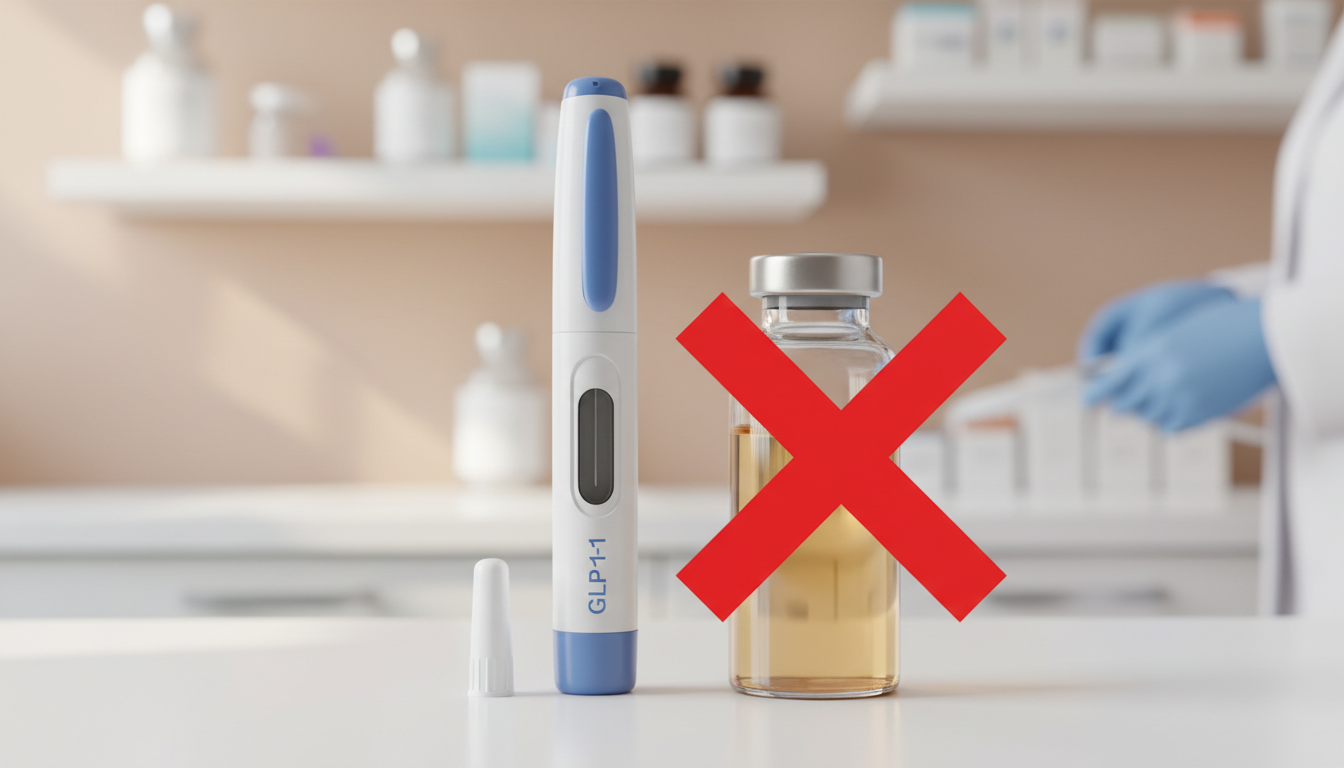
With the high cost and past shortages of brand-name GLP-1s, many people turned to compounding pharmacies. However, the FDA has issued strong warnings about this practice. As of April 2026, the official semaglutide shortage was declared resolved, making most compounded semaglutide technically illegal.
The FDA has sent over 50 warning letters in 2026 to compounding pharmacies for unauthorized products. More alarmingly, the agency is investigating reports of bacterial contamination from at least 5 compounding pharmacies that led to patient hospitalizations with sepsis (GLP-1 Watchdog, 2026). To ensure your safety, it's vital to get your medication from a reputable source, like a provider found through a trusted platform.
When to See a Doctor
While mild GI issues are expected, you should contact your doctor or seek immediate medical attention if you experience any of the following:
- Severe abdominal pain that is persistent and may radiate to your back. This could be a sign of pancreatitis.
- Pain in the upper right part of your stomach, fever, or yellowing of your skin or eyes (jaundice), which could indicate a gallbladder problem.
- Signs of a severe allergic reaction, such as swelling of the face, lips, tongue, or throat, or difficulty breathing.
- Severe and persistent vomiting or diarrhea that leads to signs of dehydration (dizziness, dark urine, dry mouth).
- Any changes in your vision.
- A new lump or swelling in your neck, hoarseness, or trouble swallowing.
Trust your instincts. If a side effect feels severe or worrisome, it is always best to consult your healthcare provider.
Navigating the world of GLP-1s can feel overwhelming, but you don't have to do it alone. The right provider can help you weigh the benefits against the risks and manage any side effects that arise.
Ready to explore if a GLP-1 medication is right for you? Take our free 3-minute quiz to get matched with a licensed provider who can review your health history and guide you through the process safely.
FAQs about GLP-1 Side Effects
What are the most common side effects of GLP-1 for weight loss?
The most common side effects are gastrointestinal. They include nausea, diarrhea, vomiting, and constipation. These typically occur when you first start the medication or after a dose increase.
Do GLP-1 side effects go away?
For most people, common GI side effects like nausea improve or resolve within 4 to 8 weeks at each dose level as the body adjusts. However, serious side effects like pancreatitis or gallbladder disease do not go away on their own and require immediate medical attention.
Which GLP-1 has the fewest side effects?
This varies from person to person. A 2025 meta-analysis found that dulaglutide (Trulicity) showed a lower risk for nausea and diarrhea compared to other GLP-1s. However, semaglutide and tirzepatide often show higher efficacy for weight loss. The best GLP-1 for you depends on your individual response and health profile, which is a decision to make with your doctor.
What are the long-term side effects of semaglutide?
Long-term concerns that are still being monitored by the FDA and researchers include an increased risk for pancreatitis, gallbladder disease, and severe gastroparesis. There is also an ongoing investigation into a potential link with vision issues and a black box warning for a theoretical risk of thyroid C-cell tumors based on animal studies.
Can GLP-1 drugs cause muscle loss?
Yes, rapid weight loss from any cause, including GLP-1 medications, can result in the loss of lean muscle mass. Some data suggests that up to 40% of the total weight lost could be muscle if it is not proactively managed with a high-protein diet and resistance training. You can read more in our guide to preventing muscle loss on GLP-1s.
Contributing to evidence-based peptide education and provider transparency.
Too many clinics, not enough clarity?
We don't sell peptides. Tell us your goals and we'll connect you with a vetted provider who can figure out what actually makes sense for you.
See what's right for youRelated articles
A Step-by-Step Gelatin Recipe for Weight Loss
Seen the viral "pink trick"? We break down the simple gelatin recipe for weight loss. Learn our step-by-step method to help manage hunger and feel full.
GLP-1 Weight LossOzempic Cost in 2026: What You'll Actually Pay
The 2026 Ozempic cost can be anywhere from $25 to over $1,400 a month. Discover why and learn how to find savings with or without insurance coverage.
GLP-1 Weight LossHow Zep Weight Loss Works and What to Expect
Thinking about zep weight loss? We cover how this drug works, what realistic results look like, common side effects, and how it compares to Ozempic.