Is Metformin Weight Loss a Real Option for You?
Learn if metformin weight loss is the right choice for you. We explain how it works, average weight loss results, side effects, and who can get it prescribed.

This content is for informational purposes only and does not constitute medical advice.
Metformin is one of the most prescribed medications in the world, primarily for managing type 2 diabetes. But in recent years, a different conversation has started: the use of metformin for weight loss. As newer, potent weight loss drugs have entered the market, many people are wondering if this tried-and-true medication is a viable option for them. While it’s not a miracle drug, metformin does have a place in weight management, especially for certain individuals. This guide breaks down exactly what you can expect in 2026, from how it works to how it compares to the latest treatments.
What is Metformin and How Does It Cause Weight Loss?
Metformin is an oral medication that has been FDA-approved to treat type 2 diabetes for decades. Its primary job is to lower blood sugar levels. It accomplishes this in a few key ways. According to a review by ScienceInsights, metformin reduces the amount of glucose your liver produces and improves your body’s sensitivity to insulin, making it easier for your cells to use sugar for energy. This process is central to understanding metformin weight loss, which is considered an off-label use of the drug.
So, how does controlling blood sugar lead to losing pounds? The effect is indirect but significant.
- Improved Insulin Sensitivity: When your body is resistant to insulin, your pancreas produces more of it to compensate. High insulin levels can promote fat storage. By making your cells more responsive to insulin, metformin helps lower overall insulin levels, which can reduce the body's tendency to store fat.
- Appetite Modulation: Research suggests metformin can influence appetite-regulating hormones. A review published in the International Journal of Multidisciplinary Research and Development highlights that metformin can affect GLP-1 signaling in the brain's hypothalamus, which can increase feelings of fullness and reduce overall food intake.
- Gut Microbiome Changes: Recent evidence points to metformin's ability to alter the composition of gut bacteria. The same review noted that it can increase the population of beneficial bacteria like Akkermansia muciniphila, which is associated with improved metabolism and lower inflammation.
- AMPK Activation: Metformin activates an enzyme called AMP-activated protein kinase (AMPK), often called the body's "master metabolic switch." Activating AMPK can help improve how the body uses and stores energy, further contributing to a metabolic state that favors weight management over fat storage.
Essentially, the answer to the question "does metformin cause weight loss?" is yes, but not in the way dedicated weight loss drugs do. It works by correcting underlying metabolic issues, which in turn can lead to modest weight reduction. This is especially true for individuals with conditions like prediabetes, insulin resistance, or Polycystic Ovary Syndrome (PCOS), where metabolic dysfunction is a core problem (Telehealth Ally).
Not sure if correcting metabolic dysfunction is the right approach for your weight goals? Everyone's body is different. Our free quiz can help you understand your options and get matched with a provider who can guide you. Take the 3-minute quiz to find a provider.
Expected Results: A Closer Look at Metformin Weight Loss Data
When considering metformin for weight loss, it is vital to have realistic expectations. The results are consistently described as modest, especially when compared to newer weight loss medications.
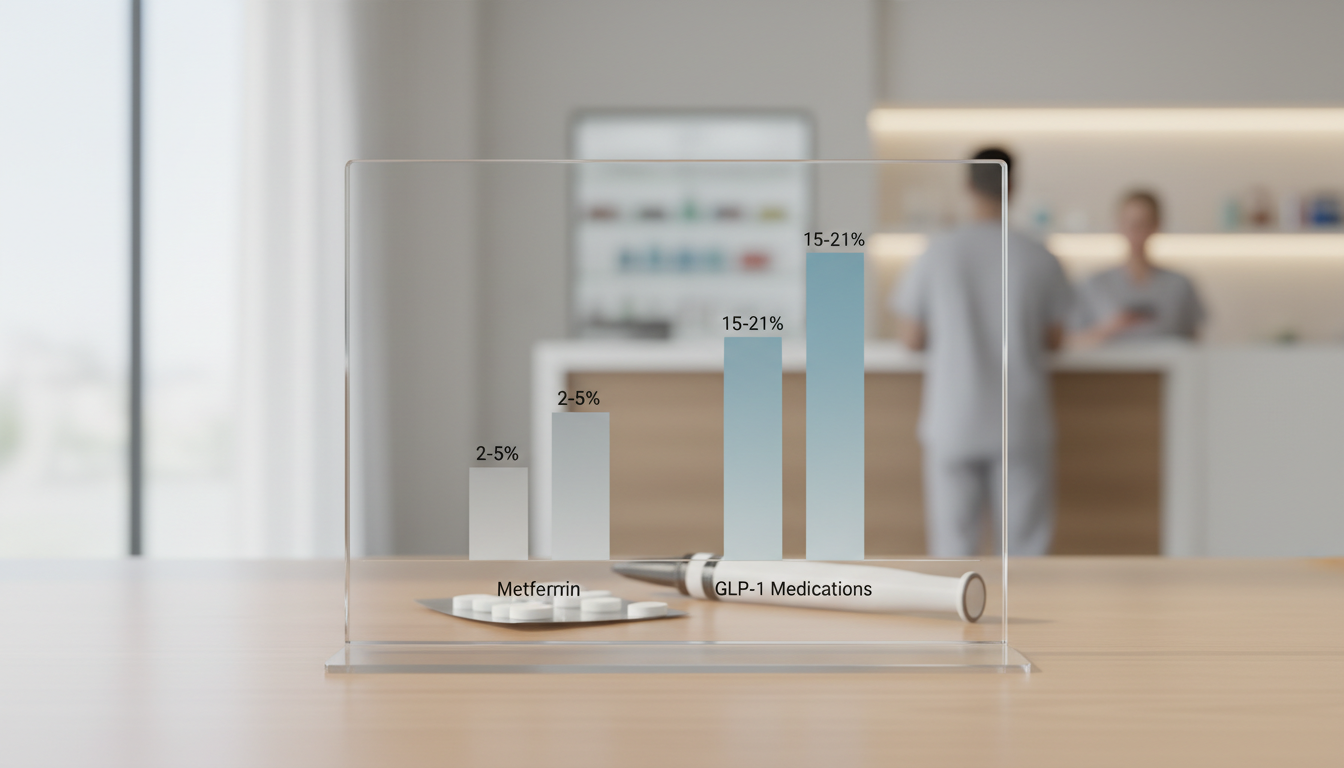
According to research from Telehealth Ally, patients using metformin for weight management can typically expect a weight reduction of 2-5% of their total body weight. For a 200-pound person, this translates to a loss of about 4 to 10 pounds. This is a noticeable and healthy amount, but not the dramatic transformation seen with other treatments.
The Diabetes Prevention Program (DPP), a major long-term study, provides some of the most reliable data. The DPP found that participants taking metformin lost an average of 2.1 kg (about 4.6 pounds) more than the placebo group over several years (HCPLive). ScienceInsights notes this loss was most significant in the first one to two years, after which the results tended to plateau. A key finding from the DPP trial was that this modest weight loss was also durable, meaning patients were often able to maintain it long-term.
A meta-analysis cited by HCPLive found a similar outcome, with metformin leading to about 1.1 kg (2.4 pounds) more weight loss than a placebo. More recent reviews from 2024-2025 confirm these figures, suggesting metformin monotherapy results in an average weight reduction of 3-5% (International Journal of Multidisciplinary Research and Development).
A Phase 4 clinical trial sponsored by UCLA is currently investigating metformin's effects further, specifically combining it with a low-calorie diet to see if results can be enhanced (Power). The focus on an extended-release formula in this trial also aims to improve tolerability, which could help people stick with the treatment longer and achieve better outcomes.
The key takeaway is that metformin is not a powerful weight loss agent on its own. It provides a small but meaningful benefit, primarily by addressing metabolic health. It is not a tool for achieving a 50-pound weight loss, but it can be an effective part of a broader strategy that includes diet and exercise.
Metformin vs. GLP-1s: A 2026 Weight Loss Showdown
The conversation around any diabetes weight loss drug in 2026 inevitably involves a comparison to the GLP-1 agonist class, which includes popular medications like Wegovy (semaglutide) and Zepbound (tirzepatide). While metformin and GLP-1s both have roots in diabetes treatment, their impact on weight is vastly different.
Here’s a breakdown of how they stack up.
Efficacy: This is the most significant point of difference. As discussed, metformin typically leads to a 2-5% reduction in body weight. In contrast, GLP-1 medications produce much more substantial results. According to Telehealth Ally, medications like Wegovy and Zepbound can lead to a 15-21% loss of body weight. The difference between losing 10 pounds and losing 40 pounds is massive and places these drugs in entirely different categories. For a deep dive into what to expect from these powerful drugs, our guide to tirzepatide is an essential read.
Mechanism of Action: While metformin works indirectly by improving insulin sensitivity and reducing glucose production, GLP-1s work more directly on appetite and digestion. They mimic a gut hormone that signals a feeling of fullness to the brain, slows down stomach emptying, and helps control blood sugar. This direct impact on satiety is why they are so effective for weight loss. You can learn more about how they work in our GLP-1 medications explained guide.
Cost: Cost is where metformin has a clear and decisive advantage. It is a generic medication with a long history, making it incredibly affordable. The monthly cost is often between $10 and $30 without insurance (Telehealth Ally). In some cases, it can be as low as $4 per month. GLP-1s, on the other hand, are new, brand-name drugs that cost over $1,000 per month without insurance coverage. The stark price difference makes metformin an accessible first step for many people. You can compare costs yourself with our GLP-1 cost calculator.
Safety and Side Effects: Metformin has been in use for over 60 years and has a well-established and favorable safety profile. The most common side effects are gastrointestinal, such as nausea, diarrhea, and stomach upset. These usually appear when starting the drug and fade within a few weeks (Telehealth Ally). The risk of a serious side effect like lactic acidosis is extremely low, no higher than the background risk in the diabetic population (HCPLive).
GLP-1s also commonly cause GI side effects, which can sometimes be more severe. Our guide on common Mounjaro side effects details what to expect. While generally considered safe, they are newer drugs and their long-term effects are still being studied.
Deciding between the modest, affordable, and time-tested approach of metformin and the powerful but expensive results of a GLP-1 can be difficult. Want to see which options fit your health profile, budget, and goals? Our free quiz takes 3 minutes and matches you with vetted providers.
Is Metformin Right for You? Candidates, Side Effects, and Combinations
Metformin isn't a one-size-fits-all solution for weight loss. Its effectiveness is closely tied to an individual's underlying health profile.
Who Benefits Most? The evidence overwhelmingly shows that metformin is most beneficial for weight management in people with specific metabolic conditions:
- Insulin Resistance and Prediabetes: This is metformin's sweet spot. By directly targeting and improving insulin sensitivity, it addresses the root cause that often contributes to weight gain in this population (Telehealth Ally).
- Polycystic Ovary Syndrome (PCOS): Many women with PCOS have insulin resistance, which can drive symptoms like weight gain and irregular periods. Metformin is frequently prescribed off-label to help manage these issues.
- Antipsychotic-Induced Weight Gain: Some studies have shown metformin can help mitigate the significant weight gain associated with certain antipsychotic medications.
It is not typically recommended for individuals without these underlying metabolic issues who are simply looking to lose weight. Metformin is also contraindicated in people with severe kidney impairment (an eGFR under 30 mL/min/1.73m²) (Telehealth Ally).
Managing Side Effects The most common hurdle with metformin is gastrointestinal distress. Nausea, bloating, diarrhea, and stomach cramps are frequent when first starting the medication. Fortunately, these side effects are usually temporary and can be managed. According to ScienceInsights, strategies to reduce side effects include:
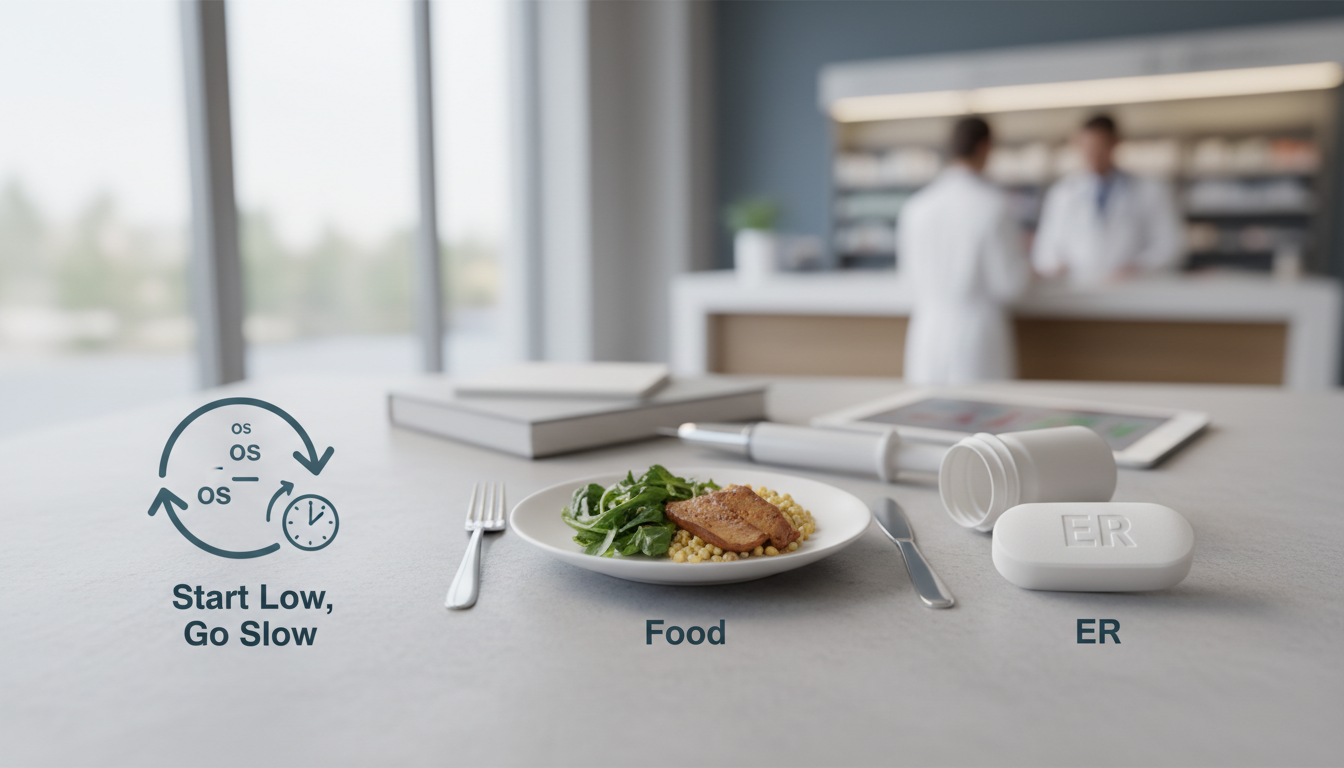
- Starting with a low dose and increasing it gradually over several weeks.
- Taking the medication with a meal to buffer its effects on the stomach.
- Switching to an extended-release (ER) formulation, which releases the drug more slowly and is generally better tolerated.
The Rise of Combination Therapy An exciting area of research in 2025 and 2026 is the use of metformin in combination with other drugs. A narrative review found that while metformin alone yields 3-5% weight loss, combining it with SGLT2 inhibitors or GLP-1s can result in weight loss of 5-7 kg (around 11-15 pounds) (International Journal of Multidisciplinary Research and Development).
Recent clinical trials support this:
- A July 2025 trial found that combining metformin with the GLP-1 drug semaglutide resulted in nearly triple the weight loss in women with PCOS compared to metformin alone (6.09 kg vs. 2.25 kg) (Springer Nature). You can explore the differences in our semaglutide vs metformin article.
- A February 2026 study showed that continuing a full dose of metformin when starting another diabetes drug, imeglimin, led to better improvements in both HbA1c and body weight (-1.2 kg vs -0.4 kg) (Springer Nature).
- Another trial is currently evaluating metformin combined with dapagliflozin (an SGLT2 inhibitor) for patients with Class III obesity, with the hypothesis that the combination will double the expected weight loss compared to metformin alone (ClinicalTrials.gov).
These findings suggest that metformin's future in weight management may be as a foundational, cost-effective medication that can be enhanced with other therapies.
What to Consider Before Starting Metformin
If you're considering metformin for weight loss, the first and most important step is a conversation with a healthcare provider. Because this is an off-label use, a doctor needs to assess your overall health, rule out contraindications like kidney disease, and determine if you are a good candidate.
Here are the key points to discuss and consider:
- Set Realistic Goals: Understand that metformin offers modest, not dramatic, weight loss. It is a tool to support your efforts, not a magic bullet. Expect a loss of 4-11 pounds over the first year, which can be a great kickstart to a healthier lifestyle but won't match the results of more potent drugs.
- Lifestyle is Still King: Metformin works best when combined with diet and exercise. The Diabetes Prevention Program showed that an intensive lifestyle intervention was still more effective for weight loss than metformin alone. Use the medication as a metabolic support system for your healthy habits.
- Cost and Accessibility: Metformin's low cost (often under $30 per month) makes it an accessible option for almost everyone. This is a major advantage over other medications that can be prohibitively expensive. For more details on pricing, see our guide on metformin cost.
- Patience is Key: The weight loss from metformin is gradual and may take several months to become apparent. Side effects are also most common at the beginning. You need to be patient and give your body time to adjust.
- Alternative Options: Discuss all available options with your provider. For significant weight loss, a GLP-1 medication may be more appropriate if you can access it. For modest goals in the presence of insulin resistance, metformin might be the perfect fit.
The world of weight management is expanding rapidly. Finding the right path requires expert guidance.
Ready to explore your options with a professional? Take our free 3-minute quiz to get matched with a licensed provider who can help you decide if metformin, a GLP-1, or another approach is right for your health goals. You can also browse licensed professionals in your area through our clinics directory.
Frequently Asked Questions About Metformin and Weight Loss
How long does it take for metformin to work for weight loss? Weight loss with metformin is typically slow and gradual. While some people may notice changes within a few weeks, the most significant results are often seen over the first one to two years of use. It is not a quick-fix solution, and patience is required.
Does metformin help with weight loss without diabetes? Yes, metformin can help with weight loss in people without type 2 diabetes, particularly if they have underlying insulin resistance, prediabetes, or PCOS. Its effectiveness comes from addressing these metabolic dysfunctions, not just from treating diabetes. A doctor must prescribe it for this off-label use.
What is the typical metformin dosage for weight loss? The dosage of metformin for weight loss is not officially standardized because it is an off-label use. Providers typically start with a low dose, such as 500 mg once a day, and gradually increase it to a target of 1,500 mg to 2,000 mg per day, divided into two or three doses. This slow titration helps minimize gastrointestinal side effects.
Can I take metformin just for weight loss? A doctor may prescribe metformin off-label "just for weight loss," but it is most effective and appropriate for individuals who have conditions like insulin resistance or prediabetes that contribute to weight gain. It is generally not considered a primary weight loss drug for people with normal metabolic function. Always consult a healthcare provider to see if it is a suitable option for you.
Contributing to evidence-based peptide education and provider transparency.
Too many clinics, not enough clarity?
We don't sell peptides. Tell us your goals and we'll connect you with a vetted provider who can figure out what actually makes sense for you.
See what's right for youRelated articles
A Step-by-Step Gelatin Recipe for Weight Loss
Seen the viral "pink trick"? We break down the simple gelatin recipe for weight loss. Learn our step-by-step method to help manage hunger and feel full.
GLP-1 Weight LossOzempic Cost in 2026: What You'll Actually Pay
The 2026 Ozempic cost can be anywhere from $25 to over $1,400 a month. Discover why and learn how to find savings with or without insurance coverage.
GLP-1 Weight LossHow Zep Weight Loss Works and What to Expect
Thinking about zep weight loss? We cover how this drug works, what realistic results look like, common side effects, and how it compares to Ozempic.