What to Expect When Taking Tirzepatide
Tirzepatide is a powerful new weight loss drug. Learn how it's different from Ozempic, what the real side effects are, and how it actually works.

This content is for informational purposes only and does not constitute medical advice. Consult with a qualified healthcare professional before starting any new medication or treatment plan.
The world of weight management is evolving quickly, with new medications offering hope for people who have struggled with obesity and related conditions. Among the most promising is tirzepatide, a once-weekly injectable that has shown remarkable results in clinical trials. You may have heard of it by its brand names, Mounjaro or Zepbound, and wondered what all the buzz is about.
This guide will break down everything you need to know about tirzepatide. We’ll cover how it works, its proven benefits for weight loss and other health conditions, potential side effects, and what you can expect to pay in 2026. This is your definitive resource for understanding one of the most effective weight management tools available today.
What is Tirzepatide?
Tirzepatide is a prescription medication that aids in blood sugar control and chronic weight management. It's the first and only drug in its class that activates two different hormone receptors, GIP (glucose-dependent insulinotropic polypeptide) and GLP-1 (glucagon-like peptide-1), making it a dual-receptor agonist. This unique dual action is what sets it apart from other drugs.
Sold under the brand names Mounjaro and Zepbound, tirzepatide has quickly become a leading option for individuals with type 2 diabetes and those struggling with obesity. While Mounjaro is officially FDA-approved to improve blood sugar in adults with type 2 diabetes, its profound effect on weight loss led to the approval of Zepbound specifically for chronic weight management. Both medications contain the exact same active ingredient, tirzepatide, and produce the same results. Many people ask, "what is Mounjaro for weight loss?" and the answer lies in this dual identity. It is a powerful tool, used either on-label as Zepbound or off-label as Mounjaro, for achieving significant weight reduction.
If you're exploring weight management treatments, understanding your options is the first step. Not sure which treatment is right for you? Take our free quiz to get matched with a provider who can guide you through the process.
How Does Tirzepatide Work?
To understand how tirzepatide works, you first need to know about the two key gut hormones it mimics, GLP-1 and GIP. These hormones are naturally released by your body after you eat. They play a critical role in managing blood sugar and appetite.
GLP-1 (Glucagon-Like Peptide-1):
- Tells the pancreas to release insulin when blood sugar is high.
- Reduces the amount of sugar released by the liver.
- Slows down gastric emptying, which is the speed at which food leaves your stomach. This makes you feel full longer.
- Acts on the brain's appetite centers to reduce hunger and cravings.
Many popular weight loss medications, like semaglutide (Ozempic and Wegovy), are known as GLP-1 receptor agonists for weight loss because they only target this one hormone pathway.
GIP (Glucose-Dependent Insulinotropic Polypeptide):
- Also stimulates insulin release from the pancreas, potentially more so than GLP-1.
- May improve how the body's cells respond to insulin.
- Appears to play a role in fat metabolism and how fat is stored.
Tirzepatide is the first medication to activate both the GLP-1 and GIP receptors. This dual-action approach is believed to be the reason for its superior effectiveness in both blood sugar control and weight loss compared to medications that only target GLP-1. By combining the effects of these two incretin hormones, tirzepatide creates a powerful synergy that comprehensively addresses the metabolic factors driving overeating and weight gain. It doesn't just make you feel less hungry; it helps regulate your body’s entire energy balance system, from your brain to your liver and pancreas. You can learn more about the differences in our semaglutide vs. tirzepatide guide.

The Evidence-Based Benefits of Tirzepatide
The excitement surrounding tirzepatide is backed by extensive clinical research. The results from major studies show benefits that go far beyond just numbers on a scale, impacting overall metabolic health and quality of life.
Significant Weight Loss
Does Mounjaro help with weight loss? The data says yes, resoundingly. The landmark SURMOUNT-1 clinical trial provided stunning evidence. The study involved adults with obesity or overweight but without diabetes. Over 72 weeks, participants taking tirzepatide saw dramatic results. According to a report from AJMC, those on the highest dose (15 mg) achieved an average body weight reduction of 20.9%. To put that in perspective, a 250-pound person could lose over 52 pounds.
Further data from the SURMOUNT-1 trial, noted by formblends.com, showed that 57% of participants on the 15 mg dose lost 20% or more of their starting body weight. These aren't just minor changes but are transformative outcomes often compared to those seen after bariatric surgery. The consistent results shown in tirzepatide mounjaro weight loss before and after photos and reviews are supported by this strong clinical data. Even at lower doses, the effects are impressive. A real-world study published in the International Journal of Obesity found that patients on low-dose tirzepatide lost an average of 7.3% of their body weight in just 12 weeks.
Superior to Other GLP-1 Medications
For a long time, semaglutide was considered the top-tier medication for obesity management. However, recent evidence suggests tirzepatide may be even more effective. A 6-month retrospective study published in PMC directly compared the two in a real-world setting for adults with obesity but without diabetes. The results were clear: tirzepatide led to a greater average weight reduction (–11.15%) compared to semaglutide (–8.83%). Patients on tirzepatide were also more likely to reach weight loss milestones of 5%, 10%, 15%, and even 20%. This advantage was seen even though the semaglutide group often used higher relative doses, highlighting the unique power of tirzepatide's dual-agonist mechanism.
Improved Metabolic Health
Tirzepatide's benefits are not just skin deep. The weight loss it helps achieve contributes to broad improvements in metabolic health. The same real-world study from the International Journal of Obesity noted favorable changes beyond weight. Patients saw decreases in HbA1c (a measure of long-term blood sugar control), LDL ("bad") cholesterol, and triglycerides. These changes reduce the risk of developing cardiovascular disease, type 2 diabetes, and other serious health issues associated with obesity. By improving these key markers, tirzepatide helps address the root causes of metabolic syndrome, not just its symptoms.
New Treatment for Obstructive Sleep Apnea (OSA)
In a major development, the FDA approved tirzepatide (as Zepbound) in December 2024 as the first-ever medication to treat moderate-to-severe obstructive sleep apnea in adults with obesity. As reported by Pharmacy Times, this approval was based on the SURMOUNT-OSA clinical trials. The studies showed that after one year of treatment, nearly half of the participants experienced a remission of their OSA symptoms or saw their condition improve to a mild classification. This is a significant advancement for millions who suffer from OSA, a condition that severely impacts sleep quality and increases the risk of heart problems and stroke.
Potential for Helping with Co-Morbid Conditions
Emerging research shows that tirzepatide's anti-inflammatory and metabolic benefits could help with other conditions linked to obesity. Recent Phase 3b data presented by Eli Lilly demonstrated that combining Zepbound with Taltz (an arthritis drug) delivered superior results for adults with both psoriatic arthritis and obesity. The combination therapy led to significant improvements in joint pain, skin symptoms, and inflammation compared to Taltz alone. Additionally, 84.5% of patients on the combination therapy lost at least 10% of their body weight. This suggests tirzepatide could become a key part of treatment plans for complex, overlapping health conditions.
Weighing the pros and cons of any medication can be tough. It helps to have an expert in your corner. Start our free quiz to get connected with a provider who can discuss the benefits and risks for your specific situation.
Risks and Side Effects of Tirzepatide
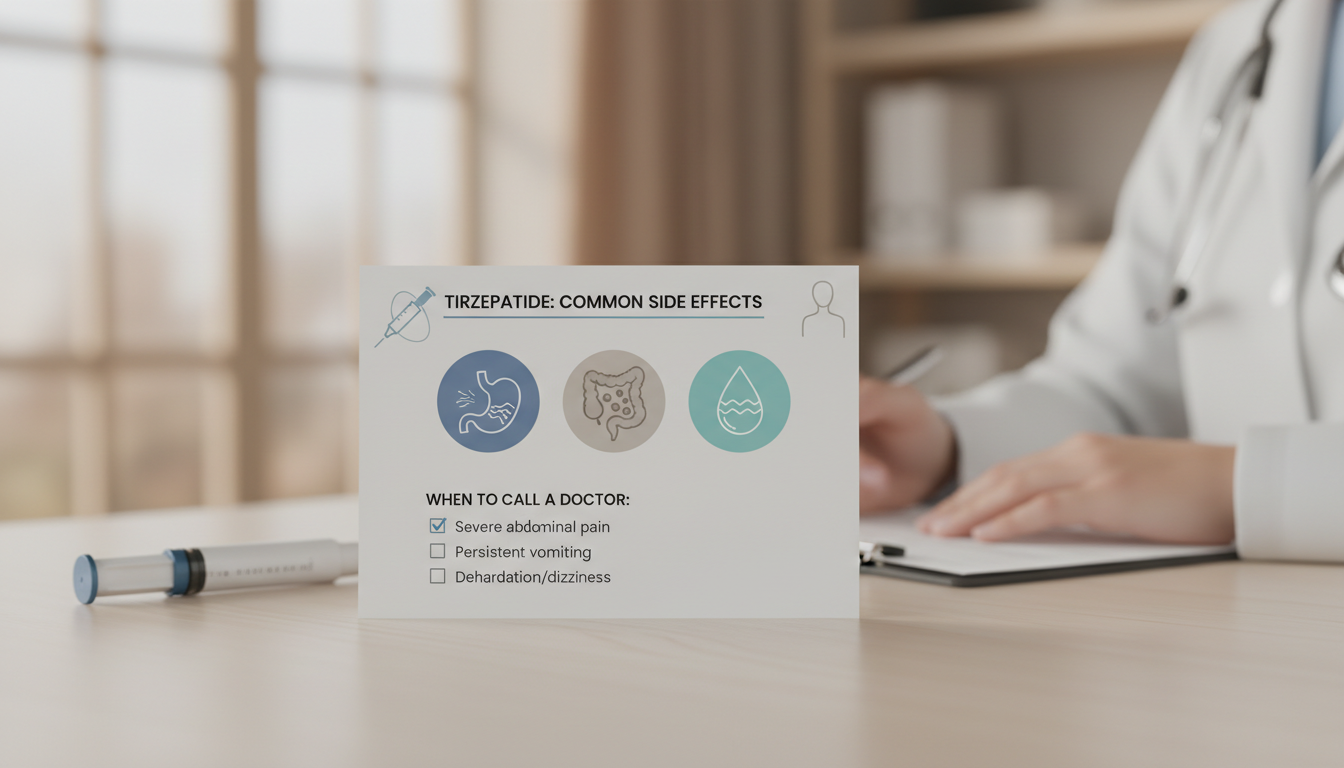
Like all effective medications, tirzepatide has potential risks and side effects that you must discuss with a healthcare provider. The most common side effects are gastrointestinal and tend to be most noticeable when starting the medication or increasing the dose.
Common side effects include:
- Nausea
- Diarrhea
- Decreased appetite
- Vomiting
- Constipation
- Indigestion or stomach discomfort
In one real-world study, nausea was the most frequently reported adverse event, affecting just 7.8% of participants on low doses. For most people, these side effects are mild to moderate and improve as their body adjusts to the medication. Following your provider's titration schedule and staying hydrated can help manage these issues.
The official prescribing information for Zepbound and Mounjaro includes a boxed warning, the FDA's most serious type. This warning is for the risk of thyroid C-cell tumors. This risk was observed in rat studies, but it is not known if tirzepatide causes these tumors in humans. Because of this potential risk, tirzepatide is contraindicated for individuals with a personal or family history of medullary thyroid carcinoma (MTC) or in patients with Multiple Endocrine Neoplasia syndrome type 2 (MEN 2).
Other serious but less common side effects can include pancreatitis (inflammation of the pancreas), gallbladder problems, low blood sugar (especially when used with other diabetes medications), and allergic reactions. It's crucial to seek immediate medical attention if you experience severe abdominal pain, persistent vomiting, or signs of an allergic reaction. Be sure to review all potential tirzepatide side effects with your doctor. It's also important not to use tirzepatide with other GLP-1 receptor agonists like semaglutide. You can use a drug interaction checker or speak with your pharmacist for more information.
How to Get Started with a Tirzepatide Weight Loss Plan
If you and your doctor decide that a tirzepatide weight loss plan is right for you, the process is straightforward. Tirzepatide is administered as a once-weekly injection under the skin (subcutaneously). This is often called a "tirzepatide weight loss shot."
The medication comes in an auto-injector pen, making it easy to self-administer at home. Common injection sites are the abdomen, the front of the thighs, or the back of the upper arms. The process is similar to other injectable medications, and your provider will show you how to inject it properly.
Treatment follows a specific dose-escalation schedule designed to minimize side effects. According to the FDA's prescribing information, the recommended starting dosage is 2.5 mg once weekly for four weeks. After that, the dose is increased to 5 mg once weekly. Your provider may continue to increase your dose every four weeks based on your tolerance and results, with available maintenance doses of 5 mg, 10 mg, or 15 mg. The maximum dose should not exceed 15 mg per week. You can follow a tirzepatide dosing chart with your doctor's guidance.
To get a prescription, you must consult a licensed healthcare provider. This can be your primary care physician, an endocrinologist, or a provider through a specialized online peptide clinic. Many people now choose telehealth platforms to get GLP-1s online with insurance, offering a convenient way to get a consultation and prescription from home.
Legal Status, Cost, and FDA Approval of Tirzepatide
Tirzepatide is a fully legal, FDA-approved medication. Its approval history reflects its journey from a diabetes drug to a leading weight management therapy.
- Mounjaro: First approved for improving blood sugar control in adults with type 2 diabetes.
- Zepbound: Approved in November 2023 for chronic weight management in adults with obesity or those who are overweight with at least one weight-related condition.
- Zepbound (Expanded Use): Approved in December 2024 for treating moderate-to-severe obstructive sleep apnea in adults with obesity.
One of the biggest questions people have is about the cost of tirzepatide. As of 2026, the retail price for a one-month supply of either Mounjaro or Zepbound is between $850 and $1,200 without insurance, with a list price hovering around $1,057.
However, there are ways to manage this cost:
- With Commercial Insurance: If your plan covers weight loss medications, your out-of-pocket cost could be as low as $25 to $150 per month after meeting prior authorization criteria.
- Manufacturer Savings Program: Eli Lilly offers a savings program that can reduce the cost to $25 per month for eligible patients with commercial insurance. It's important to know this program is scheduled to end in December 2026.
- LillyDirect Self-Pay Options: For those paying out-of-pocket, Eli Lilly launched a program through LillyDirect. This program offers the initial 2.5 mg dose for $349 for the first month, with subsequent doses (5 mg and higher) priced at $499 per month.
- Compounded Tirzepatide: Another option is compounded tirzepatide. While not the FDA-approved brand-name drug, it contains the same active pharmaceutical ingredient and can be a more affordable alternative, often available for a fraction of the price through vetted compounding pharmacies with medical oversight.
Ready to explore your options and find a plan that fits your budget? Take our free 3-minute quiz to get matched with a licensed provider who can help you find the right path forward.
FAQs
Does Mounjaro cause weight loss?
Yes, Mounjaro absolutely causes weight loss. It contains the active ingredient tirzepatide, which has been proven in extensive clinical trials to lead to significant weight reduction. Although Mounjaro is officially FDA-approved for type 2 diabetes, its weight loss effects are identical to Zepbound, which is approved for chronic weight management.
How much weight can you lose on tirzepatide?
Weight loss results vary, but they can be substantial. In the SURMOUNT-1 clinical trial, participants on the 15 mg dose of tirzepatide lost an average of 20.9% of their body weight over 72 weeks. Some individuals lose more, while others lose less, depending on factors like starting weight, diet, exercise, and dosage.
What is the difference between Mounjaro and Zepbound?
There is no difference in the active medication. Both Mounjaro and Zepbound contain tirzepatide. The only difference is their FDA-approved indication and branding. Mounjaro is approved to treat type 2 diabetes, while Zepbound is specifically approved for chronic weight management. They are essentially the same product in different boxes.
Is tirzepatide better than semaglutide for weight loss?
Current evidence suggests tirzepatide may be more effective. A real-world comparative study found that people taking tirzepatide lost more weight on average (–11.15%) at six months compared to those taking semaglutide (–8.83%). The final choice between semaglutide or tirzepatide should be made with a healthcare provider.
How fast do you lose weight on tirzepatide?
Weight loss can begin within the first few weeks of treatment, but the most significant results are typically seen over several months. A study on low-dose tirzepatide showed an average weight loss of 7.3% in 12 weeks. The rate of weight loss is gradual and steady, which is considered healthier and more sustainable.
Can you get tirzepatide without insurance?
Yes, you can get tirzepatide without insurance, but it can be expensive. The retail price is over $1,000 per month. Eli Lilly's LillyDirect self-pay program offers a lower price of $499 per month for maintenance doses. Additionally, compounded tirzepatide from a reputable pharmacy can be a more affordable option, but it requires a prescription from a provider.
Contributing to evidence-based peptide education and provider transparency.
Too many clinics, not enough clarity?
We don't sell peptides. Tell us your goals and we'll connect you with a vetted provider who can figure out what actually makes sense for you.
See what's right for youRelated articles
A Step-by-Step Gelatin Recipe for Weight Loss
Seen the viral "pink trick"? We break down the simple gelatin recipe for weight loss. Learn our step-by-step method to help manage hunger and feel full.
GLP-1 Weight LossOzempic Cost in 2026: What You'll Actually Pay
The 2026 Ozempic cost can be anywhere from $25 to over $1,400 a month. Discover why and learn how to find savings with or without insurance coverage.
GLP-1 Weight LossHow Zep Weight Loss Works and What to Expect
Thinking about zep weight loss? We cover how this drug works, what realistic results look like, common side effects, and how it compares to Ozempic.