What to Expect: Mounjaro Benefits and Side Effects
Is tirzepatide right for you? This guide weighs the Mounjaro benefits and side effects, from significant weight loss to how to manage GI issues.

This content is for informational purposes only and does not constitute medical advice. Consult with a qualified healthcare provider before making any decisions about your health or treatment.
Mounjaro (tirzepatide) has become one of the most talked-about medications in recent years. While initially approved to manage type 2 diabetes, its stunning effectiveness for weight loss has captured widespread attention. If you're considering this treatment, you need a clear understanding of the mounjaro benefits and side effects based on the latest 2026 data. This guide breaks down what you can realistically expect, from significant weight reduction and improved heart health to the common gastrointestinal issues and serious warnings you need to discuss with your doctor. We will cover the clinical evidence, compare it to other popular medications, and provide practical details on cost and dosing.
A Quick 2026 Overview of Mounjaro
Mounjaro is a brand name for the drug tirzepatide. It's a once-weekly injectable medication that has made waves in both diabetes management and weight loss. What sets it apart is its unique mechanism of action. Unlike older medications like Ozempic or Wegovy (semaglutide) that only target one hormone receptor, Mounjaro is a dual-agonist. It activates both the Glucagon-Like Peptide-1 (GLP-1) and Glucose-dependent Insulinotropic Polypeptide (GIP) receptors.
This dual action helps the body in several ways. It stimulates insulin release in response to high blood sugar, suppresses the liver from making excess sugar, and slows down how quickly your stomach empties. The combination of these effects leads to better blood sugar control and a powerful feeling of fullness, which significantly reduces appetite and calorie intake.
First approved by the FDA on May 13, 2022, for adults with type 2 diabetes, its use has expanded dramatically (HCPLive). The FDA has since approved it for pediatric patients aged 10 and older with type 2 diabetes, based on studies like SURPASS-PEDS which showed significant A1C and BMI reduction in this group (Lilly). Its sister drug, Zepbound, which contains the exact same active ingredient (tirzepatide), is specifically approved for chronic weight management.

The Major Benefits: From Weight Loss to Heart Health
Mounjaro's popularity isn't just hype. It's backed by strong clinical data showing substantial benefits that often exceed those of its competitors. The advantages go beyond just a number on the scale and extend to critical areas of metabolic and cardiovascular health.
Unmatched Weight Loss Results
The most well-known benefit of Mounjaro is its remarkable impact on weight. Clinical trials have consistently shown it produces more significant weight loss than other medications in its class. For example, the SURMOUNT-1 trial, which studied adults with obesity but without diabetes, found that participants on the highest dose (15 mg) lost an average of 20.9% of their body weight over 72 weeks (Formblends). Other studies report a typical weight loss of 15-20% in that timeframe.
When compared directly to semaglutide (the active ingredient in Ozempic and Wegovy), tirzepatide consistently comes out ahead. One 2026 review noted that Mounjaro typically produces 15-20% weight loss, while semaglutide achieves around 10-12% (Semaglutide Guide). This superiority is also seen in real-world settings. A 6-month retrospective study found that patients on tirzepatide lost an average of 11.15% of their body weight, compared to 8.83% for those on semaglutide (Springer Nature Link). The same study showed more tirzepatide users reached weight loss milestones of 5%, 10%, 15%, and even 20%.
Superior Blood Sugar Control
Mounjaro was originally designed to treat type 2 diabetes, and it excels at this. The SURPASS program, which formed the basis of its initial FDA approval, demonstrated its potent ability to lower HbA1c, a key marker of long-term blood sugar control. In a head-to-head comparison, the 15 mg dose of tirzepatide reduced HbA1c more effectively than semaglutide by 0.5% and led to an average of 12 pounds more weight loss (HCPLive).
This benefit also extends to younger patients. The SURPASS-PEDS trial for children and teens with type 2 diabetes showed an average A1C reduction of 2.2%, with over 86% of participants on the 10 mg dose achieving an A1C of 6.5% or less, which is the target for many individuals (Lilly). To learn more about how Mounjaro fits into the family of GLP-1 medications, check out our GLP-1 medications explained post.
Cardiovascular and Kidney Protection
Beyond weight and blood sugar, emerging evidence points to significant protective effects for the heart and kidneys. A 2026 analysis from the Cleveland Clinic examined adults with type 2 diabetes and existing cardiovascular disease. It found that tirzepatide was associated with a 16% lower risk of a composite of six major complications, including heart attack, stroke, kidney failure, and death from any cause, when compared to dulaglutide (Trulicity) (Cleveland Clinic Newsroom).
Similarly, the large-scale SURPASS-CVOT trial, involving over 13,000 people, confirmed Mounjaro's cardiovascular safety. It achieved non-inferiority to Trulicity in preventing major adverse cardiovascular events (MACE) and showed a trend towards an 8% lower risk of cardiovascular death, heart attack, or stroke. The trial also highlighted a 16% lower rate of all-cause mortality and a slowed decline in kidney function (eGFR) for those on Mounjaro (Lilly Investor Relations).
Thinking about how these benefits could apply to you? It can be complex to sort through on your own. Take our free 3-minute quiz to get matched with a licensed provider who can review your health profile and discuss your options.
A Clear Guide to Mounjaro Side Effects (Common and Serious)
No medication is without risks, and it's crucial to balance the impressive benefits of Mounjaro with its potential side effects. Most side effects are gastrointestinal and tend to be most noticeable when starting the medication or increasing the dose. However, there are also rare but serious warnings to be aware of.
Common Gastrointestinal Side Effects
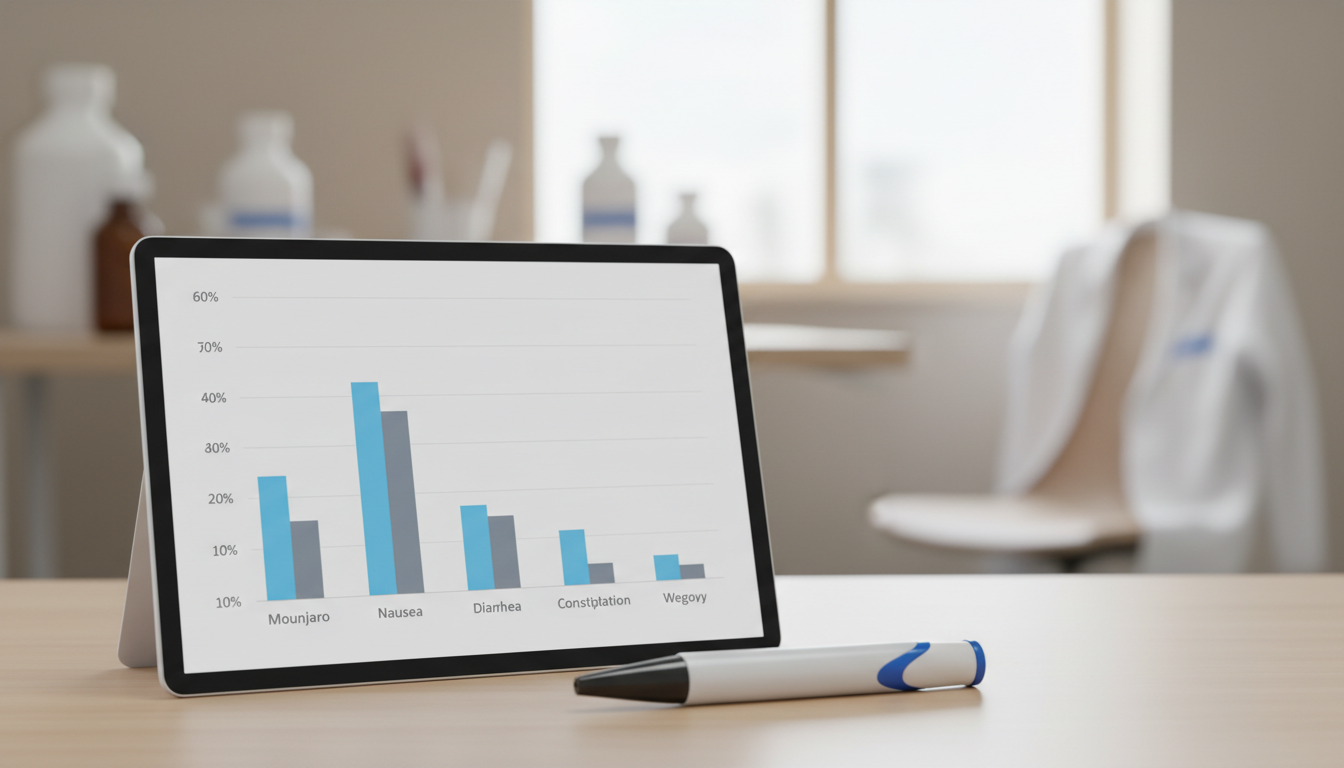
The most frequently reported side effects of Mounjaro are related to the digestive system. This is because the medication slows stomach emptying. According to multiple clinical trials and patient reviews, you might experience:
- Nausea: Reported in 15% to 24% of users.
- Diarrhea: Occurs in 13% to 18% of users.
- Decreased Appetite: A primary mechanism for weight loss, but can be considered a side effect.
- Vomiting: Less common but still possible.
- Constipation: Affects 6% to 11% of users.
These effects are typically mild to moderate in severity and often dose-dependent, meaning they can flare up after a dose increase (Formblends). For most people, these side effects lessen over time as their body adjusts. You can find more details on what to expect in our post on how long Mounjaro side effects last. Some studies suggest that while common, these issues may be milder on Mounjaro compared to the high rates of nausea (up to 44%) seen with Wegovy (GLP1Toolkit.io).
Serious Warnings and Precautions
Mounjaro carries a boxed warning, the most serious type of warning from the FDA, regarding the risk of thyroid C-cell tumors. This is based on studies in rats where tirzepatide caused these tumors. It is unknown if this risk applies to humans. Because of this potential risk, Mounjaro is contraindicated (should not be used) in patients with a personal or family history of medullary thyroid carcinoma (MTC) or in patients with Multiple Endocrine Neoplasia syndrome type 2 (MEN 2) (Lilly Prescribing Information).
Other serious, though less common, potential side effects to discuss with your provider include:
- Acute Pancreatitis: Inflammation of the pancreas, which can be severe. Watch for severe stomach pain that doesn't go away.
- Hypoglycemia (Low Blood Sugar): The risk increases if you take Mounjaro with other medications that lower blood sugar, like insulin or sulfonylureas.
- Severe Gastrointestinal Reactions: In rare cases, GI issues can become severe. The medication can also delay gastric emptying, which may affect the absorption of other oral medicines you take.
- Allergic Reactions: Serious hypersensitivity reactions have been reported. Seek immediate medical help if you experience swelling of the face, lips, tongue, or throat, or have trouble breathing.
It's essential to have a thorough discussion with a healthcare provider about your personal and family medical history before starting Mounjaro.
Practical Guide: Cost, Dosing, and Getting a Prescription
Understanding the practical aspects of Mounjaro is a key step in deciding if it's the right choice for you. The process involves a specific dosing schedule and navigating costs that can vary widely depending on your insurance coverage and how you access the medication.
Standard Dosing Schedule
Mounjaro is administered as a once-weekly subcutaneous injection that you can do at home. The medication comes in a pre-filled pen. Dosing follows a gradual titration schedule designed to help your body acclimate and minimize side effects.
The standard protocol is:
- Starting Dose: 2.5 mg once weekly for the first four weeks.
- Titration: After four weeks, the dose is increased to 5 mg once weekly.
- Further Increases: Your provider may continue to increase the dose in 2.5 mg increments every four weeks, as needed, to achieve your treatment goals.
- Maximum Dose: The highest available dose is 15 mg once weekly (Lilly Prescribing Information).
It's important to follow your doctor's instructions exactly and not to increase your dose faster than recommended.
Understanding the Cost in 2026
The price of Mounjaro can be a major factor for many people. Without insurance, the list price for a one-month supply is approximately $1,023 to $1,060 (Formblends).
However, there are several ways to manage this cost:
- Commercial Insurance: If your insurance covers Mounjaro for type 2 diabetes, a manufacturer's savings card from Lilly may reduce your copay to as low as $25 per month, depending on eligibility (GLP1Toolkit.io). For an in-depth look at this, see our article on Mounjaro price with insurance.
- Zepbound for Weight Loss: If you are seeking tirzepatide for weight management, Zepbound is the FDA-approved option. Lilly offers a direct-to-consumer option called LillyDirect, where self-pay patients can sometimes purchase vials for $349–$549 per month.
- Compounded Tirzepatide: Another option is compounded tirzepatide. Compounding pharmacies can create customized versions of the medication, often at a lower price point. Costs can start around $149 per month but require medical oversight from a qualified provider (Formblends).
Figuring out the best financial path can be confusing. Want to see which options fit your budget and goals? Our free quiz takes 3 minutes and matches you with vetted providers who can offer different solutions, including compounded options. You can access the quiz here.
Final Thoughts: Weighing Mounjaro Benefits and Side Effects
Deciding to start a medication like Mounjaro is a significant health decision. The evidence from 2026 clearly shows that its benefits can be substantial. For individuals struggling with type 2 diabetes or obesity, the potential for over 20% weight loss, superior blood sugar control, and added cardiovascular protection is compelling. These outcomes are not just about aesthetics, they represent major improvements in overall health and reductions in risk for serious diseases.
At the same time, the side effects must be taken seriously. While most common issues like nausea and diarrhea are manageable for many, the risk of rare but severe conditions like pancreatitis and the boxed warning for thyroid tumors necessitate a careful conversation with your doctor. You need to weigh the powerful Mounjaro benefits and side effects in the context of your own health profile, lifestyle, and goals.
Mounjaro is not a quick fix. It is a tool to be used alongside diet and exercise as part of a long-term health strategy. The best path forward starts with a consultation with a knowledgeable healthcare provider who can guide you through the pros and cons.
Ready to explore your options with a professional? Take our free 3-minute quiz to get matched with a licensed provider who can help you determine if Mounjaro or another GLP-1 medication is right for you.
Frequently Asked Questions
How much weight can you actually lose on Mounjaro?
In clinical trials for people with obesity but not diabetes, participants on the 15 mg dose lost an average of 20.9% of their starting body weight over 72 weeks. Results vary based on dose, adherence, and lifestyle factors like diet and exercise.
What are the most common side effects of Mounjaro?
The most common side effects are gastrointestinal. They include nausea, diarrhea, decreased appetite, vomiting, and constipation. These are usually mild to moderate and often decrease as your body adjusts to the medication.
Is Mounjaro better than Ozempic for weight loss?
Yes, current evidence from both clinical trials and real-world studies indicates that Mounjaro (tirzepatide) leads to greater average weight loss than Ozempic or Wegovy (semaglutide). A retrospective study showed tirzepatide users lost about 11.15% of body weight in 6 months versus 8.83% for semaglutide users.
Can I get Mounjaro without having diabetes?
Mounjaro is technically FDA-approved for adults and children (10+) with type 2 diabetes. However, Zepbound, which has the identical active ingredient (tirzepatide), is FDA-approved for chronic weight management in adults with obesity or who are overweight with a related health condition. Some doctors may also prescribe Mounjaro "off-label" for weight loss.
Do Mounjaro side effects go away?
For most people, the common gastrointestinal side effects are most intense when starting the drug or increasing the dose. They tend to lessen or resolve completely over several weeks as the body adapts. If side effects are severe or persistent, you should speak with your healthcare provider. For a detailed timeline, you can read our guide on how long side effects last.
Contributing to evidence-based peptide education and provider transparency.
Too many clinics, not enough clarity?
We don't sell peptides. Tell us your goals and we'll connect you with a vetted provider who can figure out what actually makes sense for you.
See what's right for youRelated articles
A Step-by-Step Gelatin Recipe for Weight Loss
Seen the viral "pink trick"? We break down the simple gelatin recipe for weight loss. Learn our step-by-step method to help manage hunger and feel full.
GLP-1 Weight LossOzempic Cost in 2026: What You'll Actually Pay
The 2026 Ozempic cost can be anywhere from $25 to over $1,400 a month. Discover why and learn how to find savings with or without insurance coverage.
GLP-1 Weight LossHow Zep Weight Loss Works and What to Expect
Thinking about zep weight loss? We cover how this drug works, what realistic results look like, common side effects, and how it compares to Ozempic.