The Real Mounjaro Price Without Insurance in 2026
The 2026 Mounjaro price without insurance can exceed $1,000 monthly. See the current cash price and learn about options to potentially lower your cost.
This content is for informational purposes only and does not constitute medical advice. Always consult with a qualified healthcare provider before making any decisions about your health or treatment.
Mounjaro has become a household name for its powerful effects on blood sugar and weight. But one question looms large for many potential users: what is the mounjaro price without insurance? In 2026, the answer is still a steep one. The sticker shock is real, with retail prices soaring over $1,000 per month. This guide breaks down the real costs you can expect to pay this year, with and without insurance, and explores every possible way to make this medication more affordable. We'll cover everything from manufacturer programs to prescription discount cards and even alternatives you should discuss with your doctor.
Mounjaro Price Summary (2026)
Before we get into the details, here is a quick overview of what you can expect to pay for a one-month supply of Mounjaro (four pre-filled pens) in 2026. Note that all dose strengths, from the starting 2.5 mg to the maximum 15 mg, generally cost the same.
| Payment Method | Estimated Monthly Cost (2026) | Who It's For |
|---|---|---|
| Retail Cash Price | $1,069 – $1,150 | Uninsured patients paying out-of-pocket at a pharmacy. |
| Prescription Discount Card | $900 – $1,100 | Uninsured patients using a service like GoodRx or SingleCare. |
| Commercial Insurance (Covered) + Lilly Savings Card | As low as $25 | Patients with commercial insurance that covers Mounjaro and meet eligibility criteria. |
| Commercial Insurance (Not Covered) + Lilly Savings Card | Around $499 | Patients with commercial insurance that does not cover Mounjaro. |
| Medicare Part D | Around $50 | Patients with Type 2 Diabetes whose Part D plan covers Mounjaro, thanks to 2026 price negotiations. |
| Lilly Cares Patient Assistance Program (PAP) | $0 | Qualifying low-income, uninsured patients. |
Feeling a bit overwhelmed by the different price points and wondering what you might qualify for? It can be confusing. To get clarity on your options and connect with a provider who can help, start by taking our free 3-minute quiz.
Take our free quiz to get matched with a provider and explore your options.
Mounjaro Cost with Insurance
Having health insurance is the most direct path to a lower Mounjaro price, but "coverage" isn't a simple yes or no. The final cost depends heavily on your specific plan, your diagnosis, and whether you meet certain criteria.
For Mounjaro to be covered, most insurance plans require a prior authorization. This is a process where your doctor must submit documentation to your insurance company proving that you have a medical need for the drug, which is officially FDA-approved for managing type 2 diabetes. If you are prescribed Mounjaro for weight loss, which is an "off-label" use, securing a prior authorization can be much more difficult.
Commercial Insurance (e.g., from an employer): If you have a commercial plan like an HMO or PPO and your prior authorization is approved, your out-of-pocket cost is determined by your plan's formulary and deductible. This is where the Mounjaro Savings Card from the manufacturer, Eli Lilly, becomes crucial. According to Lilly's official site, eligible patients with commercial insurance that covers Mounjaro can pay as little as $25 for a 1-month or 3-month supply (pricinginfo.lilly.com). If your commercial insurance does not cover Mounjaro, the savings card may still reduce your cost to around $499 per month, according to data from Drugs.com.
Government-Funded Insurance (Medicare & Medicaid): Patients with government plans like Medicare or Medicaid are not eligible for the Lilly Savings Card. However, many Medicare Part D plans have added Mounjaro to their formularies for type 2 diabetes. Thanks to recent price negotiations, eligible Medicare Part D patients can expect to pay around $50 per month for Mounjaro in 2026 (Telehealth Ally).
Medicaid coverage is determined on a state-by-state basis. While coverage is possible, it is often restricted to patients with a confirmed type 2 diabetes diagnosis and may require you to have tried and failed other medications like metformin first.
The Full Mounjaro Price Without Insurance (Cash Pay)
If you don't have insurance or your plan won't cover Mounjaro, you'll be facing the full retail cost. The mounjaro price without insurance in 2026 is consistently high across the country.
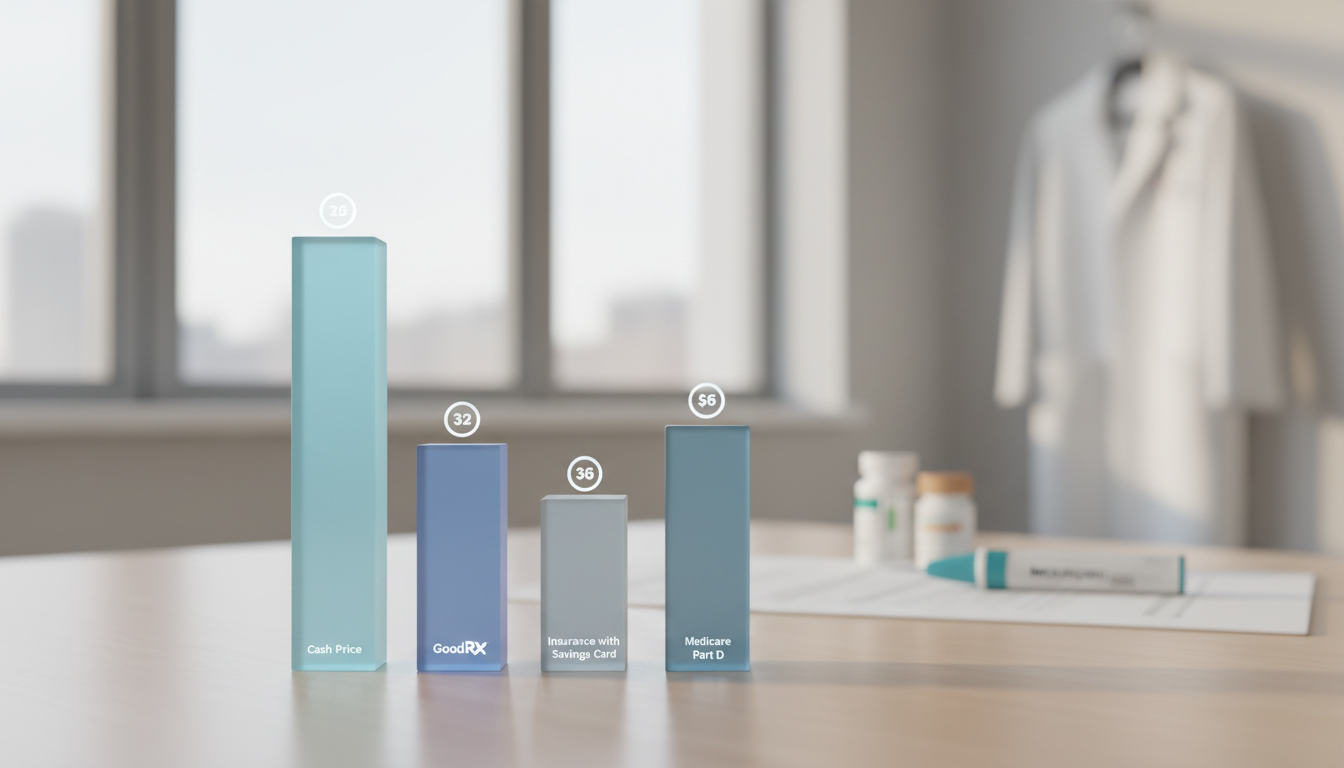
Based on an analysis of retail pharmacy data, the cash price for a one-month supply of Mounjaro (four pens) typically ranges from $1,069 to $1,112 (Telehealth Ally). Some pharmacies may charge as much as $1,150 or more, depending on your location and the specific drug store (DiseaseandMedication). Eli Lilly, the manufacturer, states the official list price is $1,112.16 as of early 2026, which is the price wholesalers pay before any pharmacy markups or discounts are applied (pricinginfo.lilly.com).
This high price is a major barrier for many. Unlike Zepbound, which contains the same active ingredient (tirzepatide) but is FDA-approved for weight loss, Mounjaro does not have a manufacturer-direct cash-pay program to lower the cost for uninsured patients. This makes brand-name Mounjaro one of the most expensive GLP-1 medication options for those paying out-of-pocket. For a deeper dive into the factors affecting this cost, you can read our general guide on the Mounjaro price.
Online Clinic Prices for Tirzepatide Compared
As GLP-1 medications have grown in popularity, many online telehealth platforms have emerged to offer them. These clinics often provide a bundled service that includes a doctor's consultation, prescription, and sometimes the medication itself. For uninsured patients, some of these platforms previously offered compounded tirzepatide as a more affordable alternative to brand-name Mounjaro.
However, the legal landscape for compounded medication is tricky. As of early 2026, tirzepatide is no longer on the FDA's official drug shortage list. This removed the legal basis for many pharmacies to produce compounded versions (Telehealth Ally). Despite this, some providers and 503B outsourcing facilities may still offer it, arguing they meet other regulatory requirements (FormBlends). You should approach these options with caution and discuss the source of the medication with your provider.
Here’s a comparison of what you might pay for tirzepatide through various channels in 2026, including online clinics that may offer compounded versions.
| Provider / Method | Medication Type | Estimated Monthly Cost | What's Included |
|---|---|---|---|
| Local Pharmacy (Cash Pay) | Brand-Name Mounjaro | $1,069 - $1,150 | Medication only. |
| Ro | Brand-Name Mounjaro/Zepbound | $99 (membership) + Medication Cost (e.g., ~$1,100 for Mounjaro) | Provider care, insurance support, coaching. |
| Sesame Care | Compounded Tirzepatide (subject to availability) | Starts around $350 - $650 | Varies by provider; typically includes prescription and may include medication. |
| PlushCare | Brand-Name Mounjaro/Zepbound | $16.99/mo (membership) + Medication Cost (e.g., ~$1,100 for Mounjaro) | Provider visit, prescription, insurance coordination. |
| RxFox Provider Network | Brand-Name & Compounded (subject to availability) | Varies by provider, often $300-$700 for compounded | Varies; our quiz matches you with vetted providers offering transparent pricing. |
As you can see, even the more affordable telehealth options can be a significant expense. Finding the best online GLP-1 provider for your needs requires balancing cost, convenience, and the type of medication offered.
Feeling overwhelmed by the options? Comparing clinics, understanding pricing, and verifying legitimacy is a lot of work. Our free quiz can simplify the process by matching you with a vetted provider that fits your budget and health goals.
Find the right provider for you. Take our free 3-minute quiz now.
How to Lower the Mounjaro Price Without Insurance
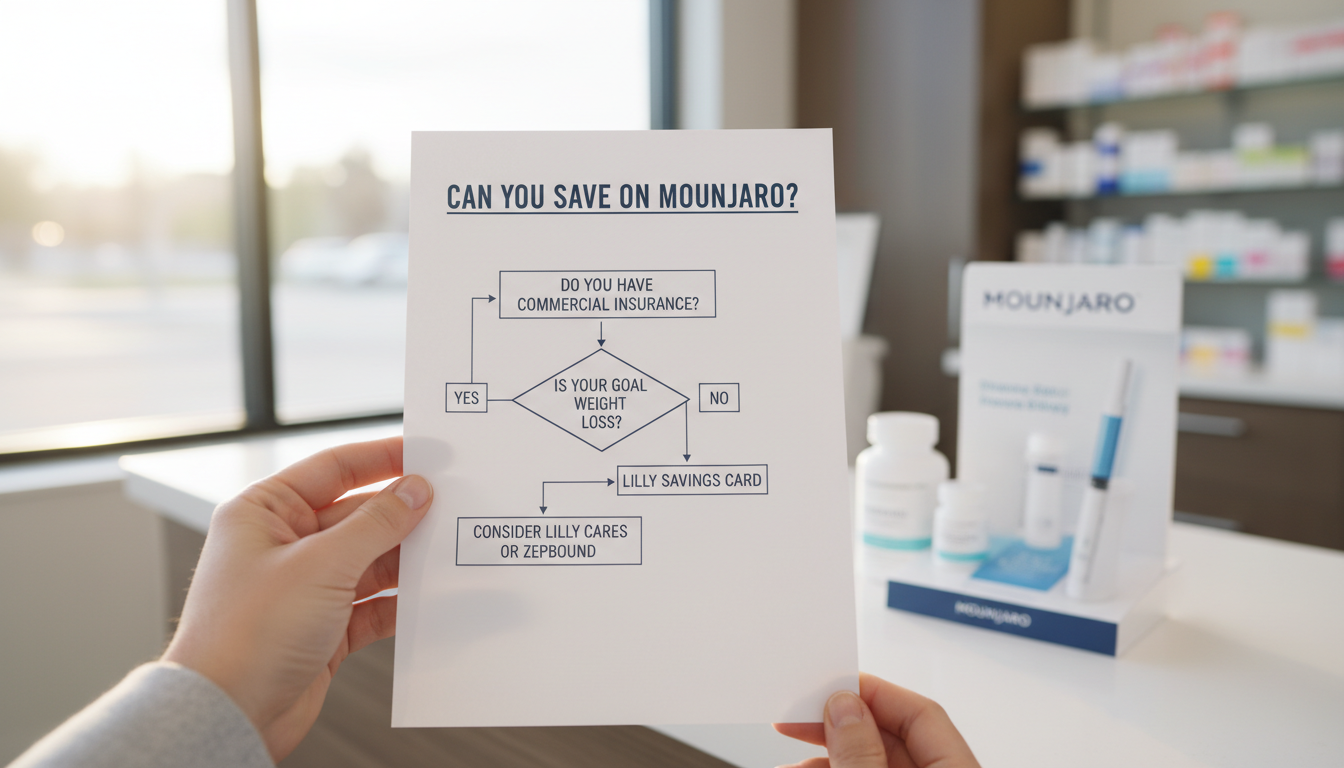
Paying over $1,000 every month is not realistic for most people. The good news is that there are several strategies you can use to significantly lower the mounjaro price without insurance.
-
Lilly Cares Patient Assistance Program (PAP): This is the single best option for uninsured patients. The Lilly Cares Foundation is a non-profit organization that provides free Eli Lilly medications, including Mounjaro, to patients who meet specific income and eligibility requirements. You must be a U.S. resident, have no insurance, and fall below a certain income threshold (typically based on the Federal Poverty Level). You and your doctor will need to complete an application.
-
Consider Zepbound for Weight Loss: If your primary goal is weight loss and you do not have type 2 diabetes, talk to your doctor about Zepbound. Zepbound contains the exact same active ingredient as Mounjaro, tirzepatide. The key difference is that Eli Lilly offers Zepbound through its LillyDirect program for uninsured patients at a much lower cash price point, often around $299 per month as of 2026 (Telehealth Ally). This is a critical piece of information for anyone considering paying cash for tirzepatide online without insurance.
-
Use Prescription Discount Cards: Services like GoodRx and SingleCare offer free coupons that can reduce the retail price of Mounjaro. While the savings aren't as dramatic as with other drugs, they can still bring the cost down to between $900 and $1,100 per month (DiseaseandMedication). It’s not a huge discount, but saving $100 or more is better than nothing. You cannot combine these cards with insurance.
-
Shop Around at Different Pharmacies: Prices can vary by a surprising amount from one pharmacy to another. Use the price-checker tools on discount card websites to compare costs at pharmacies in your area before you fill your prescription. Major chains and big-box stores often have slightly more competitive pricing.
-
Ask About a 3-Month Supply: Sometimes, filling a 90-day supply of a medication can be more cost-effective than filling it monthly. Ask your doctor if a 3-month prescription is appropriate and check with your pharmacy to see if it offers any savings.
-
Look for Clinical Trials: Pharmaceutical companies are always conducting studies on their medications. You can search for clinical trials for tirzepatide on websites like ClinicalTrials.gov. If you qualify and are accepted into a trial, you will typically receive the medication and related medical care at no cost.
Is Mounjaro Worth the High Cost?
Deciding whether to spend over a thousand dollars a month on a medication is a major financial decision. The answer depends on your individual health situation, your financial stability, and a careful conversation with your healthcare provider.
For people with uncontrolled type 2 diabetes, Mounjaro can be a life-changing drug. It has been shown to dramatically lower A1c levels and improve glycemic control, reducing the risk of long-term diabetes complications. In this context, the high price may be justified when compared to the costs of managing severe health issues down the line.
For weight loss, Mounjaro is also incredibly effective. However, the cost must be weighed against potential side effects from Mounjaro. Common issues include gastrointestinal problems like nausea, diarrhea, and mounjaro side effects burping, especially after eating. These effects are usually most pronounced when starting the medication or increasing the dose, but you should know how long Mounjaro side effects last before committing.
When considering the cost, it's also helpful to compare Zepbound vs Mounjaro side effects. Because they share the same active ingredient, their side effect profiles are identical. The choice between them often comes down to FDA approval (diabetes vs. weight management) and, crucially, cost for cash-pay patients. Given Zepbound's more accessible cash price through LillyDirect, it's often the more practical choice for weight loss if insurance is not in the picture. Ultimately, you and your doctor must weigh the proven benefits against the significant cost and potential side effects to determine if it's the right fit for you.
Ready to explore your options with a licensed professional? It's time to get personalized guidance. Take our free 3-minute quiz to get matched with a licensed provider who can help.
FAQs about Mounjaro Cost and Side Effects
Has anyone gotten thyroid cancer from Mounjaro?
Mounjaro has a "black box warning" from the FDA regarding thyroid C-cell tumors. This is the most serious type of warning. The warning is based on studies where the drug caused these tumors in rodents. It is not known if Mounjaro causes these tumors in humans. Because of this risk, you should not use Mounjaro if you or any of your family have a history of medullary thyroid carcinoma (MTC) or Multiple Endocrine Neoplasia syndrome type 2 (MEN 2). Always discuss your full medical and family history with your doctor.
Is Mounjaro side effects hair loss a common issue?
Hair loss is not listed as a direct side effect of Mounjaro itself. However, some people may experience temporary hair shedding, a condition called telogen effluvium, due to rapid weight loss. This happens when the body is under stress from quick changes in diet and weight, and it's generally temporary. Your hair should return to its normal growth cycle as your weight stabilizes.
What are the common side effects of Mounjaro 2.5 mg?
The 2.5 mg dose is the initial starting dose, designed to let your body get used to the medication. Even at this low dose, you may experience mild side effects. The most common are gastrointestinal, including nausea, diarrhea, decreased appetite, vomiting, constipation, and mounjaro side effects burping. These are typically mildest at the starting dose and may lessen over time.
What is the Mounjaro price without insurance in 2026?
In 2026, the mounjaro price without insurance for a one-month supply is approximately $1,069 to $1,112 at most retail pharmacies. The price can vary slightly depending on the pharmacy and your location, but you should expect to pay over $1,000 per month without any discounts or assistance.
Why don't Mounjaro side effects in women get discussed more?
The most common side effects of Mounjaro, like nausea and constipation, are experienced by all genders. There is no evidence that they are worse in women overall. However, some Mounjaro side effects in women can include anecdotal reports of changes to their menstrual cycle, which could be related to significant weight loss affecting hormone regulation. If you notice any unexpected changes, it's important to discuss them with your provider. For more details, see our guide to Mounjaro side effects in females.
Contributing to evidence-based peptide education and provider transparency.
Too many clinics, not enough clarity?
We don't sell peptides. Tell us your goals and we'll connect you with a vetted provider who can figure out what actually makes sense for you.
See what's right for youRelated articles
A Step-by-Step Gelatin Recipe for Weight Loss
Seen the viral "pink trick"? We break down the simple gelatin recipe for weight loss. Learn our step-by-step method to help manage hunger and feel full.
GLP-1 Weight LossOzempic Cost in 2026: What You'll Actually Pay
The 2026 Ozempic cost can be anywhere from $25 to over $1,400 a month. Discover why and learn how to find savings with or without insurance coverage.
GLP-1 Weight LossHow Zep Weight Loss Works and What to Expect
Thinking about zep weight loss? We cover how this drug works, what realistic results look like, common side effects, and how it compares to Ozempic.