What to Expect from the Mounjaro Shot for Weight Loss
Thinking about the Mounjaro shot for weight loss? We cover how it works, real-world results, potential side effects, and what the entire process feels like.

This content is for informational purposes only and does not constitute medical advice. Consult with a qualified healthcare provider before making any decisions about your health or treatment.
The buzz around the Mounjaro shot for weight loss has been impossible to ignore, and for good reason. As we move through 2026, this medication continues to be a focal point for individuals seeking significant and sustainable weight management. Mounjaro's active ingredient, tirzepatide, has shown remarkable results in clinical trials, but understanding how it works, what it costs, and how to access it can feel complicated.
This guide breaks down everything you need to know about using a Mounjaro injection for weight loss this year. We'll cover its effectiveness, dosing schedules, how it compares to other options, and the critical details about cost and insurance coverage. Whether you have type 2 diabetes or are exploring it for chronic weight management, you'll find clear, data-backed answers here.
One of the first points of confusion is Mounjaro's approval status. While it is technically FDA-approved for managing type 2 diabetes, its identical counterpart, Zepbound, is specifically approved for chronic weight management. They contain the exact same medication, tirzepatide. For a deeper dive into this incredible peptide, check out our comprehensive guide to Tirzepatide.
How a Dual-Action Peptide Powers Weight Loss
Mounjaro is not just another GLP-1 medication like Ozempic or Wegovy. It's the first in its class as a dual-agonist, targeting two different gut hormone receptors: GLP-1 (glucagon-like peptide-1) and GIP (glucose-dependent insulinotropic polypeptide). This dual action is what sets it apart and is believed to be the reason for its powerful effects on both blood sugar and body weight.
Here’s how it works:
- GLP-1 Receptor Agonism: Like other medications in this class, Mounjaro slows down how quickly your stomach empties after a meal. This makes you feel fuller for longer. It also sends signals to your brain's appetite center, reducing hunger cravings.
- GIP Receptor Agonism: The GIP component is Mounjaro's unique advantage. GIP also helps regulate appetite and is thought to improve how the body processes sugar and fat, potentially enhancing the weight loss effects seen with GLP-1 action alone.
The clinical data on Mounjaro's effectiveness is compelling. According to the landmark SURMOUNT-1 trial, participants without diabetes taking the highest dose (15 mg) lost an average of 22.5% of their body weight over 72 weeks (glp1guided.com). That's a loss of 50 pounds for a person who starts at 220 pounds. Another study, SURMOUNT-3, showed an average weight loss of 26.6% when the medication was combined with an intensive lifestyle intervention, highlighting the synergy between the drug and healthy habits (campuspress.yale.edu). For comparison, studies show Mounjaro produces about 5 to 6 percentage points more body weight loss than semaglutide-based drugs like Wegovy (formblends.com).
Even for those with type 2 diabetes, the results are significant. Clinical trials found that patients with diabetes lost an average of 12% of their body weight on the highest dose (pharmacytimes.com). While Mounjaro is excellent for blood sugar control, these Mounjaro reviews for diabetes often highlight the welcome side effect of weight loss.
The Mounjaro Shot for Weight Loss: Dosing, Titration, and Maintenance
Starting a Mounjaro shot for weight loss isn't about jumping to the highest dose right away. The medication is administered through a carefully planned titration schedule to help your body adapt and minimize potential side effects. You and your provider will work together to find the dose that is most effective and tolerable for you.
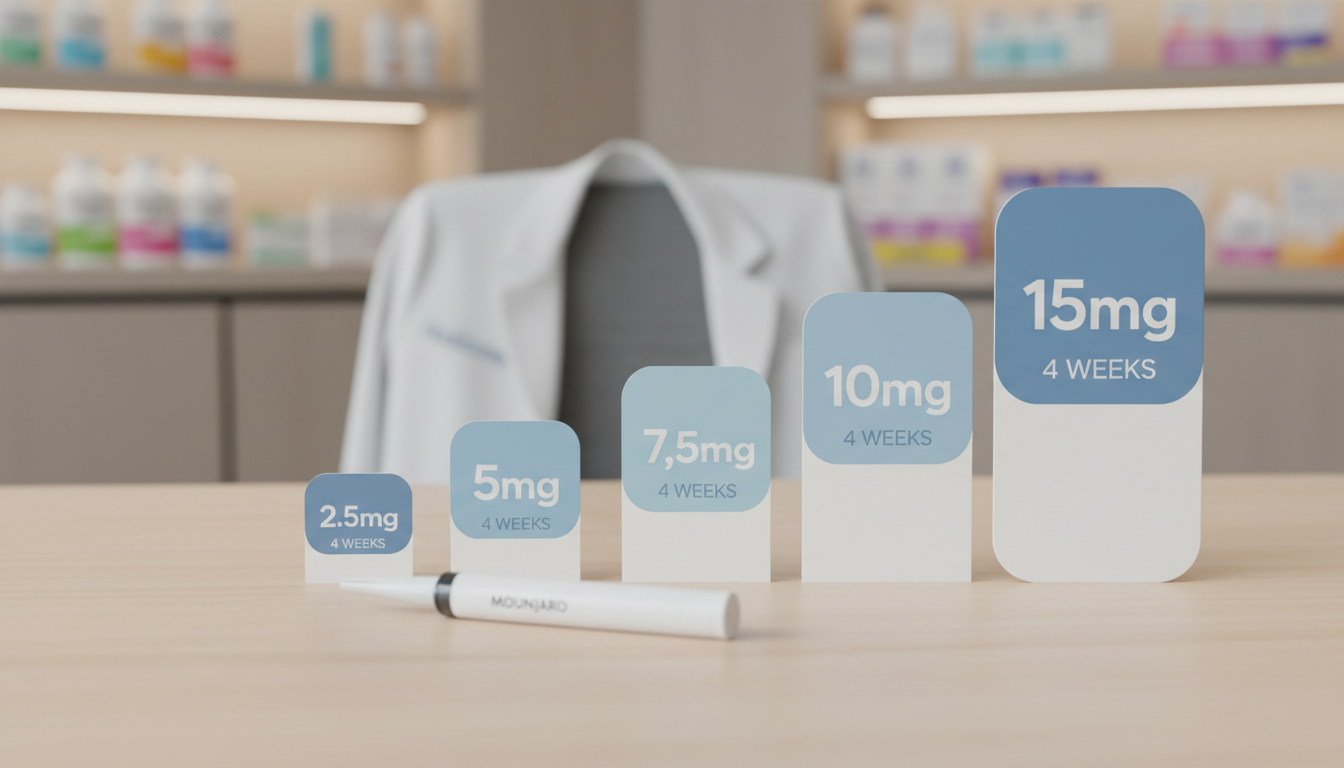
The process typically begins with a starting dose of 2.5 mg once a week for four weeks. This initial dose is not intended for weight loss but to acclimate your system. After a month, your provider will likely increase your dose to 5 mg.
From there, the dose can be increased in 2.5 mg increments every four weeks as needed. The available maintenance doses are 5 mg, 7.5 mg, 10 mg, and 15 mg.
- Mounjaro 5mg weight loss reviews often show this as the first dose where people notice significant appetite suppression and initial weight loss.
- Mounjaro 7.5 mg weight loss continues this trend, with many users finding a good balance of efficacy and manageable side effects at this level.
- Mounjaro 10mg weight loss and 15 mg are the higher doses where the most substantial results were seen in clinical trials. An average weight loss of 18% to over 22% was achieved at these maximum strengths (pharmacytimes.com, glp1guided.com).
The right dose for you depends on your personal goals, tolerance, and medical history. It's not a race to the top. Some people achieve excellent results and maintain them on a 7.5 mg or mounjaro 10 mg weight loss dose without needing to increase further.
A common question is about the mounjaro maintenance dose after weight loss. Since obesity is considered a chronic condition, long-term treatment is often necessary to prevent weight regain. After reaching your goal weight, you and your provider may decide to lower your dose to the minimum effective level that maintains your weight and continues to control your appetite. Discontinuing the medication altogether often leads to regaining the lost weight, as the drug's appetite-suppressing effects are no longer present (ucl-cdn-prod.thirdparty.solvhealth.com).
Feeling overwhelmed by the options? It's normal. To find out which GLP-1 treatment path might be right for your specific situation, a great first step is to see what you qualify for. Take our free 3-minute quiz to get matched with a licensed provider who can create a plan for you.
Cracking the Code: Mounjaro Cost and Insurance in 2026
One of the biggest hurdles for many people considering the mounjaro shot for weight loss is the price tag. Understanding the cost requires looking at your insurance coverage, available savings programs, and the key differences between Mounjaro and its twin, Zepbound.
Without insurance, the manufacturer's list price for Mounjaro is between $1,069 and $1,080 per month. Retail pharmacy prices in 2026 can be even higher, sometimes ranging from $1,300 to $1,600 per month (healthfactsjournal.com). You can read more about this in our detailed guide to Mounjaro's price in the USA.
So, will insurance cover Mounjaro for weight loss? The answer is complicated.
- For Type 2 Diabetes: If you have a diagnosis of type 2 diabetes, your insurance is much more likely to cover Mounjaro.
- For Weight Loss (Off-Label): Getting coverage for off-label use (prescribing a drug for a condition it isn't FDA-approved for) is challenging. Many insurance plans will deny coverage for Mounjaro if you do not have diabetes.
This is where Zepbound comes in. Since Zepbound is specifically Mounjaro FDA approved for weight loss (under a different brand name), insurance companies are more likely to cover it for chronic weight management if your plan includes benefits for weight loss medications. However, many employers still exclude these drugs from their plans to control costs.
Here are some specific insurance scenarios:
- Does CVS Caremark cover Mounjaro for weight loss? Coverage depends entirely on the specific plan your employer has chosen. Many CVS Caremark plans require a prior authorization and a diagnosis of type 2 diabetes. For weight loss, they would likely direct you to Zepbound, which may or may not be on your plan's formulary.
- Does Medicaid cover Mounjaro for weight loss? Medicaid coverage varies dramatically by state. Most state Medicaid programs will cover Mounjaro for type 2 diabetes but are very unlikely to cover it for weight loss alone. Coverage for Zepbound is also determined on a state-by-state basis and is not yet widespread.
For those with commercial insurance that covers Mounjaro, Eli Lilly offers a savings card that can bring the monthly cost down to as low as $25. If your insurance doesn't cover it, you may still be able to use a savings card for a discount, but the final price will be much higher.
A major regulatory change in 2026 has impacted a once-popular cost-saving alternative. Compounded tirzepatide, which many people used as a cheaper option, is no longer legally available. The FDA removed tirzepatide from the official drug shortage list, meaning compounding pharmacies can no longer produce it (healthfactsjournal.com). This change makes understanding your insurance and brand-name savings options more important than ever.
Navigating insurance and costs can be the most stressful part of the process. Want to see which options fit your budget and goals? Our free quiz takes 3 minutes and matches you with vetted clinics and providers who can help you understand coverage and access.
Mounjaro vs. The Competition: Ozempic, Wegovy, and a New Pill
The landscape of weight management medication is changing fast. While Mounjaro has been a top contender, it's helpful to see how it stacks up against other popular and emerging options in 2026.
Switching from Ozempic to Mounjaro for Weight Loss Many people who have used Ozempic (or its weight-loss version, Wegovy) consider making a switch. Ozempic contains semaglutide, a GLP-1 receptor agonist. While very effective, Mounjaro's dual GIP/GLP-1 mechanism often leads to greater weight loss. As mentioned, clinical evidence suggests tirzepatide can lead to 5-6 more percentage points of weight loss compared to semaglutide (formblends.com). People may also switch due to side effects or reaching a plateau. If you're considering a change, it is essential to do so under the guidance of a healthcare provider who can manage the transition safely. You can learn more about how these two peptides compare in our Semaglutide vs. Tirzepatide guide.
The New Oral Option: Foundayo (Orforglipron) April 2026 brought a significant new player into the field with the FDA approval of Eli Lilly's Foundayo (orforglipron). This is a once-daily oral GLP-1 medication, offering a convenient alternative to weekly injections.
- Convenience: Foundayo can be taken without food or water restrictions, a distinct advantage over some other oral options.
- Effectiveness: Clinical trials showed Foundayo helped individuals lose between 12-15% of their body weight (azzet.com, pharma.economictimes.indiatimes.com).
- Cost & Access: It is being launched through LillyDirect at a starting price of $149 per month for the lowest dose, making it a potentially more accessible option for some.
While its weight loss results may not reach the 20%+ levels seen with high-dose Mounjaro, the convenience and lower entry price point of a pill make Foundayo an exciting option for many patients. Like other GLP-1s, it carries a boxed warning for a potential risk of thyroid C-cell tumors.
This expanding field of treatments means more choices, but also more to consider. Your provider can help you weigh the pros and cons of an injection like Mounjaro versus an oral pill like Foundayo based on your lifestyle, goals, and medical profile.

What to Consider and Your Next Steps
Before you begin any new medication, it's crucial to have a clear picture of the benefits, risks, and required commitment.
First, you must be aware of the potential Mounjaro side effects. The most common are gastrointestinal issues like nausea, diarrhea, vomiting, and constipation. For most people, these are mild to moderate and tend to lessen over time as their body adjusts. Starting with a low dose and titrating up slowly helps manage these effects. For more details on what to expect, read our guide on how long Mounjaro side effects last.
Second, understand that this is likely a long-term treatment. As studies show, if you stop taking Mounjaro, the weight often comes back. This is because the medication is actively working to suppress your appetite and regulate your metabolism. Thinking of obesity as a chronic condition that needs ongoing management, similar to high blood pressure, can help set realistic expectations.
Finally, the most important step is to speak with a qualified healthcare professional. They can assess your health history, discuss the risks to determine if Mounjaro is safe for you, and help you decide if it’s the right fit. They are your partner in this process, from prescribing the medication to managing side effects and adjusting doses. If you're looking for a provider, there are many excellent online GLP-1 providers who specialize in weight management.
Ready to explore your options with a professional? Take our free 3-minute quiz to get matched with a licensed provider who can guide you on your weight management path.
FAQs
Is the Mounjaro shot for weight loss FDA approved? No, Mounjaro itself is not FDA-approved for weight loss. It is approved for managing type 2 diabetes. However, an identical medication from the same manufacturer called Zepbound, which contains the same active ingredient (tirzepatide), is FDA-approved specifically for chronic weight management. Many doctors prescribe Mounjaro "off-label" for weight loss.
What is a typical Mounjaro maintenance dose after weight loss? There is no single "typical" maintenance dose. After reaching your target weight, you and your doctor will determine the lowest effective dose that prevents weight regain and controls appetite. This could be 15 mg, 10 mg, 7.5 mg, or even 5 mg per week, depending on your individual response.
How much weight can you lose on Mounjaro 10mg? In the SURMOUNT-1 clinical trial, participants taking the 10 mg dose of tirzepatide lost an average of 19.5% of their starting body weight over 72 weeks. For a 230-pound person, this would equal a weight loss of about 45 pounds. Individual results will vary based on diet, exercise, and other factors.
What happens if I stop taking Mounjaro for weight loss? If you stop taking Mounjaro, you will likely experience a return of your baseline appetite and may regain a significant portion of the weight you lost. This is because the medication is no longer actively suppressing your hunger signals or slowing your digestion. Obesity is considered a chronic condition, and long-term treatment is often needed for sustained results.
Can I get a Mounjaro injection for weight loss if I don't have diabetes? Yes, it is possible. A healthcare provider can prescribe Mounjaro "off-label" for weight loss even if you don't have diabetes. However, your insurance may not cover the cost without a diabetes diagnosis. Your provider might instead prescribe Zepbound, which is specifically approved for weight loss.
Contributing to evidence-based peptide education and provider transparency.
Too many clinics, not enough clarity?
We don't sell peptides. Tell us your goals and we'll connect you with a vetted provider who can figure out what actually makes sense for you.
See what's right for youRelated articles
A Step-by-Step Gelatin Recipe for Weight Loss
Seen the viral "pink trick"? We break down the simple gelatin recipe for weight loss. Learn our step-by-step method to help manage hunger and feel full.
GLP-1 Weight LossOzempic Cost in 2026: What You'll Actually Pay
The 2026 Ozempic cost can be anywhere from $25 to over $1,400 a month. Discover why and learn how to find savings with or without insurance coverage.
GLP-1 Weight LossHow Zep Weight Loss Works and What to Expect
Thinking about zep weight loss? We cover how this drug works, what realistic results look like, common side effects, and how it compares to Ozempic.