Is Mounjaro Safe for Weight Loss? The Real Risks
Wondering if Mounjaro is safe for weight loss? We analyze the common and serious side effects, long-term risks, and who should avoid this medication.

This content is for informational purposes only and does not constitute medical advice. Always consult with a qualified healthcare provider before starting or changing any medical treatment.
Mounjaro has become one of the most talked-about medications for its powerful effects on blood sugar and weight. But as its popularity grows, a crucial question comes up again and again: is Mounjaro safe for weight loss? While its results are impressive, understanding its safety profile, from common side effects to serious risks, is essential before considering this treatment. This guide breaks down what the research from 2026 and earlier tells us about Mounjaro's safety so you can have an informed conversation with your healthcare provider.
Mounjaro’s active ingredient is tirzepatide, a unique medication that acts on two different hormone receptors, GLP-1 and GIP. This dual-action mechanism is a key reason for its strong results. While it's incredibly effective, it's also important to understand the full picture of what to expect while taking it. For a complete overview of the medication, you can read our guide on what to expect when taking tirzepatide.
Is Mounjaro Safe for Weight Loss? Common Side Effects
The first question most people have is about the day-to-day side effects. So, is Mounjaro safe for weight loss when it comes to common, manageable reactions? For most people, the answer is yes, but gastrointestinal issues are very frequent, especially when you first start the medication or increase your dose.
These side effects occur because tirzepatide slows down how quickly your stomach empties, which helps you feel full longer but can also lead to discomfort. Data from clinical trials like SURMOUNT-1 shows a clear pattern. The good news is that these side effects are typically mild to moderate and tend to decrease as your body adjusts to the medication. You can learn more about the timeline in our article on how long Mounjaro side effects last.
Here are the most common side effects reported in clinical trials, along with how often they occurred:
| Side Effect | Frequency in Clinical Trials |
|---|---|
| Nausea | 24% |
| Diarrhea | 17% |
| Decreased Appetite | 15% |
| Vomiting | 9% |
| Constipation | 8% |
| Indigestion (Dyspepsia) | 7% |
| Abdominal Pain | 6% |
(Source: Tirzepatide Before and After, full prescribing information)
These numbers show that around one in four people will experience some nausea. While that sounds high, it's often manageable. Your doctor will almost always start you on the lowest dose (2.5 mg) and slowly increase it every four weeks to help your body adapt and minimize these effects.
Navigating the pros and cons of a new medication can be confusing. If you're wondering whether Mounjaro or another GLP-1 treatment is right for your goals, help is available. Take our free 3-minute quiz to get matched with a qualified provider who can guide you through your options.
Serious Side Effects to Watch For
Beyond the common stomach issues, there are rare but serious risks to be aware of. Understanding these is a critical part of determining if Mounjaro is safe for you personally.
The most significant warning associated with Mounjaro and other GLP-1 medications is a Boxed Warning from the FDA. This is the strictest warning issued for a prescription drug.
Risk of Thyroid C-Cell Tumors: In studies on rats, tirzepatide caused an increase in thyroid C-cell tumors, including a type of thyroid cancer called medullary thyroid carcinoma (MTC). It is currently unknown if Mounjaro causes these tumors in humans (HIGHLIGHTS OF PRESCRIBING INFORMATION). Because of this potential risk, Mounjaro is strictly contraindicated for certain people, which we'll cover in the next section. Symptoms to watch for include a lump or swelling in your neck, hoarseness, trouble swallowing, or shortness of breath.
Other serious potential side effects, while not common, include:
- Pancreatitis: This is inflammation of the pancreas, which can be severe. Stop taking Mounjaro and call your doctor immediately if you have severe pain in your stomach area that won’t go away, with or without vomiting. You may feel the pain from your abdomen to your back.
- Kidney Problems (Acute Kidney Injury): In people who have kidney problems, diarrhea, nausea, and vomiting may cause a loss of fluids (dehydration). This can cause kidney problems to get worse. It's vital to stay hydrated while on Mounjaro.
- Severe Stomach Problems: Mounjaro has not been studied in people with severe stomach problems like gastroparesis (paralyzed stomach) and is not recommended for them.
- Gallbladder Issues: Some people have experienced gallbladder problems, including gallstones or inflammation of the gallbladder (cholecystitis). Symptoms include pain in your upper stomach, fever, or yellowing of the skin or eyes (jaundice).
- Hypoglycemia (Low Blood Sugar): Your risk for getting low blood sugar may be higher if you use Mounjaro with another medication that can cause it, such as a sulfonylurea or insulin.
These risks sound alarming, but it's important to remember they are rare. Discussing your full health history with a provider is the best way to assess your individual risk level.
Who Should Not Take Mounjaro?
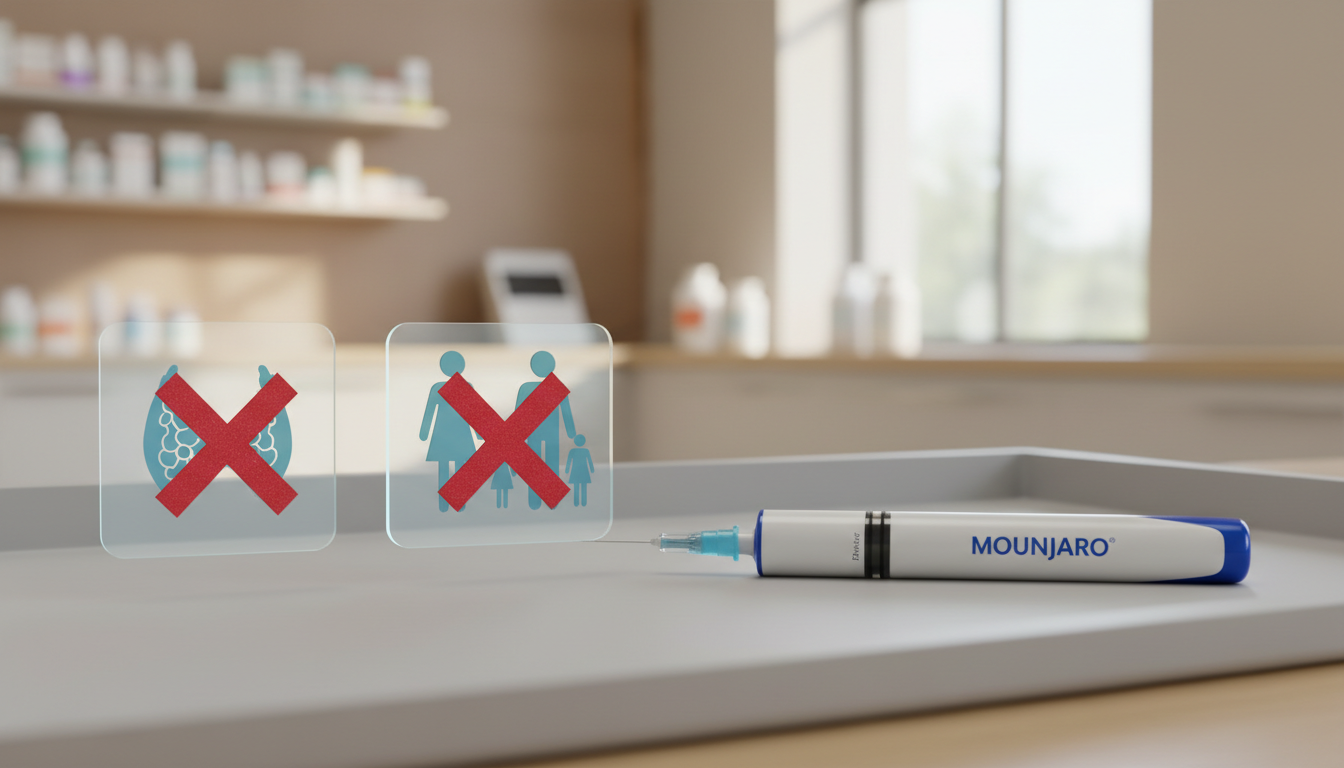
Mounjaro is not safe or appropriate for everyone. The FDA's boxed warning and other clinical data lead to clear contraindications, meaning specific groups of people should not use this medication under any circumstances.
Do NOT use Mounjaro if:
- You or any of your family have a history of Medullary Thyroid Carcinoma (MTC). This is a rare type of thyroid cancer.
- You have an endocrine system condition called Multiple Endocrine Neoplasia syndrome type 2 (MEN 2). This genetic condition increases the risk of MTC.
- You have had a serious allergic reaction to tirzepatide or any of the ingredients in Mounjaro.
Beyond these absolute contraindications, you should use Mounjaro with caution and under close medical supervision if you have a history of:
- Pancreatitis
- Kidney disease
- Severe gastrointestinal disease, such as gastroparesis
- Diabetic retinopathy
Additionally, Mounjaro has not been studied in pregnant or breastfeeding women and is generally not recommended. If you plan to become pregnant, you should discuss when to stop the medication with your doctor. The effects of Mounjaro can interfere with the absorption of oral contraceptives, so your provider may recommend using a non-oral contraceptive method for 4 weeks after starting Mounjaro and for 4 weeks after each dose increase.
Drug Interactions to Be Aware Of
Because Mounjaro works by slowing down digestion, it can change the way your body absorbs other medications you take by mouth. This is a key safety consideration.
The most important interactions to discuss with your doctor include:
- Oral Medications: By delaying stomach emptying, Mounjaro can impact the absorption of any pill or tablet you take. For most drugs, this isn't a major issue, but for those that require precise timing or rapid absorption (like certain pain relievers or antibiotics), the effect could be significant.
- Oral Contraceptives (Birth Control Pills): Mounjaro can reduce the effectiveness of birth control pills. Healthcare providers recommend using a non-oral form of contraception (like an IUD, patch, or injection) for at least four weeks after starting Mounjaro and for four weeks after each dose increase.
- Diabetes Medications: If you take Mounjaro with other drugs to lower blood sugar, especially insulin or sulfonylureas, your risk of hypoglycemia (dangerously low blood sugar) increases significantly. Your doctor may need to adjust the dose of your other diabetes medications to prevent this.
Before starting Mounjaro, give your provider a complete list of everything you take, including prescription drugs, over-the-counter medicines, vitamins, and supplements. You can also use a drug interaction checker as a preliminary step before your appointment.
How to Manage Common Mounjaro Side Effects
While the side effect list can seem daunting, most common issues are manageable with a few simple strategies. Remember, these effects are usually strongest during the first few weeks and after each dose increase.
Here are some practical tips to handle the most frequent side effects:
- For Nausea: Eat smaller, more frequent meals instead of three large ones. Stick to bland foods like crackers, toast, and rice. Avoid greasy, fried, or very sweet foods. Drinking ginger tea or clear, cold beverages can also help settle your stomach.
- For Diarrhea: It is crucial to stay hydrated. Drink plenty of water and consider beverages with electrolytes. Avoid foods known to worsen diarrhea, like dairy, spicy foods, and artificial sweeteners.
- For Constipation: This is a very common issue tied to slower digestion and eating less. Increase your intake of both water and fiber. Add foods like fruits, vegetables, and whole grains to your diet. If you need more help, our guide to
[Mounjaro constipation]offers detailed solutions. Gentle activity, like walking, can also help get things moving. - For Decreased Appetite: When you're not hungry, it can be hard to get enough nutrients. Focus on making the food you do eat count. Prioritize lean protein to prevent muscle loss and nutrient-dense foods. A protein shake can be an easy way to get calories and nutrition. Use our protein calculator to figure out your daily needs.
- For Abdominal Pain or Indigestion: Similar to managing nausea, avoiding large, fatty meals can prevent discomfort. Eat slowly and sit upright after meals.
The single most effective strategy for managing side effects is the dose titration schedule. By starting low and going slow, you give your body time to acclimate. Don't rush the process, and communicate with your provider if side effects feel unmanageable.
Feeling overwhelmed by the options and potential side effects? A qualified provider can create a plan that fits your body and lifestyle. Our free quiz takes 3 minutes and matches you with vetted providers who specialize in weight management.
Is Mounjaro Safe for Weight Loss Compared to Other Drugs?
A big part of evaluating safety is comparing a drug to its alternatives. Here's how Mounjaro's safety and effectiveness stack up against other popular weight management medications in 2026.
Mounjaro vs. Ozempic/Wegovy (Semaglutide)
This is the most common comparison. Both are injectable GLP-1-based drugs, but Mounjaro also targets the GIP receptor.
- Effectiveness: When asking "which is better for weight loss ozempic or mounjaro," the data points to Mounjaro. A 2024 head-to-head trial published in the New England Journal of Medicine found that tirzepatide led to an average weight loss of 20.2% over 72 weeks, significantly more than semaglutide's 13.7%.
- Safety: The side effect profiles are very similar. Both list gastrointestinal issues as the most common problems and carry the same boxed warning for thyroid C-cell tumors. For more details, see our breakdown of semaglutide vs. tirzepatide.
Mounjaro vs. Zepbound
This comparison often causes confusion, but the answer is simple. When wondering "is zepbound better than mounjaro for weight loss," know this: they are the exact same medication (tirzepatide) made by the same company (Eli Lilly).
- The only difference is the name and FDA indication. Mounjaro is the brand name approved for type 2 diabetes. Zepbound is the brand name approved for chronic weight management.
- Safety and effectiveness are identical. They have the same active ingredient, same dosing, and same side effect profile. Using Mounjaro for weight loss is considered "off-label," while Zepbound is the officially approved option. You can read more about the differences in our Tirzepatide, Mounjaro, and Zepbound guide.
Mounjaro vs. Oral GLP-1s (Foundayo/orforglipron)
A new class of oral medications has entered the market. Foundayo (orforglipron), an oral GLP-1 pill from Eli Lilly, was approved in April 2026.
- Effectiveness: Foundayo showed an average weight loss of 12% to 15% in clinical trials. This is less than Mounjaro's 20.9% but is still very significant, especially for a daily pill.
- Safety: As a GLP-1 medication, Foundayo also has common gastrointestinal side effects and carries the same boxed warning for thyroid C-cell tumors. Its main advantage is convenience, avoiding the need for injections.

When to See a Doctor
While managing minor side effects at home is often possible, you must know when to seek professional medical help.
Contact your healthcare provider if:
- Common side effects like nausea, vomiting, or diarrhea are severe or prevent you from eating or drinking normally.
- You are not able to manage side effects with at-home strategies.
- You have symptoms of low blood sugar, such as dizziness, confusion, sweating, or shakiness.
Seek immediate medical attention if you experience signs of a serious reaction, including:
- Severe, persistent stomach pain that may radiate to your back (a sign of pancreatitis).
- Signs of a serious allergic reaction, like swelling of your face, lips, tongue, or throat, or difficulty breathing or swallowing.
- A new lump, swelling, pain, or hoarseness in your neck (potential signs of a thyroid tumor).
- Changes in urination or swelling in your lower legs (signs of kidney problems).
Your health is the top priority. Never hesitate to reach out to a medical professional if you are concerned about how you are feeling.
Ready to explore your options with a professional? Starting a new treatment is a big decision, and you don't have to do it alone. Take our free 3-minute quiz to get matched with a licensed provider who can create a safe and effective plan for you.
FAQs
Is Mounjaro FDA-approved for weight loss in 2026?
No. As of 2026, Mounjaro is officially FDA-approved to improve blood sugar control in adults and children 10 and older with type 2 diabetes. However, its active ingredient, tirzepatide, is FDA-approved for chronic weight management under the brand name Zepbound. Using Mounjaro for weight loss is a common "off-label" practice prescribed by doctors.
Which is better for weight loss, Ozempic or Mounjaro?
Clinical trial evidence shows Mounjaro (tirzepatide) leads to greater weight loss than Ozempic (semaglutide). A direct comparison study found that at 72 weeks, Mounjaro users lost an average of 20.2% of their body weight, while Ozempic users lost 13.7%. Both have similar side effect profiles.
What is the highest dose of Mounjaro for weight loss?
The maximum recommended dose of Mounjaro is 15 mg, injected once weekly. Clinical studies like the SURMOUNT-1 trial demonstrated the most significant weight loss at this highest dose, where participants lost an average of 20.9% of their body weight over 72 weeks.
Will I regain weight if I stop taking Mounjaro?
Yes, weight regain is expected after stopping Mounjaro. Studies show that when the medication is discontinued, its effects on appetite and metabolism wear off, and weight tends to return toward its previous baseline. This highlights that Mounjaro is most effective as a long-term treatment for a chronic condition.
Is it safe to use compounded tirzepatide?
The FDA has issued warnings about the safety of unapproved compounded versions of tirzepatide. These products are not reviewed by the FDA for safety, quality, or efficacy. They may contain the wrong ingredients, have improper dosing, or be contaminated, posing significant health risks. It is always safest to use FDA-approved, brand-name medications obtained from a licensed pharmacy with a valid prescription. Learn more about the risks of compounded semaglutide.
Contributing to evidence-based peptide education and provider transparency.
Too many clinics, not enough clarity?
We don't sell peptides. Tell us your goals and we'll connect you with a vetted provider who can figure out what actually makes sense for you.
See what's right for youRelated articles
A Step-by-Step Gelatin Recipe for Weight Loss
Seen the viral "pink trick"? We break down the simple gelatin recipe for weight loss. Learn our step-by-step method to help manage hunger and feel full.
GLP-1 Weight LossOzempic Cost in 2026: What You'll Actually Pay
The 2026 Ozempic cost can be anywhere from $25 to over $1,400 a month. Discover why and learn how to find savings with or without insurance coverage.
GLP-1 Weight LossHow Zep Weight Loss Works and What to Expect
Thinking about zep weight loss? We cover how this drug works, what realistic results look like, common side effects, and how it compares to Ozempic.